Why Shorthairs Get Cancer Younger Than Other Breeds
It's a truly heartbreaking reality when you learn your beloved German Shorthaired Pointer, still in the prime of their life, has received a cancer diagnosis. Many of us expect our loyal companions to live a long, full life, so when cancer strikes at a younger age than we might anticipate for other breeds, it feels particularly cruel. This guide aims to shed light on why German Shorthaired Pointers (GSPs) sometimes face this challenge earlier than other dogs, exploring the underlying factors and what you can do to be prepared and proactive.
Understanding the Genetic Predisposition in German Shorthaired Pointers
German Shorthaired Pointers, like many purebred dogs, carry certain genetic predispositions that can make them more susceptible to specific health issues, including various forms of cancer. It’s not a fault of the breed, but rather a consequence of selective breeding for specific traits over generations, which can inadvertently concentrate certain genetic markers.
Inherited Risk Factors
The genetic blueprint of a GSP plays a significant role in their health. While breeders meticulously work to reduce the incidence of inherited diseases, some predispositions remain within the breed lines. For instance, there's growing research into specific gene mutations that may increase a GSP's risk for certain cancers. These aren't always simple, single-gene issues; often, it's a complex interplay of multiple genes, sometimes referred to as polygenic inheritance, combined with environmental triggers.
One of the frustrating aspects for owners is that these genetic factors aren't always visible or easily testable. Unlike some clear-cut genetic disorders where a simple DNA test can identify carriers or affected dogs, cancer predispositions are often more nebulous. This means even responsible breeders, who screen for things like The Five Tests Behind a German Shorthaired Pointer CHIC Number, might unknowingly pass on subtle predispositions that only manifest later in a dog's life, or when combined with other factors. It’s a constant battle for breeders to stay informed and make the best decisions for the health of the breed, but the reality is, genetic diversity within any purebred population is limited compared to mixed breeds, which can sometimes lead to a higher incidence of certain diseases.
Breed-Specific Cancer Types
When we talk about GSPs getting cancer younger, we're often referring to a few specific types that tend to show up with greater frequency or at an earlier age in the breed. It's not that GSPs get all types of cancer younger, but certain ones are definitely on our radar as owners and veterinarians.
One of the most concerning cancers that sometimes appears in younger GSPs is lymphoma. This aggressive cancer affects the lymphatic system, which is part of the body's immune defense. Unlike some other cancers that typically present in very senior dogs, we sometimes see Lymphoma Turning Up Early in a Shorthair, even in dogs as young as 4-6 years old. The signs can be subtle at first – swollen lymph nodes in the neck, armpits, or groin are often the first clue, but sometimes it presents with more generalized symptoms like lethargy or weight loss.
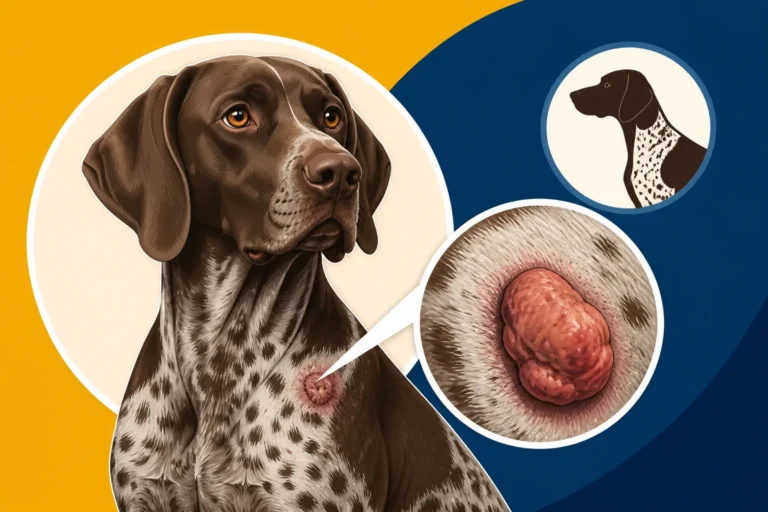
Another type of cancer we unfortunately see with some regularity are mast cell tumors. These tumors can appear anywhere on the body, from the skin to internal organs, and their behavior is notoriously unpredictable. While they can occur at any age in any breed, GSPs do seem to have a notable incidence of them, sometimes requiring prompt intervention. If you ever notice a new lump or bump on your GSP, regardless of their age, it's always best to have your vet check it out immediately. For more detailed information, you can read about Mast Cell Tumors and Where They Appear on a Shorthair. Early detection and prompt removal, often followed by histopathology to grade the tumor, are crucial. For some tumors, like those on the skin, removal can be straightforward, but others can be much more challenging, especially if they are internal or on sensitive areas.
Here's a quick look at some common cancer types in German Shorthaired Pointers and typical ages of concern:
| Cancer Type | Common Age Range of Onset | Key Characteristics |
|---|---|---|
| Lymphoma | 4-8 years | Swollen lymph nodes, lethargy, weight loss, sometimes vomiting/diarrhea if alimentary. |
| Mast Cell Tumors | Any age, often 5-9 years | Lumps on or under the skin, can be aggressive and spread, vary greatly in appearance. |
| Hemangiosarcoma | 6-12 years (older) | Primarily affects spleen, heart, liver. Internal bleeding, weakness, sudden collapse. |
| Osteosarcoma | 7-10 years | Bone cancer, typically in limbs. Lameness, swelling, pain. |
(Note: While hemangiosarcoma and osteosarcoma are often seen in older GSPs, discussing them provides context on the range of cancers the breed faces, even if the primary focus of "younger" onset is more pronounced for lymphoma and mast cell tumors).
Lifestyle and Environmental Contributions
While genetics undeniably play a significant role, it's never just one factor. Our GSPs live dynamic, active lives, and their environment and lifestyle choices can also contribute to their overall health and, unfortunately, their cancer risk.
The Impact of High Energy and Exposure
GSPs are renowned for their incredible energy levels and their love for the outdoors. They're bred to cover ground, often in diverse and sometimes challenging environments. This active lifestyle, while wonderful for their physical and mental well-being, does come with increased exposure risks. Think about all the places your GSP runs: fields, forests, dense cover, marshes. They are constantly exposed to various elements – pesticides on farm fields, herbicides in parks, chemicals tracked in on shoes, or even natural carcinogens like certain types of mold or fungi in damp environments. While it's nearly impossible to eliminate all exposure, understanding these risks helps us make more informed choices.
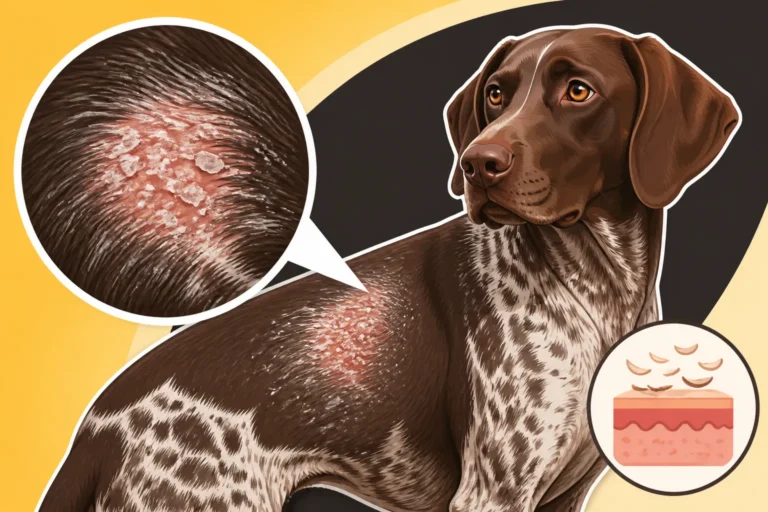
For example, a GSP's short coat means less protection from the sun. Just like people, dogs can suffer from sun damage, especially on sparsely haired or white areas, which can potentially lead to certain skin cancers. We also need to consider the physical toll their active lives take. While not a direct cause of cancer, chronic inflammation from repeated injuries, or even the stress on their systems from continuous high-intensity exercise without adequate recovery, can theoretically contribute to cellular changes over time. Ensuring proper cool-down periods and recognizing signs of fatigue are just as important as the hunt itself.
Dietary and Nutritional Considerations
What we feed our GSPs is another critical piece of the puzzle. The world of dog nutrition can be incredibly overwhelming, with countless brands and philosophies competing for our attention. For a breed that burns as many calories as a GSP, especially during hunting season, their diet needs to be top-notch to support their demanding lifestyle and robust immune system.
There's ongoing research and debate about the link between diet and cancer in dogs. Some theories suggest that diets high in certain preservatives, artificial colors, or low-quality ingredients might contribute to inflammation and cellular damage over time. Conversely, a diet rich in antioxidants, omega-3 fatty acids, and high-quality protein can support overall health and potentially bolster the immune system's ability to fight off disease. Many GSP owners opt for premium performance kibbles from brands known for rigorous testing and quality ingredients, or explore raw or home-cooked diets under veterinary guidance.
The key is to focus on a balanced, nutrient-dense diet that avoids unnecessary fillers and provides all the essential vitamins and minerals your GSP needs. Regular consultations with your vet about your GSP's specific dietary needs, especially as they age or if they have particular health concerns, can make a huge difference. A well-nourished body is better equipped to handle stress and potentially fight off disease.
Early Detection and Proactive Management
Given the breed's predisposition, being vigilant about your GSP's health and proactively working with your veterinarian are your best tools in the fight against cancer. Early detection can dramatically improve outcomes for many types of cancer.
Recognizing Subtle Symptoms
German Shorthaired Pointers are incredibly stoic animals. They are bred to work hard and often mask pain or discomfort, which can make recognizing early signs of illness challenging. This means you, as their owner, need to be hyper-aware of any subtle changes in their behavior, appetite, or physical condition. It's about knowing your dog's "normal" inside and out.
Keep an eye out for:
- Lumps and Bumps: Perform regular "pat-downs" of your dog, feeling for any new growths under the skin, especially in areas like the neck, armpits, groin, or along their belly. Pay attention to how a lump changes – size, texture, mobility.
- Changes in Appetite or Thirst: Is your GSP suddenly picky about food? Drinking significantly more or less? These can be indicators of underlying issues.
- Weight Loss: Unexplained weight loss, even if your dog is still eating, is a major red flag.
- Lethargy or Decreased Stamina: While GSPs are bundles of energy, a sudden, persistent drop in energy, reluctance to play, or flagging earlier than usual during exercise could be a sign. This can be particularly tricky as many GSPs will try to push through discomfort.
- Digestive Issues: Persistent vomiting, diarrhea, or changes in stool quality can indicate gastrointestinal problems, which can sometimes be linked to internal tumors.
- Lameness or Swelling: While often linked to Field Injuries a Hunting German Shorthaired Pointer Comes Home With or age-related arthritis, persistent lameness or swelling in a limb that doesn't resolve could be a sign of bone cancer like osteosarcoma.
- Changes in Breathing or Coughing: Persistent coughing, difficulty breathing, or changes in breath sounds should be investigated.
- Bleeding or Discharge: Any unexplained bleeding from the nose, mouth, rectum, or vagina, or unusual discharge, needs immediate veterinary attention.
It can feel overwhelming to constantly look for these things, but integrating a quick check during daily grooming or petting sessions can make it routine. If something feels "off" – trust your gut.
The Role of Regular Veterinary Check-ups
Regular veterinary care is absolutely non-negotiable for a GSP, especially as they enter their middle years. Annual, and for older dogs, semi-annual check-ups, are your primary line of defense. These aren't just for vaccines; they are crucial opportunities for your vet to perform a thorough physical examination, looking for subtle signs you might miss.
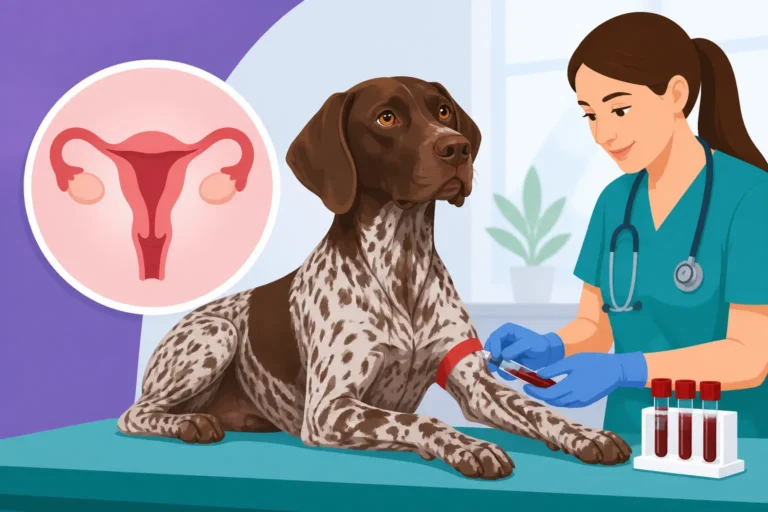
During these visits, your vet will palpate lymph nodes, check for lumps, listen to their heart and lungs, and assess overall body condition. Beyond the physical exam, regular bloodwork and urinalysis are incredibly valuable. These diagnostic tools can often reveal abnormalities in organ function or blood cell counts that might indicate a problem long before outward symptoms appear. For instance, Bloodwork Worth Running on an Older Shorthair can catch early indicators of various diseases, including some cancers.
Discussing your GSP's lifestyle, diet, and any concerns you have with your vet openly is vital. They can help you tailor a preventative healthcare plan that includes appropriate screenings and diagnostics for a breed with a higher cancer risk. Don't be afraid to ask questions about specific cancer concerns or what proactive measures you can take. Your vet is your most important partner in keeping your GSP healthy.
Supporting Your German Shorthaired Pointer Through a Diagnosis
If, despite all your best efforts, your GSP does receive a cancer diagnosis, it's a devastating blow. The emotional and financial toll can be immense. However, advancements in veterinary oncology mean that there are often options available, and a diagnosis is not always a death sentence.
Treatment Options and Financial Planning
The treatment options for cancer in dogs are as varied as they are in humans, and they are constantly evolving. Depending on the type, stage, and location of the cancer, as well as your dog's overall health, treatment might include surgery, chemotherapy, radiation therapy, immunotherapy, or a combination of these. The goal is always to improve your dog's quality of life and, if possible, achieve remission or a cure.
For localized tumors like some mast cell tumors, surgery might be curative, and for others, it might remove the bulk of the tumor to allow other therapies to be more effective. Chemotherapy, while a scary word, is often well-tolerated by dogs, and protocols are designed to minimize side effects while maximizing efficacy. The discussions you'll have with a veterinary oncologist will be detailed and challenging, focusing on prognosis, side effects, and, inevitably, costs.
Veterinary cancer treatment can be incredibly expensive, often running into the thousands, or even tens of thousands of dollars, depending on the modalities used and the duration of treatment. This is where proactive financial planning becomes crucial. Many owners find relief through pet insurance providers like Healthy Paws, which can help cover significant portions of treatment costs for unexpected illnesses like cancer, provided the policy was in place before diagnosis. Reviewing options like Monthly Insurance Premiums on a German Shorthaired Pointer can save you from making heartbreaking decisions based solely on finances. Setting aside a dedicated "pet emergency fund" or exploring veterinary credit lines are also smart strategies. Organizations like the Schwarzman Animal Medical Center in New York City or similar specialty centers across the country offer state-of-the-art cancer treatment, but these services come at a cost. Planning ahead allows you to focus on your dog's care, rather than being caught off guard by the financial burden.
Emotional Support for Owners
A cancer diagnosis for your GSP affects the entire family. It's okay, and completely normal, to feel a whirlwind of emotions: shock, sadness, anger, fear, and even guilt. Many owners feel like they should have known sooner or done something differently. Please know that these feelings are valid, and you are not alone.
It's important to allow yourself to grieve and to seek support when you need it. Talk to your family and friends, especially those who understand the bond you share with your dog. Online communities and support groups for pet cancer can also be incredibly helpful, providing a space to share experiences, ask questions, and find comfort among others facing similar challenges. Your veterinary team, from your primary vet to the oncology specialists, understands the emotional impact and can offer guidance and empathy.
Focus on making the most of the time you have with your GSP. Prioritize their comfort and happiness. This might mean adjusting their routine, making sure they still get to enjoy their favorite activities within their limits, and showering them with love and extra cuddles. Knowing when to make difficult decisions is also part of this journey, and your vet will be there to guide you through assessing your GSP's quality of life. Even though the journey with cancer can be incredibly tough, the love and companionship you share with your German Shorthaired Pointer remain paramount.
Disclaimer
This article is intended for informational purposes only and does not constitute medical advice. Always consult with a qualified veterinarian for any health concerns or before making any decisions about your German Shorthaired Pointer's care.