Whether a Shorthair’s Lupoid Dermatosis Can Be Cured
It’s truly disheartening when your energetic German Shorthaired Pointer starts showing signs of a persistent, baffling skin condition. You want nothing more than to see them vibrant and comfortable, but those scaly, crusty patches can make their life, and yours, a constant struggle. If you’re grappling with a diagnosis of lupoid dermatosis, you're likely wondering if there's an end in sight, if your beloved companion can ever truly be cured. This guide is here to offer a realistic, empathetic look at lupoid dermatosis in German Shorthaired Pointers, explaining its nature, the limitations of treatment, and, most importantly, how to manage it effectively for a good quality of life.
What Exactly Is Lupoid Dermatosis in German Shorthaired Pointers?
Lupoid dermatosis, often referred to as sterile granuloma or granulomatous sebaceous adenitis, is a rare and frustrating skin disorder that primarily affects German Shorthaired Pointers. It's an autoimmune condition, meaning your dog’s own immune system mistakenly attacks healthy cells—in this case, the sebaceous glands within the skin. These glands are crucial for producing sebum, an oily substance that helps keep the skin and coat moisturized and healthy. When these glands are damaged or destroyed, the skin loses its natural protective barrier, leading to a cascade of painful and visible symptoms.
The Tell-Tale Signs and Frustrating Symptoms
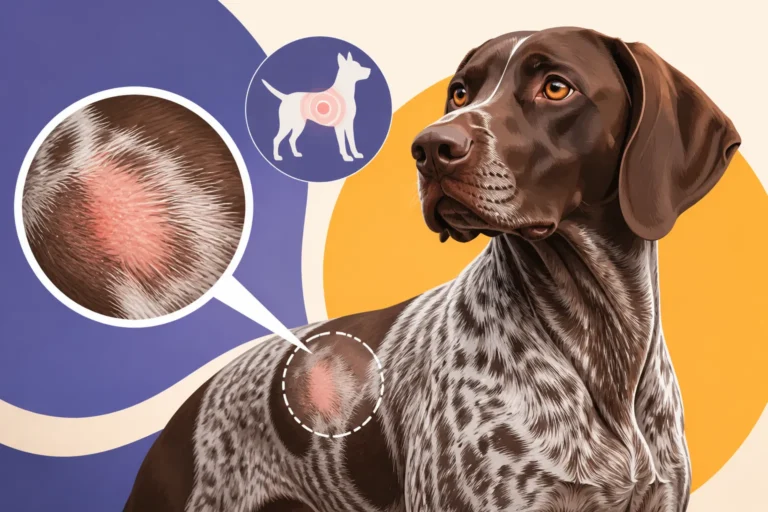
One of the most characteristic signs of lupoid dermatosis in a Shorthair is the presence of greasy, scaly skin and a dull, thinning coat, often starting along the back and neck. It can be incredibly subtle at first, maybe just a slightly rougher patch of fur that you brush off as dry skin. But then, it progresses. You might notice areas of hair loss, particularly on the head, ears, and trunk, which can become quite prominent. The skin can develop thick, adherent scales, sometimes with crusts, and these patches can be quite itchy, leading to secondary skin infections from scratching.
Imagine your normally sleek, shiny German Shorthaired Pointer starting to look a bit moth-eaten. The areas around their ears might be flaky, and when you pet them along their spine, you feel an unnerving greasiness or bumpiness that wasn't there before. Some dogs might even develop small, firm nodules under the skin. It’s not just a cosmetic issue; these lesions can be painful and deeply uncomfortable for your dog, especially when they become infected. Many owners describe a peculiar odor associated with the affected skin due to the buildup of oils and bacteria, which adds another layer of distress to an already challenging situation. If you're noticing these kinds of scaling skin changes, it's vital to get a proper diagnosis. You can read more about what to look for in "Lupoid Dermatosis and a Shorthair's Scaling Skin."
Understanding the Breed Predisposition
German Shorthaired Pointers, sadly, are genetically predisposed to this particular form of sebaceous adenitis. While other breeds can develop sebaceous adenitis, the "lupoid" form is distinct and more aggressive in GSPs. This genetic component is a significant part of why it's such a persistent problem for the breed and why certain lines might be more affected than others.
It’s truly unfair, isn't it? You choose a breed known for its vitality and robust health, only to face a hidden genetic susceptibility to a debilitating skin condition. The disease often appears when the dog is relatively young, typically between one and five years of age, though it can manifest earlier or later. Knowing the age of onset can be crucial for early detection, which we discuss further in "The Age Lupoid Dermatosis Appears in a Shorthair." This predisposition means that even with the best care, some Shorthairs will simply be unlucky due to their genetic makeup. It's a harsh reality that breeders are working hard to understand and mitigate through careful selection and genetic testing, though no definitive genetic test for lupoid dermatosis in GSPs is widely available yet.
The Frustrating Reality: Why There's No "Cure" for Lupoid Dermatosis
This is the hard truth that many German Shorthaired Pointer owners face: lupoid dermatosis, being an autoimmune disease with a strong genetic component, currently has no definitive cure. When a vet delivers this news, it can feel like a punch to the gut. We all want a quick fix for our pets, a magic pill to make everything right, but with this condition, the goal shifts from cure to diligent, long-term management.
The Autoimmune Nature of the Disease
The primary reason there's no "cure" lies in the very nature of lupoid dermatosis as an autoimmune disorder. Your dog's immune system, which is supposed to protect them from external threats like bacteria and viruses, mistakenly identifies its own sebaceous glands as foreign invaders. It then launches an attack, inflaming and destroying these vital glands. Once these glands are gone or severely damaged, they generally don't regenerate.
Think of it like an internal civil war within your dog's body. The immune system is constantly "on alert" against its own tissues, and we can’t simply turn off the immune system without inviting other, even more severe problems. Our interventions aim to calm this overactive immune response and support the compromised skin, not eradicate the underlying, misdirected immune function. This constant internal battle is why the condition is so persistent and why flare-ups can occur even with careful management.
Genetic Predisposition and Lifelong Management
The strong genetic link in German Shorthaired Pointers further complicates the idea of a cure. While environmental factors can sometimes trigger or worsen autoimmune conditions, the fundamental predisposition is inherited. This means that the blueprint for this immune system malfunction is hardwired into your dog's DNA.
Because the genetic component is inherent, managing lupoid dermatosis becomes a lifelong commitment. It's not a temporary infection that clears up with a course of antibiotics. Instead, it requires a multifaceted approach that often involves medications, dietary changes, and dedicated topical care for the rest of your dog's life. This long-term commitment can be financially taxing, and many owners find themselves researching options like pet insurance from providers like Healthy Paws to help cover the ongoing costs of diagnostics, prescriptions, and vet visits. Understanding "Whether a Shorthair's Skin Disease Counts as Pre-Existing" is critical when considering insurance for chronic conditions. The goal is to minimize symptoms, prevent secondary infections, and maintain the best possible quality of life, recognizing that complete remission might be rare and temporary.
Living With and Managing Lupoid Dermatosis
While the word "cure" might not be in our vocabulary for lupoid dermatosis, "management" certainly is. And with consistent, dedicated care, many German Shorthaired Pointers can live comfortable, happy lives despite the condition. It's about finding the right balance of treatments that work for your individual dog and sticking to a routine.
Conventional Treatment Strategies
The cornerstone of treating lupoid dermatosis often involves a combination of systemic medications and topical therapies. The specific regimen will depend heavily on the severity of the condition and how your dog responds.
- Immunomodulators: Since it's an autoimmune disease, drugs that modulate or suppress the immune system are frequently used. Oral corticosteroids like prednisone are powerful anti-inflammatories that can quickly reduce inflammation and itching, especially during flare-ups. However, they come with side effects, so vets often try to taper the dose to the lowest effective level. Cyclosporine (brand names like Atopica) is another common immunomodulator that can be very effective in calming the immune response, often with fewer long-term side effects than high-dose steroids, though it can take several weeks to see its full effect. Your vet will carefully weigh the pros and cons of these potent medications.
- Retinoids: Synthetic retinoids, derived from Vitamin A, can sometimes help regulate skin cell growth and sebaceous gland function. They're not always effective for every dog, but for some, they can significantly improve scaling and follicular plugging.
- Antibiotics/Antifungals: Secondary bacterial or yeast infections are incredibly common with damaged skin barriers. Your vet will likely prescribe oral antibiotics or antifungals to clear these up, and these might be needed periodically as part of long-term care.
- Topical Therapies: These are incredibly important for direct relief and skin support. Medicated shampoos containing ingredients like benzoyl peroxide, salicylic acid, or sulfur can help degrease the skin, remove scales, and flush hair follicles. Regular bathing, sometimes several times a week, can make a huge difference in comfort. Your vet might also recommend emollients, conditioners, or leave-on treatments to moisturize the skin and rebuild some of that lost barrier function. For severe flare-ups, topical steroids can be used on localized areas.
It's a delicate dance, balancing the benefits of these powerful drugs with potential side effects. The key is to work closely with your veterinarian or a veterinary dermatologist to tailor a protocol that's right for your Shorthair.
Holistic and Supportive Approaches
Beyond conventional medications, a holistic approach that supports overall skin health can significantly improve your dog's comfort and reduce the frequency of flare-ups.
- Dietary Support: High-quality diets rich in omega-3 fatty acids are often recommended. Omega-3s have natural anti-inflammatory properties that can help soothe the skin from the inside out. Supplements like fish oil are frequently added to the diet, and you can learn more about their benefits in "Fish Oil for a German Shorthaired Pointer's Skin." Some owners explore novel protein diets if food allergies are also suspected, though this isn't directly related to the autoimmune aspect of lupoid dermatosis itself.
- Environmental Management: Keeping your dog's living environment clean and free of excessive allergens or irritants can help. Regular bedding changes and dusting can reduce potential skin stressors.
- Regular Grooming and Skin Care: Even with a short coat, meticulous grooming is essential. Regular, gentle bathing with appropriate shampoos (ask your vet for recommendations, especially those designed for scaling skin) helps remove scales and excess oil. Following up with a good conditioner is crucial to moisturize the dry skin. Products like Douxo S3 Pyo or Malaseb medicated shampoos are often recommended by vets. You might find "Shampoo for a German Shorthaired Pointer With Bad Skin" helpful for specific product guidance. Regular brushing, even with a soft brush, can help distribute natural oils (what little there are) and stimulate circulation.
- Stress Reduction: Stress can sometimes exacerbate immune-mediated conditions. Providing a stable, loving environment with consistent routines and plenty of appropriate exercise can contribute to your dog's overall well-being and potentially help manage their condition. Remember, even with skin issues, your Shorthair still needs their activity, as explored in "The Two Hours a Day a German Shorthaired Pointer Needs."
Long-Term Outlook and Quality of Life
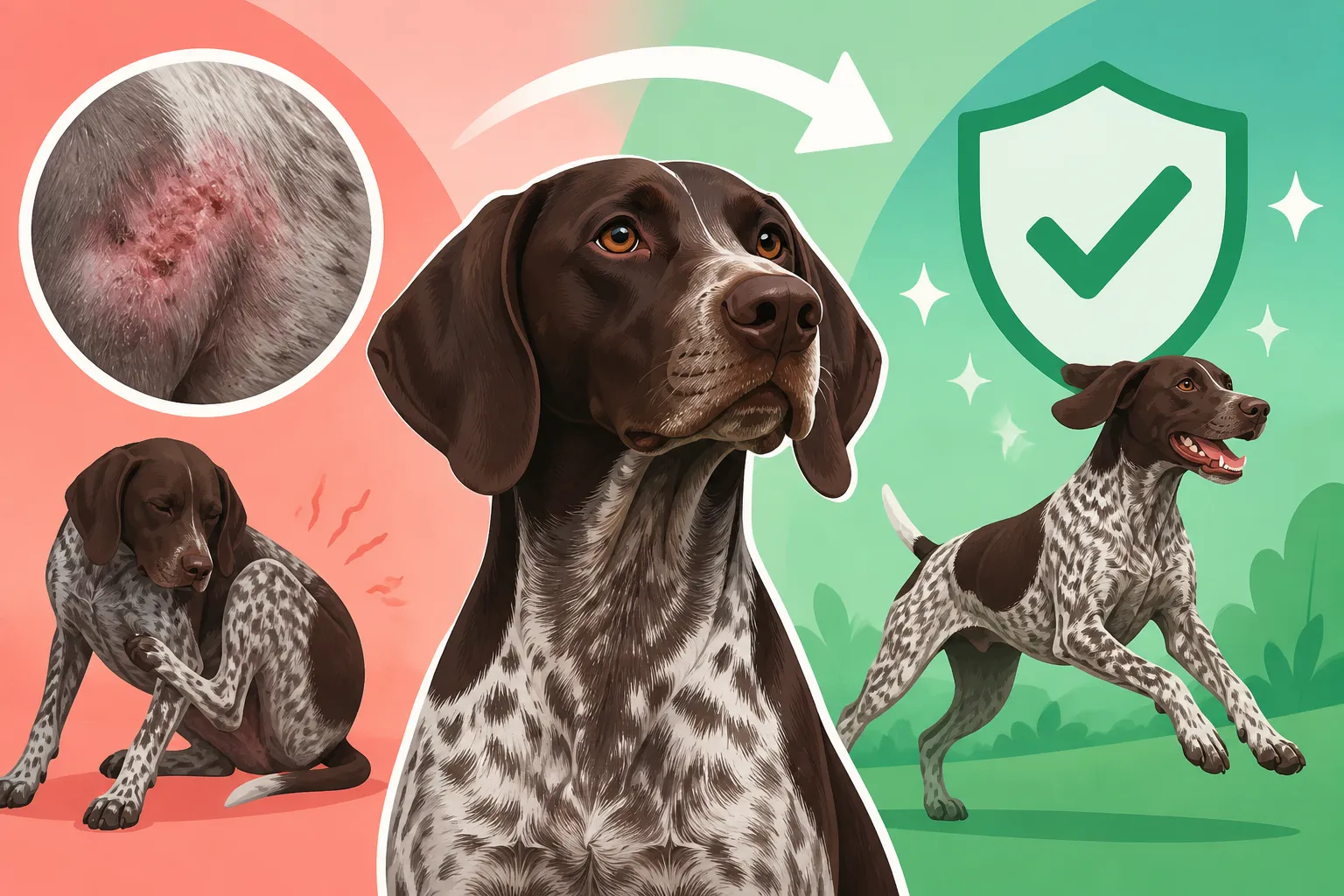
While a cure remains elusive, the long-term outlook for German Shorthaired Pointers with lupoid dermatosis can be quite good with consistent management. The goal isn't to eliminate the disease, but to control the symptoms to a point where your dog is comfortable, happy, and free from chronic pain or severe infections.
This often means establishing a routine that becomes a normal part of your life: regular medicated baths, daily supplements, and consistent medication administration. It requires patience and vigilance, as flare-ups can still occur. When they do, quick intervention with adjusted medications or topical treatments is key to bringing things back under control. Many owners report that once they find the right regimen, their dogs enjoy a very good quality of life, able to hunt, play, and be the loving companions they are meant to be. It's truly about managing a lifelong skin disease rather than curing it.
| Management Approach | Primary Goal | Typical Frequency/Duration | Potential Benefits | Considerations |
|---|---|---|---|---|
| Oral Immunosuppressants (e.g., Cyclosporine, Prednisone) | Modulate immune response | Daily, long-term | Reduces inflammation, controls disease progression | Side effects, cost, veterinary supervision needed |
| Oral Antibiotics/Antifungals | Treat secondary infections | Short courses during flare-ups | Clears up bacterial/yeast infections | Can lead to resistance if overused |
| Medicated Shampoos/Conditioners | Remove scales, moisturize, prevent infection | 1-3 times per week, ongoing | Direct skin relief, maintains barrier | Time-consuming, can dry skin if not balanced |
| Omega-3 Fatty Acid Supplements | Reduce inflammation, support skin barrier | Daily, long-term | General skin health, mild anti-inflammatory | Takes time to see effects, quality varies |
| Retinoids | Regulate skin cell growth | Daily, long-term | Improves scaling, follicular health | Not effective for all dogs, side effects possible |
| Moisturizing Sprays/Wipes | Hydrate skin, soothe irritation | As needed, daily | Immediate relief, supports skin barrier | Requires consistent application |
Supporting Your German Shorthaired Pointer: Practical Steps and Resources
Managing a chronic condition like lupoid dermatosis means more than just administering medicine; it involves a holistic approach to care, understanding the financial implications, and knowing when to seek professional help.
Building a Strong Veterinary Partnership
Your veterinarian is your most important ally in this journey. They will help you navigate diagnosis, tailor treatment plans, and monitor your dog’s response. It’s often beneficial to work with a board-certified veterinary dermatologist, especially if your general vet is less familiar with this specific condition. These specialists have advanced training and experience in diagnosing and managing complex skin diseases. Don't be afraid to ask for a referral; it can make a world of difference.
Establishing a regular vet schedule is vital for monitoring the disease's progression, adjusting medications, and catching any secondary issues early. This commitment is similar to "The Vet Schedule a Working Shorthair Should Keep" for general health, but with an added focus on dermatological check-ups. Regular follow-ups allow for blood work to monitor for medication side effects and ensure overall health.
Financial Planning for Lifelong Care
Let's be realistic: chronic conditions mean ongoing costs. Diagnostic tests, specialized medications, medicated shampoos, and regular vet visits can add up quickly. This is where careful financial planning comes into play. Some owners find that pet insurance can be a huge relief for managing the expenses associated with a chronic condition, provided the policy was in place before the condition was diagnosed, as most plans won't cover pre-existing conditions. Companies like Healthy Paws offer comprehensive plans that can help with unexpected veterinary bills, including those from chronic illnesses that aren't pre-existing. It's worth researching "Monthly Insurance Premiums on a German Shorthaired Pointer" and understanding how a policy might work for your family.
Even without insurance, budgeting for these costs is essential. Setting aside a dedicated fund each month, similar to figuring out "What a German Shorthaired Pointer Owner Sets Aside Monthly" for general care, can alleviate stress when big bills arise. Don't hesitate to talk openly with your vet about treatment costs and explore different options or payment plans if needed.
Emotional Support for You and Your Dog
Living with a dog who has a chronic illness can be emotionally draining. You might feel frustrated, sad, or even guilty. It's okay to feel these things. Connect with other German Shorthaired Pointer owners or support groups online who are dealing with similar challenges. Sharing experiences and tips can be incredibly validating and helpful.
Remember that your dog senses your emotions. While it's tough, try to remain positive and consistent in their care. The love and dedication you show them will contribute immensely to their overall well-being. Even if their coat isn't perfect, they're still your amazing German Shorthaired Pointer, full of life and love, and your consistent care ensures they can continue to thrive.
Disclaimer
This article provides general information and is not a substitute for professional veterinary advice. Always consult with a qualified veterinarian or veterinary dermatologist regarding your German Shorthaired Pointer's specific health condition, diagnosis, and treatment plan. Medical situations can vary greatly, and only a professional can provide tailored recommendations.