How Vets Diagnose Lymphedema in a German Shorthaired Pointer
It's incredibly distressing to notice your energetic German Shorthaired Pointer, usually full of boundless energy, suddenly struggling with swollen legs. This often leaves owners feeling anxious and confused, wondering what could be causing such discomfort in their beloved companion. This guide aims to shed light on how veterinarians approach diagnosing lymphedema in German Shorthaired Pointers, a condition that, while rare, can be a serious concern for this specific breed.
Understanding Lymphedema in German Shorthaired Pointers
Lymphedema is a condition characterized by the accumulation of lymph fluid, usually in the limbs, causing swelling. It's a frustrating ailment for both dog and owner because it often appears without an obvious external cause, leading to a lot of head-scratching before a diagnosis is reached.
What is Lymphedema and Why GSPs?
Lymphedema occurs when the lymphatic system, a crucial part of the immune system responsible for draining fluid, fails to function correctly. Imagine a complex network of tiny pipes carrying excess fluid away from tissues and back into the bloodstream. If these pipes are blocked, damaged, or simply not formed correctly, the fluid backs up, leading to swelling. This swelling, known as edema, becomes chronic and persistent in lymphedema.
In German Shorthaired Pointers, we unfortunately see a predisposition to a specific type called primary lymphedema. This means the condition is inherited, present from birth, and often manifests in puppies or young dogs. It's not something they "catch" later in life; it's a structural issue with their lymphatic vessels. This genetic link is why breeders and owners of GSPs need to be particularly aware, especially if they notice any unusual swelling in young pups. You might find it helpful to read more about Primary Lymphedema in a German Shorthaired Pointer Litter if you suspect this might be an issue.
The exact genetic mechanism isn't always straightforward, and it's not as commonly discussed as some other breed-specific health issues, which can make it even harder for owners to pinpoint. The reality is, if you're seeing persistent swelling, especially in multiple limbs or a whole litter, your vet will definitely be considering this hereditary component.
Early Signs and Owner Observations
Recognizing lymphedema early can be a challenge, as the initial signs can be subtle or easily mistaken for other issues. Typically, owners might first notice one or more limbs, often the hind legs, appearing puffy or slightly larger than normal. This swelling might come and go, or it might be constant. It's not usually painful in the early stages, which can sometimes delay a vet visit, as the dog doesn't seem overtly distressed.
For a young GSP puppy, the swelling might even be apparent shortly after birth, leading to what some describe as Puffy Legs on a German Shorthaired Pointer Puppy. These puppies might have noticeably thicker limbs compared to their littermates, or the swelling might become more prominent as they grow and become more active. What makes it tricky is that GSPs are naturally muscular dogs, so distinguishing normal robust growth from abnormal fluid retention requires a keen eye.
Owners might also report that the swelling worsens after exercise or on warmer days, or that the skin over the affected area feels thicker, tighter, or less pliable than normal. Sometimes, the skin can even develop a rough, almost "cobblestone" texture over time if the condition goes unnoticed or untreated for too long. Keeping a detailed log of when you notice the swelling, its severity, and any associated factors can be incredibly helpful for your veterinarian.
The Initial Veterinary Examination and Diagnostic Steps
When you bring your GSP to the vet with concerns about swollen legs, your veterinarian will embark on a systematic process to rule out common causes and then delve into more specific diagnostics. It’s a bit like being a detective, piecing together clues to form the most accurate picture.
The Thorough Physical Exam
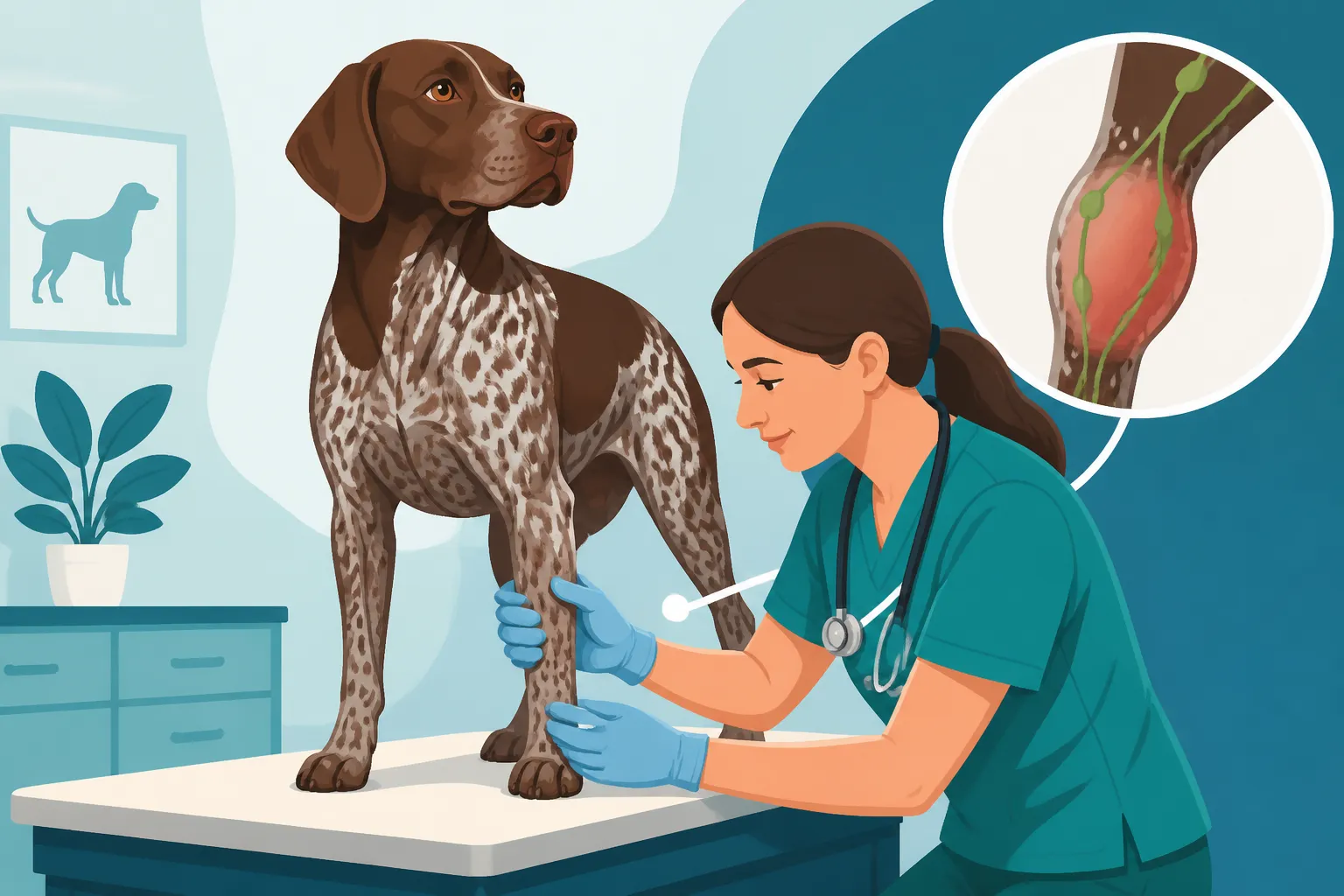
The first and arguably most crucial step is a comprehensive physical examination. Your vet will carefully palpate (feel) the swollen limb(s), assessing the texture, temperature, and consistency of the swelling. Is it soft and pitting when pressed, or firm and non-pitting? Is it warm to the touch, suggesting inflammation or infection? They’ll check for any signs of pain, wounds, insect bites, or other obvious external injuries that could explain the swelling.
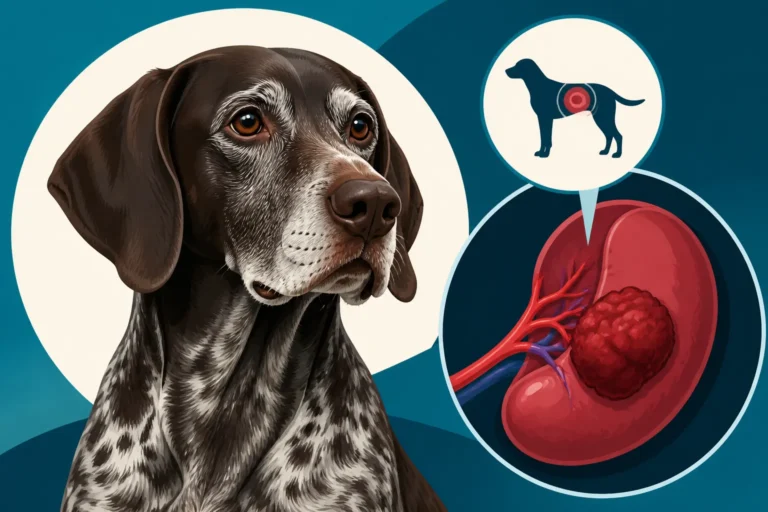
They'll also examine the lymph nodes (glands) throughout your dog's body, looking for enlargement, which could indicate infection or even certain types of cancer. They'll assess your GSP's overall health, including heart and lung sounds, abdominal palpation, and mucous membrane color, to rule out systemic diseases that could cause generalized edema. For instance, a heart condition like a severe heart murmur could lead to fluid retention, though usually more widespread than just one limb. This careful assessment is key to distinguishing lymphedema from other issues like a simple sprain, an allergic reaction, or even something more serious such as a The Bleeding Disorder in German Shorthaired Pointer Lines if there's bruising present.
Don't be surprised if your vet measures the circumference of the affected limb versus an unaffected one (if applicable). This provides an objective baseline for future comparison and helps track the progression or response to initial treatments. Your detailed history about when the swelling started, if it changes, and if it affects other areas, will guide this exam immensely.
Diagnostic Imaging Techniques
Once the initial physical exam points towards a persistent swelling not easily explained by a simple injury or infection, your vet will likely recommend imaging. These tools help them "see" inside the limb and rule out other structural problems.
X-rays are often one of the first imaging modalities used. While X-rays don't directly show lymphatic vessels, they are excellent for evaluating bones and joints. Your vet will be looking for fractures, bone tumors, or joint diseases like hip or elbow dysplasia that could cause swelling and lameness. If the X-rays come back clear, it helps narrow down the possibilities, shifting focus away from skeletal issues. This step is vital to avoid unnecessary treatments for conditions that aren't present.
Ultrasound is another powerful, non-invasive tool. A skilled ultrasonographer can examine the soft tissues of the limb, looking for fluid pockets, abscesses, or other masses. More importantly for lymphedema, ultrasound can sometimes reveal changes in the lymphatic vessels themselves, such as dilation or an increased amount of subcutaneous fluid. It can also help rule out blood clots, which can cause significant limb swelling. While not definitive for lymphedema on its own, it offers valuable clues and helps guide further investigation. For a deep look into internal structures, advanced imaging like an MRI or CT scan might be considered, though these are more costly and usually reserved for when other methods haven't provided a clear answer, or if there's suspicion of a tumor or severe structural anomaly.
Bloodwork and Other Lab Tests
To rule out underlying systemic causes of swelling and to get a general health overview, your vet will almost certainly recommend a full panel of blood tests. These typically include a complete blood count (CBC) and a biochemistry profile.
The CBC can detect signs of infection (elevated white blood cells) or anemia. The biochemistry panel assesses organ function, looking for issues with kidneys, liver, or heart that could lead to fluid retention throughout the body. For example, low protein levels (hypoproteinemia) due to severe liver or kidney disease can cause edema. If these blood tests come back normal, it further supports the idea that the swelling is localized rather than a symptom of a widespread internal illness.
Your vet might also take a sample of the fluid from the swollen area itself, using a fine needle aspirate. This fluid can be analyzed to determine its composition. Is it inflammatory, infectious, or purely lymphatic? This can help differentiate between lymphedema, an abscess, or a tumor. Although this sounds invasive, it’s a quick procedure often done with minimal sedation and can provide crucial information, helping to eliminate many possibilities quickly.
Advanced Diagnostics for Confirmed Cases
If initial exams and basic tests point strongly towards lymphedema, or if other conditions have been ruled out, your vet may recommend more specialized procedures to confirm the diagnosis and understand the extent of the lymphatic system impairment.
Lymphoscintigraphy: The Gold Standard
When it comes to definitively diagnosing lymphedema, especially primary lymphedema, lymphoscintigraphy is often considered the gold standard. This specialized imaging technique directly visualizes the lymphatic system's function. It's not something every veterinary clinic can do, so your vet might refer you to a veterinary specialist or a university teaching hospital for this procedure.
Here’s how it typically works: a tiny amount of a radioactive tracer is injected into the affected limb, usually into the subcutaneous tissue between the toes or footpads. This tracer is designed to be absorbed by the lymphatic vessels. Over a period of time, usually a few hours, specialized cameras track the movement of this tracer through the lymphatic system. In a healthy lymphatic system, the tracer moves quickly and efficiently to the regional lymph nodes. In a dog with lymphedema, the tracer will move slowly, pool in the affected area, or fail to reach the lymph nodes at all, clearly demonstrating impaired lymphatic drainage.
This test provides real-time functional information about the lymphatic vessels, showing blockages, underdeveloped vessels, or areas where fluid is stagnant. It's a non-invasive way to confirm primary lymphedema and rule out other causes of limb swelling. While the thought of a radioactive tracer might sound alarming, the dose is very small and carefully controlled, and the benefits of a definitive diagnosis often outweigh the minimal risks. Understanding the exact nature of the problem allows for the most appropriate management plan, which is crucial for a condition like this that has no simple cure.
Biopsy and Histopathology
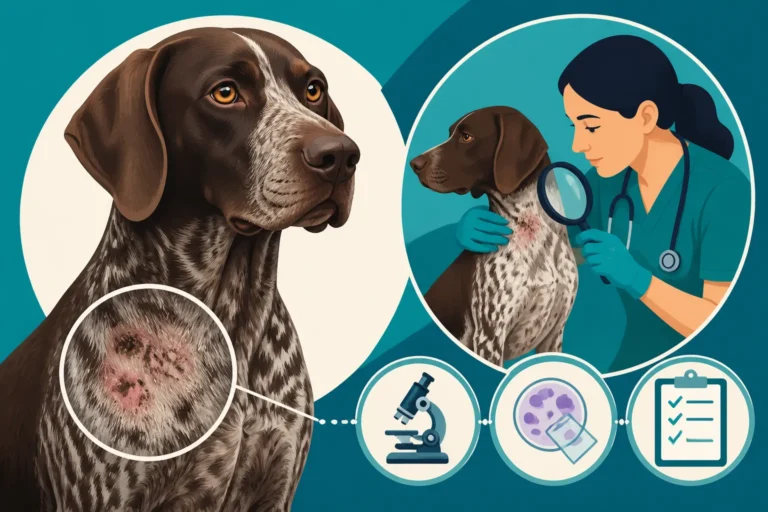
Sometimes, especially if there's any uncertainty after initial diagnostics or if there are concerns about other types of tissue abnormalities, a biopsy of the affected tissue might be recommended. This involves surgically removing a small piece of tissue from the swollen area, which is then sent to a veterinary pathologist for microscopic examination (histopathology).
A pathologist can identify characteristic changes associated with lymphedema, such as dilated lymphatic vessels, increased fibrous tissue, and inflammatory cells within the interstitial fluid. They can also definitively rule out other conditions like cancerous infiltrates, certain types of infections, or inflammatory diseases that might mimic lymphedema on imaging. For instance, sometimes a persistent, firm swelling could be a low-grade tumor that isn't clearly visible on other scans. The biopsy gives a definitive cellular-level answer.
While it’s a more invasive procedure, requiring anesthesia, it provides invaluable information. For GSPs, where a hereditary component is suspected, confirming lymphedema through biopsy can also be important for breeding decisions. It helps ensure that affected lines are identified, which is a key part of responsible breeding practices, and can inform questions like Whether a Lymphedema Shorthair Line Should Keep Being Bred.
Genetic Testing and Breeder Consultation
Given that primary lymphedema in German Shorthaired Pointers is often an inherited condition, genetic testing plays an increasingly important role in diagnosis and prevention. While a specific gene test for GSP lymphedema isn't universally available yet for all types, research is ongoing, and reputable breeders are always keen to understand the genetic predispositions in their lines.
If lymphedema is diagnosed in your GSP, particularly if it's primary lymphedema, your veterinarian will likely discuss the possibility of genetic counseling. This might involve looking at your dog's pedigree, contacting the breeder, and discussing the prevalence of the condition in related dogs. In some breeds, DNA tests are available for specific genetic mutations that cause lymphedema, allowing breeders to screen potential breeding dogs and avoid producing affected offspring. This would be a similar approach to testing for other inherited conditions like those discussed in Von Willebrand Testing Before a German Shorthaired Pointer Is Bred.
Collaborating with your breeder can be immensely helpful. A responsible breeder will want to know if a hereditary condition is emerging in their lines so they can make informed decisions. While genetic testing might not directly cure your individual GSP, it's a vital piece of the puzzle for the breed's overall health and for future generations.
Differentiating Lymphedema from Similar Conditions
One of the biggest challenges in diagnosing lymphedema is that its main symptom – swelling – can be caused by a myriad of other issues. It takes careful detective work to pinpoint the exact cause.
Swelling Due to Injury or Infection
A swollen leg on a German Shorthaired Pointer can often simply be the result of their active, adventurous lifestyle. These dogs are athletes, covering rough terrain and plunging into dense cover, making them prone to various injuries. A common scenario involves a cut pad, a muscle strain, a sprain, or even a fracture, especially in the foot or lower leg, which can cause significant, localized swelling.
Infections are another frequent culprit. A puncture wound from a thorn, a deep scratch, or even an insect bite can introduce bacteria, leading to cellulitis (a skin infection) or an abscess, both of which present as warm, painful swelling. Sometimes, a foreign body like a foxtail can burrow into the tissue, causing persistent swelling and irritation. Your vet will carefully examine the limb for any entry points for infection and might perform a fine needle aspirate to check for pus or inflammatory cells. This is a common occurrence for hunting dogs, who often come home with unexpected scrapes and bumps that require a thorough check-over after a long day in the field, as highlighted in articles like Checking a German Shorthaired Pointer Over After a Hunt. The key difference here is usually the sudden onset, pain, and sometimes fever associated with injury or infection, which is often not present in early lymphedema.
Allergic Reactions and Systemic Disease
Beyond injuries and localized infections, broader health issues can also lead to limb swelling. Allergic reactions, for example, can cause generalized puffiness, including swelling of the face and limbs, especially after an insect sting or exposure to a new allergen. However, these typically resolve quickly with antihistamines or steroids and don't usually result in chronic, persistent limb swelling unique to one area.
More concerning are systemic diseases that can cause edema. Conditions affecting the heart, kidneys, or liver can lead to fluid retention throughout the body. For example, severe heart disease can cause fluid to accumulate in the abdomen and limbs, a condition called ascites and peripheral edema. Kidney disease, particularly those causing protein loss, can lead to widespread edema due to low protein levels in the blood. Similarly, advanced liver disease can impair the body's ability to produce necessary proteins, contributing to fluid imbalances. Your vet will typically perform comprehensive blood work and urinalysis to screen for these organ system dysfunctions, as these conditions often have other accompanying symptoms beyond just swollen legs, such as lethargy, changes in appetite, or increased thirst and urination.
Primary vs. Secondary Lymphedema
Understanding the distinction between primary and secondary lymphedema is fundamental to diagnosis and long-term management. As we've discussed, primary lymphedema is usually inherited, a congenital defect in the development of the lymphatic vessels. This means the problem exists from birth, even if symptoms don't appear until later. It's often seen in young dogs, affecting one or more limbs, and can sometimes be seen across a litter. For more information on this, consider reading Swollen Legs on a Newborn German Shorthaired Pointer.
Secondary lymphedema, on the other hand, is acquired later in life due to damage or obstruction of previously normal lymphatic vessels. Common causes include:
- Surgery: Removal of lymph nodes, especially in cancer treatment, can disrupt lymphatic drainage.
- Trauma: Severe injury, burns, or crushing injuries can damage lymphatic vessels.
- Infection: Chronic or severe infections can scar and block lymphatic pathways.
- Tumors: A tumor growing near lymphatic vessels can compress or invade them, blocking fluid flow.
- Parasites: In some tropical regions, parasitic infections can cause lymphatic obstruction.
Differentiating between these two types is crucial for prognosis and treatment. Primary lymphedema is a lifelong condition requiring ongoing management, whereas secondary lymphedema might be addressed by treating the underlying cause (e.g., removing a tumor). Diagnostic imaging like lymphoscintigraphy can often help make this distinction by showing the pattern of lymphatic impairment, whether it's a developmental abnormality or an acquired blockage.
What a Diagnosis Means for Your GSP and Your Wallet
Receiving a lymphedema diagnosis for your German Shorthaired Pointer can be overwhelming. It brings questions about long-term care and, let's be honest, the financial implications. It's a journey, not a quick fix.
Long-Term Management and Prognosis
Unfortunately, there's no "cure" for primary lymphedema in dogs, but it is a manageable condition. The goal of treatment is to reduce swelling, prevent secondary infections, and maintain a good quality of life. Management often involves a multi-modal approach tailored to your individual GSP.
Common strategies include:
- Manual Lymphatic Drainage (MLD): Gentle massage techniques performed by a trained professional (or taught to you) can help encourage fluid movement.
- Compression Therapy: Special bandages or garments can help reduce swelling and support the limb. This might be challenging for an active GSP but is important.
- Regular Exercise: Gentle, consistent exercise helps stimulate lymphatic flow, but overexertion can sometimes worsen swelling. Finding the right balance is key.
- Strict Hygiene: The swollen limbs are more prone to skin infections. Keeping the skin clean and moisturized is crucial.
- Medication: Diuretics are generally not very effective for lymphedema, but antibiotics might be prescribed for secondary bacterial infections, and anti-inflammatories can help with discomfort.
- Weight Management: Keeping your GSP at a healthy weight reduces strain on the lymphatic system.
The prognosis for lymphedema varies. With diligent management, many GSPs can live full, happy lives. However, it's a commitment. You might see some improvement in Whether Lymphedema in a Shorthair Puppy Improves, but it's rarely a complete resolution. You and your vet will need to work closely together to find the most effective combination of therapies, which may evolve over time. It's a long road, but one that is absolutely worth taking for your loyal companion, who, with care, can still enjoy much of The Twelve to Fourteen Years a German Shorthaired Pointer Gets.
Financial Considerations and Pet Insurance
Let's be realistic: diagnosing and managing lymphedema can be expensive. The advanced diagnostic tests like lymphoscintigraphy or specialized imaging, follow-up vet visits, medications, and potentially ongoing therapies such as specialized bandaging or massage sessions can add up quickly. This is where the financial aspect of pet ownership truly hits home.
Initial diagnostic bills can range from a few hundred dollars for basic bloodwork and X-rays to several thousand for specialized imaging and consultations with specialists. Long-term management might involve monthly costs for medications, special bandages, and therapy sessions. When considering the comprehensive financial outlay of owning a GSP, from The First Year Bills on a German Shorthaired Pointer to potential emergency care like The Bill When a Shorthair Torsions Mid Season, a serious condition like lymphedema adds another layer of financial planning.
This is precisely why many GSP owners consider pet insurance. A good pet insurance policy, especially one from providers like Healthy Paws, can be a lifesaver when faced with unexpected medical conditions like lymphedema. While typically pre-existing conditions are not covered, if you enroll your GSP in a plan like Healthy Paws before any signs of lymphedema appear, the policy could cover a significant portion of the diagnostic and ongoing treatment costs. It’s definitely worth investigating their offerings early in your dog's life. Having a safety net from a company like Healthy Paws allows you to focus on your dog's care rather than stressing about how to pay for it.
Here’s a simplified breakdown of potential costs:
| Item | Estimated Cost Range (USD) | Notes |
|---|---|---|
| Initial Vet Exam | $50 – $150 | Essential first step |
| Bloodwork (CBC/Chem) | $150 – $400 | To rule out systemic disease |
| X-rays | $200 – $500 | To rule out bone/joint issues |
| Ultrasound | $300 – $800 | Soft tissue evaluation, ruling out clots/masses |
| Lymphoscintigraphy | $1,000 – $3,000+ | Specialized test, usually at referral centers |
| Biopsy & Histopathology | $400 – $1,000+ | Surgical procedure plus lab analysis |
| Ongoing Medications | $50 – $200/month | Antibiotics for infection, anti-inflammatories |
| Compression Bandaging | $20 – $100/month | Materials and potential vet visits for application |
| Manual Lymphatic Drainage | $50 – $150/session | If performed by a certified therapist (can be taught to owners) |
These are rough estimates and can vary widely based on your location and veterinary clinic. Pet insurance, such as a plan from Healthy Paws, can significantly mitigate these financial burdens, making comprehensive care more accessible.
Disclaimer
The information provided in this article is for general informational purposes only and is not a substitute for professional veterinary advice, diagnosis, or treatment. Always seek the advice of your veterinarian or other qualified animal health provider with any questions you may have regarding a medical condition.