Whether a Lymphedema Shorthair Line Should Keep Being Bred
Finding out that a beloved German Shorthaired Pointer comes from a line affected by a serious health condition like primary lymphedema is heartbreaking for any owner, and it presents a significant ethical challenge for breeders. The decision of whether to continue breeding from a line carrying such a genetic predisposition isn't just about business; it’s about the health and well-being of future puppies, the families who will love them, and the integrity of the breed itself. This guide will delve deep into what primary lymphedema means for GSPs, the difficult choices breeders face, and how we can all work towards healthier futures for these incredible dogs.
Understanding Primary Lymphedema in German Shorthaired Pointers
Primary lymphedema is a condition that, for German Shorthaired Pointers, often manifests early in life, causing distress and requiring lifelong management. It's not just a minor inconvenience; it can severely impact a dog's quality of life and create substantial financial and emotional burdens for their families. Understanding what it is and how it presents is the first step in addressing its presence within breeding lines.
What Primary Lymphedema Looks Like
Imagine a vibrant, energetic German Shorthaired Pointer puppy, full of boundless enthusiasm, suddenly developing noticeably swollen limbs. This is often the first sign of primary lymphedema. These aren't just minor puffs; we're talking about persistent, sometimes severe, swelling that usually affects one or more limbs, but can also involve other parts of the body. For GSP owners who've witnessed this, it’s often described as a heartbreaking sight, especially when you consider the pain and discomfort it causes.
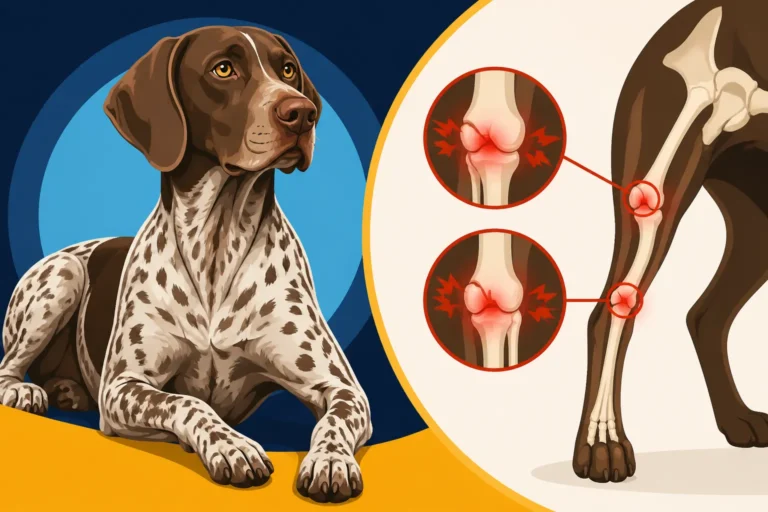
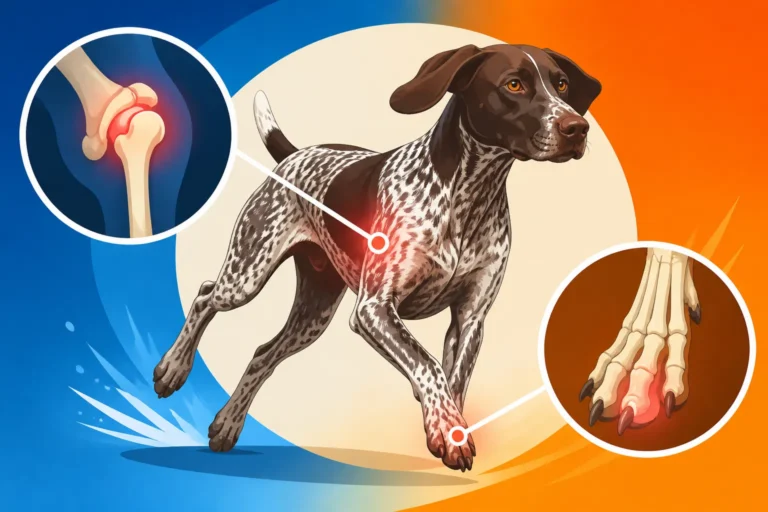
The swelling is due to an impaired lymphatic system, which is supposed to drain excess fluid (lymph) from the body's tissues. When this system isn't functioning correctly, fluid accumulates, leading to edema. The legs are most commonly affected, and you might notice that the swelling can fluctuate, sometimes appearing worse after exercise or a long period of standing. Beyond the visible swelling, affected puppies may experience pain, lameness, and a higher risk of secondary infections because the compromised skin and tissues are more vulnerable. You might see a puppy with Puffy Legs on a German Shorthaired Pointer Puppy, struggling to keep up with its littermates or showing discomfort when touched. The prognosis can vary, and sadly, for some, the condition doesn't improve, leading to long-term challenges. If you're wondering Whether Lymphedema in a Shorthair Puppy Improves, the answer is often "not fully," and it usually requires ongoing care.
The Genetic Basis of the Condition
When we talk about primary lymphedema, especially within a specific breed like the German Shorthaired Pointer, we're talking genetics. This isn't something a dog "catches"; it's something inherited, passed down through generations. While the exact genetic mechanisms can be complex and sometimes involve multiple genes, it's generally understood to have a hereditary component, meaning there's a fault in the genetic code that dictates how the lymphatic system develops or functions.
For breeders, this genetic link is crucial. It means that dogs carrying the problematic genes, even if they don't show symptoms themselves (i.e., they are carriers), can pass these genes on to their offspring. This is similar to how other inherited conditions like The Bleeding Disorder in German Shorthaired Pointer Lines or certain eye conditions are passed on. If two carriers are bred, there's a statistical chance that some puppies will inherit two copies of the faulty gene and thus develop the condition. This hidden aspect of carriers makes responsible breeding particularly challenging and underlines the importance of transparency and thorough health screening.
The Ethical Dilemma of Breeding Affected Lines
The core question—Whether a Lymphedema Shorthair Line Should Keep Being Bred—plunges us directly into a profound ethical dilemma. On one side, you have the potential suffering of animals and the burden on future owners. On the other, you might have beloved breeding animals, established lines, and the perceived "value" of certain traits. Navigating this space requires honesty, foresight, and a deep commitment to the welfare of the breed.
The Impact on Individual Pups and Owners
When a German Shorthaired Pointer puppy is born with primary lymphedema, the ripple effect is immense. For the puppy, it means a life often marked by chronic discomfort, potential pain, and limitations on its natural GSP exuberance. These are dogs bred for high energy, stamina, and a love for the outdoors. To have their movement restricted or to live with persistent swelling and the risk of infection is a cruel twist of fate.
For the unsuspecting owners, it's a profound emotional and financial strain. They fall in love with their new family member, only to face a lifelong medical journey. The costs can be staggering, encompassing regular vet visits, medications, specialized bandaging or massage therapy, and potentially even surgery in severe cases. While insurance providers like Healthy Paws can help manage unforeseen medical expenses, continuous care for a chronic condition adds up quickly, often exceeding what new owners anticipate when they calculate The First Year Bills on a German Shorthaired Pointer. Many owners have shared stories of struggling to afford the care, feeling guilty, and watching their beloved dog endure pain. This burden, whether intended or not, falls squarely on their shoulders, transforming the joyous experience of a new puppy into a challenging medical undertaking.
Considerations for the Breed's Future
Looking beyond the individual dog, continuing to breed from lymphedema-affected lines poses a serious threat to the overall health and genetic diversity of the German Shorthaired Pointer breed. Each time an affected dog or a known carrier is bred, the prevalence of the gene in the general population can increase. This isn't just about one puppy or one litter; it's about the breed's future legacy.
Breeders have a responsibility to not only produce healthy individual dogs but also to act as stewards of the breed. This means making tough decisions that prioritize long-term health over short-term gains or sentimental attachments to particular dogs. If a genetic condition becomes widespread, it can weaken the breed's overall vitality, making it more susceptible to other health problems and potentially leading to a decline in genetic diversity as breeders try to avoid affected lines. This balancing act—preserving desirable traits while aggressively culling genetic diseases—is the cornerstone of ethical breeding. Ignoring known hereditary conditions diminishes the breed's future and ultimately harms the reputation of responsible breeders.
Genetic Testing and Responsible Breeding Practices
The good news is that with advances in veterinary science and genetic understanding, breeders are better equipped than ever to make informed decisions. While direct genetic tests for primary lymphedema specific to GSPs are still an area of ongoing research for some forms, understanding the patterns of inheritance and leveraging available health screenings are critical components of responsible breeding. It’s about being proactive and transparent.
Identifying Carriers and Affected Dogs
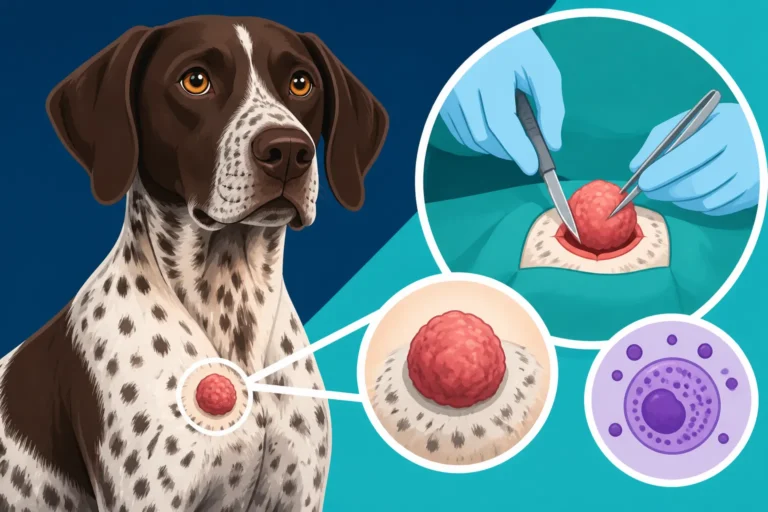
Currently, diagnosing primary lymphedema in GSPs typically involves clinical signs and diagnostic tests to rule out other causes of swelling. How Vets Diagnose Lymphedema in a German Shorthaired Pointer might involve physical exams, imaging (like lymphoscintigraphy), and biopsies. The challenge lies in identifying carriers – dogs that carry the gene but show no symptoms themselves. Without a direct genetic test for specific GSP lymphedema forms, identifying carriers is often inferred through pedigree analysis and the outcomes of previous breedings.
This means breeders must maintain meticulous records, tracking health outcomes across multiple generations. If a dog produces affected puppies with more than one mate, it strongly suggests that dog is a carrier, regardless of its own health status. Similarly, if multiple dogs in a specific pedigree repeatedly produce affected offspring, that line should be flagged for concern. This kind of careful tracking is an enormous undertaking but vital for preventing the spread of inherited conditions. It also emphasizes why breeders are often asked about the health history of a puppy's parents and grandparents, going far beyond just looking at a pretty face or impressive field titles.
Strategies for Reducing Incidence in a Line
Once a breeder identifies lymphedema in their lines, the path forward requires courage and a commitment to the breed's health. The primary goal should be to reduce or eliminate the incidence of the condition. This usually involves:
- Removing Affected Dogs from Breeding Programs: Any dog clearly diagnosed with primary lymphedema should absolutely not be bred. This is a non-negotiable step to prevent passing on the faulty genes.
- Careful Consideration of Carriers: This is where it gets more nuanced. If a dog is a confirmed carrier but has exceptional qualities (temperament, working ability, structure) that are valuable to the breed, a breeder might choose to breed it very selectively to a dog that is certified free of the lymphedema gene (if a test exists) or comes from lines with no known history of the disease. Any offspring from such a breeding would then need to be rigorously tested (if a test is available) or monitored, and ideally, only non-carrier offspring would be considered for future breeding. This strategy aims to retain valuable genetics while diligently working to breed out the undesirable trait.
- Outcrossing: Introducing new, healthy bloodlines can help dilute the presence of the faulty gene. This needs to be done carefully to ensure the new lines don't introduce other genetic problems.
- Open Communication and Transparency: Responsible breeders are open about health issues in their lines. They should provide detailed health guarantees, discuss potential risks with prospective buyers (as outlined in The Health Guarantee in a Shorthair Contract), and cooperate with researchers studying canine genetics. Organizations like the German Shorthaired Pointer Club of America (GSPCA) often encourage health screening beyond basic requirements, advocating for full transparency. Breeders participating in programs like the Orthopedic Foundation for Animals (OFA) and getting The Five Tests Behind a German Shorthaired Pointer CHIC Number demonstrate a commitment to health.
Here's a simplified table illustrating breeding outcomes based on carrier status:
| Dam Status | Sire Status | Offspring Outcome (Probability) | Ethical Breeding Action |
|---|---|---|---|
| Clear | Clear | 100% Clear | Ideal, low risk. |
| Clear | Carrier | 50% Clear, 50% Carrier | Acceptable with testing of offspring, only breed clear pups. |
| Carrier | Carrier | 25% Affected, 50% Carrier, 25% Clear | High risk, generally discouraged. If done, stringent testing and responsible placement of affected/carrier pups is vital. |
| Affected (shouldn't be bred) | Any | All offspring would be carriers or affected | Never breed an affected dog. |
It’s crucial for breeders to adhere to the strictest ethical guidelines, prioritizing the health and longevity of their puppies above all else. This often means making tough choices, like retiring a beloved dog from breeding or foregoing a highly anticipated litter, but it is the hallmark of a truly responsible breeder dedicated to the future of the German Shorthaired Pointer.
Supporting Dogs with Lymphedema and Their Owners
While the focus on breeding decisions aims to prevent future cases, we must also acknowledge the German Shorthaired Pointers already living with primary lymphedema and the dedicated owners who care for them. Their journey is often challenging, requiring ongoing commitment and resourcefulness. Providing support, both practical and financial, is crucial for these families.
Managing Symptoms and Improving Quality of Life
For a GSP diagnosed with primary lymphedema, there is currently no cure, but there are various management strategies to alleviate symptoms and improve their quality of life. The goal is to minimize swelling, prevent infections, and maintain as much mobility and comfort as possible. This often requires a multifaceted approach tailored to the individual dog's needs.
Treatment options might include:
- Manual Lymphatic Drainage (MLD) Massage: Gentle massage techniques performed by a veterinarian or certified canine physical therapist can help stimulate lymph flow and reduce swelling. Owners can often be taught how to perform these massages at home.
- Compression Therapy: Custom-fitted compression garments or bandages can help reduce fluid accumulation and provide support to the affected limbs. This is similar to how human patients manage lymphedema.
- Exercise: Moderate, regular exercise is important to stimulate lymphatic flow, but intense activity should be carefully monitored to avoid exacerbating swelling or causing injury to compromised tissues. Whether a Shorthair With SAS Should Be Exercised is a similar consideration of managing activity levels with a health condition.
- Hygiene and Infection Prevention: Meticulous skin care is paramount. The swollen tissues are prone to infection (cellulitis). Regular cleaning, application of prescribed topical treatments, and prompt veterinary attention for any signs of redness, heat, or increased pain are vital.
- Medication: Diuretics might be prescribed to help reduce fluid, although their effectiveness can vary. Antibiotics are necessary to treat secondary infections. Anti-inflammatory drugs can manage pain and discomfort.
- Weight Management: Keeping an affected GSP at a healthy weight minimizes additional strain on their lymphatic system and joints.
Each dog's response to treatment will differ, and it often involves a process of trial and error to find the most effective combination of therapies. It's a journey that requires patience, dedication, and a close working relationship with a knowledgeable veterinarian.
Financial Considerations and Support Resources
The reality is that managing a chronic condition like primary lymphedema can be incredibly expensive. From specialized therapies and ongoing medications to emergency vet visits for infections, The Vet Bills a Hunting German Shorthaired Pointer Earns can escalate dramatically, and even more so for a dog with a chronic condition. Many owners find themselves facing difficult financial decisions, which is why having support systems in place is so important.
- Pet Insurance: Investing in pet insurance early, before any conditions manifest, is a smart move for any dog owner. For GSPs, known for their athleticism and tendency for adventurous (and sometimes injury-prone) lifestyles, it's particularly wise. Companies like Healthy Paws offer comprehensive plans that can cover a significant portion of veterinary costs for accidents, illnesses, and sometimes even chronic conditions if they weren't pre-existing. It's worth researching different providers and plans to understand what conditions are covered and what the deductibles and reimbursement rates are.
- Payment Plans and Credit Options: Many veterinary clinics understand the financial strain of chronic illness and offer payment plans. There are also specialized credit options like CareCredit designed specifically for veterinary expenses.
- Breed-Specific Rescues and Charities: Some German Shorthaired Pointer rescues and breed clubs have funds or programs to assist owners with veterinary care for GSPs in need, especially for inherited conditions. Reaching out to organizations like the GSPCA or local GSP rescues can sometimes provide a lifeline.
- Support Groups: Connecting with other owners of GSPs with lymphedema or other chronic conditions can offer invaluable emotional support, practical tips, and shared experiences. Online forums and social media groups dedicated to GSPs or canine health conditions can be excellent resources.
Ultimately, ensuring a German Shorthaired Pointer with lymphedema has the best possible life requires a significant commitment of time, effort, and resources. By understanding the condition, implementing responsible breeding practices, and supporting affected dogs and their families, we can collectively work towards a healthier and happier future for this magnificent breed.
Disclaimer
The information provided in this article is for general informational purposes only and does not constitute veterinary advice. Always consult with a qualified veterinarian for any health concerns or before making any decisions related to your German Shorthaired Pointer's care or breeding program. Genetic conditions are complex, and personalized veterinary guidance is essential.