Swollen Legs on a Newborn German Shorthaired Pointer
Waking up to find your precious newborn German Shorthaired Pointer puppy with inexplicably swollen legs can be a truly terrifying experience. It’s a sight that immediately sends shivers down a responsible owner or breeder’s spine, leaving you with a knot of anxiety about what could be wrong with such a tiny, vulnerable creature. This comprehensive guide will meticulously explore the various reasons why a GSP puppy might develop swollen legs, from common causes to rarer genetic conditions, offering insights into diagnosis, treatment, and long-term care to help you navigate this distressing situation.
Understanding Swollen Legs in Newborn German Shorthaired Pointer Puppies
When you see swollen legs on a brand new German Shorthaired Pointer puppy, it’s far more than just a little puffiness. We’re talking about an abnormal enlargement that can affect one limb, several, or even all four, sometimes accompanied by other concerning symptoms. This isn’t something to observe and hope it goes away; it’s an urgent call to action because a puppy's system is so fragile, and any serious health issue can deteriorate rapidly.
What Swelling Looks Like in Tiny Paws and Limbs
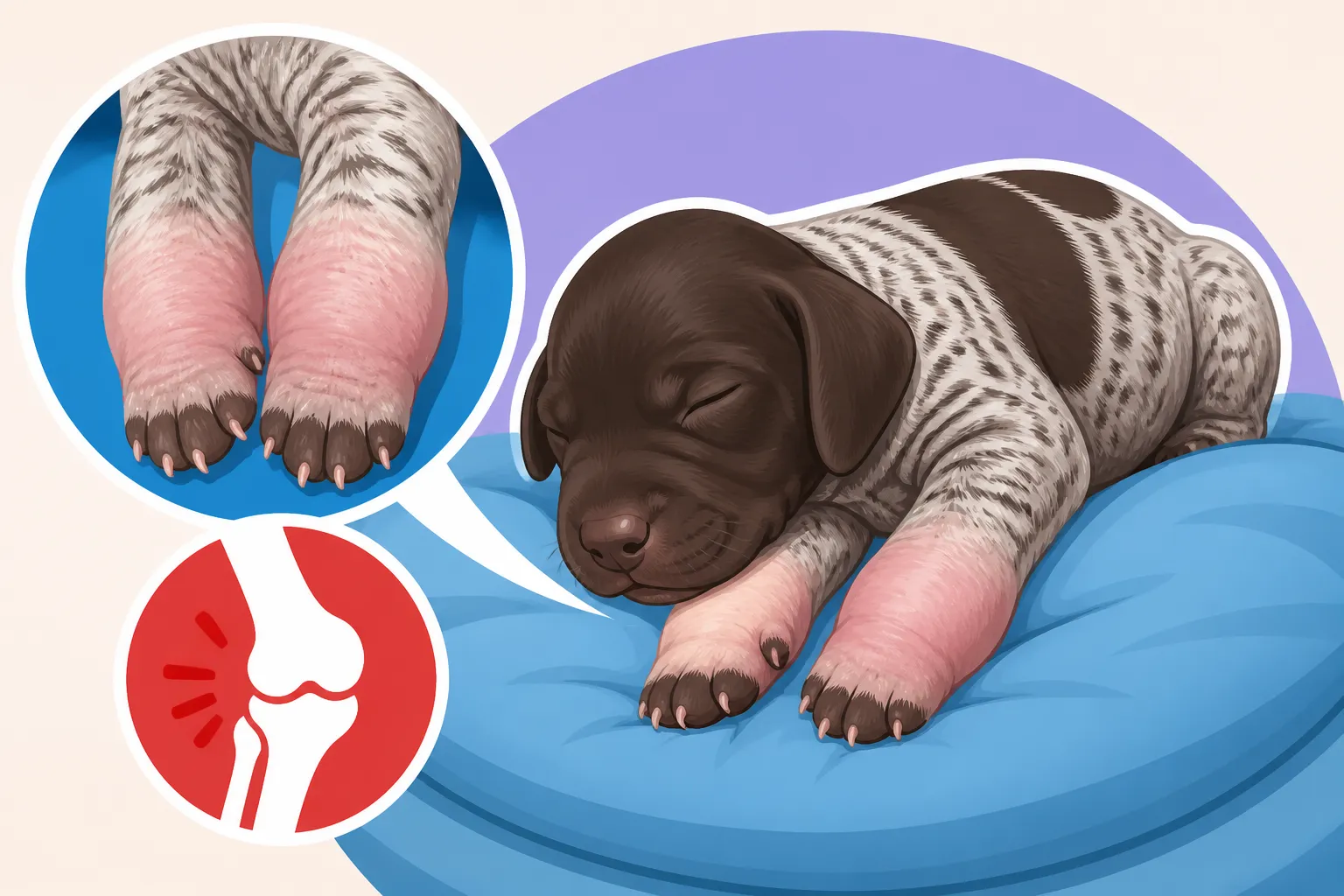
Imagine those tiny, delicate GSP puppy legs, still wobbly and new to the world. Swelling often appears as a noticeable increase in the circumference of the limb, making the skin look taut and sometimes shiny. You might press gently on the swollen area, and if it leaves an indentation that slowly fills back in, that's what veterinarians call "pitting edema," a strong indicator of fluid accumulation. Sometimes the skin around the swelling might also appear red, warm to the touch, or even bruised, depending on the underlying cause.
The swelling could be localized to just a paw, suggesting a minor injury or insect bite, or it might extend up the entire leg, indicating a more systemic problem. It's crucial to compare the affected limb to its opposite side, or to other littermates if available, to accurately assess the extent of the swelling. A good tip is to take a photo or video to show your vet, as puppies can change quickly, and the visual record can be incredibly helpful for diagnosis. Don't forget to check if the puppy is showing any discomfort when the limb is touched, as pain can point towards trauma or infection.
Why Swelling is an Urgent Concern for Neonates
For adult dogs, a swollen leg might warrant a watchful eye for a day or two, but for a newborn puppy, it's an immediate emergency. Puppies have immature immune systems, making them highly susceptible to infections that can spread rapidly and become life-threatening. Their circulatory and lymphatic systems are still developing, which means fluid imbalances or blockages can have profound effects on their tiny bodies. Moreover, newborns have limited energy reserves, so any illness quickly drains their strength, making them vulnerable to hypothermia and hypoglycemia.
A swollen limb can also impede their ability to nurse effectively, which is critical for their growth and immune system development through colostrum. If a puppy can't reach its mother's teats or is too weak to suckle, it quickly becomes dehydrated and malnourished. This cascade of events underscores why veterinarians emphasize swift intervention when dealing with any significant health concern in a neonate, especially something as visible and potentially debilitating as limb swelling. Early diagnosis and appropriate treatment can make all the difference in a newborn GSP's chance of survival and long-term health.
Common Causes of Swollen Legs in German Shorthaired Pointer Puppies
Discovering swollen legs on a newborn German Shorthaired Pointer puppy is genuinely alarming, and it's natural to immediately jump to the worst conclusions. While some causes are indeed serious, understanding the various possibilities can help you provide crucial information to your veterinarian and prepare for the diagnostic journey ahead.
Congenital Lymphedema: A Genetic Predisposition
One of the more frustrating and often heartbreaking causes of swollen legs in GSP puppies is congenital lymphedema, sometimes referred to as primary lymphedema. This condition occurs when the lymphatic system, responsible for draining excess fluid from tissues, doesn't develop correctly. Instead of the fluid being efficiently moved back into the bloodstream, it accumulates in the tissues, leading to chronic swelling. In German Shorthaired Pointers, this can manifest as early as birth or within the first few weeks of life, often affecting one or more limbs, but sometimes even other parts of the body. You might see a puppy with significantly thicker or "puffy" legs compared to its littermates.
Unfortunately, this is often a genetic issue, and affected puppies may have a challenging road ahead. Learning about Primary Lymphedema in a German Shorthaired Pointer Litter can provide more context on how this condition presents within a breeding line. While medical management can sometimes help control the swelling, there is no cure. This can be a devastating diagnosis for breeders and owners, as the quality of life for severely affected puppies can be significantly compromised. The condition can be very difficult to manage, leading to secondary skin infections due to the fluid accumulation and potential mobility issues.
Infections and Inflammation: Bacterial Invaders
Another prevalent cause of swelling, especially in vulnerable newborns, is infection. Puppies are born with very little immune protection, relying heavily on the antibodies received from their mother's colostrum. If proper hygiene isn't maintained in the whelping box, or if a puppy sustains a tiny scratch or puncture wound, bacteria can easily enter and set up an infection. This localized infection, often called cellulitis, can cause significant inflammation and fluid buildup, leading to noticeable swelling, redness, warmth, and pain in the affected limb.
Pups can also get navel infections if the umbilical cord isn't cared for properly after birth, and these infections can sometimes track internally or spread, causing swelling in adjacent areas or even systemic illness. Septic arthritis, an infection within a joint, can also cause swelling and extreme lameness in a puppy's leg. In such cases, the puppy will likely be lethargic, run a fever, and have a poor appetite. Rapid veterinary intervention with antibiotics is critical to prevent the infection from overwhelming their tiny bodies. Ignoring these signs can quickly lead to sepsis, a life-threatening full-body infection, which is why any suspicion of infection must be addressed immediately.
Trauma and Injury: Accidents in the Whelping Box
Even in the safest environments, accidents can happen, especially with a litter of active, squirming puppies. A mother dog might accidentally step on a limb, or a boisterous littermate could cause a minor injury during play. While newborn GSPs are resilient, their bones are still soft, and their ligaments are delicate. A sprain, bruise, or even a hairline fracture could cause localized swelling and pain.
Sometimes, a limb might get tangled in bedding, or a tight piece of string or hair could inadvertently wrap around a leg, cutting off circulation. This is known as a "constriction injury" or "tourniquet effect" and can quickly lead to severe swelling, tissue damage, and even loss of the limb if not discovered and corrected promptly. Checking a puppy over after a hunt or even just daily handling, as described in Checking a German Shorthaired Pointer Over After a Hunt, should extend to puppies too, as it ensures you catch minor issues before they become major. These types of injuries require careful examination and often X-rays to determine the full extent of the damage.
Other Systemic Issues: Heart, Kidney, or Liver Problems
While less common in newborns, systemic health issues can sometimes manifest as swollen limbs due to fluid retention. Conditions affecting the heart, kidneys, or liver, though rare to present acutely with only swollen legs at birth, could contribute to generalized edema. For instance, a puppy born with a severe congenital heart defect, such as The Heart Murmur a German Shorthaired Pointer Puppy Can Carry, might struggle with fluid regulation. Though typically heart murmurs are identified through auscultation, in severe cases, reduced cardiac function could lead to fluid buildup in the extremities.
Similarly, an underdeveloped or malfunctioning kidney or liver could impair the body's ability to process fluids and toxins, leading to edema. While these conditions would likely present with a host of other severe symptoms beyond just swollen legs (such as lethargy, poor growth, difficulty breathing, or jaundice), they are part of a thorough diagnostic workup if other causes are ruled out. This is why a comprehensive examination by a veterinarian is always the first and most critical step when dealing with an unwell neonate.
Recognizing the Signs and When to Seek Veterinary Help
When it comes to newborn German Shorthaired Pointer puppies, every minute counts. Their tiny bodies are incredibly fragile, and what might seem like a minor issue in an adult dog can quickly become life-threatening for a neonate. Spotting the subtle clues and knowing exactly when to call the vet is paramount for their survival and well-being.
Observing Your Puppy Beyond Just the Swelling
While the swollen leg is the obvious sign, a truly astute owner or breeder will look for a constellation of other symptoms. Is the puppy still nursing vigorously, or has its appetite decreased? A healthy newborn GSP puppy should be squirming, rooting for a teat, and gaining weight steadily. If your pup is lethargic, not actively seeking milk, or falling behind its littermates in terms of weight gain, this is a huge red flag. Check their gum color – healthy gums are a moist, salmon pink. Pale or bluish gums indicate a serious problem with circulation or oxygenation.
Listen to their breathing. Is it rapid, shallow, or labored? Are there any audible wheezes or crackles? Feel their body temperature; a healthy puppy should feel warm to the touch. A cold puppy is in distress and needs immediate warming. Pay attention to their cry as well; a weak, continuous whimper or an absence of crying could signal pain or severe illness. Also, watch for signs of pain when the swollen leg is gently touched or moved. This might manifest as yelping, flinching, or trying to pull the limb away. Any combination of these symptoms with swollen legs elevates the urgency of the situation significantly.
Deciding When It's an Emergency Versus a Concern
Let's be clear: a swollen leg on a newborn GSP puppy is almost always an emergency. There's very little room for a "wait and see" approach with such young animals. If you notice any swelling, coupled with even one of the following symptoms, you need to call your veterinarian immediately:
- Lethargy or weakness: The puppy isn't moving much, isn't reacting to stimuli, or feels limp.
- Lack of appetite or failure to nurse: The puppy isn't latching on or is refusing to suckle.
- Persistent crying or whimpering: Indicates pain or severe distress.
- Cold to the touch: A core body temperature below normal (newborns are usually around 95-97°F in the first week, rising to 98-100°F after that).
- Difficulty breathing: Open-mouthed breathing, rapid breaths, or obvious effort when breathing.
- Pale or blue gums: A sign of poor circulation or lack of oxygen.
- Non-weight bearing on the affected limb: If the puppy can't put any pressure on the leg.
Even if the puppy seems otherwise bright and active, but the swelling is significant or worsens, a prompt veterinary visit is still crucial. What might appear as a minor issue can escalate quickly, and only a professional can accurately diagnose the cause and recommend appropriate treatment. It's far better to err on the side of caution and get your puppy checked out than to regret delaying care.
Preparing for Your Emergency Vet Visit
When you realize you need to rush your little GSP to the vet, a bit of preparation can make the visit more efficient. First, gather as much information as possible:
- When did you first notice the swelling?
- Has it changed in size or appearance?
- Are there any other symptoms (as discussed above)?
- Is the puppy eating, drinking, and eliminating normally?
- Has there been any potential trauma, even minor?
- Any family history of similar issues in the litter or parents?
- What is the mother's vaccination status and overall health?
It's also a good idea to bring the entire litter if possible, or at least a healthy littermate, for comparison. This can help the vet assess normal puppy behavior and growth. Keep the puppy warm during transport. A small box with a warm blanket or a hot water bottle (wrapped in a towel to prevent direct contact) can help maintain their core temperature. In an emergency, managing the financial aspect can add to the stress. Knowing your pet insurance options, like those from Healthy Paws, beforehand can provide peace of mind in these critical moments, covering unexpected veterinary bills. Having all this information ready will allow your veterinary team to quickly get to the root of the problem and give your tiny German Shorthaired Pointer the best chance at recovery.
Veterinary Diagnosis and What to Expect
When you bring a newborn German Shorthaired Pointer puppy with a swollen leg to the veterinarian, the diagnostic process is often swift and thorough, aimed at identifying the underlying cause as quickly as possible. The stakes are incredibly high for such tiny patients, so vets move with precision and urgency.
Initial Examination and History Taking
The first step, as with any veterinary visit, will be a comprehensive physical examination. The vet will carefully palpate the swollen limb, assessing for pain, warmth, crepitus (a crackling sound that might indicate a fracture), and the extent and type of swelling (pitting vs. non-pitting edema). They’ll also examine the puppy’s overall condition: checking hydration, mucous membrane color, heart rate, respiratory rate, and body temperature. Special attention will be paid to the umbilical area to rule out omphalitis (navel infection), and the mouth will be checked for any signs of congenital defects.
Crucially, the vet will ask you a series of detailed questions. This history includes when you first noticed the swelling, if it's progressed, if other littermates are affected, the mother's health and vaccination history, any known exposure to trauma, and how the puppy is behaving (nursing, activity level, eliminations). Information about the breeding line, specifically if there's any history of conditions like The Bleeding Disorder in German Shorthaired Pointer Lines or other congenital issues, can also be incredibly important. Don't be surprised if they ask about how the litter was born, the hygiene of the whelping box, and even the type of bedding used. Every detail you can provide helps paint a clearer picture.
Diagnostic Tests: Getting to the Root Cause
Depending on the initial findings, your veterinarian will recommend specific diagnostic tests. Given the fragility of puppies, these tests are carefully selected to be as minimally invasive as possible while providing maximum information.
- Radiographs (X-rays): These are commonly performed to check for fractures, dislocations, or other bone abnormalities that might be causing the swelling. Even tiny hairline fractures can be visible on an X-ray. It can also sometimes reveal foreign objects or signs of severe infection within the bone.
- Blood Work: A small blood sample can provide vital information. A complete blood count (CBC) can reveal signs of infection (elevated white blood cells) or anemia. A biochemistry panel might assess organ function (kidneys, liver) if systemic issues are suspected. While collecting blood from a neonate can be challenging due to their small veins, it's often essential.
- Aspiration or Biopsy: If a specific localized swelling, mass, or abscess is noted, the vet might perform a fine needle aspirate (FNA) to collect cells or fluid for microscopic examination. This can help differentiate between infection, sterile fluid accumulation, or even rare tumors. In cases of suspected lymphedema, a skin biopsy might be considered, though often diagnosis relies heavily on exclusion of other causes and clinical signs.
- Culture and Sensitivity: If an infection is suspected, samples of fluid or tissue might be sent to a lab for bacterial culture. This identifies the specific bacteria causing the infection and determines which antibiotics will be most effective against it, ensuring targeted treatment.
- Ultrasound: In some cases, an ultrasound of the affected limb can help visualize soft tissue structures, fluid pockets, or blood flow issues that X-rays might miss. It can also be used to assess internal organs if a systemic cause of fluid retention is suspected, like evaluating the heart for Subaortic Stenosis in a Young German Shorthaired Pointer which, in very rare, severe congenital cases, could contribute to widespread edema.
Navigating the diagnostic process can be stressful and costly. Many owners find value in having pet insurance like Healthy Paws, which can help cover these unexpected expenses, ensuring you can make the best decisions for your puppy's health without financial worry. Discussing potential costs and options with your vet beforehand is always a good idea, as they can explain what The Vet Bills a Hunting German Shorthaired Pointer Earns can entail, even for a non-hunting puppy facing a medical crisis.
Treatment Approaches for Swollen Legs in Shorthair Puppies
Once your veterinarian has pinpointed the cause of your German Shorthaired Pointer puppy's swollen leg, they will devise a treatment plan. The approach will vary significantly depending on the diagnosis, ranging from simple supportive care to complex medical interventions. Remember, the goal is always to provide the best chance of recovery for these fragile little lives.
Managing Infections and Trauma
If the swelling is due to a bacterial infection, whether localized or systemic, prompt administration of antibiotics is paramount. Your vet will likely start with a broad-spectrum antibiotic while awaiting culture results, then switch to a more targeted drug if needed. These medications might be given orally, or in severe cases, by injection. Alongside antibiotics, supportive care is crucial. This includes maintaining the puppy's body temperature, ensuring adequate hydration (sometimes via subcutaneous fluids), and providing nutritional support, possibly through tube feeding if the puppy is too weak to nurse. Local wound care, if present, will involve cleaning and dressing the area to prevent further contamination and promote healing.
For trauma-related swelling, such as a sprain or a minor fracture, pain management is a key component. Puppies, like any animal, experience pain, and alleviating it helps them conserve energy for healing and encourages them to nurse. Depending on the injury, immobilization might be necessary, using a small splint or bandage. These must be applied very carefully by a vet, as improper bandaging can worsen swelling or cut off circulation. Regular checks are essential to ensure the splint isn't too tight and that the puppy isn't trying to chew it off. In cases of constriction injuries, immediate removal of the offending material is critical, followed by careful monitoring of the limb for blood flow and tissue viability.
Addressing Congenital Lymphedema
Treating congenital lymphedema in a German Shorthaired Pointer puppy is a lifelong commitment, as there is no cure for the underlying lymphatic system dysfunction. The focus shifts to managing the swelling and preventing secondary complications. Learning How Vets Diagnose Lymphedema in a German Shorthaired Pointer will highlight that diagnosis often relies on ruling out other causes and observing clinical signs. Initial management might include gentle massage to help move lymphatic fluid, specialized compression bandages or garments designed for tiny limbs, and physical therapy exercises. However, these are often challenging to apply effectively and consistently on a rapidly growing, active puppy.
Medications might be prescribed to help reduce fluid retention, such as diuretics, but these must be used with extreme caution in puppies to avoid dehydration. Preventing secondary skin infections is also critical, as the swollen tissues are more prone to breaks in the skin and bacterial colonization. This often involves meticulous hygiene, regular inspection of the skin, and sometimes prophylactic antibiotics if infections become a recurring problem. The prognosis for puppies with severe lymphedema can be guarded, but with dedicated care, some can lead comfortable lives. It's important to understand that Whether Lymphedema in a Shorthair Puppy Improves varies greatly, and many will require ongoing management.
Supportive Care and Monitoring
Regardless of the underlying cause, all sick newborn puppies require intensive supportive care. This includes:
- Temperature regulation: Keeping them warm in an incubator or on a heating pad set to a safe temperature. Hypothermia is a silent killer in neonates.
- Hydration: Ensuring they receive enough fluids, either by nursing, bottle-feeding, or subcutaneous/intravenous fluid administration if dehydrated.
- Nutrition: Closely monitoring weight gain and ensuring they are consuming enough calories. If the mother isn't producing enough milk or the puppy can't nurse, supplemental feeding with a high-quality puppy formula is necessary.
- Hygiene: Keeping the puppy and its environment clean to prevent secondary infections.
- Pain management: Administering appropriate pain relief as prescribed by the vet.
- Close monitoring: Frequent checks for changes in swelling, breathing, activity level, and appetite.
Your vet will provide detailed instructions on home care, which is a vital part of the treatment plan. It’s an exhausting but rewarding endeavor, and partnering closely with your veterinary team is essential. Remember, veterinary care can be expensive, especially for critical neonates. Having a robust pet insurance plan like Healthy Paws can truly alleviate the financial burden, allowing you to focus on your puppy's recovery rather than the looming costs. They are designed to assist with these unforeseen medical emergencies, providing a safety net when your little GSP needs it most.
Long-Term Outlook and Management for Affected Pups
Receiving a diagnosis for your German Shorthaired Pointer puppy's swollen legs is just the beginning. The long-term outlook and ongoing management can vary dramatically depending on the specific condition, and it's essential to have realistic expectations and a committed plan for care.
Prognosis Based on Diagnosis
The long-term prognosis for a GSP puppy with swollen legs is heavily dependent on the underlying cause.
- Infections and Minor Trauma: For puppies treated successfully for bacterial infections or minor traumatic injuries, the prognosis is generally excellent. Once the infection is cleared or the injury heals, most puppies go on to lead normal, healthy lives with no lasting effects. Prompt and aggressive treatment is key here.
- Severe Trauma or Extensive Damage: If the trauma was severe, leading to extensive tissue damage, nerve damage, or complex fractures, the prognosis becomes more guarded. There might be a need for specialized orthopedic surgery, extensive physical therapy, or in the worst cases, amputation. Such puppies may face lifelong limitations, even with the best care.
- Congenital Lymphedema: The prognosis for congenital lymphedema is more challenging. As a chronic, incurable condition, management focuses on comfort and preventing secondary issues. Many puppies with mild cases can thrive with diligent owner care, experiencing only cosmetic swelling. However, severely affected puppies may struggle with recurrent infections, mobility issues, and pain, leading to a significantly reduced quality of life. Unfortunately, some severe cases may necessitate euthanasia if comfort cannot be maintained. This is a difficult conversation, but your veterinarian will guide you through the ethical considerations if it comes to that.
Ongoing Care and Potential Complications
For those puppies with conditions requiring ongoing management, careful daily routines become crucial.
- Lymphedema Management: Puppies diagnosed with lymphedema will need lifelong management. This often involves daily gentle massage, careful monitoring of skin health, and prompt treatment of any skin infections that arise. Some owners might explore custom compression garments as they grow, though finding suitable ones for active GSPs can be tough. Regular vet check-ups are essential to monitor the condition, adjust treatments, and manage any emerging issues. It's a journey, and supporting your pup often means modifying their exercise routines slightly to avoid over-exertion that could worsen swelling. You may be interested in Whether a Lymphedema Shorthair Line Should Keep Being Bred as it's a serious genetic consideration for any breeding program.
- Post-Injury Rehabilitation: Puppies recovering from significant injuries might benefit from physical therapy or hydrotherapy once cleared by the vet. These therapies can help restore muscle strength, improve range of motion, and prevent stiffness. Maintaining a healthy weight is also vital to reduce stress on healing joints and limbs, much like how important it is to keep older GSPs moving comfortably, as discussed in Helping a Stiff Old German Shorthaired Pointer Get Up.
- Monitoring for Recurrence: Even after an infection or minor injury, it's wise to remain vigilant. Keep an eye out for any signs of recurring swelling, lameness, or changes in behavior. German Shorthaired Pointers are stoic and can hide discomfort, especially if they are highly driven. Consistent daily checks, as mentioned when discussing Checking a German Shorthaired Pointer Over After a Hunt, should be part of your routine.
It's a huge emotional and financial commitment to care for a puppy with chronic health issues. This is where comprehensive pet insurance like Healthy Paws truly shines, offering crucial financial support for ongoing treatments, medications, and specialist consultations. Knowing you have this safety net can make the difference in being able to provide the best possible care for your beloved GSP.
Quality of Life Considerations
When dealing with chronic or severe conditions, considering your puppy's quality of life is paramount. A good quality of life means a puppy is generally comfortable, can interact, eat, play, and engage in normal puppy behaviors without significant pain or distress. If a condition severely limits a puppy's ability to move, causes chronic pain that can't be controlled, or leads to persistent, debilitating secondary issues, difficult decisions may need to be made.
Your veterinary team will be your best resource in assessing quality of life. They can offer objective perspectives and help you weigh the pros and cons of continued treatment. While it's heartbreaking to consider, the most loving choice is always to prioritize the puppy's well-being and comfort over our own desires. Understanding the realities of the condition and having open, honest conversations with your vet and family is crucial in ensuring your GSP puppy's future, whatever it may hold, is as comfortable and happy as possible.
Prevention and Responsible Breeding Practices
While some health issues in German Shorthaired Pointers are simply unpredictable, there are proactive steps that owners and breeders can take to minimize the risk of conditions like swollen legs in newborn puppies. Prevention often starts long before a puppy is even conceived, extending into the critical first weeks of life.
Responsible Breeding: Health Clearances and Genetics
For breeders, responsible practices are the cornerstone of preventing inherited conditions. This means thoroughly researching the pedigrees of potential breeding dogs and ensuring they have all recommended health clearances. While there isn't a specific genetic test for all forms of lymphedema, being aware of any incidence in a breeding line is critical. Any dog that has produced puppies with confirmed congenital lymphedema should be carefully evaluated as a breeding candidate, and certainly, affected puppies should never be bred. Transparency between breeders about health issues is vital for the overall health of the breed.
Furthermore, general good health practices for breeding dogs, such as appropriate nutrition, regular veterinary check-ups, and managing any existing health conditions, contribute to the health of the resulting litter. Understanding the cost implications of health testing, like What Testing Adds to a German Shorthaired Pointer Litter, can help breeders prepare and invest in these essential steps to ensure the puppies they produce are as healthy as possible. Comprehensive health guarantees in puppy contracts also demonstrate a breeder's commitment to responsible practices and support new owners should unforeseen issues arise.
Optimal Whelping Box Management and Hygiene
The environment in which puppies are born and raised during their first few weeks plays a massive role in preventing infections and injuries. A clean, warm, and secure whelping box is non-negotiable.
- Sterile Environment: Ensure the whelping area is meticulously cleaned and disinfected before the mother dog gives birth. Use puppy-safe disinfectants and allow surfaces to dry completely.
- Clean Bedding: Provide fresh, clean bedding that is changed frequently. Old towels or washable whelping pads work well. Avoid bedding that can easily snag or wrap around tiny limbs, leading to constriction injuries.
- Temperature Control: Maintain an appropriate ambient temperature in the whelping box, usually around 85-90°F (29-32°C) for the first few days, gradually reducing it as the puppies grow. A healthy temperature helps prevent chilling, which can suppress the immune system and make puppies more susceptible to infection.
- Umbilical Cord Care: After birth, the umbilical cord stump needs careful attention. Your vet can advise on proper drying agents or sterile clamps to prevent infection. Keep the area clean and dry until the stump naturally falls off. Any redness, swelling, or discharge around the navel should be immediately evaluated by a vet.
- Supervision: Close supervision of the mother and puppies, especially during the first few days, is crucial. This helps prevent accidental crushing by the mother, identify any struggling puppies, and catch injuries or illnesses early. Regular individual puppy checks can help identify issues before they become severe.
Early Detection and Immediate Veterinary Care
Even with the best preventative measures, issues can still arise. The next best thing to prevention is early detection and rapid intervention.
- Daily Health Checks: Make a habit of performing a quick health check on each puppy daily. This includes gently feeling their legs for any swelling, checking their mouths for gum color, listening for any unusual breathing, and observing their activity levels and nursing behavior. Weighing puppies daily can also alert you to problems, as failure to gain weight or weight loss is a significant indicator of illness.
- Educating Buyers: For breeders, it's vital to educate new owners about what to watch for in a young puppy, particularly concerning health and behavior. Providing clear instructions on normal puppy development and when to contact a vet can empower new owners to act quickly if something seems amiss.
- Financial Preparedness: As an owner, understand that accidents and illnesses can happen, even to the healthiest puppies. Having an emergency fund or pet insurance, like Healthy Paws, in place for your German Shorthaired Pointer from day one can make all the difference in affording life-saving veterinary care. Their policies often cover accidents and illnesses, giving you peace of mind that you won't have to choose between your puppy's health and your wallet when urgent care is needed. This financial preparedness allows you to act on that gut feeling that something is wrong without delay, which, in the case of a newborn, can literally mean the difference between life and death.
By combining diligent breeding practices, meticulous care of the whelping environment, and swift action when concerns arise, we can significantly improve the chances of our German Shorthaired Pointer puppies growing into healthy, thriving adults.
Important Considerations for Owners and Breeders
Beyond the medical aspects, there are significant considerations for both owners and breeders when a German Shorthaired Pointer puppy develops swollen legs. These often revolve around ethical decisions, the financial impact, and the long-term well-being of the dog and the breeding program.
Ethical Decisions for Severely Affected Puppies
This is perhaps the hardest part of dealing with a severely ill newborn puppy. If a GSP puppy is diagnosed with a condition like severe congenital lymphedema, where pain is unmanageable, mobility is severely compromised, or recurrent infections make a good quality of life impossible, ethical euthanasia must be considered. This decision is heartbreaking and gut-wrenching, but it is sometimes the most compassionate choice to prevent prolonged suffering. Your veterinarian will guide you through this difficult process, providing an honest assessment of the puppy's prognosis and quality of life. They can help you understand that sometimes, letting go is an act of profound love.
For breeders, this also involves a critical look at the breeding lines. If a genetic condition is identified, deciding whether to continue breeding the affected parents or their close relatives becomes an ethical responsibility. This might mean making tough decisions about removing certain dogs from a breeding program to prevent passing on inherited diseases, a commitment reflected in responsible breeding practices and the health guarantees within a The Health Guarantee in a Shorthair Contract. The goal should always be to improve the health and welfare of the breed.
Financial Strain of Intensive Care
Caring for a critically ill newborn puppy, especially one requiring intensive diagnostics, medication, and possibly ongoing therapy, can be incredibly expensive. Diagnostic tests, specialized treatments, and 24/7 veterinary supervision can quickly accumulate bills that run into thousands of dollars. As mentioned earlier, proactive financial planning, whether through an emergency fund or pet insurance, is crucial.
Pet insurance providers like Healthy Paws offer coverage that can significantly offset these costs, allowing you to focus on your puppy's recovery without the added burden of overwhelming vet bills. It’s worth looking into plans early, even before you bring a new puppy home, because pre-existing conditions are typically not covered. This means if the swollen leg issue arises after you have the policy in place, it’s more likely to be covered. Understanding the potential financial commitment for a dog that might need specialized care, much like considering the initial investment when looking at German Shorthaired Pointer Prices in the Upper Midwest, is a vital part of responsible pet ownership.
Support Systems for Owners and Breeders
Navigating the emotional and financial challenges of a sick puppy can be isolating. It’s important to remember you don’t have to go through it alone.
- Veterinary Team: Your vet and their staff are not just medical professionals; they are also a vital source of support. Don't hesitate to ask questions, express your concerns, and lean on their expertise. They are there to help both you and your puppy.
- Breeder Networks: For breeders, connecting with other experienced GSP breeders can provide invaluable support, advice, and shared knowledge, especially concerning genetic health issues within the breed.
- Online Communities: Reputable online forums and social media groups dedicated to German Shorthaired Pointers or specific health conditions can offer a community of understanding individuals who have faced similar challenges. However, always exercise caution with medical advice from non-professionals and consult your vet for any health-related decisions.
- Pet Loss Support: If the worst should happen, many veterinary clinics and organizations offer pet loss support services, including grief counseling. Allowing yourself to grieve is important, and these resources can provide comfort during a profoundly difficult time.
Ultimately, dealing with swollen legs on a newborn German Shorthaired Pointer puppy is a journey filled with uncertainty, hope, and sometimes heartbreak. But with knowledge, preparation, and a strong support system, you can ensure you are doing everything possible for these courageous little dogs.
Table: Overview of Swollen Legs in GSP Puppies
This table summarizes key information for quick reference regarding the potential causes of swollen legs in newborn German Shorthaired Pointers, their typical signs, and immediate actions to take.
| Cause of Swelling | Typical Signs | Urgency Level | Initial Owner Actions (After Vet Call) |
|---|---|---|---|
| Congenital Lymphedema | Persistent, often bilateral, non-painful swelling; "puffy" limbs; sometimes present at birth or within first few weeks; no clear injury. | HIGH | Keep puppy warm, ensure nursing/hydration, monitor other symptoms, gather family history. |
| Infection (Cellulitis, Abscess, Septic Arthritis) | Localized swelling, often warm, red, painful to touch; puppy may be lethargic, feverish, not nursing; signs of wound or puncture. | URGENT | Isolate from littermates, keep warm, encourage nursing/hydration, avoid touching infected area. |
| Trauma (Sprain, Fracture, Constriction) | Swelling often localized; puppy may be painful, lame, reluctant to move limb; history of accident (stepped on, caught in bedding). | URGENT | Handle puppy gently, keep warm, ensure nursing, do NOT attempt to splint or manipulate limb. |
| Systemic Issues (Heart/Kidney/Liver Disease) | Generalized swelling, often accompanied by severe lethargy, poor appetite, difficulty breathing, pale gums, poor growth. | CRITICAL | Keep puppy warm, ensure nursing/hydration, provide calm environment, monitor vitals if safe to do so. |
Disclaimer
The information provided in this article is for educational and informational purposes only, and does not constitute veterinary advice. It is not intended to be a substitute for professional veterinary diagnosis, treatment, or care. Always seek the advice of a qualified veterinarian for any questions you may have regarding a medical condition or treatment for your German Shorthaired Pointer puppy. Never disregard professional veterinary advice or delay in seeking it because of something you have read in this article. In the event of an emergency, contact your veterinarian or an emergency veterinary clinic immediately.