Whether a Shorthair Needs a Rattlesnake Vaccine
It's a heartbreaking reality that our intrepid German Shorthaired Pointers, with their boundless energy and insatiable curiosity, often find themselves in situations that put them at risk. For many of us living in or recreating in areas where venomous snakes, particularly rattlesnakes, are common, the thought of our beloved companion encountering one can be truly terrifying. This guide aims to thoroughly explore whether a rattlesnake vaccine is a necessary layer of protection for your GSP, weighing the benefits against the considerations, and helping you make an informed decision for your adventurous dog.
Understanding the Rattlesnake Vaccine for Your GSP
The world of canine vaccinations can feel overwhelming, with core vaccines, non-core vaccines, and regional considerations. When it comes to rattlesnakes, the vaccine often sparks a lot of questions among GSP owners. It's not as straightforward as a rabies shot, and understanding how it works and what it truly offers is key to deciding if it's right for your dog.
How the Rattlesnake Vaccine Functions
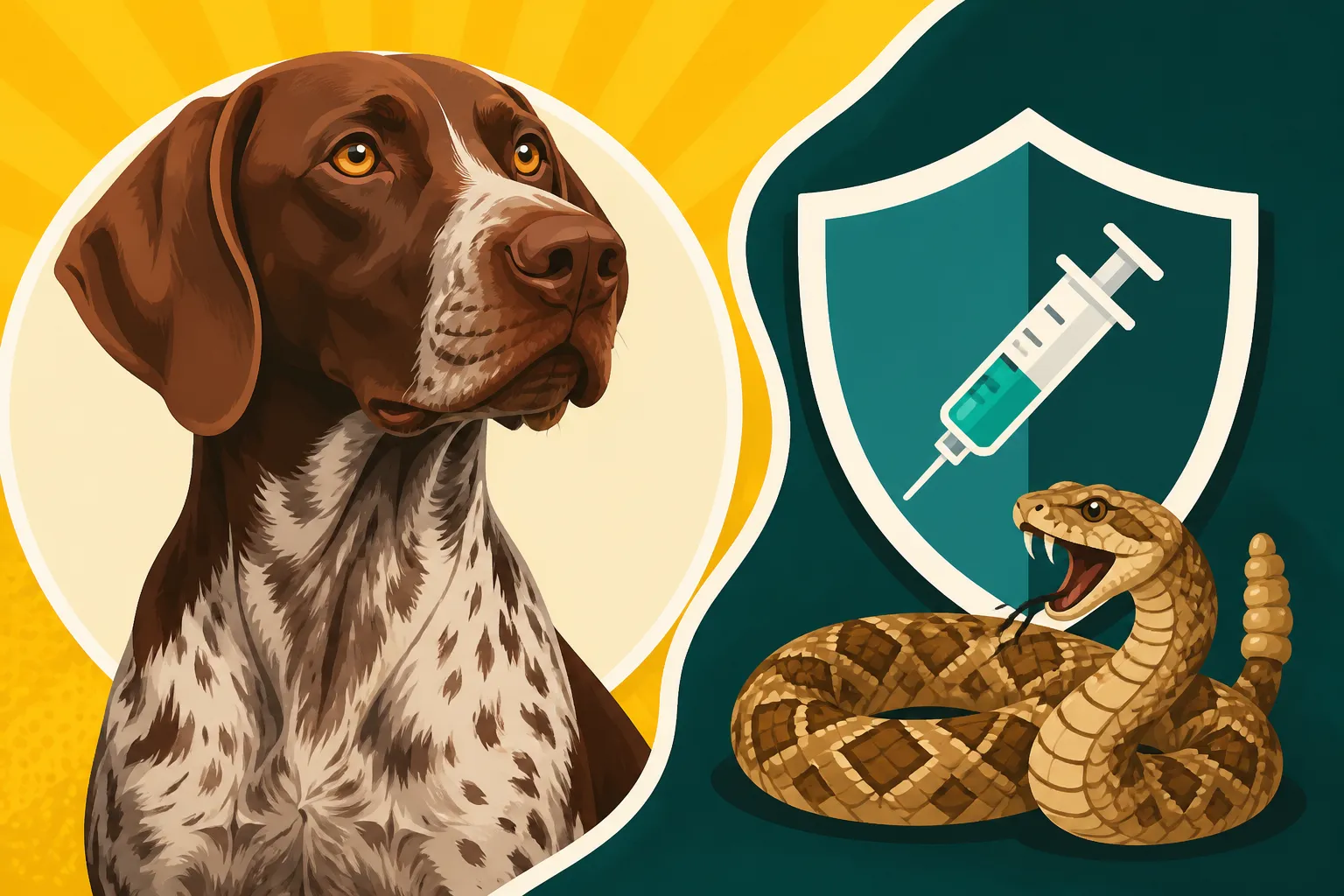
Let's get one thing straight right away: the rattlesnake vaccine is not a magic bullet that prevents bites or makes your dog immune to venom. That's a common misconception, and it's vital to set realistic expectations. What this vaccine, typically a Crotalus Atrox Toxoid, aims to do is to help your dog's immune system develop antibodies against certain components of rattlesnake venom. Think of it like a primer for their immune system.
When a vaccinated dog is bitten, these pre-existing antibodies can help neutralize some of the venom's toxins more quickly. This can lead to a less severe reaction, potentially slowing the spread of the venom and reducing tissue damage. For a German Shorthaired Pointer, whose drive often leads them headfirst into dense cover where snakes might hide, this could be the difference between a panicked sprint to the emergency vet and having a bit more precious time. It doesn't mean you can skip the vet entirely, but it might give you a slightly larger window for intervention and potentially make the subsequent treatment more effective.
Types and Specificity of Rattlesnake Vaccines
Currently, the primary rattlesnake vaccine available is designed to protect against the venom of the Western Diamondback Rattlesnake (Crotalus atrox). This is important because while it offers some cross-protection against other rattlesnake species (like Mojave, Timber, or Prairie rattlesnakes) and possibly even copperheads, it's not a universal antidote. Different snake species have varying venom compositions, so the effectiveness can differ.
This specificity means that if you live in an area predominantly populated by, say, Eastern Diamondback Rattlesnakes, the vaccine might still offer a benefit, but it won't be as targeted as if you were in Western Diamondback territory. It’s a bit like taking a flu shot for one strain and hoping it helps with another – it might, but not perfectly. Always discuss with your local veterinarian which snake species are most prevalent in your hunting grounds or hiking trails. They can provide insight into the local snake populations and the vaccine's potential efficacy against them.
Geographic Considerations and Risk Assessment
The question of whether to vaccinate often boils down to geography. If you live in an urban apartment building in, say, downtown Seattle and your GSP only walks on paved city streets, the risk of a rattlesnake encounter is incredibly low. However, if your German Shorthaired Pointer spends its weekends bird hunting in the foothills of Arizona, exploring fields in Texas, or navigating brush in California, the risk skyrockets. Rattlesnakes are widespread across many parts of the United States, favoring diverse habitats from deserts and prairies to forests and rocky outcrops.
It's not just about where you live, but where you go. Even if your home is in a low-risk area, if you frequently travel for hunting trips or outdoor adventures with your dog to known snake habitats, the risk becomes very real. Consider the natural habitat of a German Shorthaired Pointer, which thrives on wide-open spaces and dense cover. These are precisely the environments where snake encounters are most likely. Knowing your local wildlife, understanding snake behavior, and identifying high-risk areas are paramount in making an informed decision about this vaccine.
Weighing the Pros and Cons for Your German Shorthaired Pointer
Deciding on any non-core vaccine for your GSP involves careful consideration. For the rattlesnake vaccine, the benefits can be significant for certain dogs, but it also comes with potential downsides and limitations that every owner should be aware of.
The Benefits for Active and Hunting Dogs
For a German Shorthaired Pointer, especially one actively engaged in hunting, field trials, or extensive outdoor activities in snake-prone regions, the benefits of the rattlesnake vaccine can truly be a lifesaver, or at least a life-changer.
First and foremost, the primary benefit is the mitigation of severity. A vaccinated dog, when bitten, often exhibits less severe symptoms, experiences less swelling, and may have a slower progression of the venom's effects. This "buying time" aspect is crucial. When you're out in the field, sometimes hours away from the nearest emergency veterinary clinic, that extra hour or two can make all the difference in getting your dog proper care. It can significantly improve their prognosis and reduce the extent of tissue damage, which can be disfiguring and debilitating with severe bites. You're giving your dog a head start in fighting the venom before you can get them to a vet for anti-venom treatment. This can also indirectly affect the cost of treatment, as less severe cases might require less intensive care, though a bite is always an emergency. Pet insurance providers like Healthy Paws often cover emergency treatments like snake bites, but reducing the severity can still make the experience less traumatic for everyone involved.
Secondly, for the peace of mind it offers, especially for those of us whose Shorthairs live for the outdoors, it's invaluable. Knowing that your dog has some protection can ease the constant anxiety when they're working dense cover or sniffing around rocky areas. While it never replaces vigilance, it's an added layer of security, much like considering "The Vaccines a Hunting Shorthair Needs Beyond the Core".
Potential Drawbacks and Side Effects
No medical intervention comes without potential downsides, and the rattlesnake vaccine is no exception. The most common side effects are generally mild and localized. You might see some swelling or tenderness at the injection site, much like with any vaccine. Your dog might also be a bit lethargic or have a low-grade fever for a day or two after the shot.
More serious reactions, though rare, can occur. These include allergic reactions, which could manifest as hives, facial swelling, vomiting, or difficulty breathing. Anaphylaxis, a severe, life-threatening allergic reaction, is extremely uncommon but possible, just as with any vaccine or medication. This is why it's always recommended to have any vaccine administered by a veterinarian who can monitor your dog for a short period afterward.
Another important consideration is that the vaccine's efficacy isn't 100%. It doesn't protect against all rattlesnake species, and it won't prevent a bite. Even a vaccinated dog will still need immediate veterinary attention if bitten. Some owners, weighing these factors, might decide that the potential for side effects, combined with the vaccine's limitations, means it's not the right choice for their specific situation, especially if their dog's exposure risk is low.
Situations Where the Vaccine Makes Sense
The rattlesnake vaccine truly shines for German Shorthaired Pointers living or frequently visiting high-risk areas. If your Shorthair is a serious hunting partner, actively pursuing birds in states like Texas, Oklahoma, California, or Arizona, where rattlesnakes are endemic, this vaccine becomes a much stronger consideration. Imagine your dog retrieving a downed bird from thick brush, or holding a staunch point only to find a coiled snake nearby. In these scenarios, the vaccine can offer a crucial buffer.
It also makes sense for dogs that live in rural areas with known snake populations, even if they aren't actively hunting. A GSP with acreage to roam, or one that frequently hikes in natural preserves and parks, faces a higher likelihood of an encounter. For these dogs, the vaccine is a proactive measure that could significantly improve their outcome if the worst happens. Furthermore, if you plan on participating in activities like NAVHDA tests or field trials that often take place in natural environments, having your dog vaccinated can provide an extra layer of confidence.
| Feature | Rattlesnake Vaccine Benefits for GSPs | Considerations & Drawbacks |
|---|---|---|
| Bite Severity | May reduce venom effects, leading to less swelling and tissue damage. | Does not prevent bites; effectiveness varies by snake species. |
| Time to Vet | Buys critical time for transport to emergency care. | Immediate veterinary attention still required. |
| Prognosis | Potentially improves recovery outlook and reduces long-term complications. | Not a guaranteed protection; some bites may still be severe. |
| Side Effects | Generally mild (soreness, lethargy). | Rare but possible allergic reactions (swelling, difficulty breathing). |
| Peace of Mind | Offers an added layer of confidence for active dogs in risky areas. | Does not replace vigilance or avoidance training. |
| Cost | Initial vaccine and boosters. | Potential for significant vet bills if bitten, even if vaccinated. |
Making the Decision for Your Shorthair
Ultimately, the decision to vaccinate your German Shorthaired Pointer against rattlesnake venom is a personal one, but it should be made with careful thought and professional guidance. It's about weighing your dog's lifestyle, your geographical location, and your comfort level with the potential risks and benefits.
Consulting Your Veterinarian and Local Experts
This is by far the most critical step. Your veterinarian is your best resource for personalized advice. They know your dog's health history, and more importantly, they are familiar with the local epidemiology – meaning, they know what types of snakes are common in your area, when they are most active, and the typical severity of bites.
When you discuss this with your vet, be prepared to talk about:
- Your GSP's lifestyle: How often do they go hiking, hunting, or explore natural areas? Do you travel with them to different regions?
- Your local snake population: Ask about the specific species of venomous snakes in your immediate area and any areas you frequent.
- Vaccine specifics: Inquire about the exact vaccine your clinic uses, its expected efficacy against local snakes, and the recommended booster schedule.
- Cost considerations: Discuss the cost of the vaccine itself and, if you're concerned about future emergency care, how pet insurance like Healthy Paws might help manage unexpected expenses, especially related to urgent medical needs such as snake bites or potential "Field Injuries a Hunting German Shorthaired Pointer Comes Home With".
- Potential side effects: Your vet can explain the common and rare side effects and what to watch out for.
They can help you navigate the nuances and make a truly informed choice based on scientific evidence and practical experience. This conversation is essential because blanket advice often doesn't fit the unique situation of every GSP owner.
Beyond the Vaccine: Other Prevention Strategies
While the vaccine can offer some protection, it's only one piece of a larger puzzle when it comes to keeping your GSP safe from snake bites. Prevention is always the best medicine.
- Snake Avoidance Training: This is perhaps the single most effective strategy. Professional trainers offer programs that teach dogs to identify and avoid snakes using aversion techniques. This type of training is invaluable for any hunting dog or outdoor enthusiast, as it directly addresses the root of the problem: encountering the snake in the first place. Imagine your dog locking up on point, only to back away from a rattlesnake after identifying its scent or sound. That's effective training.
- Leash Management: In high-risk areas, keeping your German Shorthaired Pointer on a leash is paramount. This gives you direct control over where they go and what they investigate. Even with a strong recall, a GSP's intense prey drive can lead them to disregard commands when hot on a scent, putting them at risk.
- Habitat Awareness: Know where snakes hide. They love tall grass, rocky areas, woodpiles, and thick brush. Try to steer your dog away from these areas, especially during dawn, dusk, and cooler parts of the day when snakes are most active.
- Yard Maintenance: If you have a yard in a snake-prone area, keep grass mowed, remove brush piles, and seal up any holes or crevices where snakes might den.
- Vigilance: Always keep an eye and ear out for your dog, especially when they're sniffing intently or exhibiting unusual behavior. Teach yourself to recognize the distinct rattle sound.
Combining these preventative measures with a vaccination, if deemed appropriate, creates the most robust defense against snake bites for your energetic companion.
Emergency Preparedness: What to Do if a Bite Occurs
Even with all the precautions and a potential vaccine, snake bites can still happen. Being prepared for an emergency is crucial. Knowing what to do in those terrifying moments can significantly impact your dog's outcome.
- Stay Calm and Secure Your Dog: Panicking helps no one. Immediately move your dog away from the snake. Keep them as still as possible to slow the spread of venom. If your GSP is still hunting, reeling them in with a strong "Recall on a German Shorthaired Pointer That Is Locked On" is critical.
- Identify the Bite Location: Carefully check your dog for puncture marks, typically on the face, neck, or legs. Don't waste time trying to capture or identify the snake, but a quick mental note of its general appearance can be helpful for the vet.
- Transport Immediately: Get your dog to the nearest emergency veterinary clinic as quickly as possible. Call ahead if you can, so they can prepare for your arrival. Every minute counts.
- Do NOT: Do not attempt to suck out the venom, cut the wound, apply ice, or use a tourniquet. These outdated methods can cause more harm than good.
- Monitor Your Dog: En route to the vet, observe your dog's breathing, gum color, and overall demeanor. Be ready to provide this information to the veterinary team.
- Consider Pet Insurance: As mentioned earlier, snake bite treatments, often involving antivenom, IV fluids, pain management, and potentially overnight stays, can be incredibly expensive. Having pet insurance, such as a plan from Healthy Paws, can provide immense financial relief during such a stressful time. It's worth researching plans that cover emergency treatments and unexpected illnesses to ensure you're prepared for the unpredictable challenges of owning an active GSP. Understanding your policy benefits can be vital when facing a sudden emergency.
The decision about the rattlesnake vaccine for your German Shorthaired Pointer is complex. It requires thoughtful consideration of your lifestyle, your location, and consultation with your trusted veterinarian. While not a guaranteed solution, for many active Shorthairs in snake country, it offers a valuable layer of protection, potentially turning a critical situation into a manageable one. Remember, preparedness, vigilance, and professional advice are your strongest allies in keeping your GSP safe and healthy for all their adventures.
Disclaimer
The information provided in this guide is for general educational purposes only and should not be considered a substitute for professional veterinary advice. Always consult with your veterinarian for any health concerns or before making any decisions about your German Shorthaired Pointer's care, including vaccinations.