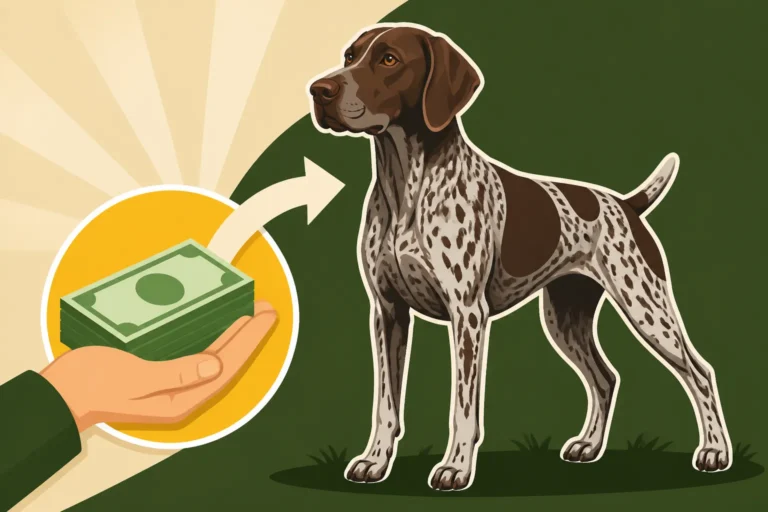
What Fourteen Years With a Shorthair Adds Up To
Bringing a German Shorthaired Pointer puppy home is a whirlwind of excitement, adorable antics, and dreams of future adventures in the field or on the trail. But amidst the joy, it's easy to overlook the significant financial commitment involved in caring for one of these magnificent, energetic dogs not just for a year or two, but for their entire lifespan. This guide will walk you through the realistic long-term costs you can expect over the fourteen years a German Shorthaired Pointer might grace your life, from their boisterous puppyhood to their dignified senior years.
The Early Years: Puppyhood to Young Adult (Years 1-3)
Those first few years with a German Shorthaired Pointer are filled with discovery, boundless energy, and establishing routines. They are also, realistically, some of the most expensive as you lay the foundation for a healthy, well-adjusted companion.
Initial Investment and Foundational Care
The first expenses hit before your GSP even steps paw in your home. The purchase price of a well-bred German Shorthaired Pointer puppy can range significantly, depending on the breeder's reputation, the puppy's pedigree, and whether the parents have extensive health clearances and field titles. This initial cost is just the beginning.
Once your puppy arrives, a flurry of veterinary visits begins. They'll need a series of vaccinations, regular deworming treatments, and a microchip for identification. Many owners also opt for spaying or neutering, which is a substantial veterinary expense in itself. Beyond the vet, you'll be investing in a sturdy crate that can withstand a determined GSP, a variety of indestructible toys (because they will try to destroy them), and high-quality puppy food to support their rapid growth. Providers like Chewy offer convenient auto-ship options for food and supplies, which can be a lifesaver when you're busy with a demanding pup. You might find yourself researching The Six Hundred to Fifteen Hundred Range on Shorthair Puppies as you begin your search.
Training and Socialization Costs
German Shorthaired Pointers are incredibly intelligent and eager to please, but their energy and drive mean they absolutely thrive with consistent training and socialization. Puppy classes are highly recommended, not just for basic obedience but for exposing your pup to new people, places, and other dogs in a controlled environment. These classes come with a fee, often for a multi-week course.
As they mature, you might consider advanced obedience or even introductory bird-dog training if you plan to hunt. This could involve group classes, private lessons, or even board-and-train programs, which can add up quickly. Essential gear for training includes durable leashes, harnesses, and perhaps an e-collar, which, when used correctly, can be a valuable tool for off-leash work and safety in the field. Don't forget the cost of treats for positive reinforcement – you'll go through a lot of them! Investing in training early can prevent costly behavioral issues down the line, saving you money and heartache. Understanding The First Year Bills on a German Shorthaired Pointer can give you a clearer picture of these initial expenses.
The Prime Years: Active Adulthood and Ongoing Commitments (Years 4-9)
These are the years your German Shorthaired Pointer is likely in their prime – a finely tuned athlete, a devoted companion, and probably a champion counter-surfer. While the initial setup costs subside, consistent investment in their health, nutrition, and continued engagement is crucial.
Ongoing Health and Wellness
Even a healthy, active GSP needs regular veterinary care. Annual check-ups are essential for monitoring their overall health, catching potential issues early, and keeping up with routine vaccinations. Preventative medications, such as those for flea, tick, and heartworm control, are a non-negotiable monthly expense, especially for a dog that spends so much time outdoors.
Dental care often becomes a consideration during these years. Many GSPs require professional dental cleanings under anesthesia every few years to prevent gum disease and tooth decay, which can be surprisingly costly. Neglecting dental health can lead to more serious, expensive problems down the road. While the bills might seem to level out after puppyhood, it's really just a shift in the type of expenses.
Fueling the GSP Engine
German Shorthaired Pointers are high-octane athletes, and their diet needs to reflect that. During their prime, they'll consume large quantities of high-quality performance dog food. This isn't an area where you want to cut corners; good nutrition directly impacts their energy levels, coat health, and overall longevity. Brands like Ollie offer fresh, human-grade food that can be excellent for highly active dogs, though it typically comes at a premium compared to kibble.
Many owners also opt to add supplements, especially joint support, to help maintain their GSP's active lifestyle and ward off issues like arthritis later in life. Fish oil for a healthy coat and skin is another common addition. These monthly costs for food and supplements form a significant part of your long-term budget. To get a handle on this expense, you might be interested in The Monthly Food Bill for a Hard Working Shorthair.
Training and Hunting Maintenance
If your GSP is a hunting partner, the costs extend beyond basic care. Maintaining their training throughout the hunting season and off-season requires dedication and often, continued financial outlay. This might include buying pigeons or chukar for training, paying for access to training grounds, or participating in NAVHDA or AKC hunt tests. Club memberships also have annual fees.
Gear, too, needs regular maintenance or replacement. Your GPS tracking collar, e-collar, and protective vests will eventually wear out or need battery replacements. Trips to hunting locations involve fuel, accommodation, and potentially licenses or preserve fees. These are all part of the commitment to keeping your GSP doing what they love. Consider how How Many Seasons a German Shorthaired Pointer Hunts impacts these recurring costs.
The Golden Years: Adapting to Age (Years 10-14+)
As your German Shorthaired Pointer enters their senior years, their needs will shift, and often, the veterinary bills will increase again. While their pace may slow, their need for comfort, companionship, and attentive care remains as strong as ever.
Increased Veterinary Needs
One of the most significant changes in the golden years is the increase in veterinary care. Older GSPs are more prone to conditions like arthritis, cancer, kidney disease, and cognitive dysfunction. This can mean more frequent vet visits, diagnostic tests like blood panels and X-rays, and ongoing medications. Managing chronic conditions can be a daily commitment and a considerable financial burden.
For example, a GSP developing arthritis might need daily pain medication, joint supplements, or even specialized injections. Regular check-ups become even more crucial to monitor existing conditions and catch new ones as early as possible. This phase of life, while rewarding, often requires the deepest financial well. Reading Arthritis in a German Shorthaired Pointer at Eight can help you prepare for these changes.
Comfort and Quality of Life
Ensuring your senior GSP remains comfortable and happy is paramount. This might involve investing in orthopedic beds that provide better support for aching joints. Ramps can help them get into vehicles or onto furniture without strain. Grooming might need adjustments, with more frequent, gentle brushing and checking for lumps or skin changes.
Specialized diets for senior dogs, or prescription diets to manage specific health conditions (like kidney or liver issues), can be more expensive than regular adult food. While their exercise routine might become less intense, maintaining some level of activity, perhaps gentle walks or swimming, is still important for their physical and mental well-being. Thinking about The Age a German Shorthaired Pointer Is Called Senior helps frame this period of care.
| Category | Puppy/Young Adult (Est. Annual) | Prime Adult (Est. Annual) | Senior (Est. Annual) |
|---|---|---|---|
| Initial Purchase | (One-time, often $600-$1500+) | ||
| Food & Supplements | $700 – $1200 | $800 – $1500 | $700 – $1300+ |
| Vet & Preventatives | $800 – $1500 (incl. spay/neuter) | $400 – $800 | $800 – $2500+ |
| Training & Gear | $400 – $1000 | $200 – $700 | $50 – $200 |
| Insurance | $300 – $600 | $400 – $800 | $500 – $1000+ |
| Miscellaneous | $300 – $700 | $200 – $500 | $100 – $300 |
| Total Annually | $2500 – $5000+ | $2000 – $4300+ | $2150 – $5300+ |
Note: These are estimated ranges and can vary widely based on location, individual dog needs, and choices of products/services.
Budgeting for the Unexpected: Emergency Funds and Hidden Costs
No matter how well you plan, life with a German Shorthaired Pointer will inevitably throw some curveballs. Having a strategy for unexpected expenses is crucial for their well-being and your peace of mind.
Emergency Funds and Insurance
German Shorthaired Pointers are active, adventurous dogs, which unfortunately makes them prone to injuries. A torn cruciate ligament, a serious cut from barbed wire in the field, or the terrifying possibility of bloat (gastric dilatation-volvulus) can result in emergency veterinary bills running into the thousands. Even minor incidents, like a foxtail lodged in a paw or ear, require immediate vet attention.
This is where pet insurance can be a literal lifesaver. Companies like Healthy Paws offer accident and illness coverage that can significantly offset the cost of unexpected veterinary care. While you'll pay a monthly premium, having a policy can prevent you from facing an impossible choice during an emergency. Researching options like Whether a Policy Covers a Shorthair's Hunting Injuries or The Bill When a Shorthair Torsions Mid Season can help you understand the value of this investment. Even with insurance, many plans have deductibles and co-pays, so maintaining a separate emergency fund is still a smart move.
Miscellaneous and Hidden Costs
Beyond the major categories, there are countless smaller, often overlooked expenses that add up over fourteen years. Think about boarding costs if you travel, or hiring a reliable pet sitter who understands the specific needs of an energetic GSP. Grooming, even for a short-coated breed, might involve occasional baths or nail trims if you're not comfortable doing it yourself.
Toys, while an initial expense, are a recurring one as even the most durable toys eventually succumb to a GSP's powerful jaws. Treats for training and enrichment are a continuous purchase. And let's not forget the inevitable damage to household items during their boisterous puppy and adolescent phases – whether it's a chewed shoe or a scratched doorframe. While minor in isolation, these "hidden" costs contribute to the overall financial picture of owning a German Shorthaired Pointer for their full, wonderful life. You might laugh (or cry) at what a German Shorthaired Pointer destroys in its first year.
Caring for a German Shorthaired Pointer for fourteen years is an incredible journey filled with loyalty, excitement, and unwavering companionship. But it's also a significant financial commitment. By understanding and preparing for the various costs across their lifespan, you can ensure your beloved GSP receives the best possible care, allowing both of you to enjoy many happy and healthy years together. It truly is a marathon, not a sprint, and being financially prepared means you can focus on the joy, not the stress.
Disclaimer
This article is for general informational purposes only and does not constitute professional advice. Laws, prices and regulations vary by location and change over time. Consult a qualified professional for guidance on your specific situation.