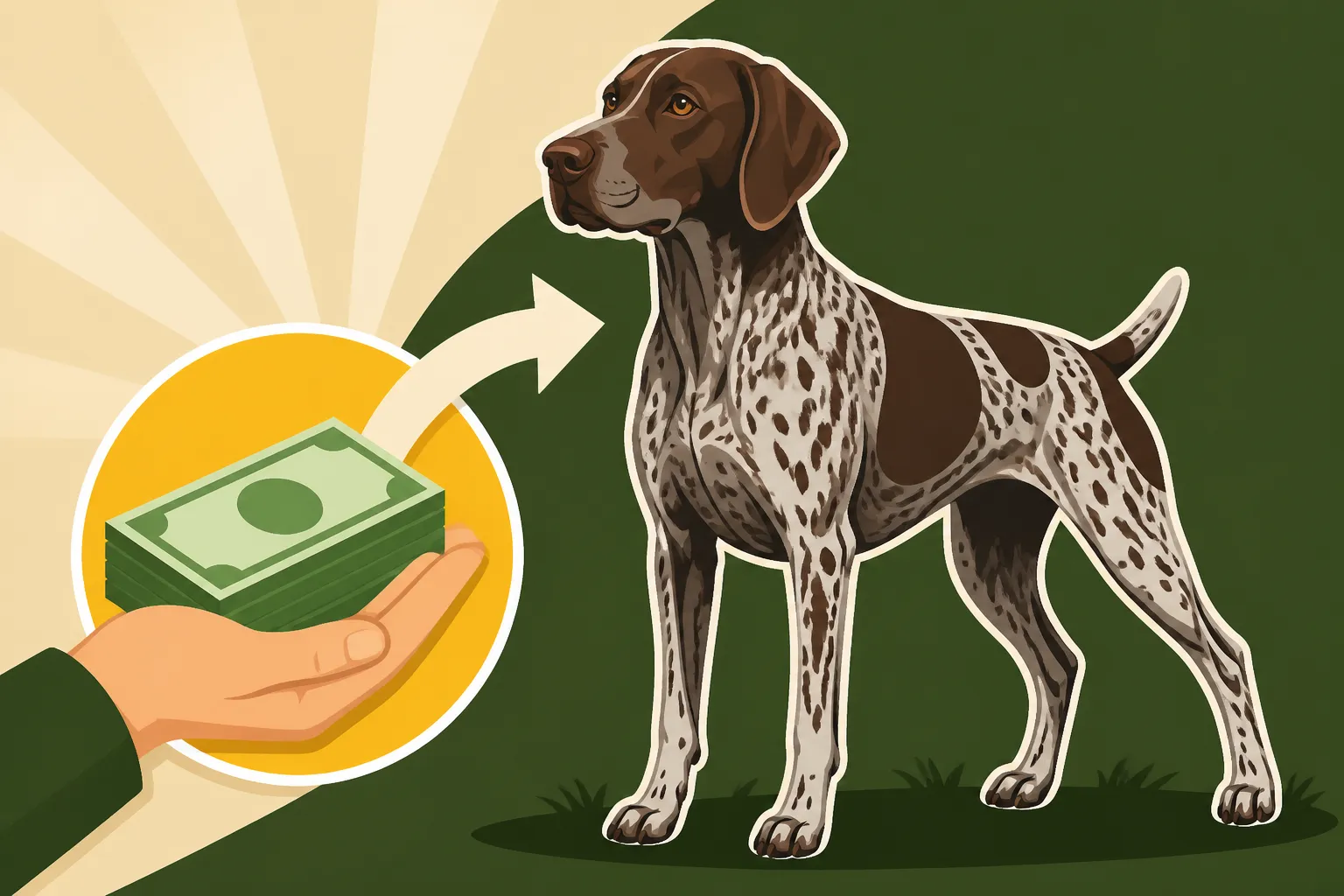
The Shorthair Advertised at Four Hundred Dollars
You're scrolling through online classifieds or social media groups, and suddenly, your eyes land on it: "German Shorthaired Pointer Puppies – $400!" For anyone dreaming of bringing one of these magnificent, energetic dogs into their home, that price can make your heart do a little leap. It feels like finding a diamond in the rough, a chance to own a purebred GSP without the hefty price tag you’ve heard about. But that little voice in the back of your head is probably whispering, "Is this too good to be true?" This guide is here to help you understand why a German Shorthaired Pointer advertised at such a low price is almost always a red flag, what those hidden costs might be, and how to make a truly informed, responsible decision for your future companion.
The Allure and Alarm of a $400 German Shorthaired Pointer
It's completely understandable to be drawn to a lower price point when looking for a purebred dog. German Shorthaired Pointers are incredible animals, known for their athleticism, intelligence, and affectionate nature. They're popular, and with popularity often comes a higher price. So, when you see a GSP puppy listed for a mere $400, it feels like hitting the jackpot. You might think you've stumbled upon a backyard breeder who isn't trying to make a fortune, or maybe someone who just wants to find good homes for their accidental litter.
Why Such a Low Price Is Immediately Suspicious
However, in the world of responsible dog breeding, that price is an immediate cause for concern. Legitimate breeders invest a significant amount of time, money, and effort into producing healthy, well-tempered puppies. This includes health clearances for the parent dogs, quality nutrition for the mother, proper veterinary care for the puppies, and early socialization. When a price is drastically lower than the average market rate for a specific breed, it almost always means that corners have been cut in one or more of these crucial areas. It's not about being exclusive; it's about covering the essential costs of bringing a healthy, well-adjusted puppy into the world.
The True Cost of Responsible Breeding
Let's talk about what goes into a responsibly bred German Shorthaired Pointer. A good breeder isn't just selling you a puppy; they're selling you years of careful genetic selection, health testing, early neurological stimulation, proper socialization, and ongoing support. They've paid for comprehensive health screenings for both parents to rule out genetic conditions like hip and elbow dysplasia, eye issues, and cardiac problems, which can be devastating and expensive later on. You can read more about what these types of screenings entail in articles like Hips and the CHIC Panel a German Shorthaired Pointer Needs. The cost of these tests alone can be substantial, let alone the stud fees, quality food for the pregnant dam, and initial vet visits for the litter, including deworming and first vaccinations. They also typically provide a health guarantee, a well-documented pedigree, and extensive advice for new owners.
What a Responsible German Shorthaired Pointer Acquisition Really Costs
Setting realistic expectations for the cost of a German Shorthaired Pointer puppy is essential for responsible ownership. A well-bred GSP puppy from health-tested parents and a reputable breeder typically falls into a range far above $400. This isn't just a random number; it reflects the significant investment made by breeders to ensure the health and future well-being of their puppies.
The Value Behind a Fair Price
When you're looking at a price tag in the typical range – which you can explore further in The Six Hundred to Fifteen Hundred Range on Shorthair Puppies – you're paying for more than just a cute face. You're investing in:
- Comprehensive Health Testing: Parents will have OFA (Orthopedic Foundation for Animals) certifications for hips and elbows, eye clearances from an ACVO veterinary ophthalmologist, and cardiac evaluations. These tests help ensure that genetic predispositions to debilitating conditions are not passed down to puppies.
- Quality Care for the Dam: A pregnant mother dog needs specialized nutrition, extra veterinary care, and a stress-free environment, all of which incur costs.
- Puppy Veterinary Care: This includes multiple dewormings, at least one round of vaccinations, and often a microchip. These initial health checks are crucial for setting a puppy up for a healthy start. For instance, understanding What a German Shorthaired Pointer Puppy's First Shots Cost gives you insight into these initial expenses.
- Proper Nutrition and Environment: Puppies need high-quality food, a clean, safe, and stimulating environment for their crucial early development.
- Early Socialization and Handling: Responsible breeders spend countless hours handling, socializing, and exposing puppies to various sights, sounds, and experiences. This foundational work helps create a confident, stable temperament.
- Breeder Support: A good breeder remains a resource for the lifetime of your dog, offering advice and support. They're often passionate about their breed and genuinely care about where their puppies go. They will also often take a dog back if circumstances change, which is a huge peace of mind.
This table illustrates the stark difference in what you typically receive when comparing a $400 GSP advertisement to a puppy from a reputable breeder:
| Feature | $400 German Shorthaired Pointer Puppy | Reputable Breeder German Shorthaired Pointer Puppy |
|---|---|---|
| Parent Health Clearances | Highly unlikely; often unknown or unverified. | Full OFA/CHIC clearances for hips, elbows, eyes, heart. |
| Initial Vet Care | Often minimal; first shots and deworming may be done poorly or not at all. | Multiple dewormings, age-appropriate vaccinations, vet health check. |
| Health Guarantee | Rare, often short-term, or with many loopholes. | Typically a comprehensive guarantee for genetic diseases, sometimes for life. |
| Pedigree Documentation | Often unavailable or incomplete. | Multi-generational pedigree, proof of titles (hunt, show) if applicable. |
| Temperament/Socialization | Variable; often poor due to lack of exposure and handling. | Deliberate socialization, exposure to sounds, people, and environments. |
| Breeder Support | Usually non-existent once the transaction is complete. | Lifelong support, advice, and willingness to take the dog back if needed. |
| Long-term Health Risk | High risk of costly genetic health issues. | Significantly lower risk due to careful breeding. |
Beyond the Purchase Price: Initial Set-up Costs
Even if you did manage to find a healthy GSP for $400 (which is highly improbable), the initial purchase price is only a fraction of the overall cost of bringing a new puppy home. You'll need to budget for:
- Supplies: A crate, quality food bowls (perhaps from Chewy's extensive selection), leash, collar, toys, and grooming tools.
- Food: High-quality puppy food is essential for proper growth. Brands like Ollie offer fresh, human-grade options, but even premium kibble can be a significant monthly expense, especially for an active breed like a GSP.
- Veterinary Care: Beyond the initial shots, puppies need follow-up vaccinations, parasite prevention, and potentially spay/neuter surgery. These are all part of The First Year Bills on a German Shorthaired Pointer.
- Training: Puppy classes, or even just basic equipment like a good check cord, are vital for a GSP. Their intelligence and energy require proper guidance from day one. You might even consider professional training early on to avoid behavioral issues, especially if you get a puppy that lacked early socialization.
The Hidden Dangers and Future Expenses of a Cheap Shorthair
That tempting $400 price tag can quickly turn into a financial and emotional nightmare if you're not careful. The old adage "you get what you pay for" couldn't be truer when it comes to living creatures, especially purebred dogs.
Health Problems Lurking in Untested Lines
The most significant risk with a low-cost German Shorthaired Pointer is the almost guaranteed lack of health testing on the parent dogs. This means you could be buying a puppy predisposed to a host of debilitating and expensive genetic conditions. Imagine bringing home your adorable GSP puppy, only to find out at six months old that it has severe hip dysplasia, a condition that can require costly surgeries and lifelong pain management. This is why discussing Hip Dysplasia in a Hard Running German Shorthaired Pointer is so critical. Other common GSP health issues like certain eye conditions, heart murmurs (see The Heart Murmur a German Shorthaired Pointer Puppy Can Carry), or even serious skin diseases can emerge.
These conditions aren't just heartbreaking; they are incredibly expensive to manage. A single surgery for hip dysplasia or a lifetime of medication for a chronic condition can easily cost thousands of dollars, far outweighing any initial savings. This is where pet insurance, like a plan from Healthy Paws, can be a lifesaver, but remember that pre-existing conditions are typically not covered. If you buy a puppy with an undiagnosed genetic issue, you could be on the hook for all future vet bills.
Behavioral Challenges and Lack of Foundation
Beyond physical health, a cheap GSP puppy often comes with significant behavioral challenges due to poor breeding practices and lack of early socialization. Puppies raised in neglectful environments, or from parents with unstable temperaments, are more prone to issues like:
- Anxiety and Fear: A puppy not properly exposed to various stimuli can develop fear aggression or separation anxiety. A GSP is a Velcro dog, deeply attached to its family, and anxiety can manifest destructively. You can also look into The Shorthair That Will Not Let You Out of Sight as a common GSP trait that can be exacerbated by poor early socialization.
- Aggression: Genetic predisposition to aggression, combined with inadequate socialization, can lead to serious problems that require extensive, costly behavioral training, or even mean the dog is unsafe in certain situations.
- Destructive Tendencies: An under-stimulated or anxious GSP will find its own ways to entertain itself, often at the expense of your furniture or home. Articles like What an Under Exercised Shorthair Does to a House highlight the breed's need for mental and physical stimulation, which is only compounded by poor breeding.
- Difficulty with Training: While GSPs are intelligent, those from questionable backgrounds might lack the inherent desire to please or the foundational confidence to learn effectively, making training a frustrating and expensive endeavor. This is especially true if you are hoping to turn them into a hunting companion, as discussed in Why So Many Shorthairs End Up Rehomed at Eighteen Months.
These behavioral issues not only cost money in terms of trainers, behaviorists, and property repair, but they also take an immense emotional toll on the family. Sometimes, these issues become so severe that the dog ends up in rescue or is rehomed, which is a tragic outcome for everyone involved.
Puppy Mill and Backyard Breeder Red Flags
A $400 GSP is almost certainly coming from a puppy mill, a broker, or a casual backyard breeder. These operations prioritize profit over welfare, and they often exhibit several red flags:
- No Health Testing or Guarantees: They can't or won't provide proof of health clearances for the parents. Their "guarantee" is often vague or only lasts a few days, which is useless for genetic conditions that appear later.
- Multiple Breeds for Sale: A reputable breeder typically specializes in one or two breeds. Operations selling a "variety pack" of puppies are usually mass-producing them.
- No Facility Visits: They might insist on meeting you in a neutral location like a parking lot or bring the puppy to you, refusing to let you see where the puppy was raised or meet the parents.
- Pressure Sales: They'll push for an immediate sale, discouraging questions or thoughtful consideration.
- Lack of Knowledge: They can't answer detailed questions about the breed standard, the parent's temperaments, or the specific health concerns of GSPs.
- Poor Conditions: If you do manage to see the facility, it might be unsanitary, crowded, or lack proper enrichment for the puppies.
Recognizing these signs is critical to avoiding supporting unethical breeding practices and saving yourself from future heartbreak and significant financial burden.
Finding Your German Shorthaired Pointer: Prioritizing Health Over Price Tag
While the initial sticker shock of a responsibly bred German Shorthaired Pointer might be significant, remember that it's an investment in a healthy, happy companion who will be a part of your family for potentially The Twelve to Fourteen Years a German Shorthaired Pointer Gets. Prioritizing health, temperament, and ethical breeding over a cheap price tag is always the smartest, most humane choice.
Researching Reputable Breeders
Finding a responsible German Shorthaired Pointer breeder takes time and effort, but it's time well spent. Here's what to look for:
- Breed Club Affiliation: Start your search with the national German Shorthaired Pointer Club of America or regional breed clubs. These organizations often have breeder directories and codes of ethics that members must follow.
- Health Clearances: Insist on seeing official documentation for OFA hip and elbow certifications, eye clearances, and cardiac screenings for both parent dogs. Don't just take their word for it. They should be able to explain what The Five Tests Behind a German Shorthaired Pointer CHIC Number are and provide those results.
- Transparency and Openness: A good breeder will welcome your questions, invite you to their home to meet the parents (at an appropriate time, usually when puppies are older), and be eager to educate you about the breed.
- Temperament Focus: They should be able to discuss the temperaments of both parents and how they match your lifestyle expectations. They should also be actively socializing their puppies.
- Lifetime Support and Take-Back Clause: A responsible breeder will offer continuous support and have a contract stating they will take the dog back at any point in its life if you can no longer care for it.
- Waitlists: Good breeders often have waiting lists, sometimes extending for months. This is a sign of demand for quality, not a reason to look for shortcuts.
Don't be afraid to ask lots of questions, and if something feels off, walk away. Your gut instinct is often right.
Considering German Shorthaired Pointer Rescues
If the cost of a responsibly bred puppy is truly out of your budget, or if you prefer to give a second chance to a dog in need, considering a German Shorthaired Pointer rescue is a fantastic option. There are many dedicated GSP-specific rescues across the country.
- Advantages of Rescue:
- Known History: Rescue organizations often have a good understanding of a dog's history, temperament, and any known health issues. Many dogs are fostered in homes, giving the rescue valuable insight into their behavior.
- Vet Care Included: Rescues typically provide comprehensive veterinary care, including spay/neuter, vaccinations, and microchipping, before adoption.
- Lower Fees: While there's an adoption fee, it's usually significantly less than a puppy from a reputable breeder and covers the initial vet costs, as detailed in German Shorthaired Pointer Rescue Fees.
- Adult Dogs: You might find an adult GSP whose personality is already developed, which can be a huge benefit for families looking for a specific energy level or temperament.
- Making a Difference: You're providing a loving home to a dog that desperately needs one.
Websites like Petfinder or directly contacting GSP rescue organizations can help you find available dogs in your area. While you might not get a young puppy, you will likely get a healthy, well-evaluated dog whose needs are known, helping you avoid the hidden costs and heartbreaks of a cheap, poorly-bred puppy. Remember, whether you choose a puppy from a reputable breeder or adopt a rescue, the goal is to bring home a healthy, well-adjusted German Shorthaired Pointer that will bring joy to your life for many years to come.
Disclaimer
This article is for general informational purposes only and does not constitute professional advice. Laws, prices and regulations vary by location and change over time. Consult a qualified professional for guidance on your specific situation.