Whether Running a Shorthair Puppy Damages Its Joints
It's a question that keeps so many of us German Shorthaired Pointer owners up at night: are we doing right by our energetic pups when it comes to exercise? The worry that too much, too soon, could damage those developing joints is a very real and valid concern. This guide is here to shed light on how to safely exercise your German Shorthaired Pointer puppy, ensuring they grow into the robust, athletic dogs we know and love without risking long-term joint issues.
The Critical Window of Growth: Understanding Your GSP Puppy's Joints
When you bring home a German Shorthaired Pointer puppy, you’re not just getting a ball of boundless energy; you’re welcoming a rapidly growing athlete whose skeletal system is still very much a work in progress. This stage is absolutely crucial, and understanding the mechanics of their developing bones is key to preventing future problems.
What Exactly Are Growth Plates?
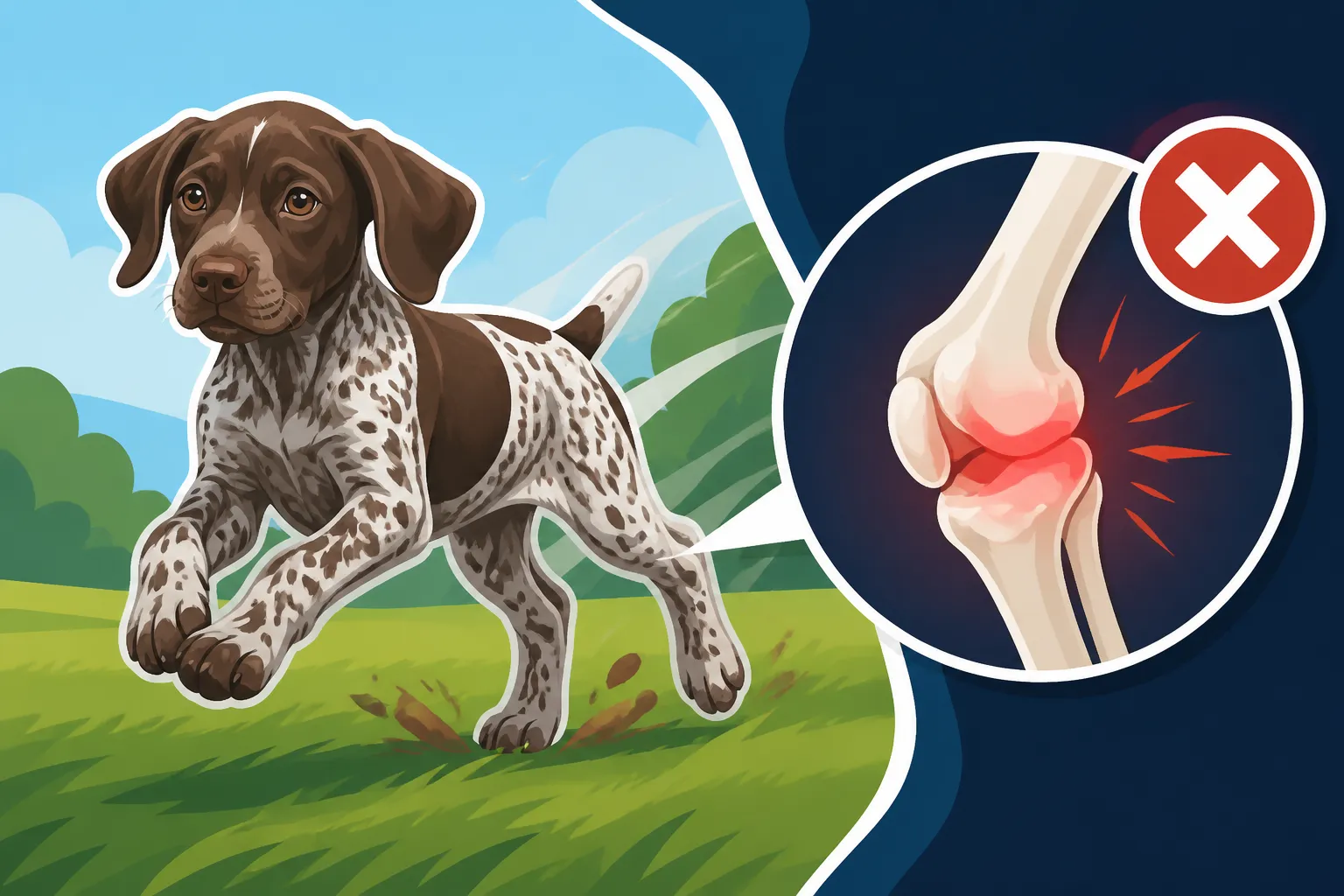
Think of growth plates, also known as epiphyseal plates, as the soft, cartilaginous areas near the ends of a puppy’s long bones. These aren't just decorative; they're the engine room of bone growth! Cartilage cells divide and expand within these plates, then gradually turn into hardened bone, making the bone longer and stronger. This process is how your tiny GSP puppy transforms into a powerful, leggy adult. Because these plates are made of cartilage and haven't fully ossified into bone, they are inherently weaker and more susceptible to injury than the surrounding bone or ligaments. They're like the soft spots on a baby's skull – essential for growth but needing careful handling.
If a growth plate is damaged, especially severely or repeatedly, it can lead to premature closure on one side, or even halt growth entirely. This can result in a deformed limb, uneven leg length, or chronic pain and lameness as the dog matures. For a breed like the German Shorthaired Pointer, bred for athleticism and tireless work, an injury during this vital period can have profound consequences, potentially impacting their ability to run, jump, or even lead a comfortable life as an adult.
When Do Growth Plates Typically Close?
The timing of growth plate closure isn't an exact science, but generally, in a large, fast-growing breed like the German Shorthaired Pointer, these plates tend to close between 12 and 18 months of age. Smaller breeds might see them close earlier, around 6-8 months, while some giant breeds can still have open plates past 24 months. However, 18 months is a good, safe benchmark to consider your GSP's skeletal system largely mature.
Several factors can influence this timeline, including genetics, nutrition, and even the individual puppy's growth rate. Faster growth, sometimes encouraged by overfeeding or specific diets, doesn't necessarily mean stronger bones; it can actually put more stress on vulnerable growth plates. Neutering timing has also been studied to show a potential impact on growth plate closure, with some research suggesting that early neutering might delay closure and potentially increase the risk of certain orthopedic issues like hip and elbow dysplasia, as discussed in detail in discussions around Whether Neutering Timing Changes a Shorthair's Joints. It’s always best to have a conversation with your veterinarian about your specific puppy's development and what signs to look for that indicate their plates are closing.
The Long-Term Impact of Early Joint Stress
The consequences of putting too much stress on a GSP puppy's developing joints can be far-reaching and heartbreaking. A damaged growth plate can lead to what's known as "physeal fracture," where the cartilage actually separates or crushes. Even less severe, repetitive trauma can cause inflammation, malformation, or even early onset arthritis. Imagine a powerful athlete like a German Shorthaired Pointer facing chronic pain in their prime, unable to perform the activities they love.
For example, repeated, high-impact activities like jumping off tall objects, intense agility work, or long-distance running on hard surfaces before the growth plates have fully closed can set the stage for conditions like osteochondritis dissecans (OCD) or exacerbate predispositions to Hip Dysplasia in a Hard Running German Shorthaired Pointer and elbow dysplasia. These aren't just minor aches; they can require costly surgeries, lifelong medication, and severely limit a dog's quality of life. The goal is to allow their bones to solidify naturally, creating a strong, stable foundation that will support their incredible energy and athleticism for years to come.
Navigating Exercise: What's Too Much, Too Soon?
It’s completely natural to want to exercise your German Shorthaired Pointer puppy. Their boundless energy practically demands it! But there's a fine line between healthy exertion and inadvertently causing harm. Understanding which activities pose a risk and how to spot potential problems is crucial for any responsible GSP owner.
The Risks of Repetitive High-Impact Activities
When we talk about "running" a GSP puppy, it's important to clarify what kind of running. A puppy galloping freely in a soft, grassy field, stopping and starting as they please, is vastly different from a puppy being forced to keep pace with a human runner or cyclist on a paved road for an extended period. The latter involves repetitive, high-impact stress on their joints, especially the shoulders, elbows, hips, and knees.
Activities that carry the most risk include:
- Long-distance running on hard surfaces: Pavement, concrete, and even asphalt provide minimal shock absorption, sending concussive forces directly through still-developing joints. This kind of activity is exactly why many wonder Whether a Shorthair Puppy Should Run on Hard Ground.
- Intense, forced running: Keeping a GSP puppy on a leash at a constant, fast pace that they can't control can override their natural instinct to rest when tired. Their little minds might be willing, but their bodies aren't ready for that kind of sustained effort.
- High-impact jumping: Repeatedly jumping off furniture, out of vehicles, or over obstacles can put immense, unnatural strain on their growth plates and ligaments. A puppy's coordination is still developing, making awkward landings more likely and more damaging.
- Agility training with obstacles: While exciting, intense agility work with weaves, jumps, and tight turns should generally be reserved until a GSP is physically mature, typically after 18 months, when their growth plates are fully closed and their musculature is developed enough to support such demanding movements.
These types of activities can lead to micro-traumas or even acute injuries that may not show up immediately but can contribute to chronic issues down the road.
Recognizing Signs of Joint Strain in Your Puppy
German Shorthaired Pointers are stoic dogs, often pushing through discomfort, especially when there's an exciting bird to chase or a game to play. This means we, as their guardians, need to be extra vigilant in observing them. Catching signs of joint strain early can prevent minor issues from becoming major problems.
Keep a close eye out for any of these indicators:
- Lameness or limping: This is the most obvious sign. It might be subtle at first, perhaps a slight head bob or an uneven gait after exercise. Pay attention to any shifting lameness where the puppy seems to favor different legs on different days.
- Stiffness: Does your puppy seem stiff after waking up from a nap, or after a period of rest? Do they struggle to get up or lie down?
- Reluctance to move or play: A GSP puppy that suddenly doesn't want to engage in their usual zoomies or seems less enthusiastic about walks could be experiencing pain.
- Whining or yelping: If they vocalize when getting up, jumping, or being touched in a certain area, that's a red flag.
- Swelling or tenderness: Carefully feel their joints (knees, elbows, hocks, wrists). Any warmth, swelling, or sensitivity to touch warrants a call to the vet.
- Licking or chewing at joints: This self-soothing behavior can indicate discomfort or pain in that area.
If you notice any of these signs, don't just "wait and see." A quick visit to your veterinarian can help diagnose the issue and determine if you need to adjust their activity levels or initiate treatment. Remember, early intervention is key.
Gentle Alternatives for Burning Energy
Thankfully, keeping your German Shorthaired Pointer puppy well-exercised doesn't have to mean high-impact risks. There are plenty of fantastic, joint-friendly ways to burn off that infamous GSP energy while supporting healthy growth.
Focus on activities that allow your puppy to self-regulate their pace and intensity:
- Free play in a secure, soft area: Think a large, fenced yard with grass or a local dog park (once fully vaccinated). Let them romp, sniff, and chase at their own speed. The natural stops, starts, and changes in direction are much less impactful than sustained running.
- Short, frequent walks on varied terrain: Instead of one long, grueling hike, try several shorter walks throughout the day. Opt for soft trails, dirt paths, or grassy areas. Explore a local park or an unpaved nature trail.
- Structured play sessions: Fetch games, tug-of-war (with rules to prevent aggressive pulling and protect their teeth), and hide-and-seek are great for mental and physical stimulation. Keep fetch sessions short to avoid overexertion.
- Swimming: This is an incredible low-impact exercise for GSPs, many of whom naturally love the water. It builds muscle without stressing joints. Start in shallow, warm water and always supervise closely. Consider places like local dog-friendly lakes or specialized canine hydrotherapy centers.
- Mental stimulation: Don't underestimate the power of brain games! Puzzle toys, scent work, and short obedience training sessions can tire a GSP puppy out just as effectively as physical exercise, without any joint strain. Learning new commands, practicing polite leash manners, or even just working on their "whoa" command (which is critical for a bird dog!) are all excellent ways to engage their active minds.
By prioritizing these types of gentle, self-regulated activities, you'll help your GSP puppy develop strong muscles and bones, preparing them for a lifetime of healthy activity without the unnecessary risks of premature high-impact exercise.
Crafting a Safe Exercise Plan for Your Growing GSP
Building a healthy, athletic German Shorthaired Pointer requires a thoughtful approach to exercise that evolves with their growth. It's not about avoiding activity entirely, but rather about smart, progressive conditioning.
Age-Specific Guidelines for Physical Activity
It’s tempting to treat your eight-week-old GSP puppy like a miniature adult, but their physical needs are drastically different. A good rule of thumb for structured exercise (like leash walks) is the "five-minute rule": five minutes of exercise per month of age, twice a day. This means a three-month-old puppy gets 15 minutes, twice a day. This guidance is crucial for understanding How Much Exercise a Shorthair Puppy Should Get.
Let's break it down:
- 8 weeks – 4 months: Focus almost exclusively on free play in a safe, soft area like your backyard. Think short bursts of zoomies, exploring new smells, and playing with toys. Leash walks should be very short, purely for socialization and potty training, perhaps 5-10 minutes a few times a day. Avoid any forced running, jumping, or long hikes.
- 4 – 8 months: You can gradually increase structured walks, adhering to the five-minute rule. Continue with plenty of free play. Introduce very short, low-impact retrieval games on soft surfaces. Gentle swimming is an excellent option here. Remember, their growth plates are still very much open. This is also a good age to start very basic training, like working on the "whoa" command, but keep it light and fun.
- 8 – 12 months: Your GSP is now entering adolescence, bursting with energy and confidence. Continue increasing structured exercise cautiously. Longer walks (30-45 minutes) on trails are good. Light jogging on soft ground can be introduced briefly, but still avoid sustained, forced running on pavement. Introduce basic field work like short retrieves or scent games, keeping sessions short to prevent overexertion and ensure they aren't working too hard.
- 12 – 18 months: Most GSPs will see their growth plates closing within this window. Continue with progressive exercise. You can start to introduce more strenuous activities like longer hikes, running on softer trails, or more intense retrieve sessions. Consult your vet around the 15-month mark to see if X-rays might be recommended to confirm growth plate closure before embarking on truly high-impact activities. Once those plates are closed, you can gradually move towards a more adult exercise regimen, potentially including roadwork, as covered in topics like The Age a German Shorthaired Pointer Can Start Roadwork.
The Importance of Varied Terrain and Surfaces
Imagine running on a treadmill every day versus exploring diverse landscapes. The latter builds a much more balanced and resilient body. The same goes for your GSP puppy. Constantly exercising on the same hard surface puts repetitive stress on the same joints and muscles.
Instead, seek out varied terrain:
- Soft ground: Grass, dirt trails, sand, and wood chips offer natural shock absorption, cushioning developing joints. This is ideal for puppies and young dogs. Many dog parks feature grass or wood chip surfaces perfect for puppy romps.
- Uneven terrain: Gentle slopes, small hills, and uneven paths challenge different muscle groups and improve balance and proprioception (awareness of their body in space). This builds strength and stability around the joints, rather than just stressing them. Think of the natural variations you'd find on a hunting preserve or through the woods.
- Water: As mentioned, swimming is fantastic. But even walking through shallow water can provide gentle resistance and build muscle without impact.
By regularly exposing your GSP puppy to different surfaces, you're helping them develop a well-rounded physique, strengthening supporting muscles, and promoting healthy joint development without unnecessary wear and tear. This helps mitigate the risks associated with high-impact repetition that often come from only exercising on hard, flat surfaces.
Gradually Increasing Activity Levels
The key word here is "gradually." Think of it like a human athlete training for a marathon: they don't just go out and run 26 miles on day one. Their body needs time to adapt, muscles need to strengthen, and stamina needs to build. Your GSP puppy is no different.
When increasing activity:
- Duration first, then intensity: Start by making walks or play sessions a little longer before making them more intense (e.g., faster pace, steeper hills).
- Listen to your puppy: They will tell you when they've had enough. Signs of fatigue might include lagging behind, panting excessively, or lying down. Always end an exercise session before they are completely exhausted.
- Watch for post-exercise stiffness: If your puppy is stiff or sore the day after an increased activity, you've likely overdone it. Scale back and build up more slowly.
- Incorporate rest days: Just like human athletes, puppies need rest to recover and grow. Not every day needs to be a high-energy workout.
- Conditioning for the season: If you plan for your GSP to be a hunting companion, their conditioning before opening day is crucial. Start building their stamina and strength well in advance, focusing on gradual increases in duration and intensity, rather than a sudden burst of activity.
This gradual approach is vital for any young dog, especially one destined for an active life. It ensures their body can keep up with their spirit, minimizing the risk of injury and maximizing their potential for a long, healthy, and happy life.
Holistic Joint Health: Beyond Just Exercise
While smart exercise is paramount, a healthy German Shorthaired Pointer puppy's joints are also influenced by what goes into their bowl and the care they receive from their veterinarian. It's a comprehensive approach that yields the best results.
Nutritional Foundations for Strong Bones
What you feed your German Shorthaired Pointer puppy plays a massive role in their skeletal development. It's not just about quantity; it's about quality and the right balance of nutrients. Puppyhood is a critical time for bone growth, and imbalances here can lead to significant problems.
- Large Breed Puppy Food: Always opt for a high-quality kibble specifically formulated for large breed puppies. These foods are designed with carefully controlled calcium and phosphorus levels. Excessive calcium, often found in regular adult dog foods or from supplements, can actually be detrimental to a rapidly growing puppy's bones, leading to skeletal abnormalities. For more information on this, check out our piece on Calcium Levels in a Shorthair Puppy's Diet.
- Controlled Growth: Resist the urge to "power feed" your GSP puppy to make them bigger faster. Rapid growth due to overfeeding puts undue stress on their developing bones and joints, increasing the risk of orthopedic issues. Keep your puppy lean and at a healthy weight, allowing them to grow at a moderate, steady pace.
- Essential Nutrients: Ensure their food contains appropriate levels of essential vitamins and minerals, including Vitamin D for calcium absorption, and omega fatty acids for overall joint health and to reduce inflammation.
- Avoid Human Food Scraps: Many human foods can upset a puppy's delicate digestive system or provide nutrient imbalances that are unhealthy for their growth. Stick to their balanced puppy food.
The Role of Weight Management and Body Condition
Keeping your German Shorthaired Pointer puppy at a lean, healthy weight is one of the most impactful things you can do for their joint health. Every extra pound your puppy carries puts additional stress on their developing joints, increasing the risk of injury and accelerating wear and tear. This is especially true for a breed prone to joint issues like hip and elbow dysplasia.
- Rib Check: You should be able to easily feel your puppy's ribs with slight pressure, but not see them prominently.
- Waistline: When viewed from above, your puppy should have a visible waistline. When viewed from the side, their abdomen should tuck up slightly, not hang low.
- Regular Weigh-ins: Weigh your puppy regularly and track their growth. Compare it to breed standards and discuss their weight with your vet at each visit. They can guide you on their ideal body condition for their age and stage of development, helping them achieve The Growth Year of a German Shorthaired Pointer Puppy.
- Appropriate Portions: Follow the feeding guidelines on your large breed puppy food bag, but adjust based on your puppy's individual activity level and body condition. If they're gaining too much weight, slightly reduce their food.
A lean puppy has less stress on their joints, allowing them to develop correctly and reducing the chances of arthritis or other joint problems later in life.
Proactive Veterinary Care and Support
Your veterinarian is your most important partner in ensuring your GSP puppy's joint health. Regular check-ups are non-negotiable, and knowing what to discuss can make all the difference.
- Routine Check-ups: Stick to the recommended The Vet Schedule a Working Shorthair Should Keep. At each visit, your vet will assess your puppy's growth, gait, and general physical condition. Don't hesitate to ask questions about their joint development.
- Discussing Concerns: If you notice any limping, stiffness, or changes in your puppy's activity level, bring it up immediately. Early diagnosis and intervention can prevent minor issues from becoming chronic problems.
- Breed-Specific Screening: German Shorthaired Pointers are prone to certain genetic orthopedic conditions. Discuss appropriate screening, such as preliminary hip and elbow evaluations, with your vet, usually around 12-24 months of age, depending on the specific tests. These screenings can help identify potential issues before they become severe.
- Supplements: While generally not necessary for healthy puppies on a complete and balanced large breed puppy food, your vet might recommend joint supplements (like glucosamine and chondroitin) if there's a specific concern or a predisposition to joint issues. However, never start supplements without veterinary guidance, as some can interfere with proper development or mask underlying problems.
- Insurance Consideration: Even with the best care, accidents and unexpected health issues can arise. Having pet insurance, like a plan from Healthy Paws, can provide invaluable peace of mind, covering a significant portion of unexpected vet bills for injuries or conditions that might impact your GSP's joints. It’s a pragmatic safety net for their active lives.
By combining smart, age-appropriate exercise with excellent nutrition and diligent veterinary care, you're giving your German Shorthaired Pointer puppy the very best chance at a long, healthy, and active life, full of countless adventures together.
Puppy Exercise Guidelines
Here’s a quick reference table for age-appropriate exercise for your German Shorthaired Pointer puppy:
| Age Range (Months) | Primary Exercise Focus | Recommended Activities | Avoid/Limit |
|---|---|---|---|
| 2-4 | Free Play & Socialization | Short, supervised free play in soft grass; very short potty/socialization walks. | Forced running, long walks, jumping, stairs, intense fetch, dog parks (until fully vaccinated). |
| 4-8 | Controlled Play & Skill Building | Moderate free play; 15-20 min leash walks on soft ground; gentle swimming; basic obedience training. | Sustained running, high-impact jumps, repetitive hard-surface activities, agility equipment. |
| 8-12 | Increased Stamina & Exploration | Longer walks (30-45 min) on varied trails; light, short jogs on soft surfaces; scent work, retrieve training. | Long-distance running on pavement, intense forced running, high-impact jumping, hard agility work. |
| 12-18 | Maturing Athlete | Progressively longer hikes; moderate running on trails; advanced retrieve work; gentle introduction to field activities. | Max intensity agility, sustained roadwork, or very high-impact activities until vet confirms growth plate closure. |
| 18+ | Adult Conditioning | Full range of activities, including roadwork, intense field work, agility (if desired), conditioned gradually. | Sudden, intense bursts of exercise without prior conditioning. |
Disclaimer
The information provided in this article is for general educational purposes only and is not intended as a substitute for professional veterinary advice, diagnosis, or treatment. Always seek the advice of your veterinarian or other qualified animal health provider with any questions you may have regarding a medical condition or the health and well-being of your pet. Never disregard professional veterinary advice or delay in seeking it because of something you have read in this article.