The Growth Year of a German Shorthaired Pointer Puppy
Bringing home a German Shorthaired Pointer puppy is an exhilarating experience, filled with boundless energy, wagging tails, and endless possibilities. But let's be real: it's also a year-long marathon of growth, learning, and constant adjustments. This guide is here to walk you through that crucial first year, from those tiny, clumsy paws to the lean, confident adolescent your GSP is destined to become, helping you navigate the joys and challenges every step of the way.
The First Few Weeks: Bringing Your Puppy Home
That moment you bring your little GSP bundle of joy through the door? It's pure magic, and often, a little bit overwhelming. For that tiny puppy, it's a huge change, leaving behind littermates and the only environment they’ve ever known. Your main goal in these initial weeks is to provide security, comfort, and a gentle introduction to their new life. Think of yourself as their benevolent, patient guide in a brand new world.
Settling Into Their New Environment
Your GSP puppy will likely be a whirlwind of curiosity, exploring every nook and cranny, but they'll also need a secure, quiet space where they can retreat and feel safe. A crate, properly introduced, can become this sanctuary. Place it in a high-traffic area of your home initially, so they don't feel isolated, but ensure it's still a calm spot. Cover it partially with a blanket to create a den-like feel. Consistency is key here; feeding them in their crate, offering special chew toys only when they're in it, and making it a positive place will help them settle quickly. Remember, a GSP is a pack animal, and they thrive on feeling connected to their family, even when resting.
Beyond the crate, establish a predictable routine for feeding, potty breaks, and playtime right from day one. Puppies, especially active breeds like Shorthairs, thrive on structure. Knowing when to expect things reduces anxiety and helps them learn the rhythm of your household. Initially, they might whine or cry at night, missing their littermates. This is normal, and it's your job to comfort them without reinforcing unwanted behaviors. A warm hot water bottle or a ticking clock near their crate can mimic the presence of littermates and offer some solace during those first few nights.
Initial Vet Visits and First Vaccinations
One of your first priorities, usually within a few days of bringing your puppy home, should be a visit to the veterinarian for a wellness check. This isn't just about shots; it's about establishing a relationship with a vet who understands the unique needs of a German Shorthaired Pointer. They'll check your puppy's overall health, look for any congenital issues, and discuss a deworming and vaccination schedule tailored to your specific area and your puppy's likely lifestyle (especially if they'll be hunting later). Don't hesitate to ask every question that pops into your head – no question is too silly when it comes to your new family member's health. You'll want to get a clear picture of What a German Shorthaired Pointer Puppy's First Shots Cost and what they cover.
Your vet will likely discuss a series of core vaccinations, including distemper, parvovirus, adenovirus, and rabies, often given in a series over several weeks. It's crucial to complete this series before your puppy is fully exposed to public places, dog parks, or areas where other dogs frequent, as their immune system is still developing. They’ll also check for parasites, both internal (like worms) and external (like fleas or mites), which are common in young puppies. Following your vet’s advice on preventive care is paramount to setting your GSP up for a healthy first year.
Starting House Training and Basic Manners
House training a GSP puppy can feel like a full-time job at first, but with consistency and patience, they are typically quick learners. The golden rule is frequent potty breaks – every hour or two initially, immediately after waking up, after playing, and after eating. Take them to the same designated spot outside each time, and reward them enthusiastically with praise and a small, high-value treat the moment they finish their business. Avoid punishment for accidents inside; instead, interrupt them gently, take them outside, and clean up thoroughly with an enzymatic cleaner to remove any lingering scent that might encourage repeat offenses.
Beyond potty training, these early weeks are the perfect time to introduce basic manners. Start with their name, and simple commands like "sit" and "come." Keep training sessions short, fun, and positive, using treats and praise to motivate them. German Shorthaired Pointers are intelligent and eager to please, but they also have short attention spans as puppies. Think five-minute bursts of training throughout the day rather than one long, tedious session. This also lays the groundwork for more advanced training later, such as The Age a Shorthair Puppy Starts Whoa for those planning to hunt. Remember, every interaction is a learning opportunity for your puppy, so consistency from all family members is essential.
Nutritional Foundations: Fueling Rapid Growth
German Shorthaired Pointers grow incredibly fast in their first year, transitioning from tiny, helpless pups to powerful, athletic adolescents. This rapid growth demands specific nutritional support to ensure strong bones, healthy muscles, and sustained energy. Getting their diet right during this crucial period is non-negotiable for their long-term health and vitality.
Choosing the Right Puppy Food for a GSP
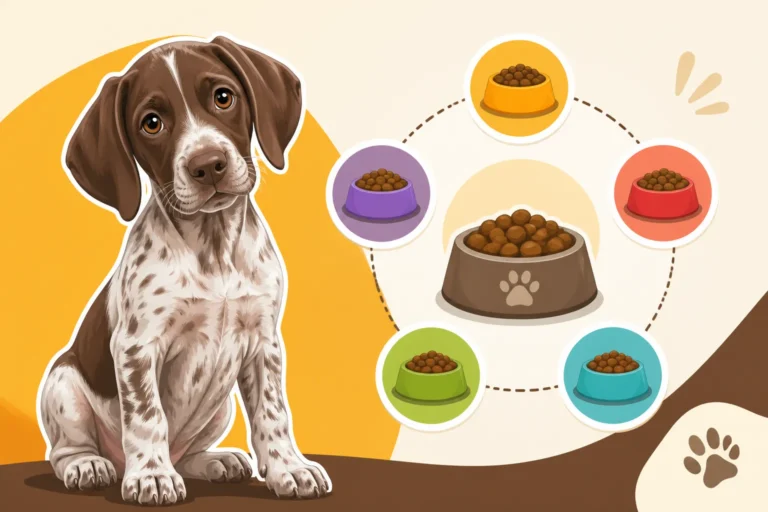
Selecting the right puppy food is one of the most important decisions you'll make in your GSP's first year. Look for a high-quality, large-breed puppy formula. Why large breed? Because GSPs are a large, athletic breed, and these formulas are specifically designed with carefully balanced calcium and phosphorus levels to support proper bone development and prevent rapid growth, which can contribute to joint issues later in life. Avoid foods that promote excessively fast growth, as this can put undue stress on developing joints. Brands like Purina Pro Plan, Royal Canin, or Eukanuba often have excellent large-breed puppy formulas.
When reviewing ingredients, prioritize real meat as the first ingredient, followed by wholesome grains or easily digestible carbohydrates. Avoid foods with excessive fillers, artificial colors, or by-products as primary ingredients. You can find a wide variety of reputable brands on platforms like Chewy, making it convenient to research and compare options. If you're considering a fresh food diet, services like Ollie are becoming increasingly popular, but discuss this thoroughly with your vet to ensure it meets all the specific nutritional needs of a growing GSP. Remember, a shiny coat, clear eyes, and consistent energy levels are all good indicators that your puppy is thriving on their food. For more specific guidance, refer to Puppy Food That Suits a Growing German Shorthaired Pointer.
Establishing a Feeding Schedule
Consistency isn't just for potty training; it's paramount for feeding too. Young GSP puppies, typically until about 4-6 months of age, usually need to eat three times a day. As they get a bit older, you can transition to two meals a day, which most adult GSPs maintain. A consistent feeding schedule helps regulate their digestive system, makes house training easier, and gives them a sense of predictability. Avoid leaving food down all day, as this can lead to picky eating, obesity, and make it harder to monitor their appetite (an early indicator of health issues).
The amount of food to feed will depend on the specific brand of food, your puppy's age, weight, and activity level. Always follow the guidelines on the food packaging as a starting point, but adjust as needed based on your puppy's body condition. If your puppy seems constantly ravenous and too thin, they might need a little more; if they're leaving food in the bowl and looking a bit chunky, reduce the amount. Your vet is an excellent resource for fine-tuning these amounts. A helpful guide like How Many Meals a Shorthair Puppy Gets can give you more details on this transition.
Monitoring Weight and Body Condition
German Shorthaired Pointers are meant to be lean, athletic dogs, and maintaining that ideal body condition from puppyhood is crucial for joint health and overall well-being. It can be tempting to let a rapidly growing puppy get a little pudgy, thinking they'll "grow into it," but excess weight puts unnecessary strain on their developing bones and joints, especially hips and elbows. You should be able to easily feel their ribs when you run your hands along their side, without them being visibly prominent. They should also have a noticeable tuck-up at their waist when viewed from above.
Regularly weighing your puppy (your vet's office often has a scale you can use, or you can buy one for home) and performing a weekly "rib check" is a simple way to monitor their condition. Keep a growth chart to track their progress. If you notice a sudden slowdown in growth, or if they seem to be gaining weight too rapidly or too slowly, consult your veterinarian. They can help you adjust their diet or investigate any underlying health concerns. This proactive approach ensures your GSP grows into a healthy, robust adult ready for all the adventures you'll share.
Physical Development: From Wobbly Pup to Adolescent Dynamo
Watching your GSP puppy transform from a clumsy little furball into a graceful, powerful athlete is one of the most rewarding aspects of their first year. This period of intense physical development requires careful management, especially concerning exercise and joint health.
Tracking Growth Milestones Month by Month
German Shorthaired Pointers undergo incredible physical changes in their first year. You'll notice their legs getting longer, their bodies becoming more streamlined, and their musculature developing. While every puppy is an individual, there are general milestones. At 8-12 weeks, they’re still mostly puppy, all paws and ears. By 4-6 months, they're in their "gangly adolescent" phase, all legs and not quite coordinated. Around 8-12 months, they start to fill out, gaining muscle and losing some of that awkwardness. However, while they may look grown, When a Shorthair Finishes Growing and Starts Filling Out, it's important to remember that their bones and growth plates aren't fully closed until much later, typically between 12-18 months.
Keeping a record of your puppy's weight and height can be fascinating and also serves as a valuable tool for your vet. Take photos regularly to document their change! This visual diary also helps you appreciate just how quickly they're changing. While there will be growth spurts and plateaus, consistent growth is a good sign. If you notice any sudden limping, favoring of a leg, or an odd gait, it's always best to consult your vet immediately, as early intervention can be key for potential orthopedic issues in a rapidly growing breed.
Safe Exercise for Growing Bones and Joints
This is where many well-meaning GSP owners make mistakes. It’s tempting to want to match your puppy’s boundless energy with endless running and jumping, but their growing bones and joints are extremely vulnerable. Controlled, appropriate exercise is absolutely critical. Short, frequent play sessions on soft surfaces like grass are ideal. Think structured walks on a leash, supervised play with other well-matched puppies, and gentle fetch in the yard. Avoid long-distance running, intense agility, or repetitive jumping before their growth plates have closed, which can be as late as 18 months. Concerns about Whether Running a Shorthair Puppy Damages Its Joints are very real.
A good rule of thumb is to limit structured exercise to about five minutes per month of age, twice a day. So, a four-month-old puppy would get about 20 minutes of structured walking. Free play in a secure yard is great, but don't force them to continue if they seem tired. Mental stimulation, like puzzle toys found on Amazon or short training sessions, is just as important as physical exercise for a GSP and doesn't put stress on joints. A balanced approach ensures their bodies develop correctly without undue strain. For more detailed information on their activity levels, check out How Much Exercise a Shorthair Puppy Should Get.
The Importance of Socialization During Critical Periods
Beyond physical development, the first year, particularly the period between 8-16 weeks, is a critical window for socialization. This isn't just about meeting other dogs; it's about positive exposure to a wide variety of sights, sounds, smells, people, and environments. Think of it as building your puppy's confidence and resilience to the world. A well-socialized GSP is much less likely to develop fear-based aggression or anxiety later on.
Safely introduce your puppy to different types of people (men, women, children, people with hats, people with glasses), different noises (traffic, vacuums, thunderstorms via sound recordings), and different surfaces to walk on (grass, pavement, gravel). Enroll them in a well-run puppy class, where they can learn appropriate play with other puppies under supervision. Carry them to places you can't let them walk, like busy urban areas, so they can observe safely. The more positive experiences they have in this crucial period, the more adaptable and well-adjusted they will be as adults. This breed is known for being outgoing, but it still needs careful early exposure to truly thrive.
Mental and Behavioral Maturation: From Curious to Confident
Your GSP puppy's brain is like a sponge during the first year, soaking up every experience and lesson. This period is paramount for shaping their temperament, training them effectively, and preventing common behavioral challenges that can arise with such an intelligent and active breed.
Early Obedience and Introduction to Training Concepts
German Shorthaired Pointers are incredibly intelligent and eager to learn, but they also have a mischievous streak and an independent mind. Starting early obedience training as soon as they come home is vital. Focus on positive reinforcement methods – rewarding desired behaviors with treats, praise, and play. Commands like "sit," "stay," "down," and a reliable "come" are foundational. Short, fun, and frequent training sessions are far more effective than long, boring ones. Remember, they're puppies, so keep expectations realistic.
Beyond basic commands, introduce them to concepts that will be important for their future, especially if they'll be working in the field. Things like "off" for not jumping on furniture, "leave it" for ignoring tempting items, and "drop it" for releasing objects. Many GSP owners also begin introducing the concept of "whoa" early on, even if it's just getting the puppy to freeze briefly. The Age a Shorthair Puppy Starts Whoa is often earlier than you might think, laying the groundwork for steadiness in the field. Consistency across all family members is essential for your puppy to understand what's expected of them.
Socializing with People, Places, and Other Dogs
While we touched on socialization under physical development, it’s worth revisiting for its profound impact on your GSP’s mental and behavioral well-being. A GSP that isn't properly socialized can become fearful, anxious, or even reactive, which is a significant challenge in such a strong and energetic dog. Beyond the critical 8-16 week window, ongoing positive socialization throughout the first year continues to build confidence and good manners. This means continuing to expose them to new sights, sounds, people, and well-behaved dogs in a controlled, positive manner.
Consider enrolling in advanced puppy or beginner obedience classes. These provide structured environments for learning and continued positive social interaction. Supervised playdates with trusted, vaccinated adult dogs can also teach your puppy appropriate canine social cues. When encountering new people, encourage gentle interactions and reward your puppy for calm greetings. The goal is to raise a confident, well-adjusted GSP who views the world with curiosity rather than apprehension, no matter where you take them.
Managing Puppy Nipping and Chewing
Puppy nipping and chewing are completely normal behaviors for a GSP puppy. They explore the world with their mouths, and they also go through a painful teething phase. While normal, it's your job to redirect these behaviors to appropriate outlets. Provide a wide variety of chew toys – soft rubber, harder nylabones, and even frozen Kongs filled with peanut butter can be lifesavers during teething. Rotate toys to keep them interesting. When your puppy nips, let out a sharp "ouch!" and immediately withdraw attention for a few seconds. If they continue, calmly remove yourself from the room for 30-60 seconds (a "reverse timeout"). This teaches them that nipping makes the fun stop. You might be surprised at The Month a Shorthair Puppy Stops Nipping if you are consistent.
For destructive chewing, ensure your puppy is getting enough mental and physical exercise, as boredom is a huge motivator for GSPs to find their own "entertainment." Puppy-proof your home by removing anything valuable or dangerous that they might chew. Supervise them closely, especially during times they are most likely to chew, like after meals or before naps. If you catch them chewing something inappropriate, redirect them immediately to an acceptable chew toy. Using bitter apple spray on furniture legs or other tempting objects can also act as a deterrent, but always pair it with offering an appropriate alternative. Consistency is key to teaching them what's okay to chew and what's off-limits.
Health Care Through the First Year: Preventing Common Issues
A healthy German Shorthaired Pointer puppy is a happy German Shorthaired Pointer puppy, and diligent health care during their first year lays the groundwork for a long, robust life. This means regular vet visits, proactive prevention against pests, and knowing what to look out for.
Completing the Vaccination Series
As mentioned earlier, your GSP puppy will receive a series of vaccinations throughout their first few months of life. These usually start around 6-8 weeks and continue every 3-4 weeks until they are about 16 weeks old, followed by a rabies vaccination. It is absolutely crucial to complete this series. Missing a booster shot can mean your puppy isn't fully protected, leaving them vulnerable to serious, potentially fatal diseases like parvovirus or distemper. Your vet will provide a schedule, and it's your responsibility to stick to it.
Beyond the core vaccines, discuss with your vet any non-core vaccines that might be beneficial based on your lifestyle and location. For example, if your GSP will be spending time in kennels, dog parks, or hunting in areas with high wildlife exposure, vaccines for kennel cough (Bordetella), leptospirosis, or Lyme disease might be recommended. Prevention is always better than treatment, especially when it comes to infectious diseases that can quickly become severe in young, developing puppies.
Parasite Prevention and Control
Internal and external parasites are a common challenge for puppies. Your GSP puppy likely came with a dose of dewormer, but regular fecal checks and ongoing deworming protocols are often recommended by vets throughout the first year. Common internal parasites include roundworms, hookworms, whipworms, and tapeworms, all of which can impact your puppy's growth, digestion, and overall health. Heartworm prevention is also critical, especially if you live in an area where mosquitoes are prevalent. This is typically a monthly oral or topical medication prescribed by your vet.
External parasites like fleas and ticks are not only irritating but can also transmit diseases. Given a GSP's active outdoor lifestyle, especially if they're exploring fields and woods, robust flea and tick prevention is essential. Your vet can recommend a variety of effective options, from monthly chewables to topical treatments. Platforms like Chewy and Amazon offer a wide selection of these products, but always consult your vet for the best choice for your specific puppy and region. Regular grooming and a quick check after outdoor adventures can also help you spot and remove ticks early.
Recognizing and Addressing Common Puppy Health Concerns
Even with the best care, puppies can encounter health hiccups. Knowing what's normal and what warrants a vet visit is important. Diarrhea or vomiting that lasts more than 24 hours, is severe, or is accompanied by lethargy, loss of appetite, or abdominal pain, should always prompt a call to your vet. Puppy diarrhea can quickly lead to dehydration. Limping or lameness, especially in a rapidly growing GSP, should be evaluated to rule out growth plate injuries or conditions like panosteitis.
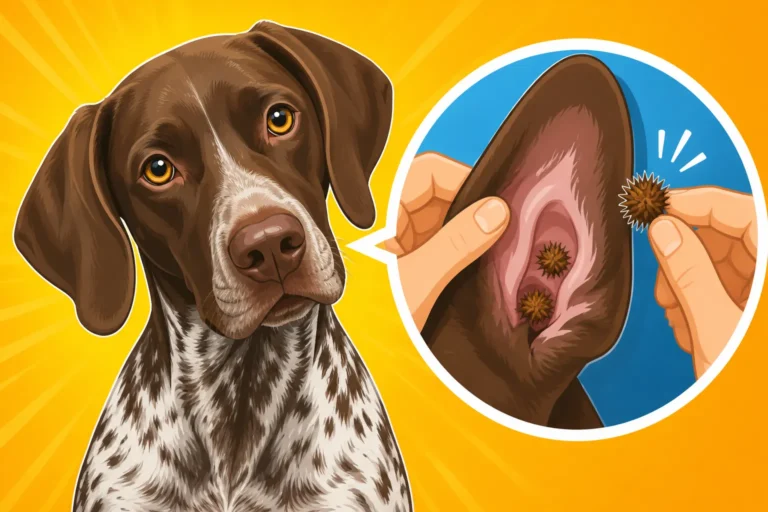
Other common concerns include ear infections (GSPs have floppy ears that can trap moisture), skin irritations, or coughing. Don't self-diagnose or self-treat serious symptoms. Your vet is your best partner in keeping your GSP healthy. Early detection and treatment of health issues, no matter how minor they seem, can prevent them from becoming more serious problems and ensure your GSP puppy maintains their robust energy and zest for life. Being aware of The First Year Bills on a German Shorthaired Pointer can also help you budget for unexpected vet visits.
Transition to Adulthood: Diet and Exercise Adjustments
As your German Shorthaired Pointer approaches their first birthday, you'll notice them mature, both physically and mentally. This period requires some deliberate adjustments to their diet and exercise regimen to support their developing adult body and maintain their athletic physique.
When to Switch from Puppy to Adult Food
The transition from puppy food to adult food is a significant dietary change. For large breeds like German Shorthaired Pointers, this typically occurs around 12-18 months of age, once their growth plates have largely closed and their rapid growth phase has tapered off. Your veterinarian will be the best resource for pinpointing the exact right time for your individual GSP, as growth rates can vary. Switching too early can deprive them of crucial nutrients for growth, while staying on puppy food too long can contribute to obesity or excessively rapid growth, potentially impacting joint health. Moving a Shorthair From Puppy Food to Adult should always be a gradual process.
Once you get the green light from your vet, transition your GSP slowly over 7-10 days. Start by mixing 25% new adult food with 75% puppy food for a few days, then move to a 50/50 mix, then 75% adult food, and finally, 100% adult food. This gradual introduction helps prevent digestive upset. Choose a high-quality adult maintenance formula that's appropriate for active, large-breed dogs. Again, brands readily available on Chewy or Amazon often offer excellent choices, but always check the ingredient list and guaranteed analysis.
Preparing for Increased Exercise Demands
By the time your GSP is around 12-18 months old and their growth plates are closed, they're generally ready for more intense and prolonged exercise. This is when you can gradually introduce them to activities like longer runs, more strenuous hikes, or even beginning specialized field training. However, "gradually" is the key word. Don't jump from casual walks to a 5-mile run overnight. Build up their endurance and muscle tone over several weeks or months. This is also the time when you might consider incorporating more sustained activities like cycling alongside them (with proper training and safety gear) or longer retrieve sessions.
German Shorthaired Pointers thrive on having a job to do and ample opportunity to burn off their incredible energy. If they're going to be a hunting companion, this is when their formal field training really kicks into high gear, building on the foundational obedience you've established. If they're a family companion, consider activities like agility, dock diving, or advanced obedience to challenge both their bodies and minds. A GSP needs a solid The Structure a German Shorthaired Pointer Needs Daily to stay happy and well-behaved.
Continuous Training and Reinforcement
Just because your GSP is no longer a puppy doesn't mean training stops. In fact, adolescence can bring a whole new set of behavioral challenges as they test boundaries and assert their independence. Continued training and consistent reinforcement of good behaviors are essential throughout their adult life. Enroll in advanced obedience classes, explore canine sports, or simply incorporate short training sessions into your daily routine. This not only keeps their minds sharp but also strengthens the bond between you.
Working on a reliable recall, refining leash manners, and proofing commands in distracting environments will be ongoing tasks. A GSP with a solid foundation in obedience is a joy to live with, whether they're in the field or relaxing at home. Always remember that positive reinforcement yields the best results with this sensitive and intelligent breed. Harsh corrections can shut them down or erode their trust, making them less willing to work with you.
Anticipating the Teenage Phase: Energy and Independence
Ah, the "teenage" phase of a GSP. Just like human teenagers, your German Shorthaired Pointer will go through a period of testing boundaries, increased independence, and sometimes, selective hearing, typically between 6 months and 2 years of age. It's a challenging but crucial part of their development.
Understanding Adolescent Behavior Shifts
During adolescence, you might feel like your sweet, attentive puppy has suddenly transformed into a mischievous, boundary-testing rascal. This is a normal developmental stage. Hormonal changes, combined with their increasing confidence and strength, can lead to behaviors like increased chewing, "forgetting" previously learned commands, pulling on the leash, increased vocalization, or a sudden burst of independence on walks. They're not doing it to spite you; their brains are still developing, and they're learning how to navigate their place in the world.
It's vital during this phase to maintain consistency with rules, boundaries, and training. Don't throw in the towel or assume your GSP is suddenly "untrainable." Revisit basic obedience, practice commands in a variety of environments, and be even more patient and clear with your expectations. Think of it as reinforcing the good habits you've already built, rather than starting from scratch. It's also a time when they are incredibly energetic and need appropriate outlets for that energy.
Channeling Boundless Energy Constructively
German Shorthaired Pointers are, by their very nature, high-energy dogs. During adolescence, this energy can feel truly boundless. If not channeled constructively, it can lead to destructive behaviors, anxiety, or hyperactivity. This is where regular, vigorous exercise becomes indispensable. Beyond physical exertion, GSPs need mental stimulation to truly tire them out. Consider interactive puzzle toys, scent work games (which tap into their strong hunting instincts), or training new tricks.
A daily routine that incorporates a mix of physical and mental exercise is ideal. This could mean a long morning walk or run, followed by a training session or a puzzle toy before you leave for work, and another vigorous play session or walk in the evening. For those living in areas with dog parks, supervised off-leash play can be a fantastic way for them to burn steam, but ensure your GSP has a reliable recall first. Remember, a tired GSP is a good GSP, and meeting their energy needs is key to a harmonious household.
Setting Boundaries and Consistent Expectations
The adolescent phase is all about learning limits. Your GSP will push boundaries, not out of malice, but to understand what they can and cannot get away with. It's up to you to be a firm, fair, and consistent leader. This means that if "no jumping on the couch" is a rule, it needs to be a rule all the time, for everyone. Inconsistency is incredibly confusing for dogs and will prolong the boundary-testing phase.
Continue to use positive reinforcement for desired behaviors and calmly redirect or interrupt unwanted ones. Avoid getting angry or frustrated, as this rarely helps. Instead, take a deep breath, and reassess how you can make your expectations clearer. Enroll in an intermediate obedience class to gain new tools and strategies for navigating this phase. Remember that your GSP is still learning and maturing; with patience and consistency, they will eventually grow into the wonderful, well-mannered adult dog you envision. The key is to persevere through this challenging but temporary period.
Disclaimer
This article is for general informational purposes only and does not constitute professional advice. Laws, prices and regulations vary by location and change over time. Consult a qualified professional for guidance on your specific situation.