The Age a Shorthair Puppy Starts Whoa
The boundless energy and innate drive of a German Shorthaired Pointer puppy are captivating, aren't they? You see that raw potential, that incredible desire to hunt, and you know there are crucial commands to teach. One of the most important, and often misunderstood, is "whoa." It's not just a fancy trick; it's the cornerstone of a well-mannered hunting partner and a safer dog overall. Getting the timing right for introducing this command can feel like a high-stakes game, but this guide will walk you through the sweet spot for starting your GSP puppy on the path to perfect steadiness.
Understanding the "Whoa" Command for Your German Shorthaired Pointer Puppy
When we talk about "whoa" for a German Shorthaired Pointer, we're not just discussing a simple obedience command like "sit" or "stay." While those are certainly important for basic manners around the house, "whoa" delves much deeper into the very essence of what makes a GSP such a phenomenal bird dog. It’s a command that harnesses their intense prey drive and teaches them to control their instincts in the most exciting situations.
More Than Just "Stop": The Instinctive Hold
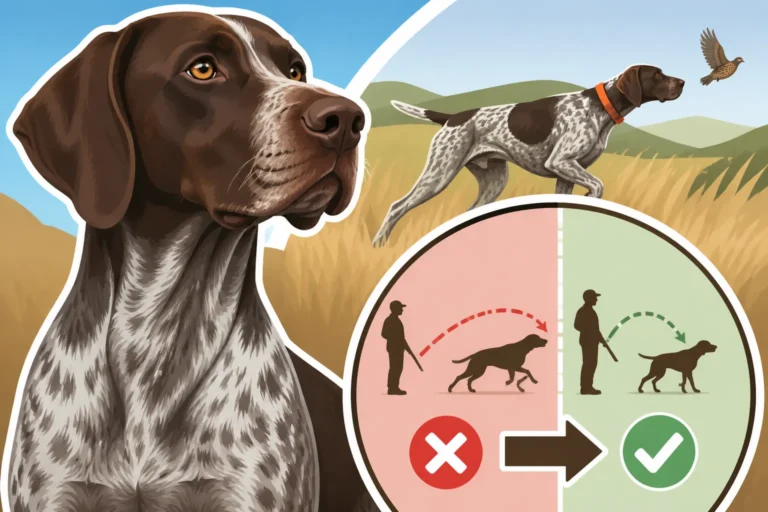
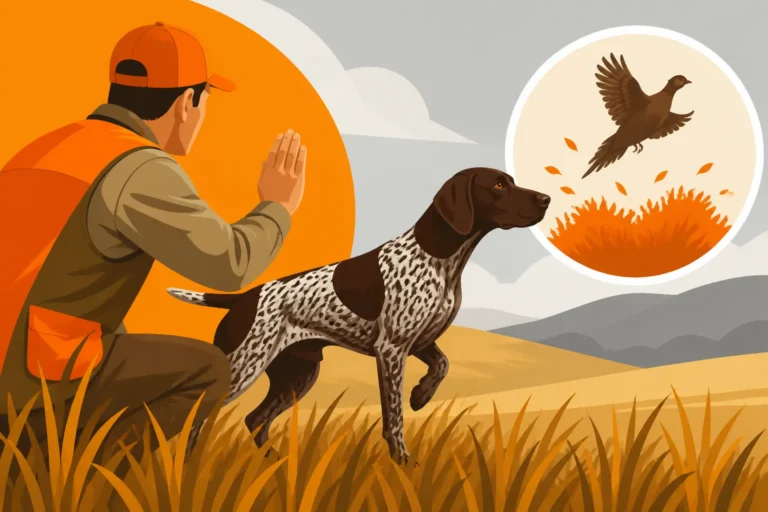
Imagine your GSP puppy, nose to the ground, locked on a scent. Their body is rigid, tail straight, eyes fixed. This is their natural point, a magnificent display of their heritage. Now, imagine they want to break that point and pounce, or chase. This is where "whoa" comes in. It's the command that says, "Freeze. Hold that position. Do not move forward, no matter what." It teaches them to remain absolutely still, often until you've flushed the bird and taken a shot, or given them a release command. It’s an instinctive hold, a disciplined pause in the face of overwhelming temptation. It demands mental discipline, which is why introducing it correctly is so critical. For a breed like the GSP, whose entire purpose is to find and point game, this command becomes an extension of their natural ability, refining it into a polished, cooperative act.
The beauty of a well-trained "whoa" is that it allows the dog to maintain its focus on the game without interfering with the handler's ability to approach, flush, and shoot. It transforms a powerful, instinct-driven animal into a true hunting partner, working in tandem with you. This level of control is what truly elevates a good bird dog to a great one. Without it, you'd constantly be chasing a dog that bumps birds or retrieves prematurely, making for a frustrating and less productive hunt. It's about respecting the bird, the hunt, and your own safety.
Why Steadiness is Paramount for a GSP's Future
Steadiness, achieved through the "whoa" command, is paramount for several reasons, extending beyond just effective hunting. First and foremost, it’s about safety. A dog that remains steady to wing and shot isn't running into the line of fire. It ensures that both the dog and the hunter can operate safely in the field. Secondly, it contributes to ethical hunting. A steady dog allows for proper shot selection and prevents "bumping" birds, giving them a fair chance to fly. If a dog charges in and flushes the bird prematurely, it can scare the game away before you’re ready, or worse, cause it to fly into unsafe areas. Reading a Shorthair's Point Before It Breaks can help you anticipate when to apply that "whoa" command to reinforce their natural pause.
Beyond the hunt, a dog that understands "whoa" is generally a more disciplined and manageable companion. This mental control translates into other aspects of their life. For competitive hunters, steadiness is a requirement for advanced titles in organizations like NAVHDA and AKC hunt tests. A GSP that can maintain its focus and composure, even when other dogs are working or birds are flying, demonstrates a higher level of training and partnership. Think about it: a GSP that is rock-solid on point means you can confidently walk in, flush the bird, and take your shot without worrying about your dog breaking and spoiling the opportunity. This level of calm and control is a testament to the time and effort invested in their training. What the Natural Ability Test Scores on a Shorthair includes elements where steadiness, even if not explicitly required, is beneficial to show the dog's composure and natural pointing ability.
Pinpointing the Ideal Age for "Whoa" Introduction
Finding the right time to introduce "whoa" to your German Shorthaired Pointer puppy can feel like a delicate balance. You don't want to rush them and create frustration, but you also don't want to wait so long that bad habits become ingrained. It's not just about their chronological age, but their mental and emotional readiness.
The Window of Opportunity: Mental Maturity and Attention Span
Generally, the sweet spot for introducing the concept of "whoa" to a GSP puppy is often between four and six months of age. This is a fantastic developmental window where puppies are past the initial whirlwind of babyhood, their attention spans are starting to lengthen, and they're becoming more receptive to learning structured commands. At this age, their brains are like sponges, soaking up new information, and they're usually eager to please. They've also likely developed some basic obedience like "sit," "stay," and "come," which are prerequisites for the more advanced concept of "whoa." Trying to teach "whoa" to a two-month-old puppy, for example, is likely to be met with confusion and frustration for both of you, as their little minds are still very much focused on exploring, playing, and simply existing in their new world.
It's less about the exact day they turn a specific age and more about observing their individual progress. Look for signs that your puppy can focus on you for short periods, understands cause and effect (e.g., "sit" gets a treat), and isn't easily overwhelmed by new experiences. They should be confident enough to try new things but also mature enough to understand a structured request. This is also the age when they start to really explore their pointing instincts, so gently guiding that instinct with "whoa" can be incredibly productive. For instance, if your puppy is consistently holding a playful point on a leaf or a butterfly, that's a perfect natural instinct to build upon. However, remember that consistency and patience are key; you're not looking for perfection right away, but rather a solid foundation.
What Happens If You Start Too Early or Wait Too Long
Starting "whoa" training too early, before your GSP puppy has the mental capacity to grasp the concept, can lead to several problems. It can make the puppy feel confused, stressed, and even shut down. If every attempt to teach "whoa" is met with frustration from you, the puppy might associate the command with negative feelings, making it much harder to teach later on. You don't want to "burn out" your pup on training before they've even really begun their learning journey. It's like asking a toddler to solve a calculus problem; they just don't have the tools yet, and it can sour their interest in learning altogether.
On the flip side, waiting too long, perhaps until your GSP is well over a year old, can create its own set of challenges. By this age, your GSP will have had ample opportunity to develop and reinforce undesirable habits in the field. They might have a strong tendency to chase birds after they flush, or to break point prematurely. Correcting these deeply ingrained habits can be significantly more difficult and time-consuming than teaching the command correctly from the outset. It’s a lot easier to mold a young mind than to reshape established behaviors. An older dog might have a strong prey drive that has been allowed to run unchecked, making the disciplined "whoa" command a much harder concept to accept. The Adolescent Shorthair That Stops Listening is a common phase where established habits can become particularly stubborn, making early, correct training all the more valuable.
Step-by-Step: Introducing "Whoa" with Positive Reinforcement
Introducing the "whoa" command should always be a positive and gentle experience for your GSP puppy. The goal is to build understanding and confidence, not fear or aversion. We want them to associate "whoa" with good things, even when it means holding still in exciting situations.
Building Foundation with a Whoa Post or Elevated Table
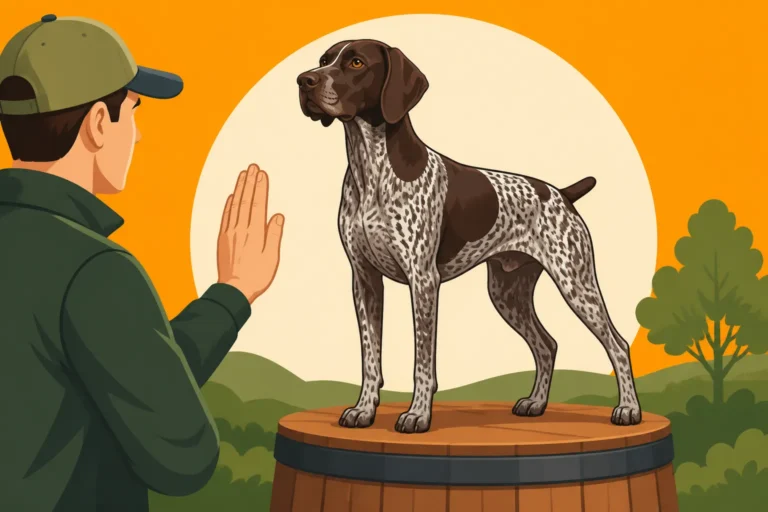
One of the most effective and gentle ways to introduce the "whoa" command is by using a whoa post or an elevated table. This method isolates the puppy, preventing them from moving forward or backward, which allows them to focus solely on the verbal command and the feeling of holding still. For a wiggly GSP puppy, having their feet off the ground often provides a moment of calm, as they're naturally more inclined to stand still in an unfamiliar, elevated position. You can use a sturdy grooming table or build a simple whoa post with a platform just large enough for your puppy to stand comfortably.
Start by placing your puppy on the table or whoa post. Have a The Structure a German Shorthaired Pointer Needs Daily of their daily exercise to ensure they are not overly rambunctious. With a gentle hand on their flank or under their chin, say "whoa" calmly and firmly. Hold them steady for just a few seconds, then immediately praise them lavishly and offer a high-value treat. The key here is short, positive repetitions. You're not asking them to stand there for five minutes; you're asking for a second or two of stillness. Gradually increase the duration as they understand. This method removes distractions and physical temptations, allowing the puppy to make the connection between the word "whoa" and the act of being still. You'll find many trainers advocate for this method because it sets the dog up for success and minimizes the potential for conflict. Whether a Shorthair Puppy Needs a Whoa Post details this method further.
The Role of the Check Cord and Consistent Cues
Once your puppy is comfortable with the whoa post, the next step is to introduce the command on the ground using a check cord. A check cord is a long, lightweight rope, often 15 to 30 feet in length, that allows you to give guidance without direct physical contact. You can find quality check cords on platforms like Amazon, offering various lengths and materials to suit your training needs. Start in a quiet, distraction-free area, like your backyard. Let your puppy walk a few steps, then gently step on the check cord near their collar to stop their forward momentum. As they stop, immediately say "whoa" in a calm, firm voice. When they stand still, even for a second, release the pressure on the cord, praise them enthusiastically, and reward them with a small treat.
The magic of the check cord is that it provides a consistent physical cue that complements your verbal command. It's not about jerking or pulling harshly; it's about applying gentle pressure that immediately stops forward movement, followed by a quick release when they comply. This teaches the puppy that "whoa" means to stop moving and stay still, and that compliance leads to praise and reward. Remember, consistency is paramount. Every time you say "whoa," you should expect stillness, and every time they offer stillness, they should be rewarded. Avoid nagging or repeating the command without action. One "whoa" should be enough. This builds respect for the command and helps your GSP understand that it’s not optional. Building Whoa on a Shorthair With a Check Cord offers deeper insights into this technique.
Keeping Training Sessions Short, Sweet, and Successful
German Shorthaired Pointers, especially puppies, have a remarkable amount of energy but surprisingly short attention spans when it comes to formal training. This is why keeping "whoa" training sessions short, sweet, and successful is absolutely vital. Aim for sessions that last only 5 to 10 minutes, perhaps two or three times a day. It's far more effective to have multiple short, positive sessions than one long, grueling one that leaves both you and your puppy frustrated. Think about incorporating some brain games or scent work, like Puzzle Feeders and Scent Games for a Shorthair, between these more structured sessions to keep them mentally stimulated without burning them out on "whoa."
Always end on a high note. As soon as your puppy performs the "whoa" command correctly, even if it's just for a brief moment, give them immense praise, a fantastic treat, and then immediately stop the session with a fun game or a break. You want them to walk away feeling successful and eager for the next training opportunity. If you push too long, you risk overwhelming them, and they'll start to associate training with boredom or negativity. This approach fosters a love for learning and strengthens the bond between you and your dog, making them a more willing and enthusiastic participant in all future training. Remember, you're building a foundation, not rushing to a finished product.
Advancing Whoa Training and Troubleshooting Common Hurdles
Once your GSP puppy has a basic understanding of "whoa" in a controlled environment, it's time to gradually introduce more complexity. This is where the real art of training comes in – moving from theory to practical application in the field.
Gradually Adding Distractions: From Wings to Live Birds
After mastering "whoa" on the post and with the check cord in a quiet area, the next natural step is to introduce mild distractions. Start with something simple, like walking around your puppy while they're on whoa, or having another person walk by at a distance. Gradually, you can introduce a "wing on a string" or a dead bird. Drag a wing on a string past your whoa-ed puppy, applying gentle check cord pressure if they try to break. The goal is for them to remain perfectly still, even with the irresistible scent and sight of game. Praise and reward heavily when they hold. Wing on a String for a Shorthair Puppy is an excellent tool for this stage.
Once they're solid with inanimate objects, you can move to controlled introductions with live birds. Pigeons are often used for this because they're readily available and typically don't fly too far. Place a pigeon in a bird launcher or simply hold it while your puppy is on whoa a short distance away. Flush the bird, and if your puppy tries to move, use the check cord to correct them firmly but gently, and immediately bring them back to the "whoa" position. Repeat until they hold steady to the flush. This takes patience and consistency. You're teaching them that the reward isn't chasing the bird, but the praise and attention they get for holding their point. Using Pigeons to Start a Shorthair provides a detailed guide on how to integrate live birds into your training routine, allowing your GSP to build confidence and steadiness around the real thing. This stage is where you start to see their natural hunting instincts truly intertwine with their learned discipline.
Recognizing and Correcting Common Training Errors
Even with the best intentions, it's easy to make mistakes during "whoa" training. One of the most common errors is inconsistency. If you sometimes allow your GSP to break point or chase, and other times demand a perfect "whoa," your dog will become confused and learn that the command is optional. Always enforce "whoa" when you give it. Another pitfall is losing your temper. Frustration can build when a high-drive GSP puppy struggles, but harsh corrections or anger will only create fear and potentially make your dog "soft" or timid, shutting down their natural drive. Remember, positive reinforcement builds desire; punishment can extinguish it.
Another common mistake is rushing the process. Trying to go from a whoa post to live birds in one week is asking for trouble. Each step needs to be thoroughly understood before moving on. Your puppy's learning pace should dictate the training schedule, not your eagerness. Also, ensure you are not relying solely on the check cord as a crutch; the goal is for the dog to perform "whoa" independently, not just because they're physically restrained. If you find your GSP is consistently struggling, it might be worth checking out online resources or training programs, such as those offered by BAXTER & Bella, which can provide structured guidance and support. They emphasize positive, confidence-building methods that are crucial for a sensitive breed like the German Shorthaired Pointer. Common Mistakes That Ruin Whoa on a Shorthair is an excellent resource to dive deeper into these issues and learn how to avoid them.
Essential Tools and Resources for Consistent Progress
To ensure consistent and successful "whoa" training for your German Shorthaired Pointer, having the right tools and resources at your disposal can make a world of difference. As we've discussed, a good check cord is indispensable. Look for one that's durable, lightweight, and easy to handle; a 20 or 30-foot cord made of nylon or polypro is usually a great starting point, and you can find many options on Amazon. A whoa post or a sturdy grooming table provides an ideal controlled environment for initial introductions.
Beyond physical tools, investing in your own knowledge is perhaps the most valuable resource. Books, online courses, and local bird dog clubs or trainers can offer invaluable guidance. Programs that focus on positive reinforcement and building a strong foundation, like the BAXTER & Bella online puppy school, can be particularly helpful for new GSP owners, as they break down complex training into manageable steps. These resources often provide step-by-step videos and a supportive community, which can be a huge confidence booster when you're navigating the nuances of gun dog training. Don't forget the power of high-value treats and enthusiastic praise – these are your most potent motivators. Finally, always remember to manage your GSP's energy; What an Under Exercised Shorthair Does to a House is a stark reminder that physical outlets are crucial for a focused mind.
Disclaimer
This article is for general informational purposes only and does not constitute professional advice. Laws, prices and regulations vary by location and change over time. Consult a qualified professional for guidance on your specific situation.