Using Pigeons to Start a Shorthair
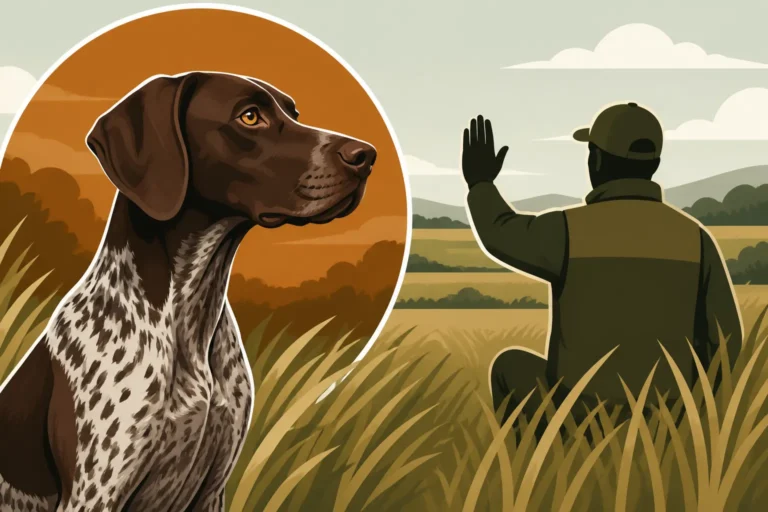
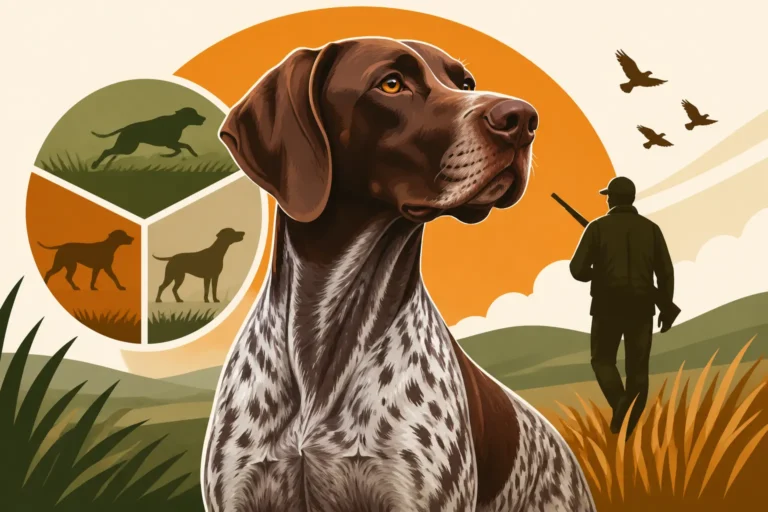
Many German Shorthaired Pointer owners dream of seeing their dog on point, nose twitching, locked onto a bird. But getting a spirited, often rambunctious Shorthair puppy from zero to that first solid point can feel like an insurmountable challenge, especially when you're worried about ruining their natural instincts. This guide will walk you through how to successfully use pigeons as your German Shorthaired Pointer's crucial first step in bird training, setting them up for a lifetime of successful hunting or field work.
The Undeniable Advantage of Pigeons for Early Bird Work
When it comes to introducing a young German Shorthaired Pointer to birds, pigeons are truly in a league of their own. They offer a unique combination of availability, manageability, and scent that makes them ideal for building confidence and developing natural instincts without overwhelming a green puppy. Trying to jump straight to pheasants or quail can often be too much too soon, leading to issues like bumping birds or becoming bird-shy.
Why Pigeons Are the Preferred Starting Bird
Pigeons are hardy birds, which means they can withstand the rigors of training better than some more delicate game birds. They don't typically fly long distances when released, especially if they are homing pigeons that want to return to their loft, or if their flight feathers are temporarily trimmed (called "crippling" or "hobbling" in training terms, done humanely to limit flight). This controlled flight pattern allows for repeated exposures in a relatively small area, which is perfect for a puppy that's still learning the ropes. Imagine trying to work with a pheasant that flushes wild and flies a quarter mile away every time – it's simply not practical for repetitive, foundational training.
Beyond their flight characteristics, pigeons also carry a strong, distinct scent that is easily detectable by a young Shorthair's powerful nose. This strong scent helps the puppy key in on what they're supposed to be finding, rather than getting distracted or confused. It’s a clear signal, and that clarity is invaluable in these early stages. Plus, pigeons are often more readily available and less expensive than other game birds, making them a sustainable choice for frequent training sessions. You can usually find breeders or suppliers in your area or even raise your own.
Building Confidence and Drive with Controlled Exposure
The goal of early bird work isn't perfection; it's about building confidence and igniting that innate drive. Pigeons allow you to control the environment and the interaction, ensuring a positive experience for your Shorthair. When a young dog has a good experience with a bird – a successful find, a clear point, a non-intimidating flush – it reinforces their natural instincts and makes them eager for more. This positive reinforcement is critical. If a puppy has a negative experience early on, like a bird flying right into their face or being too hard to find, it can create hesitation or even fear.
Think of it this way: you wouldn't teach a child to ride a bike by throwing them down a mountain. You start with training wheels, on flat ground, in a safe space. Pigeons are your Shorthair's training wheels. They provide just enough challenge to engage their instincts but enough control to prevent discouragement. This controlled exposure helps a Shorthair develop a strong retrieve and a solid point, without the pressure of a real hunting scenario. This gentle introduction can also help prevent issues later on, such as a dog that bumps birds or becomes too aggressive on point.
Laying the Foundation: Pre-Pigeon Training Essentials
Before you even think about introducing a bird, your German Shorthaired Pointer needs a solid foundation of obedience and conditioning. Skipping these crucial steps is like trying to build a house on sand – it might stand for a bit, but it won’t last. A well-mannered, physically prepared Shorthair puppy will be much more receptive to bird training and far less likely to develop bad habits.
Basic Obedience and Socialization First
It might sound obvious, but a Shorthair that knows its basic commands is a safer, more trainable dog. "Come," "sit," and "stay" are non-negotiable. Imagine trying to control a puppy locked onto a bird if it has no recall! Before you start with pigeons, your Shorthair should reliably respond to these commands in a variety of environments, even with some distractions. This isn't about crushing their spirit; it's about establishing clear communication and respect.
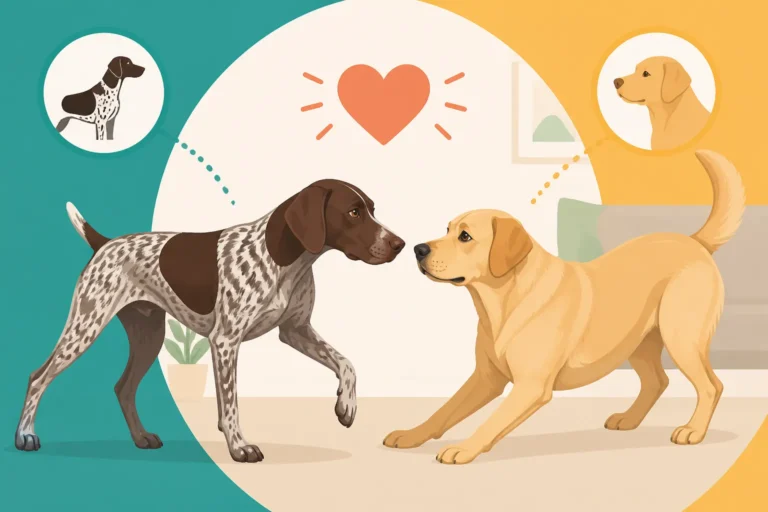
Beyond commands, proper socialization is also key. Your puppy should be comfortable with new sights, sounds, people, and other dogs. A Shorthair that's anxious or easily spooked will have a harder time focusing on birds. Consider enrolling in puppy classes or using online resources like BAXTER & Bella to solidify these fundamental skills. A well-socialized and obedient puppy is less likely to panic when a bird flutters, allowing them to engage their natural instincts rather than fear. You want them confident and curious, not wary. Many of the problems people run into with high-drive dogs often stem from a lack of consistent early training, and that includes bird work.
Conditioned to the Environment and Gear
Your Shorthair needs to be comfortable in the environments where you'll be training, which often means open fields, cover, and sometimes even water. Start by simply walking them in these areas, letting them explore and get used to the sounds and smells. It’s not just about the birds; it’s about the whole experience. Introduce them to any gear you'll be using, like a check cord, or a tracking collar. Let them wear a lightweight vest for short periods. Make it a positive experience with treats and praise.
If your Shorthair isn't used to a check cord, for example, they might spend more time fighting the cord than focusing on the bird. The goal is to make the equipment an extension of you, not a distraction. Gradually introduce them to the sound of a cap pistol or starter pistol from a distance before ever bringing a bird into the equation. This slow, steady introduction to stimuli helps prevent a dog from becoming gun-shy later on. You want to make sure your dog is relaxed and ready to learn when the pigeons come out, not overwhelmed by novel experiences.
Bringing in the Birds: Step-by-Step Pigeon Introduction
Now for the exciting part! Introducing your German Shorthaired Pointer to pigeons needs to be a systematic and positive experience. The goal is to nurture their natural pointing and retrieving instincts, not to force them or create fear. Patience is paramount, and consistency is your best friend.
The First Encounter: Scent and Sight Without Pressure
Your Shorthair's very first introduction to a pigeon should be low-pressure. You want to pique their curiosity, not scare them. Start with a dead pigeon or a bird wing. Let your puppy investigate it naturally. Drag it on the ground for them to follow, letting their nose do the work. Don't push it too hard. If they pick it up, praise them. If they just sniff it, that's fine too. This is simply to introduce the scent and texture.
Once they're comfortable with a dead bird, move to a live, captive pigeon in a pigeon basket or release box. Let the puppy sniff the box, hearing and smelling the bird without being able to get at it. This builds anticipation and excitement. Many trainers use small, easy-to-handle bird release boxes that you can find on platforms like Amazon. These devices allow you to control when and how the bird is released, which is crucial for successful training. The idea is to build desire before adding the element of a live, flying bird. Remember, the wing on a string for a Shorthair puppy can also be a fantastic precursor to this step, stimulating their prey drive in a playful, low-stakes way.
Controlled Release and the Developing Point
When your Shorthair is showing keen interest in the captive bird, it's time for the first controlled release. Start in an open field with short cover, where the bird won't disappear instantly. Use a pigeon that has had its flight feathers trimmed (humanely, of course, to limit its flight distance), or a homing pigeon you know will return. Place the pigeon in a "plant" or a "trap" – essentially a small, covered area where the pigeon can hide until you're ready. Have your Shorthair on a long [check cord] with a helper.
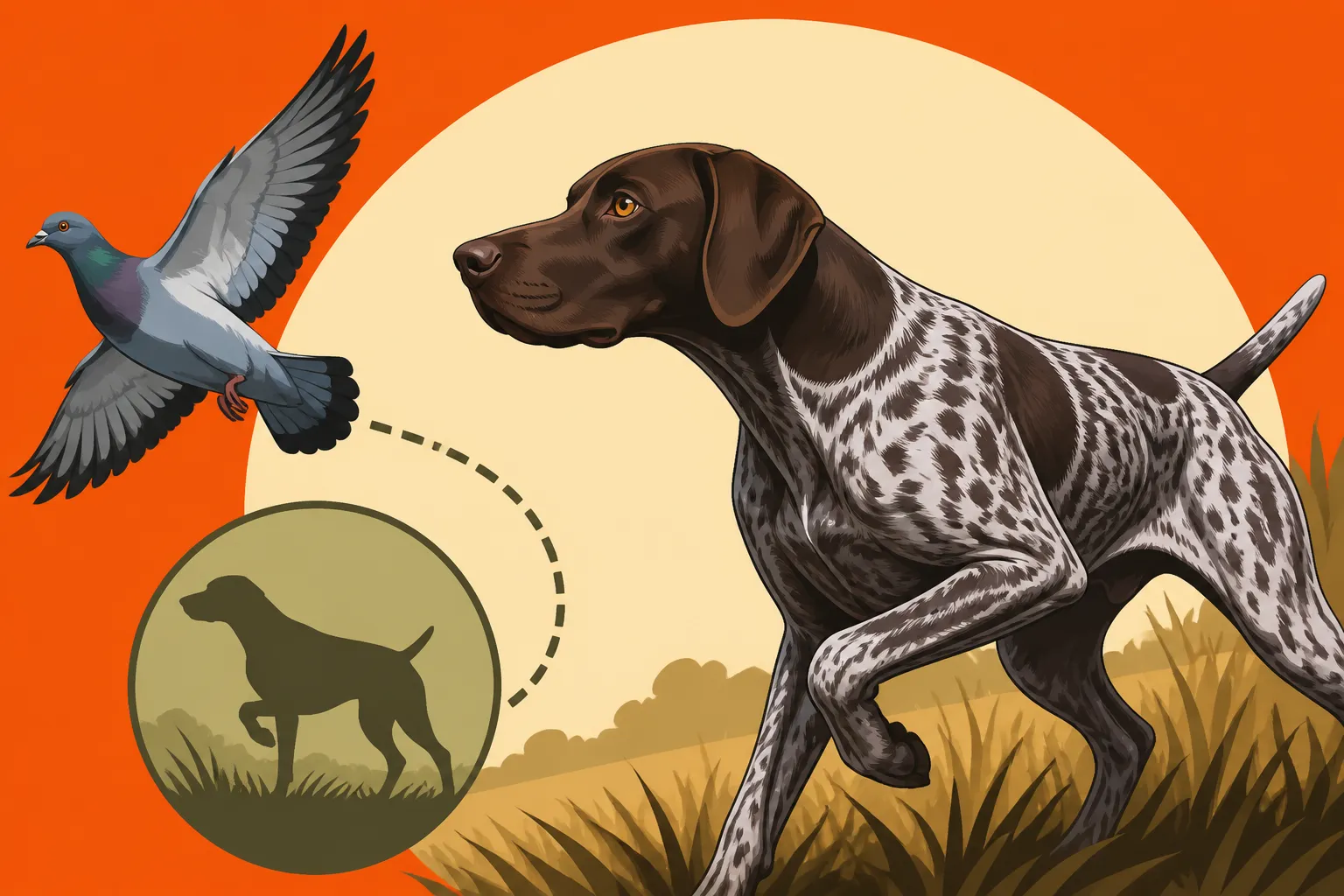
Walk your Shorthair into the wind, letting their nose guide them toward the hidden pigeon. As they get close and scent the bird, you'll see that characteristic GSP intensity – a stiffening, a raised head, maybe even a tail wagging with excitement. This is the moment they might naturally begin to point. If they freeze, praise them calmly and let them hold it. Then, have your helper flush the bird. Most young Shorthairs will want to chase; let them for a short distance, then gently restrain them with the check cord. The goal is to encourage the point and chase instinct, then gradually teach them steadiness. Repeat this several times, always ending on a positive note. The age a Shorthair puppy first points can vary, but these early experiences are vital for shaping that behavior.
Guiding the Retrieve
Once your Shorthair is consistently pointing and chasing the released pigeons, you'll start working on the retrieve. For these early retrieves, ensure the bird is truly incapacitated or dead, to prevent the puppy from hurting it or developing a "hard mouth" from trying to kill a struggling bird. Again, controlled scenarios are key. Use a short toss first, praising enthusiastically when they bring it back. If they drop it short, walk towards them, encouraging them to bring it closer. Never chase them; that turns it into a game of keep-away.
Some Shorthairs are natural retrievers, others need a bit more coaxing. Keep it fun and light. If you have a particularly soft-mouthed Shorthair, you might use a soft dummy first, then graduate to a dead pigeon. This process is all about building desire and a positive association with bringing the bird back to you. Eventually, you’ll work toward a "to-hand" retrieve, where they deliver the bird directly into your hand. This is often an ongoing process that continues well beyond pigeons.
Troubleshooting and Advancing Your Shorthair's Pigeon Training
Even with the best intentions and preparations, training a German Shorthaired Pointer can present its unique set of challenges. Knowing how to address common issues and when to progress to the next stage will be crucial for your Shorthair's development.
When Your Shorthair Bumps Birds or Shows Too Much Drive
It's not uncommon for a young, high-energy Shorthair to get so excited by a pigeon that they rush in and bump the bird before it can fly. This is a natural instinct, but it's one you need to correct early. The key here is control and repetition. Go back to the building Whoa on a Shorthair with a check cord technique. Keep the check cord on, and as they approach the scent cone of the hidden pigeon, give your "Whoa" command. If they try to creep or rush, a gentle but firm tug on the check cord reinforces the command. The idea is to teach them that they need to wait for your signal before moving in.
For Shorthairs with too much drive, it can be a blessing and a curse. You love their enthusiasm, but it needs to be channeled. Short, frequent sessions are better than long, exhausting ones. Always end on a successful note, even if it's a small success. If your dog is getting over-stimulated, step back, take a break, and try again when they're calmer. Sometimes a short session focused purely on "whoa" in a non-bird environment can help reinforce control. Remember, it can take how many birds it takes to steady a Shorthair can vary wildly, but consistency is key.
Introducing the Gun and Moving to Other Birds
Once your Shorthair is consistently pointing pigeons and you've started working on steadiness, you can begin introducing the sound of a gun. This must be done gradually and carefully to prevent gun shyness. Start with a very small pop, like a cap pistol, from a great distance while the dog is focused on finding a bird. Do not fire a gun when the dog is not engaged or is startled. Gradually decrease the distance and increase the sound as your dog demonstrates comfort. For more detailed steps, refer to resources like starting a Shorthair's gun introduction with a cap pistol.
After your Shorthair is steady to wing and shot with pigeons, you can begin to introduce other game birds like quail or chukar. These birds typically offer a faster flush and a different scent, preparing your Shorthair for a wider range of hunting scenarios. Continue to use controlled releases and reinforce all the commands you've taught. Always remember to make training a positive experience, building on successes, and addressing challenges with patience and consistency. The ultimate goal is a confident, well-trained German Shorthaired Pointer ready for the field.
| Training Stage | Description | Key Focus | Equipment Needed |
|---|---|---|---|
| I. Scent Introduction | Allow puppy to investigate dead pigeon or wing. | Building curiosity, positive association with bird scent. | Dead pigeon/wing, safe training area. |
| II. Live Bird Exposure | Puppy sniffs caged pigeon (basket/release box). Controlled visual exposure without direct contact. | Building anticipation, associating sight/sound with scent. | Live pigeon, pigeon basket/release box (e.g., from Amazon), treats. |
| III. Controlled Point | Shorthair on check cord, guided to hidden, limited-flight pigeon. Helper flushes. | Encouraging natural point, introducing "Whoa" command. | Limited-flight pigeon, check cord, bird launcher/plant, helper. |
| IV. Steady to Flush | Reinforce "Whoa" as bird flushes; prevent chasing beyond short distance. | Developing steadiness, self-control. | Limited-flight pigeon, check cord, bird launcher/plant. |
| V. Guided Retrieve | Introduce retrieving a dead/incapacitated pigeon, initially with short tosses. | Building desire to retrieve to hand, positive reinforcement. | Dead pigeon, praise, treats. |
| VI. Gun Introduction | Introduce cap pistol sound at distance during bird work, gradually increasing volume/proximity. | Desensitization to gun sound, preventing gun shyness. | Cap pistol/starter pistol, live pigeon, open field. |
Disclaimer
This article is for general informational purposes only and does not constitute professional advice. Laws, prices and regulations vary by location and change over time. Consult a qualified professional for guidance on your specific situation.