How Many Birds It Takes to Steady a Shorthair
It’s a question that echoes across training fields and backyard discussions among German Shorthaired Pointer owners: "Just how many birds is it going to take to get my dog steady?" The truth is, there’s no magic number written in stone, no universal tally that suddenly unlocks the key to a perfectly steady shorthair. Instead, it’s a deeply individualized journey influenced by your dog's unique personality, the consistency of your training, and the quality of the bird encounters themselves. This guide will walk you through the nuances of building steadiness, emphasizing the factors that truly matter more than a simple bird count.
Understanding Steadiness in a German Shorthaired Pointer
Before we even talk about birds, let's make sure we're on the same page about what "steadiness" truly means for a German Shorthaired Pointer. It’s more than just a dog standing still when a bird flushes; it's a profound display of control, discipline, and trust between handler and dog.
What "Steady to Wing and Shot" Truly Means
For many hunting breeds, especially versatile gundogs like the German Shorthaired Pointer, the ultimate goal is "steady to wing and shot." This means your dog holds its point rigidly when a bird flushes ("wing"), and continues to hold that position even after the shot is fired ("shot"). Then, and only then, does the dog break to retrieve on command. This isn't just a fancy trick; it's fundamental to safe, ethical, and effective bird hunting. Imagine a dog breaking before the shot, chasing a bird that's still struggling to gain altitude, or worse, running directly into the line of fire. Steadiness prevents these dangerous scenarios and ensures that the retrieved bird is indeed the one you shot, not a flushed bird that the dog managed to snag. It's about respecting the bird, the hunt, and other hunters in the field.
Why Steadiness is Crucial Beyond the Field
Even if your German Shorthaired Pointer is destined to be a beloved family companion rather than a competitive hunt trial dog, elements of steadiness are incredibly valuable. The core principles—impulse control, focus under distraction, and responding to handler commands even when highly stimulated—translate directly into a well-behaved house dog. A dog that can hold a "whoa" in the presence of a flushing pigeon is a dog that can hold a "stay" when the mailman arrives or a squirrel darts across the yard. This foundational discipline makes for a far more enjoyable and safer home life, preventing bolting, counter surfing, or accidental harm to smaller pets or children. It’s about building a dog that understands patience and listens to you even when its instincts are screaming otherwise. For an overview of initial training steps, see Whoa and Why Every Shorthair Starts There.
Factors Influencing Steadiness Training
The question of "how many birds" is misleading because it implies a uniform experience for every dog. In reality, a multitude of factors play into how quickly and effectively a German Shorthaired Pointer learns steadiness. Every dog is an individual, and acknowledging these differences is key to successful training.
Your Dog's Temperament and Drive
No two German Shorthaired Pointers are exactly alike. Some are naturally "soft" dogs, eager to please and easily corrected with gentle guidance. Others are "harder," possessing an abundance of independent drive and requiring a firmer, more consistent hand. A dog with extremely high prey drive might be more challenging to steady, as its instinct to chase is incredibly powerful. Conversely, a dog with lower drive might be easier to steady but might lack the intense desire to find birds in the first place. You need to read your dog. Is it overly excitable, prone to bouncing and vocalizing at the sight of a bird? Or is it more measured, capable of intense focus but still struggling with the impulse to break? Understanding your dog's inherent wiring will dictate the pace and intensity of your training sessions. You might find some useful insights on handling adolescent behavior in The Adolescent Shorthair That Stops Listening.
Consistency and Quality of Training Sessions
This is arguably the most critical factor. Ten high-quality, consistent training sessions using five birds each will be far more effective than fifty haphazard sessions using a hundred birds per session. "Quality" means clear communication, correct timing of praise and corrections, and setting your dog up for success. This isn't about exhausting your dog with endless bird work; it's about making every single interaction with a bird a learning opportunity.
If you are inconsistent, sometimes letting your dog break and other times correcting, you are teaching confusion, not control. Think of it like building a house: a solid foundation, laid brick by brick with care and precision, will stand strong. Rushing the process or skipping steps will lead to structural weaknesses. This consistency includes not just the physical training but also your emotional state. Dogs are incredibly perceptive; if you're frustrated or stressed, your dog will feel it, making learning more difficult. Utilizing resources, even online ones like those from BAXTER & Bella, can provide structured programs to help maintain this consistency from day one.
Age and Prior Training
A young German Shorthaired Pointer puppy beginning its bird work with a clean slate often has an advantage. They haven't developed bad habits yet, and their brains are like sponges, eager to absorb new information. Starting with simple concepts like Wing on a String for a Shorthair Puppy can build positive associations. However, puppies also have shorter attention spans and less physical endurance, so sessions must be brief and fun.
An older dog, especially one that has been allowed to chase birds for a period, presents a different challenge. You're not just teaching a new behavior; you're actively undoing a deeply ingrained, highly rewarding natural instinct. This "un-training" often takes more time and more birds than initial training. It’s also why many trainers recommend starting foundational obedience and "whoa" work long before live birds are even introduced. A dog with a strong "whoa" command, developed using a check cord and perhaps a training table, already has a massive head start when birds enter the picture. For specific techniques, consider resources on Teaching a Shorthair Whoa on a Table or Barrel.
The Training Progression: From Whoa to Steady
The journey to a steady German Shorthaired Pointer is a systematic one, building block by block. It's not about how many birds you throw out on day one, but how you introduce them and integrate them into a coherent training program.
Building a Solid Whoa Foundation
Before a single bird takes flight, your German Shorthaired Pointer needs to understand "whoa." This command means "stop and stand absolutely still." It is the cornerstone of steadiness. You start with no birds, no distractions. Many trainers use a check cord, a whoa post, or a barrel. The goal is for the dog to stand still for increasing durations, even as you move around it. This is where those consistent repetitions without the high arousal of a bird come into play. You want the command to be ingrained as an automatic response. Holding a Shorthair's Whoa Before Birds Appear is crucial before moving on to live bird work.
Once your GSP is reliably stopping and holding its whoa in a controlled environment, you can gradually introduce mild distractions. A rolling tennis ball, a person walking by, then eventually the scent of a bird (a bird wing on a string, or a bird in a cage just out of sight). Each step reinforces the "whoa" command under slightly more challenging circumstances. You're teaching impulse control, which is the heart of steadiness. This foundational work can take weeks, even months, and might involve many, many repetitions without live birds flying, demonstrating that the "number of birds" isn't the only metric.
Introducing Birds and the Gun
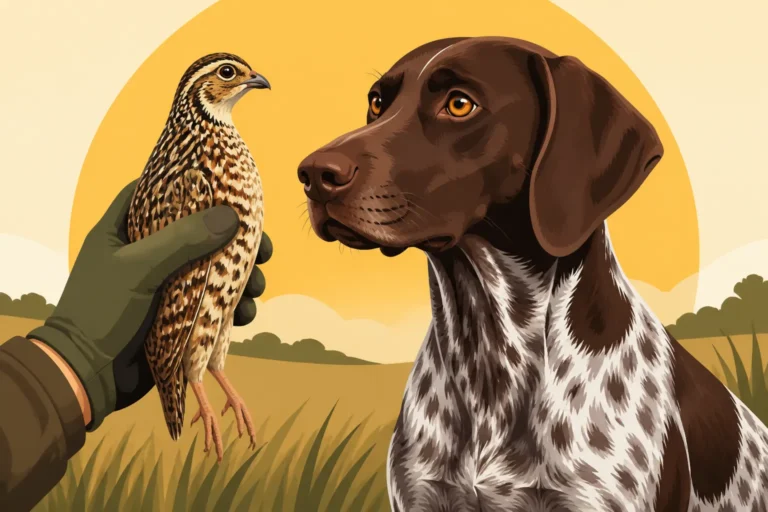
Once "whoa" is solid, it's time to bring in the birds. This is where the concept of "how many birds" becomes relevant, but still with a heavy caveat about quality. The goal here is controlled exposure. You want birds that will flush reliably but aren't so wild that they create chaos. Pen-raised pigeons are often excellent for this initial stage, as they are generally slower and more predictable than wild game. Some trainers even recommend Using Pigeons to Start a Shorthair. You'll typically start with the dog on a check cord, working in an open field where you can control the environment.
- First Bird Encounters: Place a bird in a bird launcher or simply plant it in light cover. Bring your dog into the wind, allowing it to scent and point the bird. As the dog locks up on point, give the "whoa" command. Then, you flush the bird. If the dog breaks, correct it immediately with the check cord and return it to the original spot, reiterating "whoa." The dog needs to understand that breaking is unacceptable. This process of pointing, whoa, flush, hold, and then retrieve on command (or not at all, in early stages) can be repeated with several birds in a session. You're looking for clean points and solid holds.
- Introducing the Gun: Once your dog is steady to wing, meaning it consistently holds point through the flush, you can introduce the gun. This must be done carefully to avoid Signs a German Shorthaired Pointer Has Gone Gun Shy. Start with very low-caliber blanks, far away from the dog, always in conjunction with a bird flush. The dog should associate the sound with the exciting event of a bird, not something scary. Gradually bring the gun closer and increase the caliber as the dog becomes comfortable. You're aiming for a dog that remains unfazed, still holding its point after the shot. The guide Building a Shorthair's Gun Tolerance From a Distance provides excellent advice here.
Progressing to Steady to Wing and Shot
Achieving true steady to wing and shot means combining all these elements. Your dog points, the bird flushes, the shot is fired, and your dog still holds its point, waiting for your release command to retrieve. This requires countless repetitions where the dog could break but chooses not to, because the consequence of breaking is negative, and the reward for holding is ultimately greater (even if the reward is delayed gratification of the retrieve).
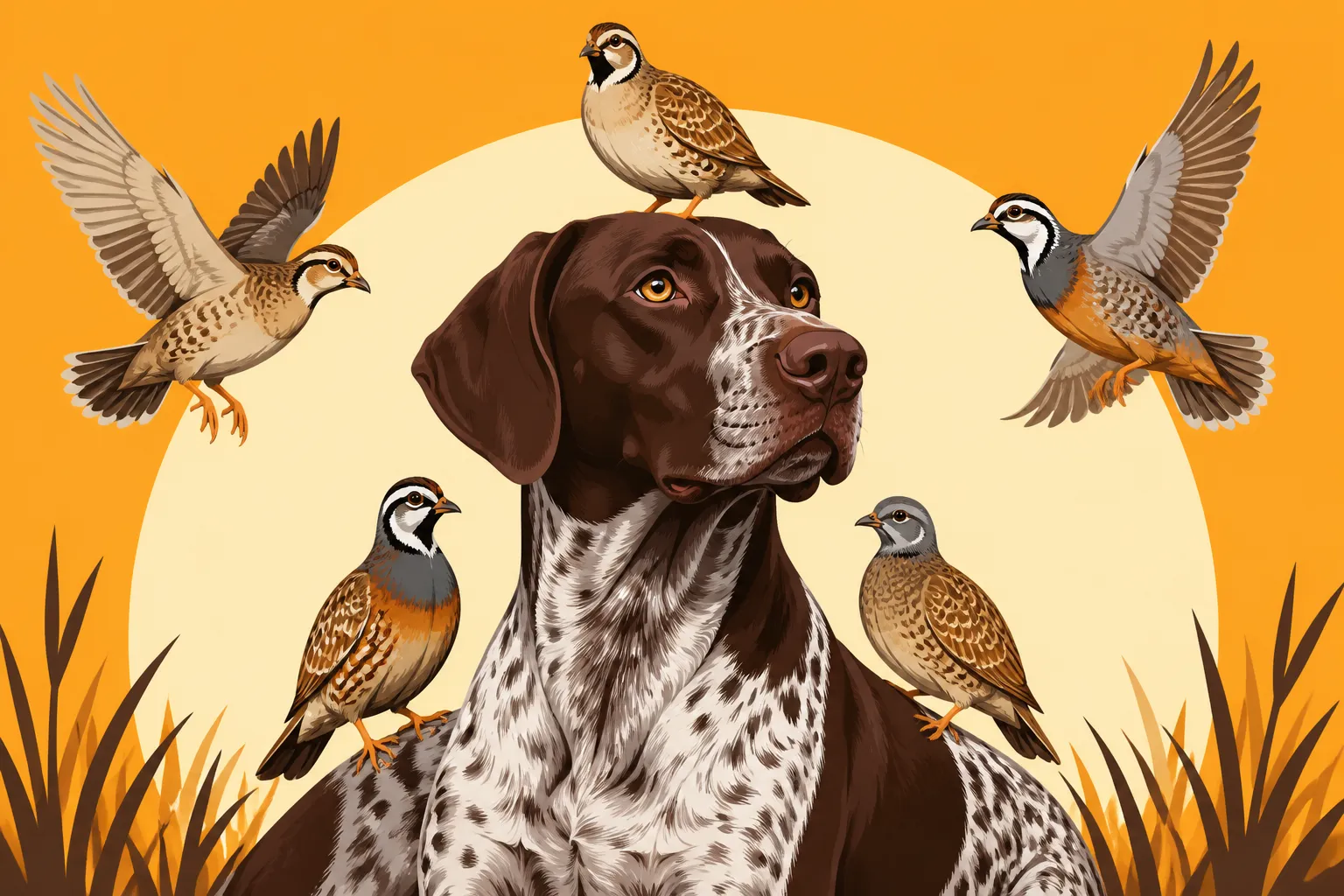
You'll use a variety of birds as you progress: Chukar and Quail for a Young German Shorthaired Pointer offer different scents and flight patterns. Eventually, you'll work with wild birds. The "how many birds" question here isn't about a cumulative total, but about the number of successful repetitions of the entire sequence. Each time your dog points, holds through the flush, holds through the shot, and waits for your release, it's a huge victory. If a session goes poorly, with the dog consistently breaking, you might need to take a step back and reinforce earlier stages, or use fewer birds in a more controlled setup. It's often better to end a session after a few successful reps than to push too far and end on a failure.
Maintaining Steadiness: Beyond the Initial Training
Even after your German Shorthaired Pointer demonstrates reliable steadiness, the training isn't truly "done." Steadiness is a skill that needs regular reinforcement and refinement, especially when you introduce new variables or head into the actual hunting season.
Continued Exposure and Reinforcement
Think of steadiness like a muscle: if you don't use it, it atrophies. Throughout the off-season, continue to schedule periodic tune-up sessions with birds. These don't need to be daily or even weekly, but regular enough to keep the concepts fresh in your dog's mind. Use launchers, remote-controlled equipment, or even simply planted birds to simulate hunting scenarios. Each successful repetition solidifies the behavior.
It's also crucial to reinforce the underlying "whoa" command in everyday life. A quick "whoa" before opening the door, or when another dog approaches, keeps that command sharp and reinforces the concept of impulse control. These little moments add up, making the big moments in the field easier. Remember, The Structure a German Shorthaired Pointer Needs Daily extends far beyond formal bird work.
Handling Distractions and Real-World Scenarios
The training field is a controlled environment; the wild is anything but. When you take your steady shorthair into actual hunting situations, you'll encounter new distractions: other hunters, different terrain, varying bird cover, and more exciting wild bird scent. This is where your dog's true steadiness is tested.
- Varying Conditions: Gradually introduce your dog to different cover types (dense brush, tall grass, open fields) and weather conditions.
- Multiple Birds: Practice with scenarios where multiple birds might flush simultaneously or in quick succession.
- Other Dogs: If you hunt with partners, practice with other dogs present. This tests your dog's ability to remain steady even when another dog might be working or retrieving. Some dogs struggle with A Shorthair That Steals Its Bracemate's Point.
- Field Injuries: Be prepared for unexpected events. A dog that is truly steady can be checked over for Field Injuries a Hunting German Shorthaired Pointer Comes Home With without breaking.
During these real-world tests, it's vital to be ready to reinforce. If your dog falters, gently but firmly correct and bring it back to the expected behavior. Don't let a "little break" slide, as that can quickly erode weeks or months of hard work. Sometimes, stepping back to simpler training scenarios after a challenging hunt can help rebuild confidence and reinforce the basics. Investing in quality training equipment, like remote launchers you can find on Amazon, can greatly aid in creating realistic and controlled scenarios.
Troubleshooting Common Steadiness Issues
Sometimes, despite your best efforts, your German Shorthaired Pointer might develop a problem with steadiness. This is frustrating, but it's part of the journey. Common issues include:
- Creeping: The dog holds point but slowly inches forward as you approach or as the bird moves. This needs immediate correction, often by returning the dog to the exact spot it crept from.
- Breaking on Flush: The dog holds point until the bird flushes, then immediately breaks to chase. This indicates the "whoa" isn't strong enough or the temptation is too great. Go back to check cord work and more controlled bird flushes.
- Breaking on Shot: The dog holds through the flush but breaks when the gun fires. This could be excitement or a minor gun shyness issue. Re-evaluate your gun introduction and ensure the sound is not causing fear.
When troubleshooting, be honest about where the breakdown is occurring. Is it a lack of understanding? Or is it a willful disregard of the command due to overwhelming instinct? Your approach will differ based on the answer. Remember, building steadiness is an ongoing conversation with your dog, not a one-time lesson.
Here's a quick comparison of bird types often used in steadiness training:
| Bird Type | Characteristics | Best For | Considerations |
|---|---|---|---|
| Pigeon | Slower flight, often cooperative, strong scent. | Initial bird introductions, steadying to wing, building confidence. | Can be pricey, may fly back to loft, some dogs catch them too easily. |
| Quail | Small, quick flush, good scent. | Progression from pigeons, refining point, introducing a faster flush. | Harder to contain, can be expensive, may escape easily in dense cover. |
| Chukar | Larger, strong runner, powerful flight, good scent. | Advanced steadying, working scenting ability, mimicking tougher wild birds. | Very good runners, can be hard to flush once on the ground, more costly. |
| Pheasant | Large, strong scent, explosive flush, may run or hold. | Final stages of training, real-world simulation, testing full steadiness. | Expensive, difficult to contain, often prefer running to flying. |
| Wild Birds | Unpredictable, varied flight, strong natural instinct. | The ultimate test, applying all learned skills in real hunting scenarios. | No control over placement or behavior, can expose training gaps quickly. |
Ultimately, "how many birds" it takes to steady a German Shorthaired Pointer isn't a fixed number like "three pheasants and seven quail." It's about the quality of each interaction, the consistency of your commands, and your unwavering commitment to teaching impulse control. You're building a relationship of trust and respect, where your dog chooses to wait for your command over its powerful natural instincts. It could be ten birds over a month, or fifty birds over a year, depending on the dog and the handler. The journey is as rewarding as the destination—a truly steady German Shorthaired Pointer.
Disclaimer
This article is for general informational purposes only and does not constitute professional advice. Laws, prices and regulations vary by location and change over time. Consult a qualified professional for guidance on your specific situation.