Checking a German Shorthaired Pointer for Ticks Nightly
You've just spent a fantastic day out in the field with your German Shorthaired Pointer, watching them cover ground, nose to the wind, living their best life. But as the day winds down and you settle in, a lurking fear often starts to gnaw: ticks. These tiny parasites are an ever-present menace, especially for our outdoor-loving Shorthairs, and missing even one can have serious consequences. This guide is all about giving you the peace of mind that comes from knowing how to thoroughly check your GSP for ticks nightly, making it a routine you can trust.
Why Nightly Tick Checks Are Non-Negotiable for Your GSP
Let's be real, the thought of ticks makes every GSP owner's skin crawl a little. Our dogs are bred to run through fields, plunge into brush, and sniff out game in places where ticks thrive. It's part of their magnificent nature, but it also puts them at significant risk. A nightly tick check isn't just a good idea; it's an essential part of responsible GSP ownership, especially if your dog spends any time outdoors.
The Persistent Threat of Ticks in the Field
German Shorthaired Pointers are, by their very design, adventurers. They revel in the tall grass of meadows, the dense undergrowth of woodlands, and the brushy edges of waterways – exactly the kind of environments where ticks lie in wait. These parasites aren't picky; they'll hitch a ride on anything that brushes past, and your Shorthair's lean, muscular body and questing nose make them an irresistible target.
Think about a typical hunt. Your GSP is crashing through thickets, diving into cover to flush a pheasant, or working the scent line of a bird through dense, dew-laden vegetation. Each one of those glorious moments is also an opportunity for a tick to latch on. Different types of ticks, from the tiny deer tick to the larger dog tick, have varying habitats, but they all share one goal: finding a warm body to feed on. And while some seasons are worse than others, ticks can be active year-round in many climates, especially on milder winter days or in early spring. It's not just about hunting season either; even a stroll through a local park with tall grass can invite unwanted hitchhikers. You might feel a bit overwhelmed thinking about all the possibilities, but that's precisely why a methodical approach is key.
Beyond the Itch: The Serious Health Risks Ticks Carry
If ticks only caused a minor itch, they'd still be annoying, but the reality is far graver. Ticks are notorious carriers of a host of debilitating diseases that can severely impact your GSP's health and even shorten their vibrant lifespan. We're talking about things like Lyme disease, Ehrlichiosis, Anaplasmosis, and Rocky Mountain Spotted Fever, just to name a few. These aren't minor ailments; they can lead to chronic pain, joint issues, lethargy, fever, loss of appetite, and in some severe cases, can be life-threatening.
The frustrating part is that symptoms can be subtle at first, or even mimic other conditions. A GSP, with their legendary drive, might try to push through discomfort, making early detection even harder. That slight lameness after a run, that day when they seem a little less enthusiastic about breakfast – could it be a sprain, or could it be the insidious onset of a tick-borne illness? The anxiety is real, and it’s why prevention and early detection are so paramount. A tick needs to be attached for a certain amount of time, usually 24-48 hours, to transmit most diseases, which is why a nightly check is your best defense. It gives you a crucial window to remove the tick before it can do serious harm. For many GSP owners, the thought of their active companion being slowed down by something preventable is truly heartbreaking.
Your Step-by-Step Guide to an Effective Nightly Tick Check
Okay, so we know why we need to do this. Now, let's get into the how. A thorough tick check doesn't have to be a daunting task, and with a bit of practice, it will become second nature, like brushing your teeth before bed. Establishing a routine helps both you and your GSP know what to expect.
Gathering Your Tick-Checking Toolkit
Before you even call your GSP over, set yourself up for success. Having the right tools at hand makes the process smoother, quicker, and less stressful for everyone involved. You don't want to be scrambling for supplies once you've found a critter.
Here’s what you should have readily available:
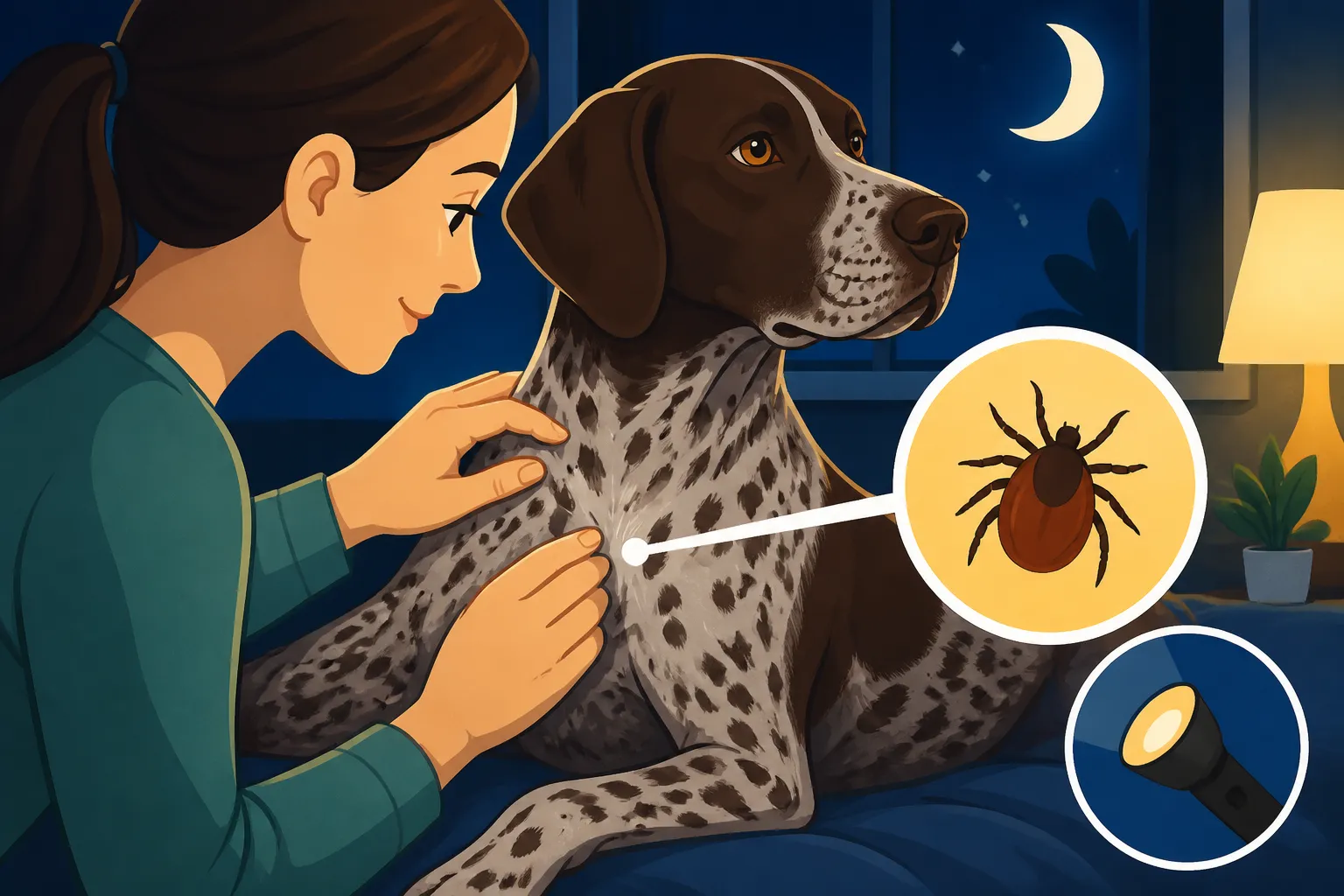
- Good Lighting: This is non-negotiable. Whether it's a bright overhead light in your bathroom or laundry room, or a headlamp that frees up your hands, excellent illumination is key to spotting those tiny, sneaky ticks. Sometimes, they blend right into your GSP’s liver or black coat.
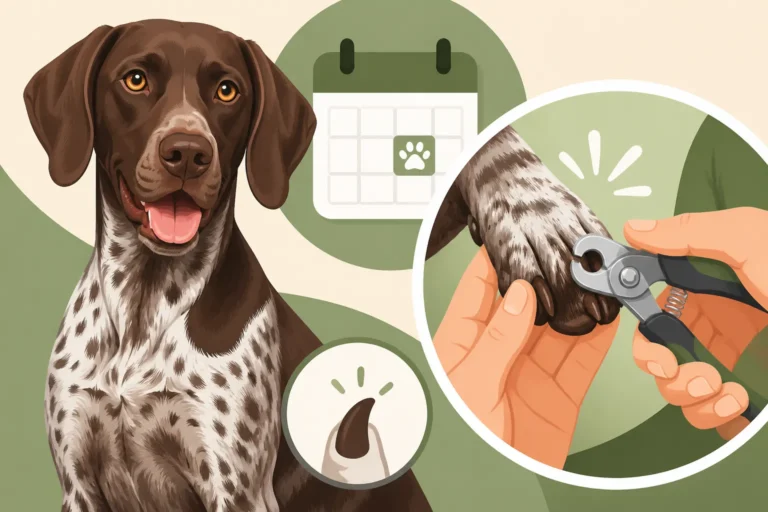
- Tick Removal Tool: Forget your fingernails or regular tweezers. Invest in a proper tick removal tool. There are several effective options: fine-tipped tweezers designed for tick removal, or a "tick key" or "tick twister" that works by sliding under the tick and levering it out. These tools are designed to grasp the tick as close to the skin as possible and remove the entire head, which is crucial for preventing infection and disease transmission. You can find these easily at pet supply stores or online through retailers like Chewy or Amazon.
- Antiseptic Wipes or Rubbing Alcohol: For cleaning the area after removal.
- Gloves (Optional but Recommended): While not strictly necessary for every tick, wearing gloves can add an extra layer of protection, especially if you're concerned about contact with potential pathogens.
- Small Sealable Container: A small jar, a Ziploc bag, or even a piece of tape to secure the removed tick. This is important for disposal and, in some cases, for identification if your vet needs to see what kind of tick it was.
Remember, the goal is efficiency and effectiveness. Having your toolkit ready means you can grab your GSP, perform the check, and get back to relaxing without fuss.
The Full Body Scan: Where Ticks Love to Hide on a GSP
This is where your meticulous nature comes into play. German Shorthaired Pointers have that sleek, short coat that seems like it would make ticks easy to spot. And while it's true you don't have long feathering to contend with like some breeds, ticks are masters of concealment. Their preferred spots are often warm, dark, and hard to reach.
Start your check with your GSP in a comfortable, relaxed position – perhaps on their dog bed or a towel on the floor. Use your fingertips to systematically go over their entire body, feeling for any small bumps or irregularities that shouldn’t be there. Don't just look; feel. Ticks can be tiny, especially in their nymph stage, and feeling for them is often more effective than relying solely on sight.
Here’s a methodical route to take:
- Head and Face: Ticks love to burrow around the ears, especially in the folds and along the edges. Don’t forget inside the ear canal opening. Run your fingers over their muzzle, around their eyes, and under their chin. If your GSP has spent time sniffing through brush, these areas are prime targets. You might also want to do a quick check for other issues while you're there, like signs of A Shorthair's Ear Infection That Returns Every Duck Season.
- Neck and Under the Collar: This area is often overlooked because of the collar. Ticks can easily crawl under and attach themselves where the collar provides a bit of dark, sheltered warmth. Make sure to remove their collar during your check and thoroughly inspect the skin all the way around their neck.
- Chest and Armpits: Ticks are drawn to the warmer, thinner skin in the armpit area. Lift each front leg and carefully inspect the skin and fur in the 'armpit' and along the chest.
- Belly and Groin: The groin is another favorite spot due to warmth and thin skin. Lie your GSP on their back if they're comfortable, and meticulously check their entire belly and groin region.
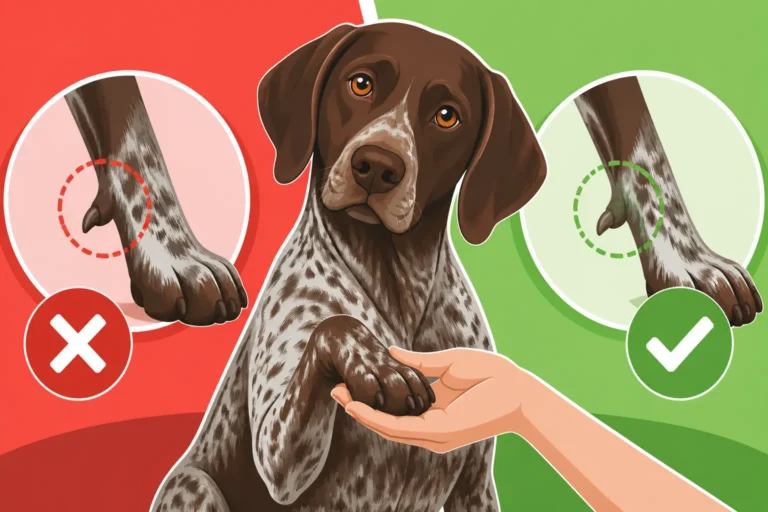
- Legs and Paws: Ticks can climb up legs, so run your hands down each leg, paying close attention to the joints. Then, tackle the paws. Ticks can hide between the toes and even on the pads, especially if your GSP has been in grassy areas. This is also a good time to check for other common field injuries like A Foxtail Lodged in a Shorthair's Paw.
- Tail and Rear: Lift your GSP's tail and check underneath, along the base, and around the anal area.
- Back and Sides: Finally, go over their entire back and sides. While less common for ticks to initially latch here, they can migrate. Pay attention to their spine and flanks.
Be patient. Your GSP might squirm a bit at first, but with consistency and a calm demeanor, they’ll learn to tolerate (and maybe even enjoy!) the extra attention. Make it a positive experience with praise and maybe a small treat. The more thorough you are, the better your chances of finding any unwelcome guests before they can cause trouble.
What to Do When You Find a Tick on Your GSP
Discovering a tick on your beloved German Shorthaired Pointer can be a bit alarming, even for seasoned owners. Your heart might do a little flip-flop, especially if it's already engorged. But don't panic! The key is to remove it quickly and correctly, minimizing the risk of disease transmission.
Safe and Swift Tick Removal Techniques
Once you've spotted a tick, take a deep breath. Gather your tick removal tool, antiseptic, and your disposal container.
Here's how to remove it safely:
- Part the Fur: Gently part your GSP's fur around the tick so you have a clear view of where it's attached to the skin.
- Grasp Close to the Skin: This is the most crucial step. Using your fine-tipped tweezers or tick removal tool, grasp the tick as close to your dog's skin as possible. You want to grab the tick's head, not its body. Squeezing the body can inadvertently inject more disease-carrying fluids into your dog.
- Pull Straight Up (or Twist with a Tick Key):
- With Tweezers: Pull steadily and gently straight upwards, without twisting or jerking. The goal is to encourage the tick to release its grip cleanly. It might take a few seconds of steady pressure.
- With a Tick Key/Twister: Slide the tool under the tick, gently twisting it in one direction until the tick releases. These tools are often very effective at getting a clean removal.
- Inspect the Tick: Once removed, examine the tick to make sure the entire head and mouthparts are intact. If any part of the tick remains embedded in your GSP's skin, it can lead to infection or irritation. If this happens, don't try to dig it out. Clean the area and consult your vet if you're concerned.
- Dispose of the Tick: Place the tick in your sealed container with a bit of rubbing alcohol or simply wrap it tightly in tape before disposing of it. Do not crush it with your bare fingers, as this can expose you to pathogens. Flushing it down the toilet or simply throwing it in the trash without securing it isn't foolproof either, as they can sometimes survive.
- Clean the Bite Site: Dab the bite area on your GSP with an antiseptic wipe or rubbing alcohol. You might notice a small red bump or a tiny scab, which is normal.
Remember to stay calm throughout the process. Your GSP will pick up on your stress, which can make them more anxious and difficult to work with. Praise them, keep your voice steady, and make it as quick and gentle as possible.
Monitoring Your GSP After a Tick Encounter
Removing the tick is a huge step, but your vigilance shouldn't end there. After a tick bite, it's vital to monitor your GSP closely for any signs of illness. Most tick-borne diseases have an incubation period, meaning symptoms won't show up immediately. It could be days or even weeks later.
Keep an eye out for any of the following symptoms:
- Changes in Appetite or Water Intake: Your GSP might suddenly become picky with food or drink significantly more or less water.
- Lethargy or Decreased Activity: If your normally energetic GSP seems unusually tired, reluctant to play, or just "off," pay attention.
- Lameness or Shifting Lameness: This is a classic sign of Lyme disease, where your dog might be sore on one leg, then another, or just generally stiff.
- Fever: Your dog might feel warm to the touch, or you might notice other signs like panting or flushed gums.
- Swollen Joints or Lymph Nodes: Feel for any swelling in their joints or enlarged lymph nodes (often felt under the jaw, in the armpits, or behind the knees).
- Vomiting or Diarrhea: These can be general signs of illness, but shouldn't be ignored after a tick bite.
- Target Lesion/Rash: While not as common in dogs as in humans, a bull's-eye rash around the bite site can occur with some diseases.
If you notice any of these signs, even if they seem mild, contact your veterinarian immediately. Be sure to tell them about the recent tick bite and when it occurred. Early diagnosis and treatment are crucial for a good prognosis with tick-borne diseases. Your vet might recommend bloodwork, like Yearly Bloodwork Costs on a Shorthair, to check for exposure or infection. It’s always better to be safe than sorry when it comes to your GSP's health.
Integrating Tick Prevention Into Your GSP's Routine
While nightly tick checks are your frontline defense, they are part of a larger strategy. The best approach is a multi-faceted one that aims to prevent ticks from attaching in the first place, or to kill them quickly if they do. For a German Shorthaired Pointer, whose life revolves around exploring the outdoors, proactive prevention is absolutely paramount.
Proactive Measures to Reduce Tick Exposure
Reducing the likelihood of ticks attaching to your GSP starts long before you head out into the field. Think of it as building an invisible shield around your energetic companion.
Here are some key proactive measures:
- Year-Round Tick Preventatives: This is arguably your most powerful tool. There are many excellent options available, including oral medications, topical treatments, and repellent collars. Each type works differently – some kill ticks on contact, others once the tick bites, and some repel them outright. It's crucial to discuss these options with your veterinarian. They can help you choose the best product for your GSP's lifestyle, local tick population, and any other health considerations. Consistency is key; these products work best when given or applied exactly as directed, every month or every few months, without fail. Don't skip doses, even in winter, as ticks can be surprisingly resilient. This is a topic that often comes up when discussing Flea and Tick Cover for a Shorthair in Tall Grass.
- Environmental Management: If you have a yard, keeping your grass mowed short, clearing leaf litter, and removing dense brush around your property can significantly reduce tick habitats. Ticks love shaded, moist areas with tall vegetation. Creating a buffer zone of wood chips or gravel between your lawn and wooded areas can also deter them.
- Avoid High-Risk Areas: When out on walks or hunts, try to stick to well-maintained trails if possible, especially during peak tick season. If your GSP is going to be running through tall grass or dense cover (which, let's face it, they will!), be extra vigilant with your checks and consider applying a tick repellent spray approved for dogs before heading out.
Combining these preventative steps creates a much safer environment for your German Shorthaired Pointer, giving you more confidence every time they bound through the brush.
Beyond the Hunt: Maintaining Vigilance Year-Round
It's easy to think of ticks as a problem only during hunting season or the height of summer. But this couldn't be further from the truth. Ticks are resilient, and their activity can fluctuate with local weather patterns. A mild winter day can see them emerge, seeking a meal. For a GSP who thrives on daily activity, vigilance needs to be a year-round commitment.
- Regular Grooming and Inspection: Even if your GSP isn't actively hunting, incorporate a quick once-over into your daily routine. This can be during a cuddle session on the couch or a quick brush. Their short coat makes it relatively easy to spot new bumps. This also helps you spot other skin issues or potential irritations that might sometimes be confused with tick bites, or even issues like Environmental Allergies in a Shorthair That Works Cover.
- Educate Yourself on Local Tick Species: Knowing which ticks are prevalent in your area and the diseases they carry can help you understand the risks better. Your local vet is an excellent resource for this information.
- Consistent Vet Visits: Regular check-ups are vital. Your veterinarian can perform thorough physical exams, recommend appropriate preventative measures, and conduct yearly blood tests for tick-borne diseases, especially if your GSP is frequently exposed. This is all part of keeping up with The Vet Schedule a Working Shorthair Should Keep.
- Post-Outdoor Activity Ritual: Make it a habit. After any outdoor excursion, whether it's a backyard play session or a serious hunt, perform a quick visual and tactile check. Pay special attention after a day of working birds, as covered in Checking a German Shorthaired Pointer Over After a Hunt.
Living with a German Shorthaired Pointer means embracing their boundless energy and love for the outdoors. With that joy comes the responsibility of protecting them from the very real threat of ticks. By making nightly checks a steadfast routine, combined with effective year-round prevention, you're ensuring your GSP stays healthy, happy, and ready for whatever adventure comes next.
| GSP Tick Hiding Spot | Why Ticks Love It | Key Inspection Tip |
|---|---|---|
| Ears (Inside & Out) | Warm, dark, protected, good blood supply | Use a headlamp, check all folds, feel inner ear opening |
| Armpits | Warm, moist, thin skin, often overlooked | Lift legs, thoroughly palpate the entire area |
| Groin Area | Warm, moist, thin skin, less hair, out of sight | Have GSP lie on back, visually inspect and feel meticulously |
| Between Toes / Paw Pads | Protected, moist, picks up ticks from grass | Spread toes, check webbing, examine pads for embedded ticks |
| Under Collar | Sheltered, dark, constant contact with skin | Remove collar, run fingers slowly around the entire neck |
| Around Tail Base | Warm, dark, difficult for dog to scratch or lick | Lift tail, check underside and surrounding fur |
| Muzzle / Around Eyes | Direct contact with vegetation, thin skin | Gently check fur around nose and eyes, under chin |
Disclaimer
This article is for general informational purposes only and does not constitute professional advice. Laws, prices and regulations vary by location and change over time. Consult a qualified professional for guidance on your specific situation.