Whether a Shorthair’s Dewclaws Should Be Removed
Deciding whether to remove your German Shorthaired Pointer's dewclaws is a really common dilemma for owners, and honestly, there's no single "right" answer that fits every dog. It’s a choice that weighs potential injury against the realities of surgery and the natural design of your athletic companion. This guide will walk you through all the different viewpoints, help you understand the anatomy, and consider what's truly best for your active GSP.
Understanding Your German Shorthaired Pointer's Dewclaws
Before we dive into the pros and cons of removal, let's get a clearer picture of what dewclaws actually are and why they exist on your German Shorthaired Pointer. They're not just random appendages; they have a role, albeit a sometimes debated one.
Anatomy and Function of Dewclaws
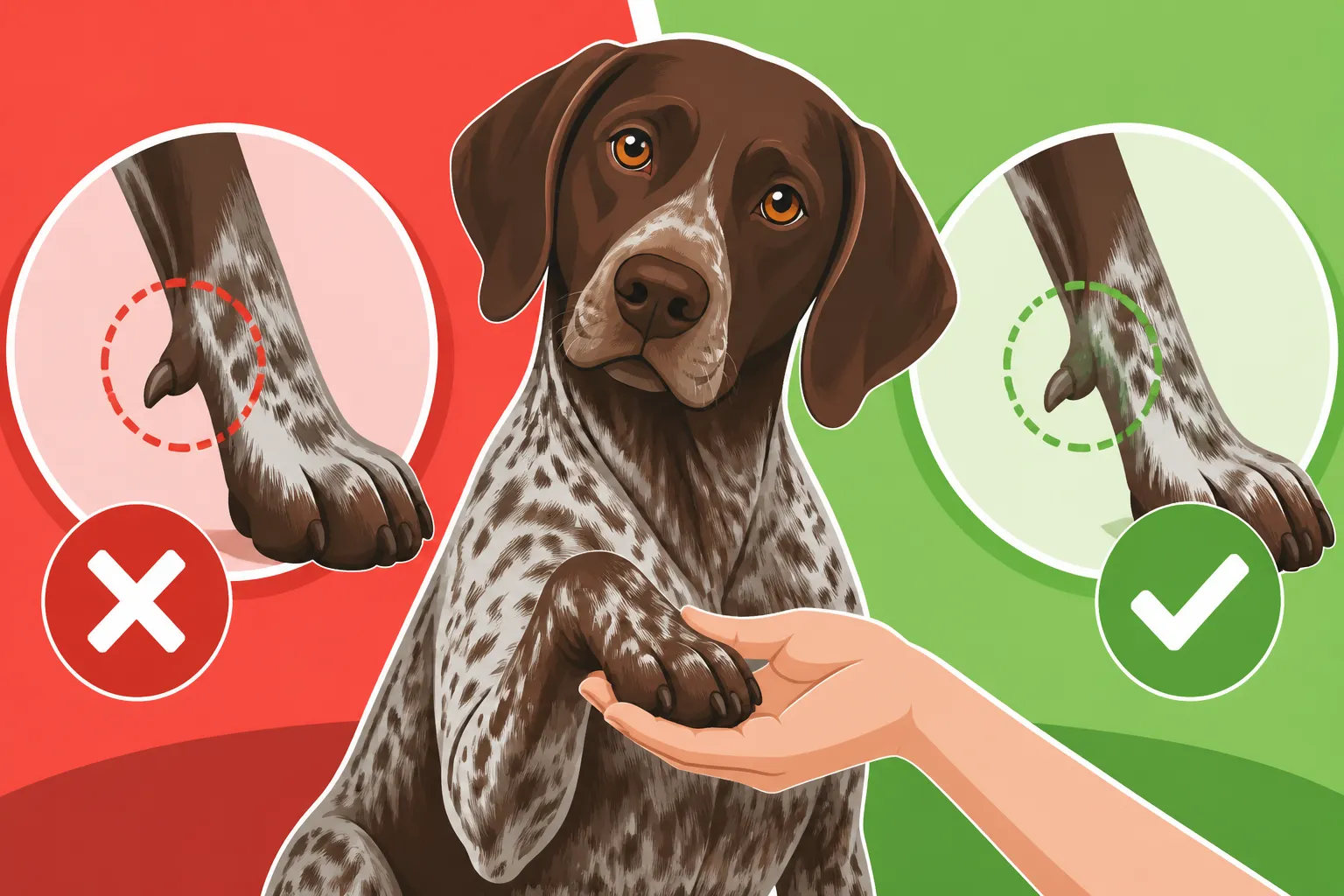
Dewclaws are essentially like a dog's thumb, located higher up on the inside of the leg. On German Shorthaired Pointers, you'll almost always find them on the front legs. These front dewclaws are typically attached by bone and muscle, giving them a degree of functionality. When your GSP runs, turns sharply, or even climbs, these dewclaws can provide extra traction, acting like a bit of a stabilizer or a grip to prevent slipping. They also get used when a dog holds a bone or toy between its paws, giving a little extra purchase.
On the other hand, some dogs, including some GSPs, might have dewclaws on their rear legs. These are often much less substantial, connected only by skin and not by bone, making them truly "vestigial" and less functional. It's these weakly attached rear dewclaws that many breeders choose to have removed shortly after birth, as they are truly just hanging there, waiting to snag on something.
Why the Controversy for GSPs?
The debate surrounding dewclaw removal really heats up with a breed like the German Shorthaired Pointer. These dogs are built for speed, agility, and endurance; they live to run, point, and retrieve, often in challenging outdoor environments. Their active lifestyle is precisely why the discussion around dewclaws isn't straightforward. For a GSP that spends its days pounding through corn stubble, thick brush, or rocky terrain, the risk of a dewclaw injury can feel very real.
Owners grapple with balancing the desire to prevent painful, potentially debilitating injuries against the idea of putting their dog through an elective surgical procedure, especially if those dewclaws might offer some benefit. Is it better to proactively remove them, minimizing future risk, or to leave nature as it is, trusting in their functional role? Many new GSP owners find themselves in a state of confusion, getting conflicting advice from different sources, and wondering what the "right" choice is for their particular dog. It's a testament to how much we care about these incredible companions.
The Arguments for Dewclaw Removal
For many German Shorthaired Pointer owners, the decision to remove dewclaws, especially the more common front ones, stems from a desire to prevent future pain and complications. There are compelling reasons why some choose this path, particularly for very active dogs.
Preventing Painful Injuries
The most significant argument for removing dewclaws is to prevent the very real and often agonizing injuries that can occur. Imagine your German Shorthaired Pointer, full of drive and determination, hurtling through a dense patch of thorny briars or navigating a field of sharp, frozen cornstalks. A dewclaw can easily catch on an obstacle, tearing or even fracturing. These aren't minor scrapes; a torn dewclaw can result in a deep, bleeding laceration, a broken nail bed, or even a bone fracture if the force is strong enough. Such injuries often require immediate veterinary attention, stitches, pain medication, and a period of rest, which is incredibly difficult for a high-energy GSP. You can read more about common issues in Field Injuries a Hunting German Shorthaired Pointer Comes Home With.
These incidents can happen suddenly and unexpectedly in the middle of a hunt or a vigorous run, leaving you with a dog in distress and facing an emergency situation. The recovery from such an injury can sideline your GSP for weeks, impacting their training, conditioning, and overall enjoyment of their favorite activities. Many owners, having experienced or witnessed such an injury, opt for proactive removal to spare their dog this potential trauma and to avoid the unexpected The Vet Bills a Hunting German Shorthaired Pointer Earns that come with emergency care.
Ease of Grooming and Maintenance
Another practical consideration that leans towards dewclaw removal is the simplification of grooming and overall paw maintenance. For dogs that don't spend enough time on abrasive surfaces to naturally wear down their nails, dewclaws can become overgrown. Because they don't typically make contact with the ground during normal walking, they don't wear down like the other nails. An overgrown dewclaw can curl around and, in severe cases, grow into the paw pad itself, causing immense pain and leading to infection.
While diligent owners can certainly keep up with regular nail trims for all five claws, it's an extra nail to remember, and some German Shorthaired Pointers are less than thrilled about having their paws handled. If you're someone who might occasionally miss a trim, or if your GSP has a low tolerance for nail clipping, then removing this extra claw can eliminate a potential source of discomfort and future problems. Beyond just trimming, in a hunting environment, dewclaws can also act as collection points for burrs, mud, ice, or even foxtails, which can irritate the skin or lead to matting if not thoroughly checked after every outing.
The Arguments Against Dewclaw Removal
While the desire to prevent injury is strong, many GSP owners and canine professionals advocate against the routine removal of dewclaws, emphasizing their functional role and the inherent risks of any surgical procedure.
Potential Loss of Function and Stability
Despite being commonly referred to as "vestigial," particularly the rear ones, the front dewclaws on a German Shorthaired Pointer actually serve a functional purpose for many dogs. When your GSP is performing high-speed maneuvers, like making a sharp turn in the field to pivot on a bird, or scrambling up a steep bank, those dewclaws can provide critical extra grip and stability. Think of them as tiny grappling hooks, digging into the terrain to help maintain balance and prevent slips. They can be crucial for an athletic dog's overall biomechanics.
Some canine physiotherapists and trainers argue that removing these functional claws can subtly impact a dog's gait and create compensatory movements in other joints. While the effect might be minor for a sedentary pet, for a highly athletic German Shorthaired Pointer, every bit of natural advantage counts. Without them, there's a theoretical risk of increased strain on other ligaments and joints, as the dog might be missing that natural "fifth toe" for grip during intense activities. It's a small piece of the puzzle, but for a dog bred for such demanding physical work, all the pieces are important for long-term soundness.
Surgical Risks and Recovery Concerns
The removal of dewclaws, especially if not done within the first few days of a puppy's life, involves a surgical procedure with its own set of risks and a recovery period. While neonate dewclaw removal is a relatively quick procedure, removing them from an older puppy or adult dog is full-blown surgery, requiring general anesthesia. Anytime a dog goes under anesthesia, there are inherent risks, even for a lean and healthy German Shorthaired Pointer. Anesthesia Risk in a Lean German Shorthaired Pointer can be a serious concern for any owner.
Beyond the initial surgical risks, there's the post-operative period to consider. Your GSP will have open wounds that need to heal, increasing the risk of infection at the incision sites. This means pain management, potential bandaging, and restricting your dog's activity to prevent them from interfering with the healing process. For a high-energy German Shorthaired Pointer, keeping them calm and limiting their exercise can be incredibly challenging and stressful for both dog and owner. You'll likely need an Elizabethan collar to prevent licking, which you can easily find on Chewy or Amazon, but it can be quite uncomfortable for your dog.
The recovery from an elective surgery, even one intended to prevent future injury, involves its own discomfort and potential complications. It means several weeks of careful monitoring and potential rehabilitation. When considering The First Year Bills on a German Shorthaired Pointer, adding a dewclaw removal procedure (if not done by the breeder) or managing complications can certainly add to the financial outlay.
Making an Informed Decision for Your German Shorthaired Pointer
The decision about dewclaw removal is highly personal and should be based on a careful assessment of several factors unique to your German Shorthaired Pointer and your lifestyle. There's no universal answer, only the best choice for your individual companion.
Assessing Your Dog's Lifestyle and Environment
The most crucial factor in this decision is your German Shorthaired Pointer's daily life. Is your GSP primarily a cherished family pet who enjoys regular walks in a well-maintained park and romps in a fenced yard? Or is your dog a dedicated hunting partner, regularly navigating dense forests, thorny cover, and rocky fields during hunting season? The risk profile for dewclaw injuries changes dramatically based on these scenarios. A dog constantly crashing through heavy cover, performing athletic leaps and turns, faces a significantly higher chance of snagging a dewclaw than one whose life is largely confined to softer, safer environments.
Consider the specific types of terrain your dog will encounter. Are there sharp stubble fields, thick briar patches, or rugged, rocky hills where a dewclaw could easily catch and tear? If your GSP is a competitive athlete in sports like agility, disc dog, or even dock diving, the functional argument for keeping them might weigh more heavily due to the grip and stability they can offer during quick, powerful movements. Conversely, for a serious hunting dog, minimizing any potential injury that could sideline them for a season, like a painful Torn Dewclaws on a Hunting Shorthair, might lead you to favor removal. It's about looking at your dog's actual "job" and playtime.
Consulting with Professionals
You don't have to make this decision in a vacuum. The best course of action is always to consult with professionals who know your dog or the breed intimately. Start with your veterinarian. They can examine your German Shorthaired Pointer's specific paw structure, assess the strength of the dewclaw attachment, and discuss the health implications based on your dog's age and overall health. Your vet can provide a realistic perspective on the risks associated with surgery if your GSP is no longer a tiny puppy, and they can also advise on proper paw care, like how often to trim the nails to prevent overgrowth if you choose to keep the dewclaws. Remember to keep up with The Vet Schedule a Working Shorthair Should Keep to ensure regular check-ups.
Additionally, have a thorough conversation with your German Shorthaired Pointer's breeder. Reputable breeders often have extensive experience with the breed and strong opinions on dewclaw removal, especially concerning their specific bloodlines. They can tell you if previous dogs in their lines have shown a propensity for dewclaw injuries or if they've found the front dewclaws to be particularly functional for their working dogs. Many breeders will remove rear dewclaws shortly after birth, making that particular decision for you. If you're getting a young puppy, this conversation needs to happen early on. If you do opt for surgical removal or if your dog sustains an injury, providing excellent nutritional support during recovery is vital. High-quality, easily digestible fresh food options, such as those offered by Ollie, can be beneficial for healing. Always make sure you're Checking a German Shorthaired Pointer Over After a Hunt for any signs of injury, regardless of your dewclaw decision.
| Feature | Argument for Removal | Argument Against Removal |
|---|---|---|
| Injury Risk | Prevents painful tears, snags, fractures, and lacerations, particularly in active, hunting, or working German Shorthaired Pointers. Minimizes emergency vet visits and potential downtime. | Elective surgery carries inherent risks (anesthesia, infection, post-operative pain). Recovery can be difficult for an active dog, requiring restricted movement. |
| Functionality | Often considered a non-essential digit for most activities, especially if weakly attached. | Front dewclaws provide extra grip for turning, climbing, and stability during high-speed, agile movements. Removal may subtly affect gait or contribute to compensatory strain over time. |
| Maintenance | Eliminates the need for an extra nail trim, reducing the risk of overgrowth and nails curling into the paw pad. Less chance of collecting debris, burrs, or ice in the field. | Requires consistent monitoring and trimming of all nails, including dewclaws. Proper Keeping a Working Shorthair's Nails Short Enough is essential. Focus on thorough Checking a German Shorthaired Pointer Over After a Hunt. |
| Timing | Ideally done in neonate puppies (3-5 days old) as a quick, relatively simple procedure. | Removal on an adult GSP is a full surgical procedure, requiring general anesthesia and a more extensive, potentially painful, recovery period. |
| Cost | Avoids potentially significant costs of emergency veterinary care for severe dewclaw injuries. | Initial cost of surgical removal (if not done by the breeder) and any follow-up care for complications. |
| Protection | Reduces the need for specialized paw protection in rough terrain. | If kept, regular use of Boots for a Shorthair on Rough Ground can help prevent injuries in demanding environments. |
The path you choose for your German Shorthaired Pointer's dewclaws should be a thoughtful one, guided by your dog's unique needs and your commitment to their well-being throughout their life.
Disclaimer
This article is for general informational purposes only and does not constitute professional advice. Laws, prices and regulations vary by location and change over time. Consult a qualified professional for guidance on your specific situation.