Soaking a Shorthair’s Kibble Before a Morning Hunt
For a German Shorthaired Pointer owner, especially one who spends countless hours in the field, the morning routine before a hunt is critical. One common struggle is ensuring your highly active dog not only gets enough fuel but also digests it properly without issues like bloat or dehydration that can cut a promising day short. This guide will walk you through the often-underestimated practice of soaking your shorthair's kibble before a morning hunt, explaining how it can be a game-changer for their performance, health, and overall comfort.
Why Pre-Soaking Kibble is a Game Changer for Your Hunting Shorthair
It might seem like a small detail, but transforming dry, crunchy kibble into a soft, hydrated meal can have profound effects on your German Shorthaired Pointer's well-being, especially when they're about to exert themselves intensely. We're talking about more than just making it easier to chew; we're talking about fundamental changes to how their body processes food and maintains critical functions.
Enhancing Digestion and Nutrient Absorption
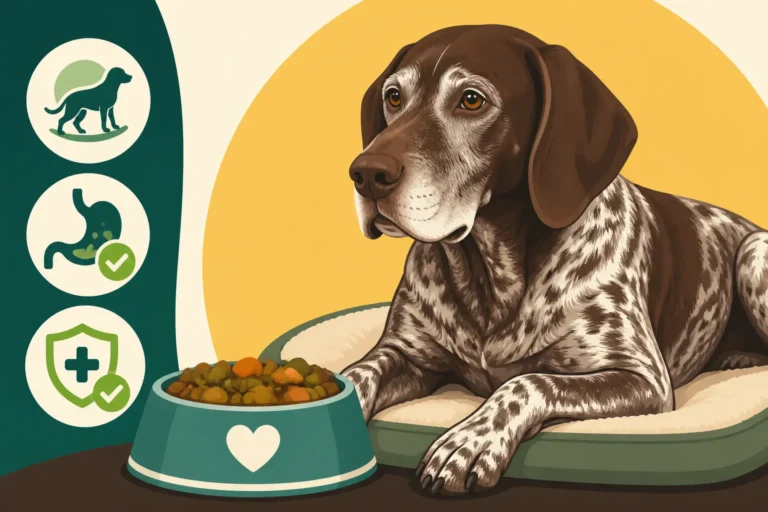
When your shorthair gulps down dry kibble, their body has to work harder to break it down. The digestive process starts with the stomach acids trying to penetrate each hard, dry piece. This can lead to slower digestion, and in some cases, food passing through the system less efficiently, meaning your dog isn't getting all the good stuff packed into their performance formula.
Soaked kibble, on the other hand, arrives in the stomach already partially broken down by the water. This allows digestive enzymes to get to work much faster and more effectively. Think of it like pre-digesting the food for your dog – it eases the burden on their system. For a German Shorthaired Pointer that needs every bit of energy and nutrient absorption possible to sustain its boundless drive, this can be incredibly beneficial. Better digestion means more energy available for that next retrieve or long point.
Boosting Hydration Levels Effectively
Hydration is a silent warrior in canine performance, and it's something many of us worry about, especially during long days in the sun or when our dogs are pushing hard. While providing plenty of fresh water is essential, your dog's food can also play a significant role. Dry kibble actually absorbs moisture from the body during digestion, potentially contributing to dehydration if your dog isn't drinking enough.
By soaking the kibble, you're essentially delivering a small, consistent dose of hydration with every meal. This helps to top off their fluid levels even before they hit the field. This steady intake of water, combined with access to fresh drinking water throughout the day, can be crucial in preventing dehydration, particularly when you're out hunting in warmer weather or in dry, arid conditions where water sources might be scarce. Watering a German Shorthaired Pointer Through a Long Day can make all the difference, and a hydrated meal complements that effort.
Mitigating the Risk of Bloat (GDV)
Gastric Dilatation-Volvulus, or bloat, is a terrifying and life-threatening condition for deep-chested breeds like German Shorthaired Pointers. While the exact causes are complex and not fully understood, rapid eating and ingesting air, especially before or after strenuous activity, are considered risk factors. A stomach full of dry food that then expands dramatically with liquid and gas can be a recipe for disaster.
Soaked kibble expands before it enters your dog's stomach, reducing the potential for it to swell inside their body. It also encourages a slower eating pace, as the softer texture makes it less likely for dogs to gulp down their food too quickly, thereby minimizing air intake. While soaking kibble isn't a guaranteed preventative for bloat, it's a simple, proactive step that can contribute to reducing a significant risk. The Bloat Risk a Shorthair Carries Into Every Season is a constant concern for us GSP owners, and every little bit helps.
The Practicalities of Soaking: How Long and What Else to Add
Now that we understand why to soak, let's get down to the how. It's not complicated, but a few simple guidelines can ensure you're doing it effectively and safely for your active companion.
Determining the Right Soaking Time and Temperature
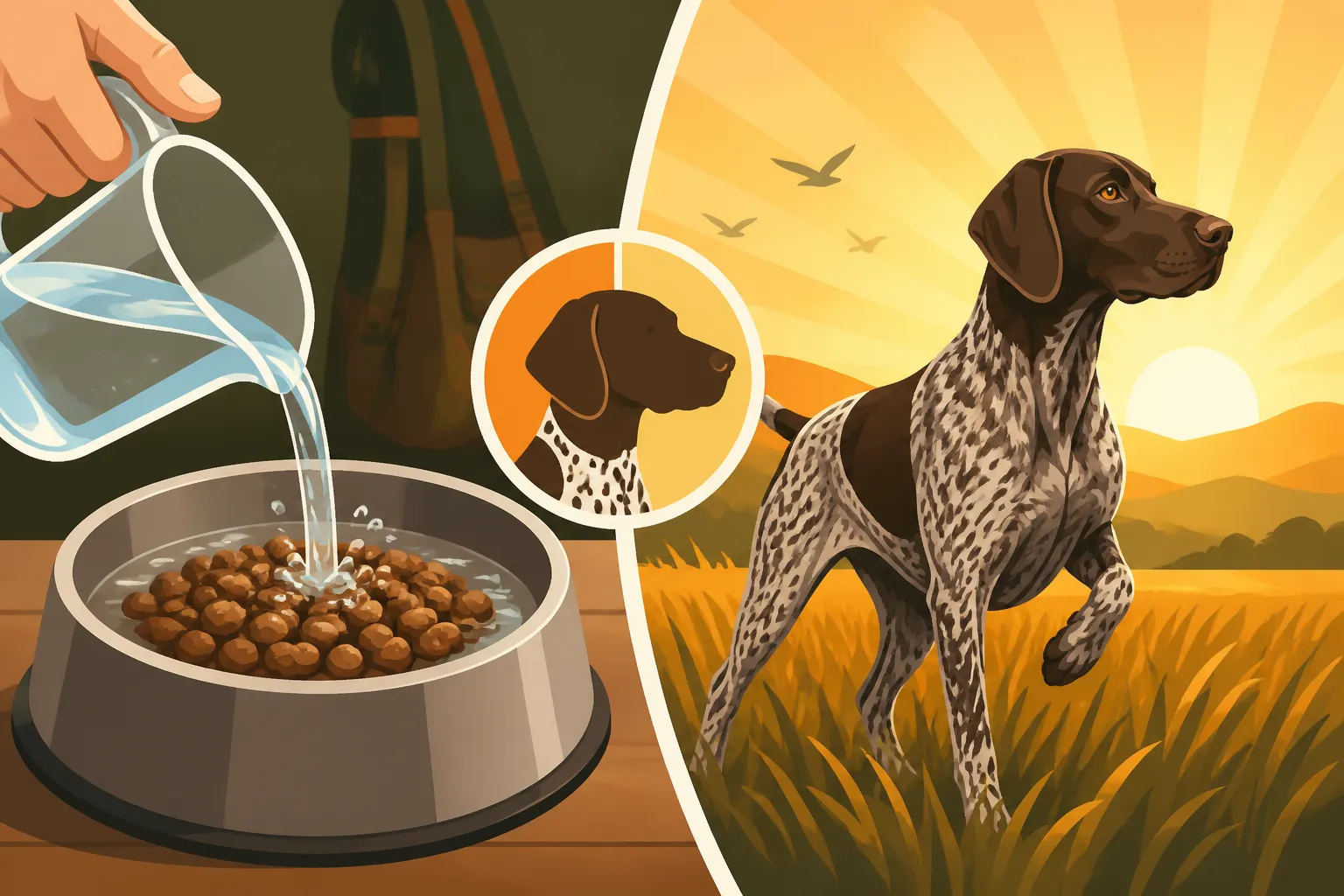
The ideal soaking time can vary depending on the kibble's density and your dog's preference, but a general rule of thumb is to aim for at least 15-30 minutes. Some owners prefer to soak overnight in the refrigerator for the morning meal. Cold water works fine, but warm water can speed up the process considerably, turning hard kibble into a soft mash in a fraction of the time.
If you're using warm water, make sure it's not hot enough to cook the food or destroy any delicate nutrients. Lukewarm is usually perfect. The goal is to soften the kibble completely, not just dampen it. You want it to absorb as much liquid as possible and swell fully. For travel, if you're hitting the road early, you can even pre-portion kibble and add water in a sealed container a few hours before you plan to feed. Many robust travel bowls and containers, readily available on sites like Amazon, make this a breeze.
Enhancing the Meal with Beneficial Additions
Beyond just water, there's a whole world of healthy additions you can introduce to your shorthair's soaked kibble to boost its nutritional value, palatability, and hydration even further.
- Broth: Low-sodium, unsalted chicken or beef broth (ensure no onion or garlic!) can make the meal incredibly appealing and add extra electrolytes. It’s perfect for tempting a picky eater or a dog that might be a bit stressed before a big hunt.
- Goat Milk/Kefir: These fermented dairy products are packed with probiotics, which can support gut health and further aid digestion. A tablespoon or two mixed into the soaked kibble can be a great boost.
- Canned Pumpkin: Pure, plain canned pumpkin (not pie filling!) is excellent for digestive health, whether your dog is experiencing loose stools or constipation. It adds fiber and moisture.
- Fish Oil: While not directly related to soaking, adding a pump of fish oil for omega-3 fatty acids is a great habit. It supports skin and coat health, joint function, and even brain health, all crucial for a hard-working GSP. Look for quality supplements on Chewy or your local pet supply store. Joint Supplements Worth Giving a Working Shorthair can be easily incorporated this way.
Remember, introduce new additions slowly and in small quantities to ensure your dog tolerates them well. The table below offers a quick comparison of feeding methods:
| Feature | Dry Kibble | Soaked Kibble |
|---|---|---|
| Digestion | Slower, more work for digestive system | Faster, easier nutrient absorption |
| Hydration | Absorbs body moisture, less hydrated | Adds moisture, boosts overall hydration |
| Bloat Risk | Potential for internal expansion, air intake | Kibble expands externally, potentially reduced risk |
| Palatability | Varies, can be less appealing dry | Often more appealing, especially with warm water/broth |
| Eating Speed | Often eaten quickly, gulped down | Encourages slower, more deliberate eating |
| Nutrient Loss | Minimal (unless water is very hot) | Minimal if warm, not hot, water is used |
Beyond the Bowl: Unexpected Benefits for Your German Shorthaired Pointer's Performance
The advantages of soaking kibble extend far beyond just basic digestion and hydration. They touch on aspects of your German Shorthaired Pointer's overall health and performance that can make a real difference in their working capacity and longevity.
Improved Palatability and Encouraging Finicky Eaters
Let's face it, some German Shorthaired Pointers are just not as food-motivated as others, especially when they're excited or a bit nervous about an upcoming hunt. A bowl of dry kibble might sit untouched, which is a problem when you need them properly fueled. Soaked kibble, especially with a bit of warm water or broth, often becomes much more appealing. The softened texture and enhanced aroma can entice even the most finicky eater.
This can be a lifesaver when you're traveling or in unfamiliar territory, or when your dog is under stress and might otherwise skip a meal. Ensuring they consume their full calorie ration before a physically demanding day is paramount for sustained energy and preventing a mid-hunt bonk. Feeding a German Shorthaired Pointer After a Hunt Instead of Before is also important, but that pre-hunt meal sets the tone.
Supporting Dental Health and Gentle on Aging Teeth
While dry kibble is sometimes touted for its "cleaning action," the reality is that most dogs swallow kibble whole or give it a cursory crunch, offering minimal dental benefit. For German Shorthaired Pointers with sensitive gums, missing teeth, or those getting a bit older, hard kibble can actually be uncomfortable or painful to eat.
Soaked kibble is soft and easy to consume, which can prevent discomfort and encourage older dogs, or those with dental issues, to eat without pain. This means they're more likely to finish their meal, ensuring they get the necessary nutrition without additional stress. While soaking doesn't replace regular dental care, it certainly doesn't hurt and can make mealtime a much more pleasant experience for dogs with compromised teeth.
Easier Administration of Medications and Supplements
If your German Shorthaired Pointer is on any medications or needs daily supplements, incorporating them into soaked kibble can be much easier than trying to pill them or hide powders in treats. The soft, mushy consistency of soaked kibble makes it simple to mix in powders, liquids, or even crushed pills, ensuring your dog consumes their necessary treatments without a fuss.
This is particularly useful for supplements like probiotics, joint support powders, or even certain vitamins that might be less palatable on their own. Instead of struggling to get your dog to take their meds, you can turn it into part of their regular, enjoyable meal. This reduces stress for both you and your dog, making the process smoother and more consistent.
Adjusting Your Soaking Strategy for Different Hunt Conditions
The beauty of soaking kibble is its flexibility. You can tweak your approach based on the weather, the intensity of the hunt, and your shorthair's individual needs.
Hot Weather and Increased Hydration Needs
When the mercury rises, hydration becomes even more critical. A German Shorthaired Pointer, with its high energy and short coat, can be susceptible to overheating. In these conditions, maximizing liquid intake is paramount. Heat Exhaustion in an Early Season Shorthair is a serious concern.
For hot weather hunts, consider adding extra water to the soaked kibble, making it almost a soupy consistency. You can also mix in hydrating additives like a little plain, unsweetened coconut water (in moderation) or additional low-sodium broth. Pre-soaking with cool water can also make the meal slightly refreshing. Ensure the meal is given well in advance of the hunt to allow for full digestion before physical exertion begins. Aim for 2-3 hours before you hit the field, and always provide fresh water throughout the day.
Cold Weather and Energy Conservation
In colder weather, while dehydration might seem less of an immediate concern, your German Shorthaired Pointer is burning more calories just to stay warm. Their body is working overtime, and efficient digestion is still key.
While you don't necessarily need to add more water than usual, using warm water for soaking can be beneficial. A warm meal can be comforting and help raise their core body temperature slightly, which is a nice touch on a frosty morning. Focus on ensuring the kibble is fully softened for optimal nutrient absorption, giving them every bit of energy available. The Daily Ration a Working Shorthair Actually Eats should reflect the increased caloric demands of cold-weather hunting, and proper digestion ensures those calories are utilized.
Short Sprints Versus All-Day Exertion
The intensity and duration of your hunt also play a role in how you might approach soaking.
- Short, Intense Workouts/Hunts: If you're planning a quick training session or a shorter hunt, say, an hour or two, you might not need to soak for as long or add as much liquid. The goal is still good digestion, but the hydration demands won't be as extreme. Ensure the meal is light enough to prevent sluggishness but provides a quick energy boost.
- Long, All-Day Hunts: For those marathon days in the field, maximize everything. Soak the kibble thoroughly, potentially with extra water or broth, and consider adding easily digestible complex carbohydrates like a small amount of cooked sweet potato to their bowl for sustained energy release. This comprehensive approach helps ensure your German Shorthaired Pointer has the stamina and hydration to go the distance. Think of it as their ultimate fuel-up.
By paying attention to these details and adapting your soaking routine, you're not just feeding your German Shorthaired Pointer; you're optimizing their health and performance for whatever the hunting season throws your way. It’s a small effort with big returns for your incredible hunting companion.
Disclaimer
This article is for general informational purposes only and does not constitute professional advice. Laws, prices and regulations vary by location and change over time. Consult a qualified professional for guidance on your specific situation.