Ice Balls Between a Shorthair’s Toes
There’s nothing quite like the boundless energy of a German Shorthaired Pointer, even when the thermometer dips and the snow starts to fly. But if you’ve ever come home from a winter walk or a brisk hunting session to find your beloved Shorthair hobbling, lifting paws, and clearly uncomfortable, you've likely encountered the miserable problem of ice balls accumulating between their toes. This guide is here to walk you through why this happens, how to prevent it, and what to do when those frozen chunks inevitably form, so your GSP can keep enjoying the snowy outdoors without needless pain.
Why Ice Balls Form and Why They're Such a Pain for Shorthairs
It’s a common winter woe for many dog owners, but German Shorthaired Pointers, with their unique physiology and insatiable drive, seem particularly susceptible to developing those painful clumps of ice and snow between their paw pads. Understanding why it happens is the first step in tackling the issue effectively.
The Perfect Storm for Frozen Paws
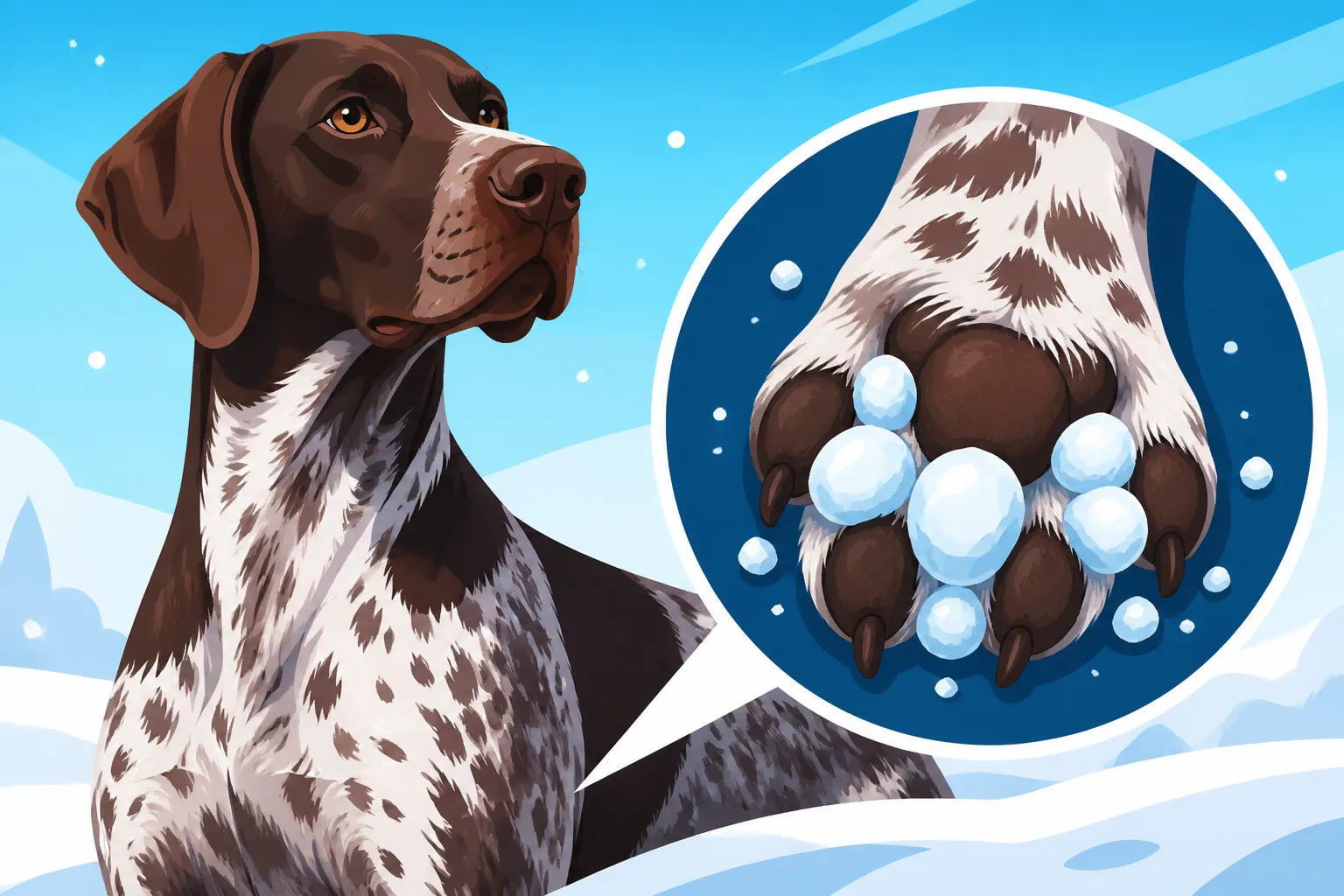
Imagine tiny snow-collecting magnets tucked right where your dog needs agility and comfort the most – that’s essentially what a GSP’s paws become in winter conditions. Their short, dense fur, while fantastic for shedding water and preventing burrs in other seasons, can actually trap snow crystals between the toes. As your dog runs and plays, the warmth from their body slightly melts these crystals, which then refreeze into solid, often sharp, balls of ice due to the cold air and ground temperature. It's a cruel cycle.
This isn't just a minor annoyance; it can quickly become agonizing for your GSP. These ice balls grow larger, putting pressure on the sensitive skin between their pads. They can also pull on the fur, causing a constant tugging sensation with every step. If left unchecked, the ice can rub and chafe the skin, leading to painful cracks, raw spots, or even frostbite, which can sideline your active companion for days or weeks.
Shorthairs and Their Specific Vulnerabilities
German Shorthaired Pointers are built for endurance and covering ground. Their athleticism means they’re often out in conditions that other breeds might avoid, from frosty morning runs to snowy field hunts. This high activity level, combined with their paw structure, makes them prime candidates for ice ball formation. They aren't dainty walkers; they're powerful movers, and the repetitive impact of their paws on snow-covered terrain only compacts those ice crystals more effectively.
Furthermore, a Shorthair’s inherently thin coat on their lower legs and paws offers minimal insulation compared to breeds with thicker, longer fur designed for extreme cold. While this helps them cool down during strenuous activity, it also means their paws are more directly exposed to the freezing elements. This lack of natural "boot" further exacerbates the problem, leaving their delicate paw pads and the skin between their toes vulnerable.
Prevention is Key: Keeping Paws Ice-Free
An ounce of prevention is worth a pound of cure, and nowhere is this truer than with ice balls between a German Shorthaired Pointer's toes. Getting ahead of the problem can save your dog a lot of discomfort and keep your winter adventures enjoyable.
Pre-Walk Paw Preparation
Before you even step out the door, a little bit of preparation can make a huge difference. One of the most effective strategies is to trim the hair between your Shorthair's paw pads. Those little tufts of fur act as prime anchors for snow and ice. A quick, careful trim with blunt-nosed scissors or a small electric trimmer can remove this surface area, making it much harder for ice to cling. If you're unsure how to do this safely, ask your vet or a professional groomer for a demonstration.
Another excellent preventative measure is applying a protective paw balm or wax. Products designed for winter paw protection create a barrier between the paw pads and the snow, ice, and even de-icing chemicals. Think of it like a natural, invisible boot. You can find excellent options on sites like Chewy or Amazon. Simply rub a generous amount into and around the paw pads, paying special attention to the spaces between the toes, before heading out. This barrier not only helps repel ice but also protects against drying and cracking from cold air and harsh surfaces.
Choosing the Right Footwear
While some dogs protest at first, dog boots can be a game-changer for many German Shorthaired Pointers, especially those spending extended time in snowy, icy, or chemically-treated environments. The right pair of boots will provide a physical barrier that completely prevents ice balls from forming, offers insulation against extreme cold, and protects against abrasions from rough ice or frozen ground. It's not just about ice balls; boots can also help with Boots for a Shorthair on Rock and Stubble by protecting against cuts and scrapes.
Finding the right fit is crucial for comfort and effectiveness. Look for boots that stay on securely, allow for natural paw movement, and are made from durable, waterproof materials. Many brands offer different styles, from simple paw wraps to more robust, insulated boots. It might take a few tries to find a brand and style that your Shorthair tolerates, so start with short wear times indoors to get them accustomed to the sensation. When choosing, consider the specific type of winter activity you'll be doing. For short walks on plowed paths, a lighter, more flexible boot might suffice, but for deep snow or extended field work, a more rugged option will be necessary. Brands available on Amazon often provide a wide selection with customer reviews to help guide your choice.
Table: Winter Paw Protection Methods
| Method | Description | Pros | Cons | Best Use Case |
|---|---|---|---|---|
| Trimming Paw Hair | Carefully clip excess fur between paw pads. | Low cost, helps prevent snow accumulation, improves grip. | Requires precision, risk of nicks if done improperly. | General prevention, good for all winter conditions. |
| Paw Balm/Wax | Apply a protective barrier to pads and between toes. | Easy to apply, moisturizes, protects from chemicals & ice. | Needs reapplication, can be messy if over-applied. | Light snow, icy sidewalks, chemical-treated areas. |
| Dog Boots | Physical footwear covering the entire paw. | Best protection against ice, snow, salt, and frostbite. | Some dogs resist, can be expensive, need correct fit. | Deep snow, extended outdoor activity, extreme cold. |
Dealing with Ice Balls When They Happen
Despite your best efforts, sometimes those stubborn ice balls just happen. When they do, knowing how to safely and comfortably remove them is essential to prevent further distress and injury to your German Shorthaired Pointer.
Gentle Removal Techniques
If you notice your Shorthair starting to lift their paws, limp, or chew at their feet, it’s time for an inspection. The key to removing ice balls is patience and gentleness. Don't try to rip them out, as this can tear delicate skin or pull out fur, causing pain. Instead, find a warm spot, either indoors or in your vehicle, and work on one paw at a time.
You can use several methods for gentle removal:
- Warm Water: This is often the quickest and most comfortable method. You can dip your dog's paw in a bowl of lukewarm (not hot!) water. The ice will melt rapidly. If you're out in the field, a thermos of warm water can be a lifesaver.
- Warm Cloth: If dipping isn't practical, hold a warm, damp cloth against the ice balls. The warmth will help them soften and detach.
- Your Hands: For smaller, softer ice chunks, the warmth of your hands can often be enough to melt them or allow you to gently crumble them away. Just ensure your hands are warm, not cold, to avoid causing more discomfort.
- Blunt Scissors or Comb: For particularly stubborn or large ice balls, you can carefully use blunt-nosed scissors to snip the hair around the ice, allowing it to fall away. Alternatively, a wide-toothed comb can sometimes gently dislodge the ice by working it away from the fur. Always be extremely cautious not to cut or scrape the skin.
Post-Removal Paw Care
Once the ice balls are gone, it's not quite time to relax. Your Shorthair’s paws might be tender, red, or even cracked. First, thoroughly dry the paws, especially between the toes, to prevent further chapping or bacterial issues. A soft towel works best.
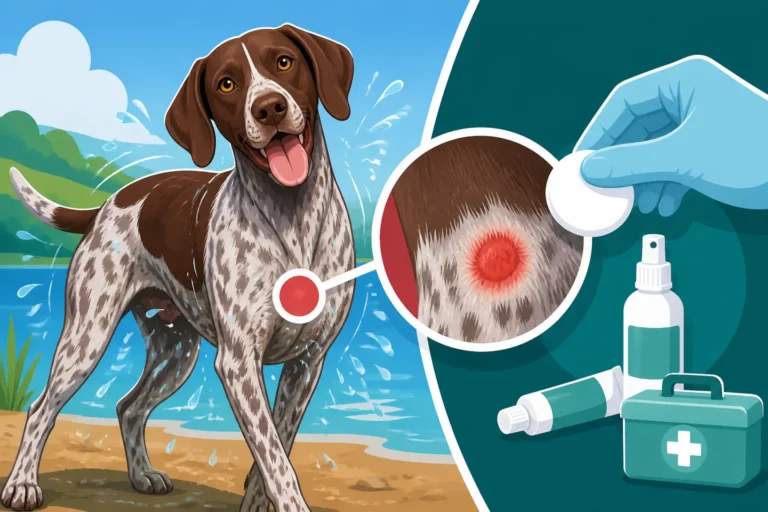
Next, inspect the paw pads and the skin between the toes for any signs of injury – redness, cracks, cuts, or bleeding. If you find any, gently clean the area with a mild antiseptic solution (like diluted Betadine, not rubbing alcohol) and apply a pet-safe soothing balm or antibiotic ointment. If the injury looks deep, or if your dog is in significant pain, a vet visit is in order. Even if there are no obvious injuries, applying a protective paw balm at this stage can help soothe any irritation and moisturize the skin, preventing dryness and future cracking. This is also a good time to reconsider your preventative measures for future outings.
Long-Term Paw Care for Winter Warriors
A German Shorthaired Pointer’s paws are their primary tools, especially for a dog that loves to run, hunt, and explore. Year-round care, intensified during winter, is crucial to keep them healthy and ready for action.
Building Resilience: Toughening Pads
Just like an athlete conditions their body, a Shorthair's paw pads can be conditioned to be more resilient. While you can't make them completely impervious to ice, healthy, tough pads are less prone to cracking and irritation. Regular exercise on varied terrain helps naturally thicken the pads. Over-soft pads are more susceptible to injury. This ties into the advice in Pad Toughener Products for a Hunting Shorthair, where specific products can also aid in building tougher pads.
During the off-season, ensure your GSP is active on different surfaces – pavement, gravel, grass – to gradually build up pad thickness. In the lead-up to winter, you might consider using a paw toughener product. These often contain ingredients that harden the outer layers of skin without making them brittle. Consistent application, usually starting several weeks before intense winter activity, can make a noticeable difference in preventing damage from ice and cold ground.
Post-Activity Routine and General Winter Care
After every winter outing, even a short one, establish a routine of checking and cleaning your Shorthair's paws. This isn't just about ice balls; it's also about Salt and Chemicals on a Shorthair's Feet. De-icing salts and other chemicals used on roads and sidewalks can be corrosive and toxic. Wiping down paws with a damp cloth or rinsing them with warm water immediately after coming inside removes these harmful substances, preventing irritation and preventing your dog from licking them off and ingesting them.
Beyond the paws, remember that German Shorthaired Pointers have very little natural insulation. While their short coat is water-resistant, it doesn't offer much warmth. In extreme cold, even if their paws are protected, the rest of their body can still get dangerously cold. Consider a warm, waterproof vest for prolonged exposure. Ensure they have a warm, dry place to rest after exercise, especially if they've been out in wet snow. Adequate hydration is also crucial in winter, as dry air can be dehydrating. Always provide fresh water, and consider adding moisture to their food if needed.
Keeping your German Shorthaired Pointer happy and healthy through the winter takes a little extra effort, but their joyous enthusiasm for snowy adventures makes it all worthwhile.
Disclaimer
This article is for general informational purposes only and does not constitute professional advice. Laws, prices and regulations vary by location and change over time. Consult a qualified professional for guidance on your specific situation.