Sun Protection for a White Marked Shorthair
Anyone who shares their life with a German Shorthaired Pointer knows their boundless energy and love for the outdoors. But for those gorgeous white-marked shorthairs, all that sunshine can be a hidden enemy, leading to painful sunburns and serious long-term skin problems. This comprehensive guide will walk you through everything you need to know about protecting your white-marked companion from the sun's harmful rays, from prevention tactics to recognizing the signs of trouble, ensuring they can enjoy their adventures safely.
Understanding the Vulnerability of White Markings
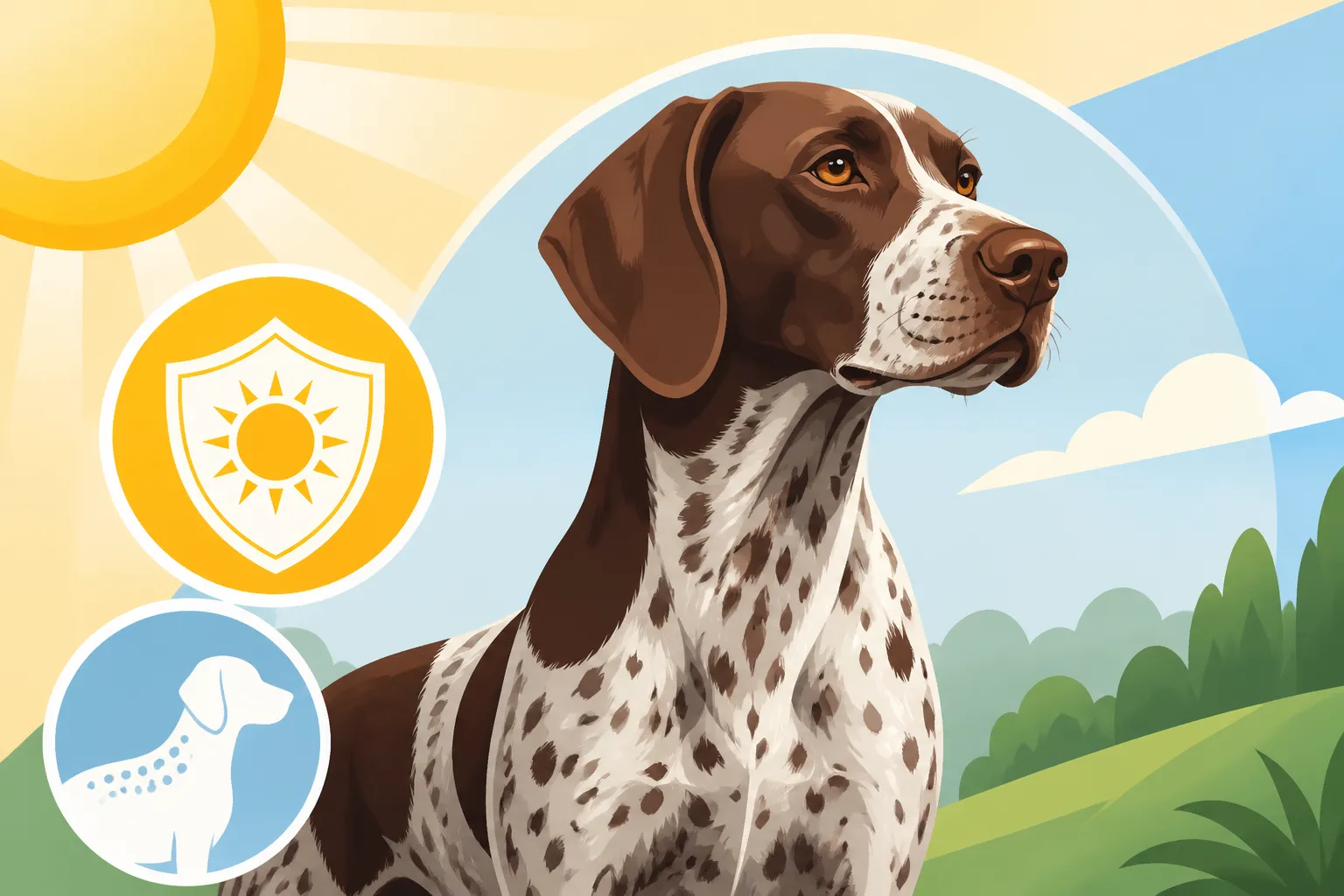
It’s easy to overlook, but those striking white patches on your German Shorthaired Pointer aren't just beautiful; they represent areas of skin with less pigment, making them significantly more susceptible to sun damage. Unlike dogs with solid, darker coats, white-marked shorthairs have skin that often lacks the melanin necessary to naturally block harmful ultraviolet (UV) radiation. This isn't just about superficial sunburn; it's about a foundational biological difference that demands our attention.
The Nature of a Shorthair's Coat
German Shorthaired Pointers, by their very design, have a sleek, short, and dense coat that lies flat against their body. While this coat is fantastic for shedding water, navigating dense cover, and allowing for efficient cooling during strenuous activity, it doesn't offer much in the way of sun protection. Think of it like wearing a very thin shirt on a sunny day—it's barely there, and UV rays can penetrate it with ease. Their sparse undercoat, or sometimes complete lack thereof, further exacerbates this issue. This isn't a long-haired breed with a thick, insulating barrier; it's a lean, athletic dog built for speed and endurance, and its coat reflects that function, not sunblocking prowess. You might be interested in The Coat Length a Shorthair Standard Allows to understand more about their typical coat structure.
For dogs with heavily white-marked areas, particularly on their bellies, inner thighs, ears, nose, and around their eyes, the sun exposure is almost direct. These are often areas where the hair is even finer or sparser, creating natural "windows" for UV light to reach delicate skin cells. A shorthair can spend hours out in the field, diligently hunting, often oblivious to the gradual burn taking hold on its exposed skin. The joy of watching them work can make us forget the inherent risks their physiology presents in bright conditions.
Lack of Pigment and UV Rays
Melanin is the natural pigment that gives skin and hair its color, and crucially, it acts as the body's built-in sunscreen. Darker skin contains more melanin, which absorbs and scatters UV radiation, protecting the underlying cells from damage. White or lightly pigmented skin, however, has very little or no melanin. This means that UV rays hit the cells directly, leading to DNA damage, inflammation, and cellular mutations. Over time, this cumulative damage isn't just about discomfort; it significantly increases the risk of skin cancers.
Consider a hot summer day at the lake or a long autumn hunt in open country. Your white-marked shorthair is running, swimming, and exploring, and their unpigmented skin is soaking up those UV rays like a sponge. It's not immediately obvious, and that's the insidious part. The initial reddening might be hidden by a thin layer of white hair, only becoming apparent hours later when your dog is already uncomfortable. This is why it's so important to be proactive, understanding that your dog's lighter markings are not just cosmetic, but a genuine health indicator.
Commonly Affected Areas
Certain spots on a white-marked German Shorthaired Pointer are veritable hotspots for sun damage. The bridge of the nose, for instance, is often sparsely haired and directly exposed, especially if your dog spends a lot of time with their nose to the ground. The tips of the ears are another common target; they're thin-skinned and often stick up, catching the sun's rays. Around the eyes, where the hair is fine and the skin delicate, is also vulnerable.
Beyond the face, think about the belly and inner thighs. When your shorthair flops down for a nap in a sunny spot, or rolls over for a belly rub in the yard, these areas, which are naturally very light and have minimal hair, are directly exposed. Dogs that love to swim and then sunbathe to dry off are particularly at risk here, as wet skin can actually magnify the sun's effects. The thinness of the hair on these areas provides virtually no barrier, making them prime targets for sunburn and long-term sun-induced skin issues.
Recognizing the Signs of Sun Damage
It’s not always easy to tell if your German Shorthaired Pointer is getting too much sun, especially if they’re so focused on the task at hand or just enjoying themselves. But knowing what to look for can make all the difference in catching sun damage early and preventing more serious complications. Sunburn in dogs, much like in humans, ranges from mild discomfort to severe, painful lesions, and chronic exposure can pave the way for more insidious problems.
Acute Sunburn Symptoms
Acute sunburn in dogs often mirrors what we experience ourselves. The most obvious sign is redness of the skin in exposed, lightly pigmented areas. This might be a subtle pink at first, but can escalate to a vivid red, particularly on the bridge of the nose, ear tips, or the belly. If you gently touch the affected area, your dog might recoil or show signs of pain and tenderness. The skin might feel warm to the touch, and in more severe cases, it can become swollen.
You might also notice your dog frequently licking or scratching at the sunburnt spots, indicating irritation and discomfort. This can unfortunately worsen the situation, as excessive licking can break the skin, leading to secondary bacterial infections. In really severe cases, blisters can form, which are incredibly painful and increase the risk of infection significantly. Imagine how uncomfortable a severe sunburn feels for us; your dog experiences that same intensity, but often without the ability to express it clearly beyond behavioral changes. Keeping a close eye on them, especially after a long day outside, is essential. When you're Checking a German Shorthaired Pointer Over After a Hunt, always prioritize examining these vulnerable areas.
Chronic Skin Changes and Lesions
Beyond immediate sunburn, repeated or prolonged sun exposure, especially for a white-marked shorthair, can lead to chronic changes in the skin. One of the most common and concerning is solar dermatitis, which is a persistent inflammation of the skin caused by UV light. This can manifest as thickened, rough, and scaly skin, often with hair loss in the affected areas. The skin might also develop dark spots, or hyperpigmentation, as the body attempts to protect itself with more melanin, though this is often an inadequate defense against ongoing assault.
More seriously, chronic sun exposure is a major risk factor for various types of skin cancer in dogs, including squamous cell carcinoma, hemangiosarcoma, and mast cell tumors. You might notice unusual lumps, bumps, or sores that don't heal, especially on the nose, ear tips, or eyelids. These can start small and seem benign, but they demand immediate veterinary attention. The Skin Tumors Shorthairs Get Younger Than Most highlights how important early detection is for certain breeds. Any persistent lesion or change in skin texture on those vulnerable white patches should be treated with utmost seriousness and checked by a vet right away.
Distinguishing From Other Skin Issues
It’s important to differentiate sun damage from other common skin problems that German Shorthaired Pointers can face. For example, skin allergies can also cause redness, itching, and hair loss, but these typically occur in different patterns and might be accompanied by other allergic symptoms like sneezing or ear infections. Hot spots, often triggered by excessive licking due to irritation, can look like raw, red sores, but they usually develop very quickly and are often in areas not typically prone to direct sun exposure, though a sunburn could lead to a hot spot if your dog licks it enough.
Lupoid dermatosis, a serious autoimmune skin disease that can affect shorthairs, also causes scaling and hair loss, particularly along the back and face. The scaling skin that starts on a shorthair’s back might initially be confused with sun damage, but its progression and underlying cause are very different. If you notice any persistent skin issues, especially on your white-marked shorthair, it’s always best to consult your veterinarian. They can perform diagnostic tests, like skin scrapings or biopsies, to accurately identify the problem and ensure your dog receives the correct treatment. Managing a German Shorthaired Pointer's Lifelong Skin Disease can be a complex journey, and proper diagnosis is the first step.
Proactive Strategies for Sun Protection
Prevention truly is the best medicine when it comes to protecting your white-marked German Shorthaired Pointer from the sun. Incorporating a few thoughtful habits and utilizing readily available tools can dramatically reduce their risk of sunburn and long-term skin damage, allowing them to enjoy their active lives without unnecessary health concerns. It's all about being mindful of their vulnerability and planning ahead.
Timing Outdoor Activities Wisely
One of the simplest yet most effective ways to protect your shorthair from the sun is to adjust the timing of your outdoor activities. The sun's UV rays are strongest between 10 AM and 4 PM. During these peak hours, consider keeping your white-marked companion indoors or ensuring they have ample shade if they must be outside. Instead, schedule walks, training sessions, or hunting trips for early mornings or late afternoons.
Think about a typical summer day: instead of heading out for a long run with your GSP at noon, aim for a pre-sunrise jog or an evening constitutional as the sun begins to dip. This is not only safer for their skin but also helps prevent heat-related issues like Heat Exhaustion in an Early Season Shorthair. Even on cloudy days, UV rays can penetrate the cloud cover, so vigilance is always necessary. By simply shifting your schedule, you can significantly lessen your dog's exposure to the most damaging UV radiation without sacrificing their essential exercise needs.
Creating Shade Havens
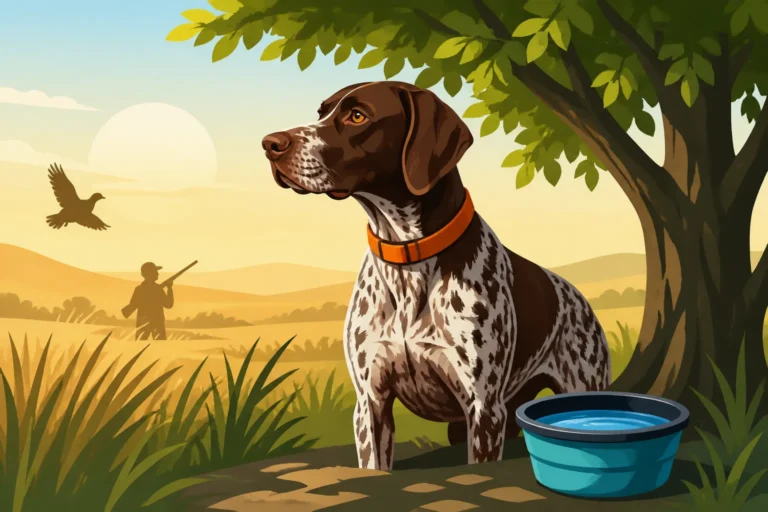
When your shorthair is outside, whether in your backyard, at a park, or out in the field, always ensure there’s a readily accessible source of shade. This seems obvious, but it's often overlooked. A mature tree, a covered patio, an umbrella, or even a pop-up canopy can provide a crucial retreat from direct sunlight. Make it inviting with a comfortable mat or a bowl of fresh water.
In the hunting field, shade might be harder to come by. This is where portable solutions become invaluable. A small, collapsible canopy or even strategically parking your vehicle to cast a shadow can give your dog a much-needed break from intense sun. If you’re at a dog event or a friend’s house, always scout out shaded areas beforehand. It’s not enough to simply have shade; your dog needs to be encouraged to use it, especially if they are prone to pushing themselves. Creating these "shade havens" helps your shorthair regulate their body temperature and protects their sensitive skin from constant sun bombardment.
Protective Clothing and Gear
For those unavoidable times when your white-marked shorthair will be out in direct sunlight, protective clothing and gear can be a game-changer. UV-protective dog shirts or vests, specifically designed for canines, are becoming increasingly popular. These are often made from lightweight, breathable fabric that blocks a significant percentage of UV rays. Look for brands that offer UPF (Ultraviolet Protection Factor) ratings, similar to human sun-protective clothing.
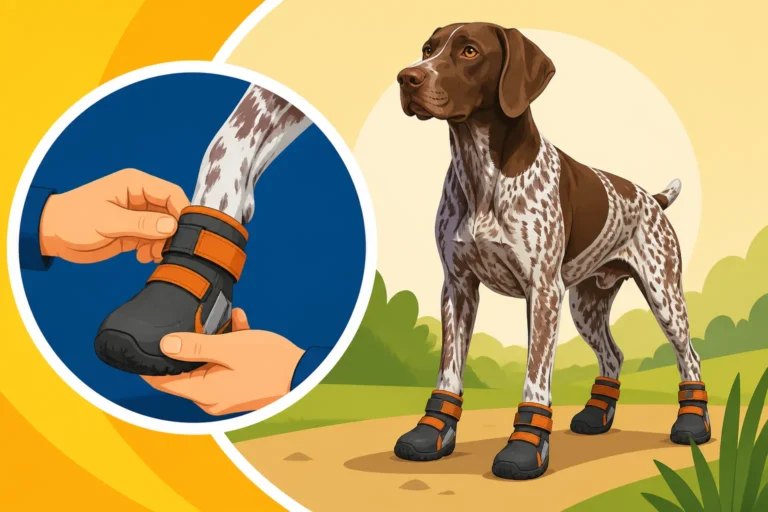
These vests are particularly useful for dogs with large areas of white on their back and flanks, or for those long days fishing or training near water, where reflected sunlight can double the exposure. You can find a good selection of these on sites like Chewy or Amazon. For the delicate nose and ear tips, specialized balms with sun protection can be applied, or even a wide-brimmed dog hat if your shorthair will tolerate it (though many won't!). For hunting dogs, Vests and Coats a German Shorthaired Pointer Actually Needs might also offer some sun protection in addition to thorn and abrasion resistance. Even simple precautions like dog boots can protect paws from scorching hot surfaces.
Choosing and Applying Canine Sunscreen
Just like us, dogs can benefit from sunscreen, but it's critical to use products specifically formulated for pets. Human sunscreens often contain ingredients that can be toxic if ingested by dogs, and let's face it, most dogs will try to lick off anything you put on them. Using a safe, effective canine sunscreen is a crucial layer of defense for your white-marked German Shorthaired Pointer.
Selecting Dog-Safe Sunscreens
When you're shopping for sunscreen for your shorthair, safety is paramount. The key is to look for products that are explicitly labeled "dog-safe" or "pet sunscreen." Avoid any sunscreen that contains zinc oxide or para-aminobenzoic acid (PABA), as these ingredients are toxic to dogs if ingested. Zinc oxide, in particular, can cause severe gastrointestinal upset, red blood cell damage, and anemia. Always read ingredient labels carefully, even on products marketed for pets, to ensure they don't contain hidden harmful substances.
Many veterinarian-recommended dog sunscreens use titanium dioxide as their active ingredient, which is generally considered safe. Look for broad-spectrum formulas that protect against both UVA and UVB rays. Opt for fragrance-free and hypoallergenic options to minimize skin irritation, especially for dogs with sensitive skin. You can often find reputable brands through your vet, or by searching online pet supply retailers like Chewy or Amazon for "dog sunscreen." Don't be shy about asking your vet for specific brand recommendations; they often have firsthand experience with what works and what's safe.
Application Techniques and Frequency
Applying sunscreen to an active German Shorthaired Pointer can be a bit of an art form, especially if they’re eager to get out and go! The most important thing is to apply it thoroughly to all vulnerable, lightly pigmented, and sparsely haired areas. This includes the bridge of the nose, ear tips, around the eyes, the belly, and the inner thighs. For dogs that like to roll on their backs, don't forget the chest and armpits.
Start by dabbing a small amount onto your fingers and gently massaging it into the skin until absorbed. Make it a positive experience with praise and treats. For maximum effectiveness, apply sunscreen about 15-20 minutes before your dog goes outside, allowing it to absorb properly. Reapplication is just as important, especially if your dog is swimming, sweating, or rolling around. Aim to reapply every 2-4 hours during prolonged sun exposure, or immediately after a swim. Think of it as a routine, just like applying your own sunscreen, because your shorthair's skin needs that consistent protection.
What to Avoid in Dog Sunscreen
We've already touched on zinc oxide and PABA, but it's worth reiterating the absolute necessity of avoiding these. Beyond those, also steer clear of sunscreens that contain salicylic acid, common in some human products, as it can be toxic if ingested. Any product with strong fragrances or dyes can also be irritating to a dog's sensitive skin and should be avoided.
Some owners might be tempted to use natural oils, like coconut oil, thinking they offer sun protection. While some oils have a very low SPF, they are generally not sufficient to protect against significant UV exposure and can actually make skin greasier and attract dirt. Stick to purpose-formulated canine sunscreens. When in doubt, if you can't find a dog-specific product or are unsure about ingredients, a physical barrier like a light UPF shirt or keeping your dog in the shade is always the safest bet. Never risk using a human product that isn't explicitly vet-approved.
Addressing and Managing Sun-Related Skin Issues
Even with the best preventative measures, sometimes sun damage can happen. Knowing how to respond effectively, and when to seek professional veterinary help, is crucial for your white-marked German Shorthaired Pointer's comfort and long-term health. Prompt and appropriate care can prevent a mild sunburn from escalating into a more serious problem.
When to Seek Veterinary Care
While a mild, pink sunburn might resolve on its own with basic home care, there are clear indicators that it's time to call your veterinarian. If your dog's skin is severely red, blistered, swollen, or appears to be peeling extensively, professional intervention is needed. These symptoms suggest a deeper burn that can be incredibly painful and is highly prone to infection.
Also, if your dog is showing signs of systemic illness, such as lethargy, loss of appetite, vomiting, or fever, these could indicate a more widespread reaction or heat stroke, especially if combined with sun exposure. Any open sores or lesions that don't heal within a few days, or any suspicious lumps or bumps on sun-exposed areas, warrant immediate vet attention. Remember, chronic sun damage can lead to skin cancers, so don't delay in having persistent skin changes examined. It's better to be overly cautious than to regret waiting. Sometimes, what seems like a simple burn could be masking a more serious underlying issue.
Treatment Options for Sunburn
For mild sunburns, the first step is to gently cool the affected areas. A cool (not cold) compress or a cool bath with colloidal oatmeal shampoo can help soothe the skin and reduce inflammation. Ensure the water is lukewarm, as very cold water can shock a dog or cause blood vessels to constrict, hindering healing. After bathing, gently pat the skin dry, don't rub.
Topical treatments can also be beneficial. Your vet might recommend an aloe vera gel (ensure it’s 100% pure and free of lidocaine or other additives that are toxic to dogs) or a soothing, non-steroidal anti-inflammatory cream. For more significant pain or inflammation, your vet may prescribe oral pain relievers or anti-inflammatory medications. If bacterial infection is present, antibiotics might be necessary. The goal is to alleviate discomfort, promote healing, and prevent secondary complications. Always follow your vet's instructions carefully for any prescribed medications or treatments.
Long-Term Management of Chronic Damage
If your shorthair has suffered from chronic sun exposure and developed conditions like solar dermatitis or precancerous lesions, long-term management becomes a critical part of their care. This often involves a multi-faceted approach, combining stricter sun protection measures with ongoing veterinary monitoring. Regular vet check-ups, especially specific skin exams, will be vital to monitor existing lesions and detect any new growths early.
Your vet might recommend regular biopsies or excisions of suspicious areas to prevent them from becoming cancerous. Dietary supplements, particularly omega-3 fatty acids, can support overall skin health and help reduce inflammation, though they are not a substitute for sun protection. Products like those offered by Ollie, with their focus on fresh, balanced nutrition, can support skin health from the inside out, complementing topical treatments and sun avoidance. For dogs with severe or persistent issues, consulting with a veterinary dermatologist can provide specialized care and advanced treatment options. The journey to Managing a German Shorthaired Pointer's Lifelong Skin Disease due to sun exposure requires dedication and a close partnership with your vet.
Lifelong Care for Your White-Marked Companion
Living with a white-marked German Shorthaired Pointer means committing to their unique needs, and sun protection is a lifelong endeavor. Their robust health and enthusiasm for life deserve our ongoing vigilance. By integrating mindful practices into your daily routine, you can help ensure your spirited companion enjoys a full, healthy life, minimizing the risks associated with their sun-sensitive skin.
Regular Skin Checks
Making regular skin checks a routine part of your shorthair's care is perhaps one of the most important preventative measures you can take. Ideally, this should be done weekly, especially during warmer months or periods of high outdoor activity. Gently part their fur on all white or lightly pigmented areas—nose, ears, belly, inner thighs, and anywhere else the skin is exposed. Look for any signs of redness, scaling, lumps, bumps, sores that don't heal, or changes in skin texture or color.
Familiarize yourself with what your dog's healthy skin looks like so you can quickly spot any anomalies. Pay particular attention to areas that often get overlooked. A thorough check takes only a few minutes but can make a monumental difference in early detection of potential problems. This proactive approach allows you to catch issues when they are small and most treatable, before they escalate into more serious health concerns.
Nutritional Support for Skin Health
While nutrition can't prevent sunburn on its own, a high-quality, balanced diet plays a significant role in overall skin health, supporting its resilience and ability to heal. A diet rich in essential fatty acids, particularly omega-3s, can help maintain a healthy skin barrier and reduce inflammation. Look for dog foods that list ingredients like fish oil, flaxseed, or other healthy fat sources.
Some owners opt for fresh food diets or supplements to ensure optimal nutrient intake. Brands like Ollie, known for their human-grade ingredients and customized meal plans, can offer excellent nutritional support that benefits skin and coat health. Antioxidants, found in various fruits and vegetables, also contribute to cellular health and can help combat damage from environmental stressors, including UV radiation. Discussing your dog's diet and any potential supplements with your veterinarian can help tailor a nutritional plan that best supports their skin and overall well-being, especially for dogs prone to skin issues.
Adapting as Your Shorthair Ages
As your German Shorthaired Pointer transitions from an energetic adult to a graceful senior, their skin, like the rest of their body, will undergo changes. Older dogs often have thinner skin, less muscle tone, and may become less mobile, spending more time lying down in one spot. This can inadvertently increase their sun exposure if they choose a sunny patch for their naps, or decrease their ability to move to shade if they're stiff.
Monitoring and adapting your sun protection strategies for an aging shorthair becomes even more critical. Their immune systems might also be less robust, making them more susceptible to skin infections or slower to heal from sun damage. Continue with diligent skin checks, ensuring access to ample shade, and considering protective clothing. Caring for a German Shorthaired Pointer After Nine often involves a more holistic approach to health, with sun protection remaining a key element. An older dog's skin needs just as much, if not more, attention and protection as a puppy's.
Essential Sun Protection Products for Your GSP
Having the right tools on hand makes it much easier to consistently protect your white-marked German Shorthaired Pointer. From specialized balms to comfortable clothing, a well-stocked "sun protection kit" can save you stress and keep your dog safe from harmful UV rays.
| Product Category | Purpose | Key Features to Look For | Common Application Areas |
|---|---|---|---|
| Canine Sunscreen | Direct UV barrier for exposed skin | Zinc-oxide/PABA free, broad-spectrum, water-resistant, fragrance-free | Nose, ear tips, belly, inner thighs, groin, around eyes |
| Protective UV Vest/Shirt | Physical barrier for torso and back | UPF rated, breathable fabric, lightweight, quick-drying, comfortable fit | Back, flanks, chest |
| Paw Balm/Wax | Protects paw pads from hot surfaces | All-natural, moisturizing, non-toxic, provides a protective barrier | Paw pads (not directly for UV, but related to sun/heat safety) |
| Shade Canopy/Tent | Portable shelter for outdoor activities | Easy to set up, UV-resistant fabric, stable in wind, breathable | Any outdoor setting where natural shade is lacking |
| Cooling Mat/Vest | Helps regulate body temperature | Non-toxic cooling gel or water-activated, durable, easy to clean | Whole body (vest), or resting area (mat) |
| Dog-Safe Lip Balm | Protects sensitive muzzle/nose from chapping/burn | SPF factor, non-toxic, moisturizing | Nose, lips |
This table provides a quick reference for products you might consider for your white-marked German Shorthaired Pointer. Remember, each item serves a specific purpose, and a combination of these will offer the most comprehensive protection.
Disclaimer
This article is for general informational purposes only and does not constitute professional advice. Laws, prices and regulations vary by location and change over time. Consult a qualified professional for guidance on your specific situation.