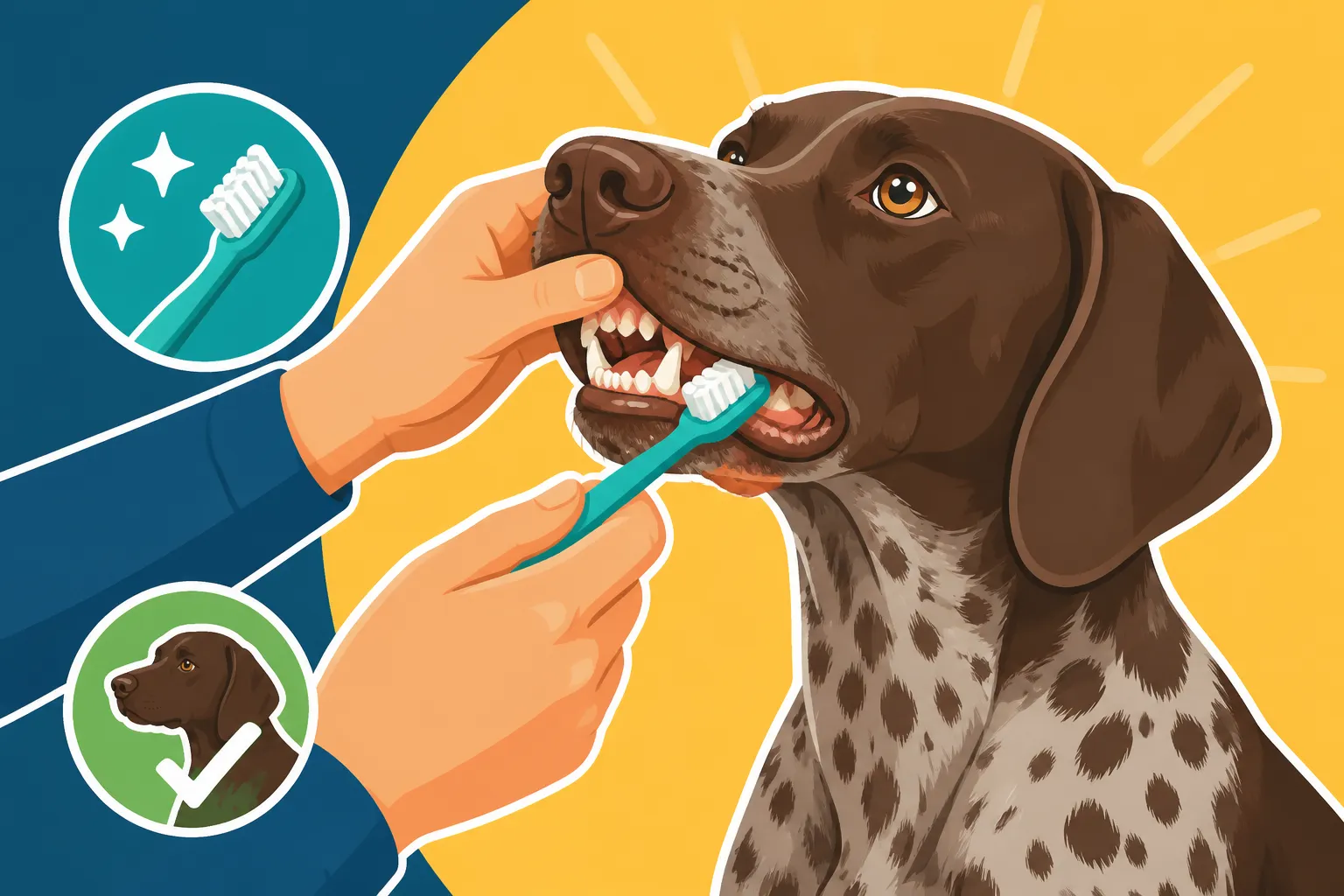
Getting a Toothbrush Into a Shorthair’s Mouth
Let's be honest, trying to get a toothbrush into the mouth of a German Shorthaired Pointer can feel like trying to wrestle an octopus into a shoebox. Their boundless energy, strong prey drive, and often sensitive mouths can make what seems like a simple task into a daily battle. This guide is here to walk you through strategies, tips, and a whole lot of patience to make your Shorthair's dental hygiene a manageable and even positive part of your routine, protecting them from serious health issues down the line.
The Challenge of Shorthair Dental Care
We all know GSPs are built for action, for covering ground, and for being our constant companions. What they're not always built for, in their own minds, is sitting still while we poke around in their mouths. But neglecting their dental health can lead to far more serious problems than just bad breath, impacting their overall well-being and even shortening their vibrant lives.
Why Dental Health Matters for a German Shorthaired Pointer
It's easy to overlook dental care when you're busy with all the other needs of a high-energy breed. You're focused on that two hours a day of intense exercise, the training for Whoa and Why Every Shorthair Starts There, and making sure they're fed a diet that supports their athletic endeavors. But dental disease isn't just about a stinky mouth; it's a gateway to systemic health issues.
Imagine a persistent infection brewing in your dog's mouth. Each time they eat or even just breathe, bacteria from that infection can enter their bloodstream. This isn't just a hypothetical scenario; it's a very real concern for dogs with untreated dental disease. These bacteria can travel to vital organs like the heart, kidneys, and liver, causing inflammation, damage, and ultimately, serious illness. For a breed as active and predisposed to longevity as the German Shorthaired Pointer, keeping their internal systems healthy is paramount. Untreated dental issues can exacerbate existing health conditions or even lead to new ones, reducing their quality of life and potentially their lifespan. Early intervention and consistent care, including daily tooth care, can prevent a lot of heartache and expense down the road.
Beyond internal organ damage, the pain of dental disease itself can dramatically impact your Shorthair. A dog suffering from toothache, gum inflammation, or even a dental abscess might become withdrawn, refuse certain foods, or exhibit changes in their playful demeanor. They can't tell us directly that their mouth hurts, so we have to be vigilant for the signs. A healthy mouth means a happy dog, one who can enjoy their meals, retrieve confidently, and engage fully in all the activities they love without the silent burden of oral pain.
The Specific Difficulties of Brushing a Shorthair's Teeth
Shorthairs are intelligent, but they're also often incredibly sensitive. They pick up on our moods, our frustrations, and any hesitation we might have. If you approach them with anxiety about brushing, they'll sense it immediately, and that's a recipe for resistance. Many GSPs, especially if not introduced to mouth handling early, can find the whole process invasive and alarming. Their natural inclination to be always "on the go" doesn't help either; getting them to settle for even a few minutes can be a monumental task. You might find your Shorthair wiggling, trying to lick the toothpaste, or simply trying to get away, interpreting your well-meaning efforts as a threat or an annoying interruption.
Another challenge lies in their mouth structure itself. While not brachycephalic (short-nosed) like bulldogs, their jaws are powerful, and their molars are set far back, making them tricky to reach. Getting to those back teeth, where plaque and tartar often build up most significantly, requires a certain amount of dexterity and cooperation from your dog. The short, stiff coat that helps them shed water easily also means they don't have much to grab onto if they decide to bolt! Their enthusiasm for everything often means they want to chew the brush or lick the paste right off, turning a brushing session into a game of tug or a treat time rather than a focused cleaning. This combination of high energy, potential sensitivity, and physical challenge makes GSP dental care a unique undertaking that requires patience, consistency, and a well-thought-out approach.
Preparing for the Dental Routine
Success in dental care for your Shorthair starts long before you ever pick up a toothbrush. It's about setting the stage, building positive associations, and ensuring you have the right tools for the job. Think of it as laying the groundwork for a successful hunt – you wouldn't just send your dog into the field unprepared, would you?
Choosing the Right Tools for Your Shorthair
When it comes to dental tools, one size definitely does not fit all, especially for a German Shorthaired Pointer. Their mouth is different from a toy poodle's, and their personality often requires a different approach. First, let's talk about toothbrushes. You have options, from traditional canine toothbrushes with angled heads and soft bristles to finger brushes that slip over your pointer finger. Some people find that a child's toothbrush works well too, as the smaller head can maneuver more easily in the back of a Shorthair's mouth. The key is finding something comfortable for both of you. For a Shorthair that's hesitant, a finger brush might be less intimidating initially, allowing for a gentler introduction to the sensation. As they get more comfortable, you can transition to a brush that offers better cleaning power.
Next up, toothpaste. This is crucial because canine toothpaste is specifically formulated to be safe for dogs to swallow – never use human toothpaste, as it often contains xylitol, which is highly toxic to dogs. Dog toothpastes come in appealing flavors like poultry, beef, or peanut butter, which can be a huge motivator for your Shorthair. Think about what flavors your dog already loves. If they're obsessed with peanut butter, a peanut butter-flavored toothpaste might turn the whole experience into a treat rather than a chore. Brands like Virbac C.E.T. or Petrodex are widely available and well-regarded for their palatability and enzymatic action, which helps break down plaque. You can find a good selection of these on sites like Chewy or Amazon, making it easy to experiment with what your Shorthair prefers.
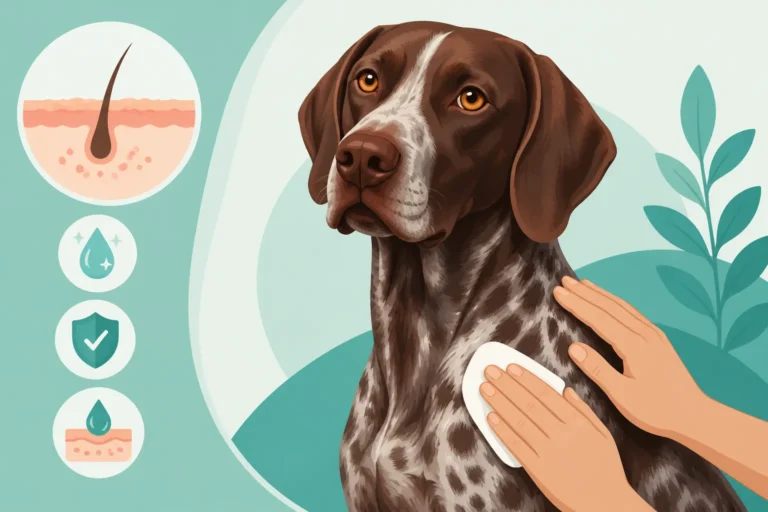
Consider adding dental wipes or dental sprays as supplementary tools. While they don't replace brushing, they can be helpful on days when a full brush isn't feasible, or as a way to ease your dog into having their mouth handled. These can also be found easily online. The most important thing is to have several options and be prepared to switch if something isn't working. It’s an investment in their long-term health, so don't be afraid to try a few different types of brushes or flavors of toothpaste until you hit on the winning combination.
Here's a quick comparison of common dental tools:
| Tool Type | Pros | Cons | Best For |
|---|---|---|---|
| Traditional Pet Brush | Good reach, effective cleaning, durable. | Can feel bulky, might be intimidating for sensitive dogs. | Dogs comfortable with mouth handling; thorough cleaning. |
| Finger Brush | Gentle, direct tactile feedback, less intimidating for beginners. | Less effective cleaning than a traditional brush, can be awkward to use. | Initial introductions, sensitive dogs, quick touch-ups. |
| Child's Toothbrush | Smaller head for better maneuverability, soft bristles. | Not specifically designed for dog's mouth, may wear out faster. | Reaching back molars, smaller GSPs, an interim solution. |
| Dental Wipes | Quick, easy, good for daily surface cleaning, less intimidating. | Only cleans surfaces, doesn't get into gum line as well as brushing. | Daily freshening, very reluctant dogs, supplementing brushing. |
| Dental Spray/Gel | Easy application, no brushing required, can reduce bacteria. | Doesn't physically remove plaque, relies on dog licking it around. | Dogs absolutely unwilling to tolerate brushing, supplemental use. |
Creating a Positive Environment and Routine
German Shorthaired Pointers thrive on routine and positive reinforcement. They want to please you, and they love a good reward. So, instead of cornering your Shorthair with a toothbrush, make dental time a predictable, pleasant experience. Choose a quiet time of day when your dog is already relaxed, perhaps after a good long walk or a solid training session when their energy levels are a bit lower. Avoid times when they're bouncing off the walls or right before a meal, when they're likely to be overexcited.
Start by associating the tools with good things. Let your Shorthair sniff the toothbrush and toothpaste. Put a tiny smear of the dog-friendly toothpaste on your finger and let them lick it off – this is often the easiest first step, as they usually love the taste! Immediately follow this with praise, a favorite treat, or a quick game of fetch. The goal is for them to think, "Oh, that weird brushing thing means I get yummy stuff and attention!" Consistency is key here. If you aim for daily sessions, even if they're very short at first, your dog will learn what to expect. This predictability helps reduce anxiety and builds trust.
Remember, patience is your biggest ally. If you rush it, you risk creating a negative association that will be much harder to undo. Keep sessions short and sweet, ending on a positive note before your dog gets bored or frustrated. Even if you only manage to touch their mouth with the brush for a second, that's a win. Celebrate it! This methodical, positive approach helps to build a foundation of cooperation that will make the actual brushing much more effective in the long run.
Getting Your Shorthair Used to Touch
Before you even think about putting a brush in their mouth, your German Shorthaired Pointer needs to be comfortable with you handling their muzzle, lips, and gums. This isn't just about dental care; it's a vital part of their overall socialization and helps prepare them for vet visits too, allowing vets to examine their mouth more easily. Start slowly, in a calm environment, with lots of gentle praise and high-value treats.
Begin by simply touching their muzzle. Just a light touch, then immediately give a treat and praise. Repeat this many times over several days, gradually increasing the duration of the touch. Once they're comfortable with that, gently lift their lips to expose their teeth, just for a second, then treat and praise. Do this on both sides of their mouth. Focus on making this a non-threatening, even pleasant, interaction. You're building a positive emotional response to having their face and mouth handled.
Once they're okay with lip lifting, try gently touching their gums with your finger. Again, just a quick touch, then treat. The goal is to desensitize them to the feeling of something touching their gums. Some GSPs are mouthy and might try to "mouth" your fingers back, which is fine as long as it's not a hard bite. Use the special dog toothpaste on your finger during these steps too, letting them lick it off. This reinforces that mouth handling means yummy treats. If at any point your Shorthair shows signs of stress, such as pulling away, tensing up, or growling, back off immediately. Go back to an easier step, and try again later. Never force it, as this can create fear and undo all your hard work. This process might take days or even weeks, but it's an essential foundation for successful tooth brushing.
Step-by-Step Guide to Brushing Your Shorthair's Teeth
Alright, you've done the prep work, gathered your tools, and your Shorthair is (mostly) okay with you touching their mouth. Now it's time to actually introduce the toothbrush. Remember, think small steps, big rewards. We're training a keen, intelligent animal here, not forcing a procedure.
The Initial Introduction to the Toothbrush and Paste
The very first step is to introduce the toothbrush as just another cool, tasty thing. Start by letting your Shorthair lick a small amount of their dog-specific toothpaste off your finger. Praise them enthusiastically. Once they’re happily taking the paste, put a pea-sized amount directly onto the toothbrush bristles. Let them lick it off the brush. The goal here is purely about positive association – the toothbrush means delicious paste! Repeat this for a few days, or until your Shorthair eagerly approaches the brush. Don't even try to brush yet; just focus on making the brush a friendly object.
Next, while they're licking the paste off the brush, gently try to rub the brush (with paste on it) along their front teeth or the outside of their canines. You're not scrubbing, just letting the bristles make contact. Again, keep it super brief – literally a second or two – then remove the brush, praise them, and offer a tiny extra treat. The front teeth and canines are usually easier to access and less sensitive than the molars. If they tolerate this, try the same thing on the outside of their back teeth (the molars). Don't worry about the inside surfaces of the teeth at this stage; plaque tends to build up most on the outside surfaces anyway. Consistency is more important than perfection in these early stages. Building a routine, even a very short one of just touching the brush to their teeth, is the real victory.
Working Towards Brushing All Teeth
Once your German Shorthaired Pointer is tolerating the brush touching their teeth for a few seconds, it’s time to gradually increase the duration and coverage. The key word here is gradually. Don't try to clean their entire mouth in one go. Instead, focus on small sections. Start with their front teeth, brushing gently for 5-10 seconds. Use a circular motion, getting right to the gum line, where plaque loves to hide. After you've done the front, move to one side of their mouth, lifting the lip to expose the molars, and brush for another 5-10 seconds. Then switch to the other side. Always end with praise and a reward. Remember that wonderful toothpaste? Use it liberally!
The most important surfaces to clean are the outer surfaces of the teeth, as these are where most plaque and tartar accumulate. Don't stress too much about the inner surfaces initially, as their tongue often helps keep those relatively cleaner. As your Shorthair becomes more accustomed to the routine, you can slowly extend the brushing time for each section, aiming for about 30 seconds per side, or even a full minute for their whole mouth. If your GSP is still resisting, try breaking it down even further. Maybe one day you only brush the front teeth, the next day one side, and the day after the other. The goal is to build up their tolerance over time, making it a regular, positive experience rather than a dreaded event. Don't forget, dental issues like Tartar on a German Shorthaired Pointer's Molars are a common problem that consistent brushing can help prevent.
Maintaining Consistency and Positive Reinforcement
Consistency is the single most important factor in effective dental care for your German Shorthaired Pointer. Just like with any training, if you only brush their teeth sporadically, it will never become a routine for them, and they'll likely resist each time. Aim for daily brushing. If daily is truly impossible, every other day is a good second best, but less frequent than that significantly reduces the benefits. Think of it like this: would you only brush your own teeth once a week? Probably not, and your dog's mouth needs similar attention.
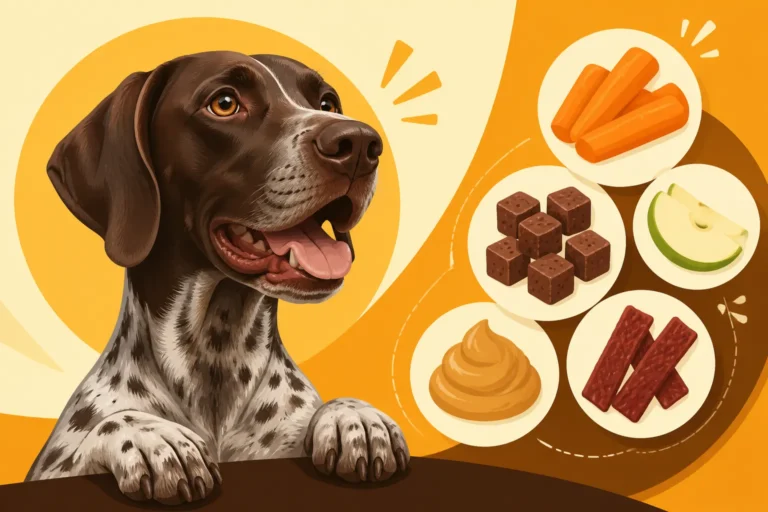
Positive reinforcement is crucial for maintaining this consistency. Every single time you brush, no matter how brief or "imperfect," follow it with a reward. This could be their favorite treat, a specific toy they only get after brushing, or enthusiastic verbal praise and petting. The goal is to make them look forward to dental time. If your Shorthair sees the toothbrush and immediately thinks, "Oh good, peanut butter paste and a game of tug!", you've succeeded. Daily Tooth Care for a Shorthair That Carries Birds is especially important for working dogs, as good health is paramount to their performance.
Don't be afraid to switch up your reward system if your dog seems to lose interest. Maybe they prefer a different flavored toothpaste, or a different type of treat. Brands like Ollie, known for fresh dog food, also offer some high-quality treats that might be extra motivating. You can also vary the location of the brushing, perhaps starting in the kitchen one day, then moving to a quiet corner of the living room the next, to prevent them from associating one spot with an unpleasant experience. The more positive associations you build, the easier and more effective the routine will become, ensuring your German Shorthaired Pointer maintains excellent oral health throughout their life.
Beyond the Brush: Other Dental Care Strategies
While brushing is the gold standard for canine dental care, it's not the only tool in your arsenal. For German Shorthaired Pointers, a multi-faceted approach often works best, especially considering their high energy and sometimes challenging personalities. Combining strategies can provide comprehensive protection for their pearly whites.
Dental Chews and Toys for Shorthairs
Dental chews and toys can be a fantastic supplement to brushing, acting as mechanical scrubbers for your Shorthair's teeth as they chew. The abrasive action helps to remove plaque and tartar buildup on the tooth surfaces. However, it's important to choose the right kind. Look for chews that are specifically designed for dental health and recommended by veterinary oral health experts. These often have unique shapes, textures, or even enzymatic coatings that help clean teeth and freshen breath. Many brands, available on Amazon or at your local pet store, offer different sizes and hardness levels, so you can find one appropriate for your Shorthair's chewing style and size. Be cautious about chews that are too hard, as Whether a Shorthair Cracks Teeth on Bones is a real concern and very hard chews can lead to broken teeth, which are painful and expensive to repair.
Rawhide and natural bones can also carry risks. For an enthusiastic chewer like a GSP, they can splinter, cause blockages, or result in broken teeth. Always supervise your dog when they're enjoying a dental chew or toy to ensure they're chewing safely and not attempting to swallow large pieces. Toys like textured rubber Kongs or Nylabones can also contribute to dental hygiene by providing a safe, durable outlet for chewing. You can even stuff some with dog-safe peanut butter or their favorite paste to increase engagement. While dental chews and toys are a great addition, remember they are supplements, not replacements, for regular brushing. They typically only clean the surfaces they come into contact with and don't get under the gum line as effectively as a brush.
Diet and Supplements for Oral Health
What your German Shorthaired Pointer eats can play a significant role in their dental health. While kibble is often touted as helping to "clean teeth," the effect is usually minimal. Many kibbles shatter too easily, providing little abrasive action. However, some specialized dental diets are specifically formulated with larger, more fibrous kibble designed to scrub the tooth surface as the dog chews. These can be helpful for dogs prone to rapid plaque buildup or those who simply won't tolerate brushing. Consult your veterinarian about whether a prescription dental diet might be appropriate for your Shorthair.
Beyond specialized kibble, certain supplements can support oral health from the inside out. Some oral health supplements contain ingredients like seaweed extract (e.g., Ascophyllum nodosum), which can help reduce plaque and tartar formation. Others might include probiotics aimed at balancing oral flora or enzymes that break down plaque. You can find these supplements in powder form to add to food, or sometimes as chewable treats. Before adding any supplement to your Shorthair's diet, it's always best to discuss it with your veterinarian. They can help you determine if it's necessary and safe, especially if your Shorthair is already on a specific diet or medications. A well-rounded approach that includes a good quality diet and targeted supplements can go a long way in supporting your GSP's overall Dental Disease in a Middle Aged German Shorthaired Pointer prevention strategy.
Professional Dental Cleanings and Vet Checks
Even with the most diligent at-home care, professional dental cleanings are often necessary for German Shorthaired Pointers, just as they are for people. Over time, plaque can harden into tartar, which cannot be removed by brushing alone. This tartar can lead to gum disease (gingivitis) and eventually to more severe periodontal disease, causing pain, tooth loss, and systemic health problems. Your veterinarian will recommend a professional cleaning based on your Shorthair's individual needs, usually under anesthesia.
During a professional dental cleaning, your vet will perform a thorough examination of your dog's mouth, scale away tartar from above and below the gum line, and polish the teeth to smooth out any microscopic etches where plaque could adhere. They can also take dental radiographs (X-rays) to check for issues beneath the gum line, such as abscesses, bone loss, or unerupted teeth. This is particularly important because much of dental disease occurs below the gum line, where it's invisible to the naked eye. Whether a Shorthair Needs Its Teeth Scaled Each Year often depends on factors like genetics, diet, and the effectiveness of at-home care.
Regular veterinary check-ups are also crucial. During your Shorthair's annual wellness exam, your vet will perform an oral examination. This quick check can help identify early signs of dental disease, such as red or swollen gums, bad breath, or loose teeth. They can then advise you on increasing your at-home care, recommend specific dental products, or schedule a professional cleaning if needed. Combining consistent at-home efforts with routine professional care offers the best chance of keeping your German Shorthaired Pointer's mouth healthy and comfortable for their entire life. Don't forget to include these dental checks as part of The Vet Schedule a Working Shorthair Should Keep.
Troubleshooting Common Issues
Even with the best intentions and preparation, you might still encounter some bumps along the road when trying to brush your German Shorthaired Pointer's teeth. They're individual personalities, after all, and what works for one might not work for another. Don't get discouraged!
Dealing with Resistance and Fear
If your German Shorthaired Pointer is showing significant resistance or outright fear during dental sessions, it's important to hit the pause button and reassess your approach. Forcing the issue will only create a more negative association, making future attempts even harder. First, consider if you're truly starting at the absolute beginning. Have you mastered letting them simply lick the toothpaste off your finger? Are they comfortable with gentle muzzle handling and lip lifts without any tools present? If not, go back to those foundational steps. It might feel like a setback, but it's often the quickest way forward.
One common mistake is trying to do too much too soon. For a fearful dog, even two seconds of brush contact might be overwhelming. Reduce your goal to just one second, followed by an immediate, high-value reward. This could be a tiny piece of cooked chicken, cheese, or even a lick of their favorite spreadable treat from a tube. Make sure the reward is something they absolutely love and only get for dental sessions. Sometimes, changing the environment can help; try brushing in a different, very quiet room, or even outside if that's where they're most relaxed. For some GSPs, a firm but gentle hold while praising and working quickly can be effective, provided it's not causing panic. The line between patience and enabling avoidance is thin, but always err on the side of building trust.
If your Shorthair suddenly becomes resistant after being okay with brushing, try to identify what changed. Did you accidentally brush too hard? Did they have a painful spot in their mouth you weren't aware of? Or maybe they just had an off day. Take a break, revert to easier steps, and approach it fresh tomorrow. For extreme fear or aggression, consulting a certified professional dog trainer or veterinary behaviorist might be beneficial. They can offer tailored strategies and help address underlying anxieties. Remember, the goal is to prevent future issues like Dental Disease in a Middle Aged German Shorthaired Pointer, and that starts with making the process as stress-free as possible.
When to Seek Professional Help
There are definite times when you need to put the toothbrush down and call your vet. If your German Shorthaired Pointer consistently refuses to open their mouth, snaps at the brush, or shows any signs of pain when you try to touch their mouth, it's time for a professional check-up. This isn't just about their behavior; it could be an indication of an underlying dental problem that's causing them discomfort. They might have a cracked tooth, a deep gum infection, or even a growth in their mouth that you can't see. Trying to brush a painful area will only increase their resistance and fear.
Signs that warrant a vet visit include excessive drooling, pawing at their mouth, difficulty eating (especially hard food), bad breath that has suddenly worsened, visible redness or bleeding from the gums, or any swelling around their jaw or face. If you notice any unusual lumps or bumps inside their mouth, a vet needs to examine those promptly, as some The Skin Tumors Shorthairs Get Younger Than Most can appear in the oral cavity. Even if you've been diligent with brushing, problems can still arise, and catching them early is crucial.
Furthermore, if your Shorthair's teeth are already covered in significant tartar buildup, no amount of home brushing will remove it. Tartar is hard and requires scaling tools that only a veterinarian or a veterinary technician can safely use during a professional cleaning. Delaying a professional cleaning when indicated can lead to more severe periodontal disease, bone loss, and eventually tooth extractions, which are far more invasive and costly than preventive care. Your vet can assess the severity of their dental health and recommend the best course of action, whether it's an immediate cleaning or a more gradual approach with your at-home efforts. Sometimes, even Retained Baby Teeth in a Shorthair Puppy can cause issues later if not addressed, so early and consistent vet check-ups are always a good idea.
Disclaimer
This article is for general informational purposes only and does not constitute professional advice. Laws, prices and regulations vary by location and change over time. Consult a qualified professional for guidance on your specific situation.