Ears, Feet and the Once Over a Shorthair Needs
Owning a German Shorthaired Pointer is an absolute joy, but it also comes with a unique set of responsibilities, especially when it comes to their physical well-being. These dogs are built for action, and their relentless drive often means their ears, feet, and overall body take a beating from the elements, rough terrain, and intense exercise. Many of us struggle to keep up with the specific care needs of such an active and devoted companion. This comprehensive guide will meticulously walk you through the essential "once over" checks for your German Shorthaired Pointer's ears, feet, and entire body, helping you prevent common issues and keep your beloved companion healthy, comfortable, and always ready for their next great adventure.
Understanding the German Shorthaired Pointer's Unique Needs for Care
German Shorthaired Pointers are not your average couch potatoes; they are finely tuned athletes with an incredible work ethic and an insatiable desire to explore. This high-energy lifestyle, while magnificent to behold, also means they are prone to certain physical challenges that other breeds might not face as frequently. Their short, dense coats, pendulous ears, and tough but sensitive paw pads all require diligent attention to prevent minor issues from escalating into significant problems. Ignoring these areas can lead to discomfort, pain, and even expensive veterinary visits.
Why a Proactive Approach is Paramount
It's easy to think of grooming as purely aesthetic, something to keep your dog looking tidy. For a German Shorthaired Pointer, however, it's a critical part of their health management, especially given their working heritage. These dogs were bred for versatility in the field, meaning they're expected to navigate dense cover, swim through cold water, and retrieve game on all sorts of terrain. Every time they head out, whether it's for a serious hunt or just a vigorous hike, they are exposing themselves to potential hazards. A proactive approach means you’re looking for trouble before it starts, catching small burrs before they become matted messes, noticing a tender pad before it splits, or identifying early signs of an ear infection before it takes hold. This isn't just about keeping them pretty; it's about preserving their ability to do what they love.
The Impact of an Active Lifestyle on Shorthair Health
Consider a typical day for a working German Shorthaired Pointer. They might spend hours quartering through stubble fields, crashing through thorny briar patches, or plunging into icy ponds for a retrieve. Their feet are constantly pounding the ground, their ears are collecting debris, and their entire body is susceptible to scrapes, cuts, and foreign objects. A Shorthair that spends its life this way is going to have different care needs than a dog living a more sedentary existence. Their nails might wear down naturally, but their paw pads will need toughening, and their ears will need frequent checks for moisture and debris. Even a pet GSP who enjoys long runs in the park or swims in the lake will encounter similar challenges. Understanding this fundamental aspect of their breed is the first step toward effective care.
The Ins and Outs of German Shorthaired Pointer Ear Care
Those beautiful, soft, floppy ears are one of the hallmarks of the German Shorthaired Pointer, but they're also a magnet for trouble. Unlike breeds with upright ears that allow for better airflow, a Shorthair's pendulous ears create a warm, moist environment ideal for bacteria and yeast to flourish. Add in their propensity for swimming and romping through dirty environments, and you've got a recipe for frequent ear issues if you're not careful.
Anatomy and Vulnerabilities of the Shorthair's Ear
A German Shorthaired Pointer's ear canal is L-shaped, making it difficult for moisture and debris to escape naturally. This design, combined with the heavy flap that covers the opening, traps warmth and humidity. Think about it like a mini greenhouse for microbes! Grass seeds, dirt, pollen, and water can easily become lodged deep within the canal, irritating the sensitive skin and paving the way for infections. A dirty ear can quickly become an itchy, painful, and odorous problem. For Shorthairs that love water, like many do, the risk is even higher. Ear Infections in a Shorthair That Swims are a very common complaint among owners who don't dry them out thoroughly. The constant exposure to water can break down the natural protective barriers in the ear, leaving it vulnerable.
Routine Cleaning and Inspection for Healthy Ears
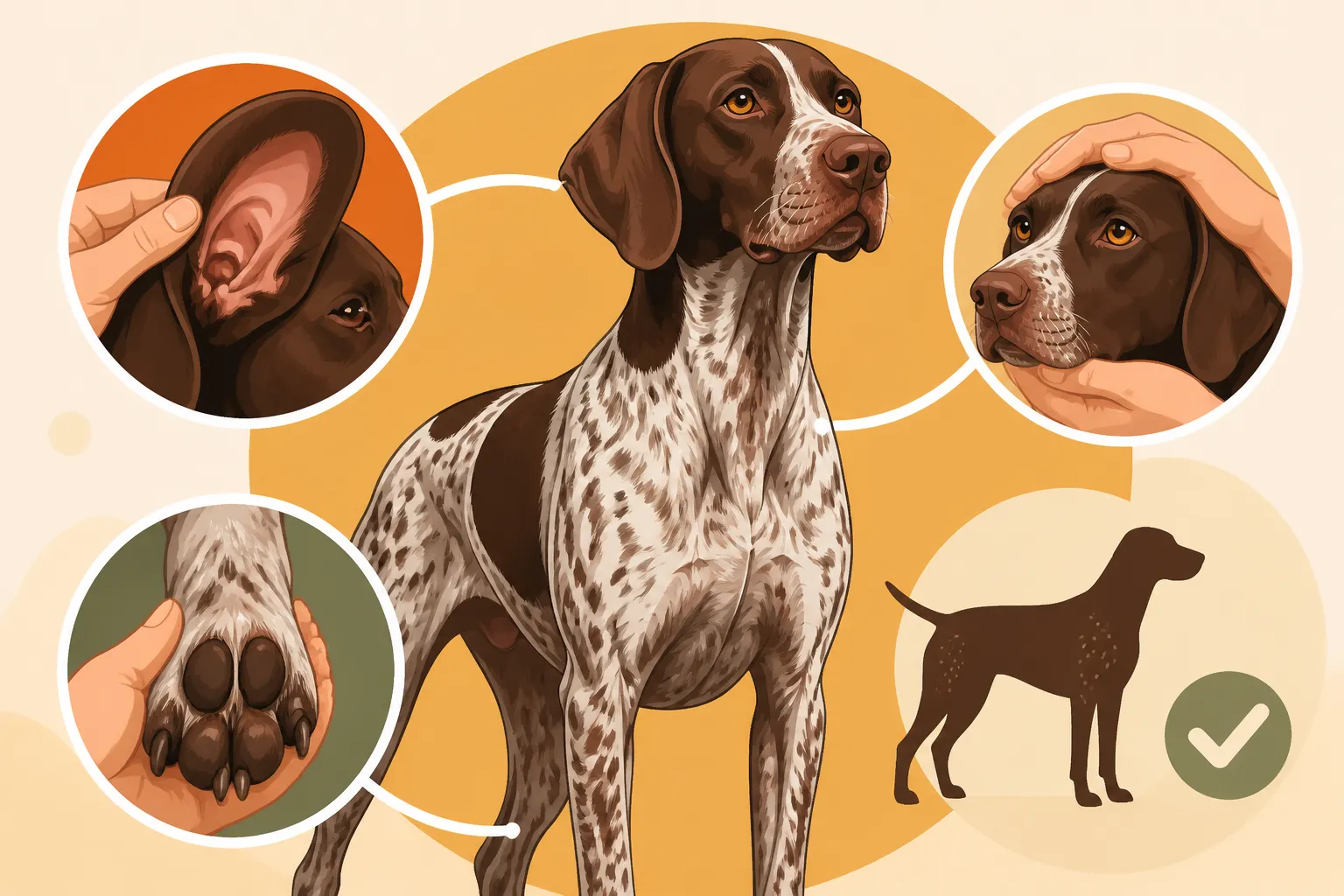
Regular ear checks should be a non-negotiable part of your Shorthair's routine. Aim for at least once a week, and even more frequently if your dog swims or spends a lot of time in dusty or grassy areas. Gently lift the ear flap and take a good look inside. A healthy ear should be pale pink, clean, and free of odor. You might see a small amount of light brown earwax, which is normal. To clean, use a veterinary-approved ear cleaner. Squirt a generous amount into the ear canal, gently massage the base of the ear for about 30 seconds to break up debris, and then let your dog shake their head. Finish by wiping away any loosened wax or cleaner with a soft cotton ball or gauze. Never use cotton swabs deep inside the ear, as this can push debris further in and damage the eardrum. You can find excellent ear cleaners and cotton balls on sites like Chewy or Amazon.
Recognizing and Addressing Ear Infections
Despite your best efforts, ear infections can still happen. It's crucial to recognize the signs early. Watch for excessive head shaking, scratching at the ears, a foul odor emanating from the ear, redness or swelling, discharge (which can be dark brown, yellow, or even bloody), or pain when you touch the ear. Your dog might also hold their head tilted or seem generally uncomfortable. If you notice any of these symptoms, a trip to the veterinarian is essential. Don't try to treat an infection yourself with over-the-counter remedies, as you might use the wrong medication or worsen the problem. Your vet will be able to diagnose the type of infection (bacterial, yeast, or both) and prescribe the appropriate medication, which could be drops, an oral antibiotic, or both. Early intervention is key to preventing chronic issues and discomfort for your Shorthair.
Keeping Those Hard-Working Shorthair Paws Pristine
A German Shorthaired Pointer's paws are their primary interface with the world. They're what propel them through fields, allow them to grip on slippery surfaces, and cushion their intense movements. These paws are built tough, but they're not indestructible. Ignoring them is a surefire way to lead to lameness, pain, and a very unhappy hunting or adventuring companion.
Conditioning Pads for the Rigors of the Field
Just like a human athlete's feet, a Shorthair's paw pads need to be conditioned. If your dog spends the off-season on soft surfaces and then suddenly hits hard, rocky terrain on opening day, their pads are going to suffer. Start building up their paw pad toughness gradually. Increase walks on varied surfaces, from pavement to gravel to dirt trails, well before hunting season or intense activity begins. There are also products available, often found on sites like Amazon, that claim to help toughen paw pads, though consistent exposure to varied terrain is usually the most effective method. Regularly inspect the pads for cracks, cuts, or excessive wear. A split pad can be incredibly painful and sideline your dog for weeks. Cut Pads on a German Shorthaired Pointer After a Long Day are a common injury that can be minimized with proper conditioning and protective measures.
Essential Nail Trimming for Active Dogs
Even for active Shorthairs whose nails might get some natural wear, regular trimming is still crucial. Overly long nails can cause a host of problems: they can snag and tear, leading to painful injuries; they can force the toes to splay, putting stress on the paw structure and joints; and they can even make it uncomfortable for your dog to walk or stand properly. You should aim to trim your Shorthair's nails every 3-4 weeks, or whenever you hear them clicking on hard floors. If you're nervous about trimming, especially avoiding the quick, invest in good quality clippers and consider watching some instructional videos online. Many groomers or vet techs are also happy to demonstrate proper technique or provide the service for a small fee. Starting nail trims when your Shorthair is a puppy helps them tolerate the process much better as adults.
Protecting Paws from Environmental Hazards
The world is full of things that can injure a Shorthair's paws. In the field, thorns, burrs, sharp rocks, and broken glass are constant threats. After a hunt, always do a thorough check, paying special attention to the areas between the toes where grass awns and other foreign bodies love to hide. Foxtails and Grass Awns in a Hunting Shorthair can burrow into the skin, causing abscesses and serious infections. In urban environments, hot pavement, icy sidewalks treated with salt, and even spilled chemicals can all burn or irritate sensitive paw pads. Consider paw balms to moisturize and protect pads, especially in harsh weather. Dog boots are another option for extreme conditions, like deep snow or very rocky terrain, though it takes time and patience to get a Shorthair used to wearing them. A good first aid kit for field dogs should always include items for paw care, such as antiseptic wipes, paw wraps, and tweezers.
The Essential "Once Over" Full Body Check
Beyond the ears and feet, a German Shorthaired Pointer needs a comprehensive once-over regularly. This full-body inspection isn't just about finding problems; it's also about strengthening your bond with your dog and helping them become comfortable with being handled. This systematic check can catch issues ranging from skin irritations to suspicious lumps, often before they become more serious. Think of it as your personal wellness check for your most loyal companion.
Skin and Coat Health Beyond the Surface
Your Shorthair's short, dense coat is relatively easy to maintain, but it doesn't mean it's maintenance-free. Their thin coat means scrapes and cuts are often more visible, but it also offers less protection against certain environmental factors. During your "once over," run your hands thoroughly over their entire body, feeling for anything unusual. Look for redness, flakiness, scabs, or hair loss. Managing a German Shorthaired Pointer's Lifelong Skin Disease can be a challenge for some owners, so knowing what's normal for your dog is crucial. Hot spots can develop quickly, especially after swimming if the coat isn't dried properly, or from persistent licking. Check their belly and armpits for rashes or insect bites. Regular brushing with a rubber curry comb, even though they have short hair, helps distribute natural oils, remove loose hair, and stimulate circulation. This also gives you another opportunity to check their skin.
Spotting Lumps, Bumps, and Other Abnormalities
German Shorthaired Pointers can develop various skin issues, including lumps and bumps, just like any other breed. As they age, fatty tumors (lipomas) are common, but it's important not to assume. Any new lump or bump, regardless of size, should be noted. Feel for changes in existing ones—is it growing? Is it getting harder or softer? Is it painful to the touch? A good rule of thumb is "if you see something, say something" to your vet. They might recommend a needle aspirate to determine the nature of the lump. Catching cancerous growths early can make a significant difference in treatment outcomes. Also, check for external parasites like fleas and ticks, especially if your dog spends time outdoors. Your veterinarian can recommend the best preventative treatments, which you can often purchase at stores like Chewy.
Eye and Dental Health Checks
Don't forget to give those expressive eyes and strong jaws a careful look. For the eyes, they should be bright, clear, and free of discharge, redness, or cloudiness. The inner eyelids should be a healthy pink. If you notice excessive tearing, squinting, or a greenish/yellow discharge, it could indicate an infection, irritation from a foreign body, or an allergy. German Shorthaired Pointers can be prone to certain eye conditions, so a quick check each time you do your once-over is beneficial.
As for dental health, it's often overlooked but incredibly important. Lift your Shorthair's lips and examine their teeth and gums. Gums should be pink, not red or inflamed. Look for tartar buildup (yellow or brown discoloration) on the teeth, especially the molars at the back. Bad breath is a strong indicator of dental disease. Daily Tooth Care for a Shorthair That Carries Birds is particularly important if your dog uses its mouth for retrieving, as dental pain can make them reluctant to hold birds. Brushing their teeth regularly is the gold standard for preventing plaque and tartar. You can find dog-specific toothbrushes and enzymatic toothpastes at pet supply stores or online through retailers like Chewy. If severe tartar is present, your vet might recommend a professional dental cleaning under anesthesia.
Seasonal Considerations for Shorthair Care
The needs of your German Shorthaired Pointer don't remain static throughout the year. Their short coat, high energy, and active outdoor lifestyle mean you need to adjust your care routine with the changing seasons to keep them safe and comfortable. Ignoring these seasonal shifts can lead to avoidable health problems and discomfort.
Summer Challenges: Heat, Water, and Parasites
Summer can be a double-edged sword for German Shorthaired Pointers. They love to run and swim, but their incredible drive often means they'll push themselves to the brink, sometimes without realizing they're overheating. Their short coat offers minimal insulation against the sun and heat. Heat stroke is a serious concern, especially for those active Shorthairs. The Temperature a German Shorthaired Pointer Should Not Hunt In is a crucial piece of knowledge for any owner. Always provide ample fresh water, offer shade, and avoid exercising during the hottest parts of the day. Cooling vests or even a quick dip in a cool stream can help regulate their body temperature.
Water activities, while great for exercise, also increase the risk of ear infections and water intoxication, especially for avid retrievers. Ensure you dry their ears thoroughly after every swim. Summer also brings out an explosion of parasites. Fleas, ticks, and mosquitoes are everywhere, posing risks for Lyme disease, Ehrlichiosis, heartworm, and other vector-borne illnesses. Be diligent with your preventative medications, and perform thorough tick checks after every outing in tall grass or wooded areas.
Winter Worries: Cold, Ice, and Dry Skin
While Shorthairs are generally hardy, their short coat offers little protection against truly frigid temperatures. Extended exposure to cold, wet conditions can lead to hypothermia, especially if they are stationary or recovering from strenuous exercise. If your Shorthair is going to be out in very cold weather, especially if sitting in a duck blind or kennel, consider a well-fitting dog coat or a neoprene vest. What a Neoprene Vest Costs for a Shorthair is an investment worth considering for serious cold-weather work.
Winter also brings challenges for their paws. Ice balls can form between their toes, causing discomfort and lameness. Road salt and chemical de-icers can irritate and burn their paw pads. Rinse their paws after walks on treated surfaces and consider paw balm or boots. The dry air of winter, both indoors and out, can also lead to dry, flaky skin. Ensure their diet is balanced and consider adding a fish oil supplement to help maintain skin and coat health. Joint pain, particularly in older Shorthairs, can also be exacerbated by cold weather, so keep them warm and comfortable.
Establishing a Consistent Grooming Routine
The key to keeping your German Shorthaired Pointer in peak condition, and catching potential issues early, is establishing a consistent and positive grooming routine. It's not just about the physical acts of cleaning and inspecting; it's also about building trust and cooperation with your dog. A dog that is comfortable with being handled is a dog that is easier to care for throughout its life.
Building Positive Associations with Handling
Many Shorthairs, especially puppies, can be wiggly and resistant to handling. The trick is to make grooming a positive experience from day one. Start slowly with short, gentle sessions, pairing them with praise, treats, and affection. Touch their ears, paws, and mouth gently, gradually increasing the duration and intensity of the contact. If your dog tolerates it, reward them generously. If they pull away, stop, wait for them to calm, and try again with less pressure. Never punish them for being uncomfortable; this will only make them associate grooming with fear or pain. Consistency is key. A few minutes every day or every other day is far more effective than an hour-long battle once a month. This early desensitization will pay dividends throughout their entire life.
Tools and Supplies for the Dedicated Shorthair Owner
Having the right tools on hand makes the routine much easier. Here's a quick checklist of essentials:
| Item | Purpose | Notes |
|---|---|---|
| Ear Cleaner | Removes wax, dirt, and prevents infections | Vet-approved, gentle formula |
| Cotton Balls/Gauze | For wiping out ears | Avoid cotton swabs deep in the canal |
| Nail Clippers | Keeps nails trimmed to proper length | Scissor or guillotine style, depending on preference. A Dremel is also an option. |
| Styptic Powder | Stops bleeding from accidental quicking | Essential for nail trimming accidents |
| Rubber Curry Comb | Removes loose hair, stimulates skin | Gentle, effective for short coats |
| Dog Shampoo | For occasional baths | Hypoallergenic, moisturizing, or medicated if needed |
| Paw Balm/Wax | Protects and moisturizes paw pads | Useful for harsh weather or rough terrain |
| Soft Towels | For drying after baths or swims | Keep several on hand |
| First Aid Kit | For minor cuts, scrapes, and emergencies | Include antiseptic, bandages, tape, tweezers |
Many of these items, from various brands, are readily available on platforms like Amazon or Chewy. Some dog food brands like Ollie also offer supplements that can support skin and coat health from the inside out, which can be a nice complement to external care.
When to Seek Professional Veterinary Help
While regular at-home care is invaluable, it's critical to know when to call in the professionals. Your veterinarian is your best partner in your Shorthair's health. Don't hesitate to contact them if you notice any persistent issues like:
- Red, inflamed, or painful ears, especially with discharge or odor.
- Limping, favoring a paw, or any cuts/lacerations that don't heal quickly.
- New or changing lumps, bumps, or skin lesions.
- Excessive itching, scratching, or hair loss.
- Changes in eye clarity, discharge, or redness.
- Persistent bad breath, loose teeth, or inflamed gums.
- Any signs of pain or discomfort during your routine checks.
These issues often require more than just at-home care and early veterinary intervention can prevent more serious complications. Establishing a good relationship with your vet and following The Vet Schedule a Working Shorthair Should Keep ensures that your dog receives timely professional attention alongside your diligent home care. Your proactive observation combined with professional expertise is the best recipe for a long, healthy, and happy life with your German Shorthaired Pointer.
Disclaimer
This article is for general informational purposes only and does not constitute professional advice. Laws, prices and regulations vary by location and change over time. Consult a qualified professional for guidance on your specific situation.