How Many Cups a Sixty Pound Shorthair Eats
You've brought home that lean, muscular sixty-pound German Shorthaired Pointer, and you're probably looking at the food bag, then at your dog, and thinking, "Okay, how many cups exactly does this powerhouse need to eat every day?" It seems like such a straightforward question, but anyone who lives with a GSP knows that nothing about their energy levels or dietary needs is simple. This guide is here to help you navigate the complexities of feeding your active sixty-pound Shorthair, ensuring they get the right fuel to thrive without over or under-feeding.
The Baseline: Understanding Calorie Needs
When you're trying to figure out how many cups of food your sixty-pound German Shorthaired Pointer should eat, the first thing to understand is that it's not a static number. It's a dynamic equation, constantly shifting based on a variety of factors unique to your dog and their lifestyle. Think of the feeding guidelines on the back of a kibble bag as a very general starting point, like a speed limit on a highway – you adjust it for traffic, weather, and road conditions, right? Your GSP's caloric intake is no different.
Activity Levels and Their Impact on Intake
This is arguably the most significant factor. A German Shorthaired Pointer is a high-octane breed, literally bred to run all day in the field, covering miles and miles of ground with relentless enthusiasm. A sixty-pound GSP actively hunting for four to six hours, running patterns, pointing birds, and retrieving them, is burning an incredible amount of calories. They are essentially canine athletes, and their diet needs to reflect that intense output. Without enough fuel, they can quickly lose condition and energy.
Contrast that with a sixty-pound GSP who, while still getting daily walks and yard play, isn't clocking in hours of intense field work. Even a well-exercised pet Shorthair will have significantly lower caloric needs than their working counterparts. The frustration often comes from trying to apply a "one size fits all" recommendation to a breed with such a wide range of activity. If you're wondering how much food your hunting partner needs, consider reading Feeding a German Shorthaired Pointer Around a Hunt for more specific advice on seasonal adjustments.
For example, a working GSP during hunting season might need upwards of 1,800 to 2,500 calories or more per day, sometimes even higher on exceptionally cold or long days. A pet GSP with regular, but less intense, exercise might hover closer to 1,200 to 1,600 calories. It's a huge difference, and feeding a pet Shorthair a working dog's ration will lead to weight gain, while underfeeding a working dog can lead to dangerous weight loss and muscle depletion.
Age, Metabolism, and Individual Variation
Beyond activity, your Shorthair's age plays a crucial role. A sixty-pound adolescent GSP, still growing and burning through energy like a furnace, will have different needs than a sixty-pound adult in its prime, or a sixty-pound senior who has slowed down considerably. Puppies require more calories per pound of body weight to support their rapid growth and development. However, overfeeding a puppy can lead to growth issues, particularly in their joints, so balance is key even then. Our article on The Growth Year of a German Shorthaired Pointer Puppy dives deeper into that topic.
Metabolism is another wildcard. Just like people, some dogs are simply more efficient at burning calories than others. You might have two sixty-pound GSPs with identical activity levels, eating the same food, but one stays lean and hard while the other struggles with a few extra pounds. This individual variation means you can't just copy what your friend feeds their Shorthair; you have to observe your dog. Pay attention to their energy levels, coat quality, and overall body condition.
Environmental factors also sneak into the equation. Dogs living in colder climates or those who spend more time outdoors will naturally burn more calories just to stay warm. Conversely, a GSP living in a consistently warm indoor environment might need slightly less. It’s all about maintaining that ideal body condition score, which is a far better indicator than any generalized "cups per day" chart.
The Critical Role of Food Quality and Calorie Density
This is where the "cups" measurement becomes tricky. One cup of a high-quality, calorie-dense performance kibble is not equal to one cup of a lower-quality, filler-heavy kibble. The same volume of food can deliver vastly different amounts of nutrition and calories. Performance or active dog formulas are specifically designed to pack more energy into each bite, often with higher protein and fat content to fuel those intense bursts of activity. If you're aiming to keep your Shorthair in peak condition, understanding Protein and Fat Ratios for a Hunting German Shorthaired Pointer can be incredibly helpful.
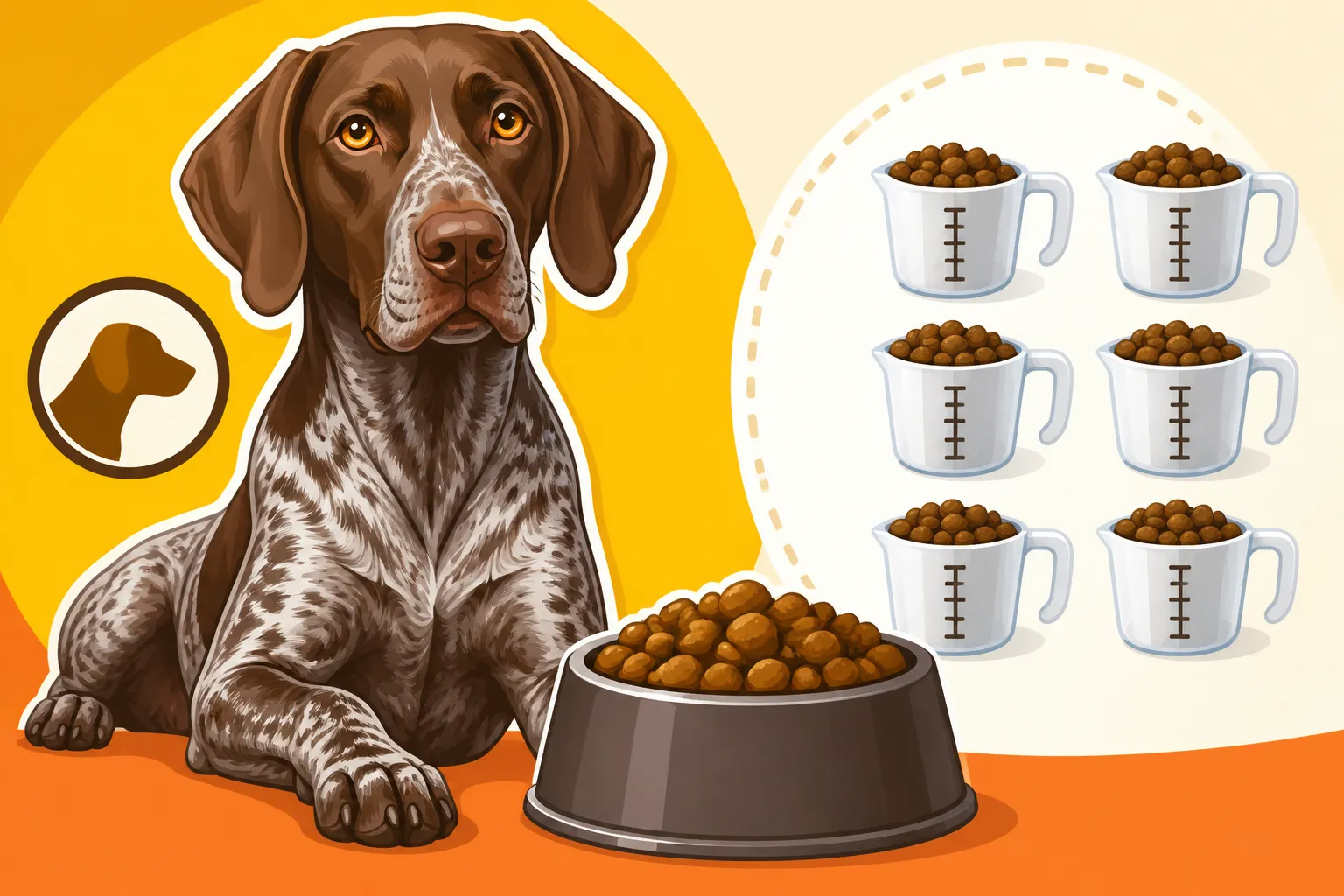
For example, a premium performance kibble might have 400-500 calories per cup, while a more general adult formula might only have 300-350 calories per cup. If your sixty-pound Shorthair needs 1,800 calories per day, they'd need around 4-4.5 cups of the performance kibble, but closer to 5-6 cups of the standard kibble. This difference in volume can impact satiety and nutrient absorption. Brands like Ollie, known for their fresh food options, formulate based on individual dog needs, which can simplify some of this calorie counting. Similarly, when shopping for kibble, looking at options available through retailers like Chewy provides a wide range of nutritional information right on their product pages, making comparisons easier.
This also extends to different types of diets. If you're considering a raw or fresh food diet, the caloric density and nutrient profile will be different again. These diets are often more moisture-rich and can be incredibly nutrient-dense, meaning your dog might eat a smaller volume of food to get the same or more calories. It's vital to work with a vet or a canine nutritionist if you're exploring these options to ensure your sixty-pound Shorthair is getting a balanced diet tailored to their unique needs.
Calculating Your Shorthair's Daily Ration
Alright, so we've established that there's no magic number printed on a sign somewhere that says "Sixty-Pound GSP = X Cups." Instead, we have a dynamic calculation that you, as the astute owner of a German Shorthaired Pointer, will become an expert at. This isn't about guesswork; it's about observation, adjustment, and understanding the tools at your disposal.
Starting with the Bag's Recommendation (and why it's just a starting point)
Every bag of dog food comes with a feeding chart, usually broken down by weight and sometimes by age. For your sixty-pound Shorthair, you'll find a recommended range, perhaps 3 to 4 cups per day. This is your initial guess, nothing more. These recommendations are based on an "average" dog of that weight with "average" activity levels, usually calculated for maintenance of a dog in a temperate home environment. Your German Shorthaired Pointer is anything but average, especially if they are actively working.
Think of it this way: the bag doesn't know your dog just ran ten miles chasing pheasants, or that it's 20 degrees outside and they spent an hour retrieving bumpers in the snow. It also doesn't know if your GSP is still a rambunctious year-old who's still filling out, or a more sedate nine-year-old enjoying retirement. The bag's guidelines are a safe, generalized starting point, often erring on the side of slightly lower calories to prevent obesity in less active pets. Always remember to check the caloric density (kcals/cup) on your specific food's label, as this will heavily influence how many actual cups translate to the required calories.
Adjusting for Activity and Environment
This is where you become the primary nutritionist for your sixty-pound dynamo. If your GSP is an active hunting companion, performing heavy field work, tracking, or competing in agility, you'll almost certainly need to feed more than the bag's baseline. On days of intense activity, you might increase their food by 25-50% or even more, particularly if the weather is cold. You'll need to learn to recognize the signs of a dog burning through too many calories, such as losing muscle mass or having consistently low energy despite rest.
Conversely, if your GSP is in their off-season, recovering from an injury, or simply has a few days of less intense activity due to bad weather, you'll need to reduce their intake. Overfeeding during periods of low activity is a surefire way to put unwanted weight on your lean athlete. It's a constant balancing act. If you're specifically managing your GSP's diet for hunting season, our guide Feeding a German Shorthaired Pointer That Runs All Day offers detailed insights into adjusting rations.
A good way to approach this is to think seasonally. During peak hunting season, your dog might be on a high-performance, higher-calorie diet. During the off-season, they might transition to a slightly less dense food or simply a reduced quantity of their regular performance kibble to maintain their ideal weight. The aim is to Keeping a German Shorthaired Pointer Lean and Hard year-round, not just during their working prime.
Monitoring Body Condition for the Perfect Portion
The absolute best indicator of whether your sixty-pound GSP is eating the right amount is their body condition. You want to see a lean, athletic physique, not a chunky one. You should be able to easily feel their ribs without seeing them prominently, and there should be a distinct waist tuck when viewed from above, and an abdominal tuck from the side. They shouldn't have a thick layer of fat covering their ribs or hips.
A simple way to monitor this is to perform a "rib check" weekly. Run your hands along your dog's sides. If you have to press firmly to feel the ribs, they're likely overweight. If the ribs are visibly protruding, they're too thin. Most dog food brands, and even vets, provide a body condition scoring chart, usually on a scale of 1 to 9. The ideal for a German Shorthaired Pointer is usually a 4 or 5 – lean, muscular, and ready for action. You can find more information on The Body Condition a Field Shorthair Should Carry to guide your assessment.
If your GSP is gaining weight, gradually reduce their daily food intake by about 10-15% and monitor for a couple of weeks. If they're losing weight, increase by a similar amount. Consistency is key; sudden drastic changes can upset their digestive system. Remember, a sixty-pound Shorthair isn't meant to be fat. Excess weight puts undue strain on their joints and organ systems, which can lead to serious health issues down the road for such an active breed.
| Activity Level | Daily Calorie Range (approx.) | Typical Cups (375 kcal/cup) | Signs of Proper Feeding | Signs of Underfeeding |
|---|---|---|---|---|
| Low (Pet, limited walks) | 1,200 – 1,400 | 3.2 – 3.7 cups | Lean, slight waist, active for daily needs. | Lethargy, weight loss, dull coat. |
| Moderate (Active Pet) | 1,500 – 1,700 | 4.0 – 4.5 cups | Lean, good muscle tone, energetic for regular exercise. | Low stamina, noticeable rib/hip bones, poor recovery. |
| High (Regular Field Work) | 1,800 – 2,500+ | 4.8 – 6.7+ cups | Hard muscle, sustained energy, quick recovery, ideal weight. | Significant weight/muscle loss, exhaustion, poor performance. |
Note: "Typical Cups" is an estimation based on a kibble with approximately 375 calories per cup. Always check your specific food's caloric content and adjust accordingly.
Practical Feeding Strategies for a Sixty-Pound Shorthair
Once you have a good handle on the caloric needs and how to monitor your GSP's body condition, the next step is to implement practical feeding strategies. It's not just about how much but also how and when you feed your high-energy companion. A thoughtful feeding routine can make a significant difference in their digestion, energy levels, and overall well-being.
Splitting Meals for Optimal Digestion and Energy
For a sixty-pound German Shorthaired Pointer, especially an active one, it's almost always better to split their daily food ration into at least two meals, and sometimes three, rather than feeding one large meal. This approach has several benefits. First, it can help prevent bloat (Gastric Dilatation-Volvulus or GDV), a life-threatening condition that GSPs are unfortunately predisposed to. A large meal can stretch the stomach, making it more susceptible to twisting. For more on this serious concern, consider reading The Bloat Risk a Shorthair Carries Into Every Season.
Splitting meals also helps maintain more stable blood sugar levels throughout the day, providing a more consistent energy supply for your active dog. Imagine trying to run a marathon on one massive breakfast – you'd likely crash! Your GSP needs sustained fuel. Two meals, one in the morning and one in the evening, are a common and effective schedule. For exceptionally active dogs, particularly during intense training or hunting days, a small midday snack or a third, lighter meal might be beneficial to keep their energy reserves topped up.
Timing is also crucial, particularly for working dogs. Avoid feeding a large meal immediately before or after strenuous exercise. Allow at least an hour before intense activity, and ideally 30-60 minutes after their heart rate has settled down, to give their stomach time to process the food. This practice, combined with a gastropexy if recommended by your vet, significantly reduces bloat risk for active Shorthairs.
Incorporating Supplements and Treats into the Overall Diet
Many German Shorthaired Pointer owners, especially those with working dogs, choose to incorporate supplements into their dog's diet. Common supplements include joint support, omega fatty acids for skin and coat health, and probiotics for digestion. While these can be beneficial, it's crucial to remember that they often contain calories. Even small amounts can add up, especially if your GSP is on the borderline of ideal weight.
Always account for the calories from treats and supplements when calculating your daily food ration. If you use treats extensively for training, choose low-calorie options or subtract an equivalent amount from their regular meal. For instance, if your GSP gets a tablespoon of peanut butter (around 90-100 calories) or a handful of training treats each day, that's almost half a cup of kibble you might need to subtract. For ideas on what kind of joint support you might consider, check out Joint Supplements Worth Giving a Working Shorthair.
When selecting supplements or treats, look for reputable brands. Online retailers like Amazon offer a vast selection, but it's always wise to research product reviews and consult with your veterinarian before introducing anything new. Remember, a balanced high-quality diet should provide most of what your GSP needs, but supplements can fill specific gaps or address particular health concerns.
The Importance of Consistent Water Intake
Often overlooked in the feeding discussion, water is absolutely vital, especially for a high-performance breed like the German Shorthaired Pointer. Dehydration can quickly diminish performance, lead to heatstroke, and cause serious health problems. A sixty-pound GSP, particularly one that's active, needs constant access to fresh, clean water. Their daily water intake can be anywhere from 0.5 to 1 ounce per pound of body weight, meaning your sixty-pound Shorthair could need 30 to 60 ounces (about 4 to 7.5 cups) of water or even more, especially in hot weather or during intense exercise.
During hunts or long training sessions, you need to actively encourage your GSP to drink. Portable water bowls and squeeze bottles are essential gear. Offer water frequently, even if they don't seem thirsty. Some dogs will enthusiastically drink from streams or puddles, but always be cautious about stagnant water sources that could harbor harmful bacteria or algae. Providing a consistent source of fresh water at home, and taking it with you on all adventures, is non-negotiable for a healthy GSP. This is especially true after a long day in the field, as proper hydration aids in recovery.
Common Pitfalls and Troubleshooting Feeding Issues
Even with the best intentions and careful planning, feeding your German Shorthaired Pointer can sometimes present challenges. Their high metabolism and intense activity levels can lead to rapid changes in their needs, and sometimes what seems like a feeding problem might actually be a sign of something deeper. Being observant and knowing when to adjust or seek professional advice is key.
When Your Shorthair Seems Hungrier Than Usual
It's common for a sixty-pound German Shorthaired Pointer to act like a bottomless pit, always on the lookout for more food. Their strong prey drive often translates into a strong food drive, and they are excellent at convincing you they are starving. However, a sudden, noticeable increase in hunger can sometimes be a red flag. Before increasing their food dramatically, consider a few things.
First, has their activity level genuinely increased? A sudden cold snap might mean they're burning more calories just to stay warm, or perhaps you've ramped up their training. A growth spurt in an adolescent GSP can also lead to increased appetite as they continue to mature and fill out. Second, are they absorbing nutrients properly? Sometimes, digestive issues or parasites can prevent them from getting the full nutritional value from their food, making them feel constantly hungry. If you suspect an issue, a vet visit is in order.
Finally, ensure your GSP is actually getting enough calories from their current food. If you've been feeding a lower-calorie kibble, they might genuinely be hungry because the sheer volume isn't providing enough fuel for their energy expenditure. This is where a high-quality performance food can make a difference, as a smaller volume delivers more calories. If you're pondering whether your GSP needs a more calorie-dense diet, our article on Whether a Shorthair Needs Performance Kibble Year Round might offer some clarity.
Addressing Weight Gain or Loss
Monitoring your sixty-pound Shorthair's weight and body condition is your most powerful tool. If you notice unwanted weight gain, first honestly assess their activity level. Has it decreased lately? Are you giving too many high-calorie treats? Or perhaps their metabolism is starting to slow as they enter their senior years. Begin by gradually reducing their food intake by 10-15%, making sure to measure accurately. Consider switching to a slightly lower-calorie formula if they're not a working dog. Increasing their exercise, if appropriate and safe, can also help.
Weight loss, especially sudden or unexplained, is always more concerning. For a GSP, losing weight can happen quickly if they're burning more calories than they're consuming, such as during an intense hunting season. If this is the case, increasing their food intake, especially focusing on higher-fat options or adding a performance supplement, is necessary. However, if weight loss occurs without a significant increase in activity or despite adequate feeding, it warrants an immediate veterinary check-up. This could be a sign of underlying health issues like thyroid problems, dental disease, or even more serious conditions. Our piece on Weight Gain That Points at a Shorthair's Thyroid could be relevant here.
A consistent weigh-in schedule, perhaps once a month for an adult and more frequently for a growing puppy, can help you catch these changes early. Record their weight and body condition score, so you have objective data to track their progress and make informed adjustments.
Food Aversion and Picky Eaters (Rare for GSPs, but possible)
German Shorthaired Pointers are generally not known for being picky eaters; their strong food drive usually means they'll gobble down almost anything. However, sometimes a GSP might develop a food aversion or seem less enthusiastic about their meals. This is quite rare for the breed, but if it happens, it's often a sign of something else going on.
Medical issues are the first things to rule out. Dental pain, an upset stomach, nausea, or other underlying illnesses can all cause a dog to lose their appetite. If your GSP, who normally inhales their food, suddenly turns up their nose, a vet visit is crucial to rule out health problems. If you've recently switched foods, they might simply not like the new flavor or texture. In this case, a slow transition, mixing the new food with the old over several days, can help.
If it's truly a pickiness issue (after ruling out medical causes), avoid becoming a short-order cook. Offer the food for a set amount of time (e.g., 15-20 minutes), then pick it up. They'll likely eat it at the next meal when they're truly hungry. You can also try adding a low-sodium broth or a small amount of canned pumpkin to make the food more appealing. But remember, for a sixty-pound GSP, a lack of appetite is rarely about being "finicky" and usually indicates a need for careful attention.
Disclaimer
This article is for general informational purposes only and does not constitute professional advice. Laws, prices and regulations vary by location and change over time. Consult a qualified professional for guidance on your specific situation.