Protein and Fat Ratios for a Hunting German Shorthaired Pointer
One of the biggest head-scratchers for German Shorthaired Pointer owners, especially those with field-working dogs, is how to fuel these feathered rockets. You see them burn through acres of cover, point with intensity, and retrieve all day long, and it's clear their diet needs to be more than just "good enough." Trying to figure out the perfect balance of protein and fat on a kibble bag can feel like deciphering an ancient scroll, leaving you worried your best hunting buddy isn't getting what they truly need. This guide will cut through the confusion and help you understand the optimal protein and fat ratios to keep your hunting GSP performing at their peak, season after season.
Understanding Your GSP's Unique Fuel Needs
Owning a German Shorthaired Pointer means embracing a dog with an almost boundless reserve of energy. They aren't just pets; they are finely tuned athletes, and their dietary requirements reflect that demanding lifestyle. Neglecting their specific nutritional needs can lead to a host of problems, from poor performance in the field to long-term health issues.
The Energetic Demands of a Hunting Dog
Think about what your GSP does during a typical hunt. They are running, often at a full gallop, through thick brush, over uneven terrain, and sometimes even through water. This isn't a casual stroll around the block; it's an intense, sustained physical effort. They might make dozens of explosive bursts to chase a bird or respond to a command, then hold a rock-solid point for minutes. All of this demands a constant supply of energy and the ability to repair muscle tissue on the fly.
Beyond the physical exertion, environmental factors play a huge role. Hunting in cold weather means their body has to work harder just to maintain core temperature. Long days afield also mean they're burning calories at an accelerated rate, far beyond what a sedentary dog might. If they're not getting enough fuel, they can quickly deplete their glycogen stores, leading to fatigue, reduced focus, and a higher risk of injury. It's a bit like trying to run a marathon on a diet of toast and water – it just won't cut it. Their metabolism is always on high alert, ready for the next challenge, and their food needs to reflect that constant readiness.
Why Protein is Paramount for Muscle and Repair
For a hunting GSP, protein isn't just a component of their diet; it's a foundational building block. Every time your dog sprints, leaps, or even just points intensely, their muscles are working hard. This intense activity causes tiny micro-tears in muscle fibers. High-quality protein provides the amino acids necessary to repair these tears and rebuild stronger muscles. Without adequate protein, your GSP's body won't be able to recover efficiently, leading to prolonged soreness, reduced endurance, and a greater susceptibility to injury.
Beyond just repair, protein is also essential for maintaining muscle mass. German Shorthaired Pointers are naturally lean, muscular dogs, and preserving that lean muscle is crucial for their agility and power. In a pinch, especially during prolonged exertion, protein can even be converted into energy, though fat and carbohydrates are usually the preferred sources. The source of protein also matters immensely. Look for named meat sources like chicken, beef, lamb, or fish as the first few ingredients on a food label. Generic "meat meal" or excessive plant-based proteins might not provide the complete amino acid profile a hard-working GSP needs to thrive.
The Role of Fat as a Primary Energy Source
While protein builds and repairs, fat is the true powerhouse fuel for a hunting German Shorthaired Pointer. Gram for gram, fat provides more than double the energy of carbohydrates or protein, making it incredibly efficient for endurance activities. When your GSP is ranging through a field for hours, their body primarily relies on fat stores for that sustained energy. Carbohydrates provide quick bursts, but fat offers the long, slow burn that keeps them going from sunrise to sunset.
Beyond energy, fat plays a critical role in overall health. Healthy fats, particularly Omega-3 and Omega-6 fatty acids, are vital for maintaining a healthy skin and coat, which can take a beating when running through heavy cover. They also support joint health, reduce inflammation, and contribute to cognitive function, keeping your GSP sharp and focused in the field. A diet too low in fat can leave your dog feeling sluggish, looking dull, and struggling to maintain their weight, especially during hunting season. It's the difference between a sputtering engine and one that hums along smoothly all day.
Deciphering Protein and Fat Ratios for Performance
Navigating dog food labels can be confusing, with percentages and ingredient lists that seem designed to baffle. But understanding the typical ranges for protein and fat, and how to adjust them for your GSP's unique workload, is key to their success and well-being.
Recommended Ratios for Active Dogs
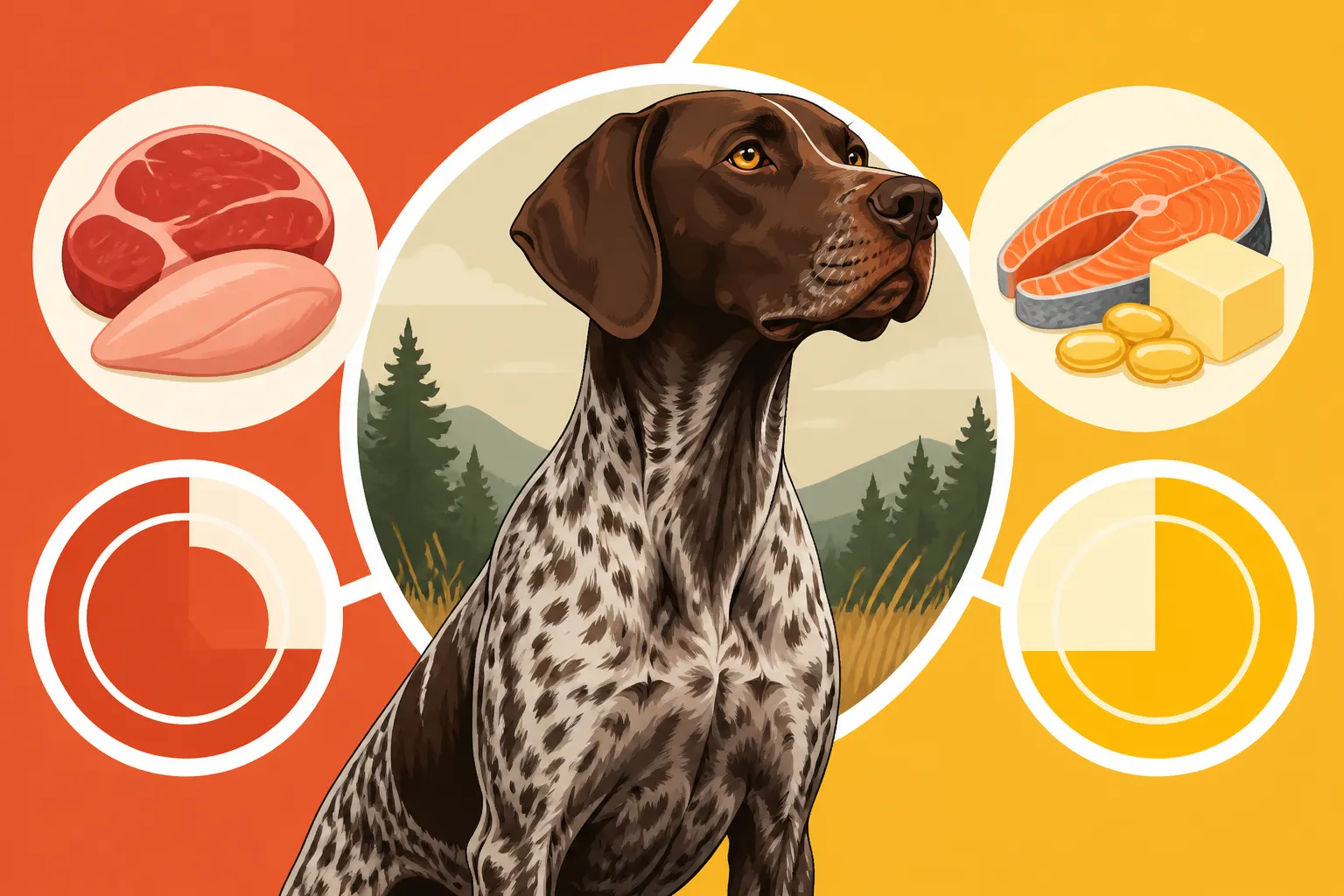
For a highly active, hunting German Shorthaired Pointer, you're generally looking for a food with higher protein and fat content than what's recommended for a sedentary pet. A good starting point for a working GSP is often a diet with around 28-32% protein and 18-22% fat. This range provides ample amino acids for muscle maintenance and repair, along with the dense caloric energy from fat needed for endurance.
It's important to remember that these are general guidelines. Some extremely hard-working dogs, or those in very cold conditions, might even benefit from slightly higher fat percentages. The key is finding a balance where they maintain ideal body condition and energy levels without becoming overweight or struggling with digestive upset. When you're sifting through the countless options on Chewy or Amazon for performance dog food, these percentages should be your primary filter.
Here's a general table illustrating how different activity levels might influence these ratios:
| Activity Level | Protein Percentage | Fat Percentage | Typical GSP Lifestyle |
|---|---|---|---|
| Sedentary/Low Activity | 20-25% | 10-15% | Retired pet, minimal daily exercise, no hunting |
| Moderately Active | 25-28% | 15-18% | Regular walks/runs, occasional light field work, off-season maintenance |
| Highly Active/Hunting | 28-32% | 18-22% | Frequent hunting trips, competitive field events, intense daily exercise |
| Extreme Exertion/Cold WX | 30-35% | 22-28% | Extended multi-day hunts, very cold environments, field trials with high demands |
Adjusting Ratios for Different Activity Levels
The beauty of canine nutrition for working dogs is that it's rarely a "set it and forget it" situation. Your GSP's needs will fluctuate throughout the year. During the hunting season, especially for several weeks of consistent, hard work, their caloric and nutrient demands will be at their peak. This is when those higher protein and fat percentages really shine, providing the sustained energy and recovery support they need. You might find yourself needing to increase their overall food volume to maintain The Body Condition a Field Shorthair Should Carry.
Conversely, during the off-season, when your GSP might still get regular exercise but isn't enduring the same intensity or duration of field work, you might want to slightly dial back the fat content to prevent unwanted weight gain. You don't want to drop it too low, as muscle maintenance still requires good protein, but reducing the fat by a few percentage points can help keep them lean and hard without cutting back too much on the overall food amount. Some brands offer "all season" formulas that are slightly lower in fat and rely on you to supplement with additional fats or oils during peak season. Always monitor your dog's weight and energy levels closely when making these adjustments.
The Importance of Quality Ingredients
Ratios are just one piece of the puzzle. The quality of the protein and fat sources is equally, if not more, important. A food that lists "meat and bone meal" or "by-product meal" might meet the percentage requirements, but the bioavailability and nutritional value of those ingredients can be questionable. Always look for named meat meals (e.g., "chicken meal," "lamb meal," "salmon meal") as primary protein sources. These are concentrated forms of protein with much of the water removed, making them excellent, nutrient-dense ingredients.
For fats, look for sources like chicken fat, salmon oil, flaxseed, or sunflower oil. These provide essential fatty acids that support skin, coat, and overall health. Be wary of foods with a lot of generic "animal fat" or excessive plant fillers like corn or soy, which offer less nutritional value for a carnivore like your GSP. Investing in a high-quality food, even if it costs a bit more, is an investment in your dog's health, performance, and longevity. Some owners gravitate towards fresh food options, like those from Ollie, where the ingredient list is incredibly transparent, often featuring whole ingredients you recognize. For many, browsing performance kibbles available through reputable online retailers like Chewy or Amazon allows them to compare ingredients and guaranteed analysis easily.
Practical Application and Monitoring
Once you understand the theory behind protein and fat ratios, the next step is putting it into practice with your own German Shorthaired Pointer. It's a continuous process of observation and adjustment, tailored to your individual dog.
Transitioning Foods and Monitoring Body Condition
If you're making a change to your GSP's diet, always do it gradually. A sudden switch can wreak havoc on their digestive system, leading to diarrhea or vomiting. Over a period of 7-10 days, slowly mix the new food with the old, gradually increasing the proportion of the new food. Start with 25% new food to 75% old, then move to 50/50, then 75/25, until you're feeding 100% new food. This slow transition gives their gut microbes time to adapt, preventing upset. More details can be found in Switching a Shorthair Onto a New Food.
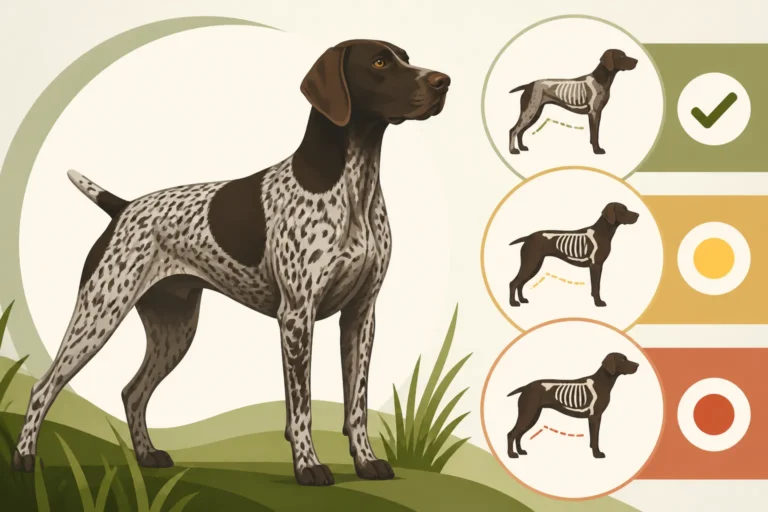
Monitoring your GSP's body condition is perhaps the most crucial aspect of feeding. You should be able to easily feel their ribs, but not see them protruding sharply. They should have a defined waist when viewed from above, and their belly should tuck up slightly when viewed from the side. A GSP that is too thin will lack energy and endurance, while one that is overweight will be less efficient, put more strain on their joints, and be at higher risk for conditions like The Bloat Risk a Shorthair Carries Into Every Season. Regularly assess their body condition and adjust their food intake accordingly. Sometimes, a subtle shift in the amount fed, rather than a full food change, is all that's needed to hit that sweet spot. Remember, the feeding guidelines on a bag are just a starting point; every dog is an individual.
Hydration and Supplementation
While food provides the fuel, water is the often-underestimated essential nutrient. Hunting dogs are prone to dehydration, especially during long days or in warmer weather. Ensure your GSP has constant access to fresh, clean water, both at home and in the field. During a hunt, bring plenty of water and offer it frequently. Dehydration can lead to fatigue, heat exhaustion, and even serious kidney issues. Watering a German Shorthaired Pointer Through a Long Day is absolutely critical for performance and health.
Beyond water, certain supplements can complement a high-quality diet for a hunting GSP. Electrolytes can be incredibly beneficial, especially after intense work or on hot days, to replenish minerals lost through sweating and panting. These can be added to their water or food. You can learn more about this in Electrolytes for a German Shorthaired Pointer in the Field. For older GSPs or those prone to joint issues from years of hard work, joint supplements containing glucosamine and chondroitin can help support cartilage health and reduce inflammation. Joint Supplements Worth Giving a Working Shorthair can make a real difference in their comfort and mobility. Omega fatty acid supplements can further enhance skin and coat health and reduce inflammation. However, always consult with your veterinarian before adding any new supplements to ensure they are appropriate for your dog and won't interact negatively with their current diet or any medications.
Common Pitfalls to Avoid
Even with the best intentions, it's easy to fall into common feeding traps that can hinder your GSP's performance and health.
One of the biggest pitfalls is inconsistent feeding. If you're constantly switching brands or types of food, your dog's digestive system never truly adapts, leading to chronic issues. Another is over-supplementation; more isn't always better, and excessive amounts of certain vitamins or minerals can actually be toxic. Stick to high-quality food, and only supplement strategically as needed or advised by your vet.
Underfeeding or overfeeding are also common. A GSP that is too lean won't have the energy reserves for sustained hunting, while an overweight dog will struggle with mobility and heat regulation. Regularly checking their body condition and adjusting their The Daily Ration a Working Shorthair Actually Eats is key. Also, be mindful of feeding times, especially around strenuous activity. Feeding a large meal right before a hunt can increase the risk of bloat, a life-threatening condition for deep-chested breeds like the GSP. Giving them plenty of time for digestion is crucial; The Rest a Shorthair Needs Between Eating and Running is not just a suggestion, it's a safety measure. Finally, don't ignore what your dog is telling you. If they're showing signs of low energy, a dull coat, or digestive upset, it's time to re-evaluate their diet and consult with your veterinarian.
Feeding Around the Hunt and for Longevity
Optimizing your GSP's diet isn't just about daily maintenance; it's about strategic fueling for performance and thinking about their long-term health. The way you feed before, during, and after a hunt can have a profound impact, and their diet needs will evolve as they age.
Strategic Feeding Schedules for Hunters
For a hunting German Shorthaired Pointer, the timing of meals can be as important as the content. You want to provide ample fuel without causing discomfort or increasing the risk of serious health issues like bloat. Generally, it's best to feed your GSP at least 3-4 hours before any intense activity. A light snack a couple of hours before, if anything, might be acceptable, but a full meal needs time to digest. Feeding immediately before a hunt, or allowing them to gulp down a large amount of water, are known risk factors for gastric dilatation-volvulus (GDV), commonly known as bloat.
After a long day in the field, your GSP will be exhausted and hungry. While it might be tempting to offer a huge meal right away, it's often better to wait an hour or two for them to cool down and relax. Offer plenty of water first, in small, frequent amounts, to ensure rehydration. Then, provide their evening meal. Some owners find that splitting their GSP's daily ration into two or even three smaller meals, even during the off-season, can help with digestion and maintain steady energy levels. This can be particularly useful on multi-day hunts where you need consistent energy without overloading their system. For more on this, see Feeding a German Shorthaired Pointer Around a Hunt.
Age-Related Dietary Adjustments
Just like humans, a GSP's nutritional needs change as they age. A young, growing puppy has different requirements than a peak-performance adult, and a senior dog's body metabolizes nutrients differently.
For puppies, especially large, fast-growing breeds like the GSP, it's crucial to feed a diet formulated for large breed puppies. These foods often have carefully controlled calcium and phosphorus levels to support proper bone growth and help prevent skeletal issues like hip and elbow dysplasia later in life. Overfeeding a puppy, or feeding an adult-formula food too early, can lead to accelerated growth, which can put stress on developing joints.
As your GSP transitions into their senior years, typically around eight or nine years old, their metabolism might slow down, and their activity level could naturally decrease. At this stage, you might need to adjust their diet to prevent weight gain. While a good quality protein remains important for maintaining muscle mass, a senior dog might benefit from a slightly lower calorie and fat content, unless they are still actively hunting and maintaining a lean condition. Joint support supplements become even more valuable, and some senior formulas include ingredients to support cognitive function. The goal is to keep them comfortable and healthy in their golden years. You can find more information on caring for aging dogs in Feeding a Senior Shorthair That Has Slowed Down. Always consult your veterinarian to tailor dietary adjustments to your aging GSP's specific health needs.
Disclaimer
This article is for general informational purposes only and does not constitute professional advice. Laws, prices and regulations vary by location and change over time. Consult a qualified professional for guidance on your specific situation.