Off Season Feeding for a German Shorthaired Pointer
The hunting season wraps up, and suddenly, your German Shorthaired Pointer, who just weeks ago was covering miles of field with boundless energy, is now spending more time napping on the couch. This shift in activity is completely normal, but it brings a crucial challenge for us GSP owners: how do you adjust their diet to match their drastically reduced energy expenditure without them packing on unwanted pounds or, conversely, losing vital muscle mass? It's a question that many of us grapple with, feeling guilty about cutting back on food or unsure of the right balance. This guide is here to walk you through the nuances of off-season feeding for your German Shorthaired Pointer, ensuring they stay healthy, lean, and ready for the next season's adventures.
The Seasonal Shift in Your German Shorthaired Pointer's Diet Needs
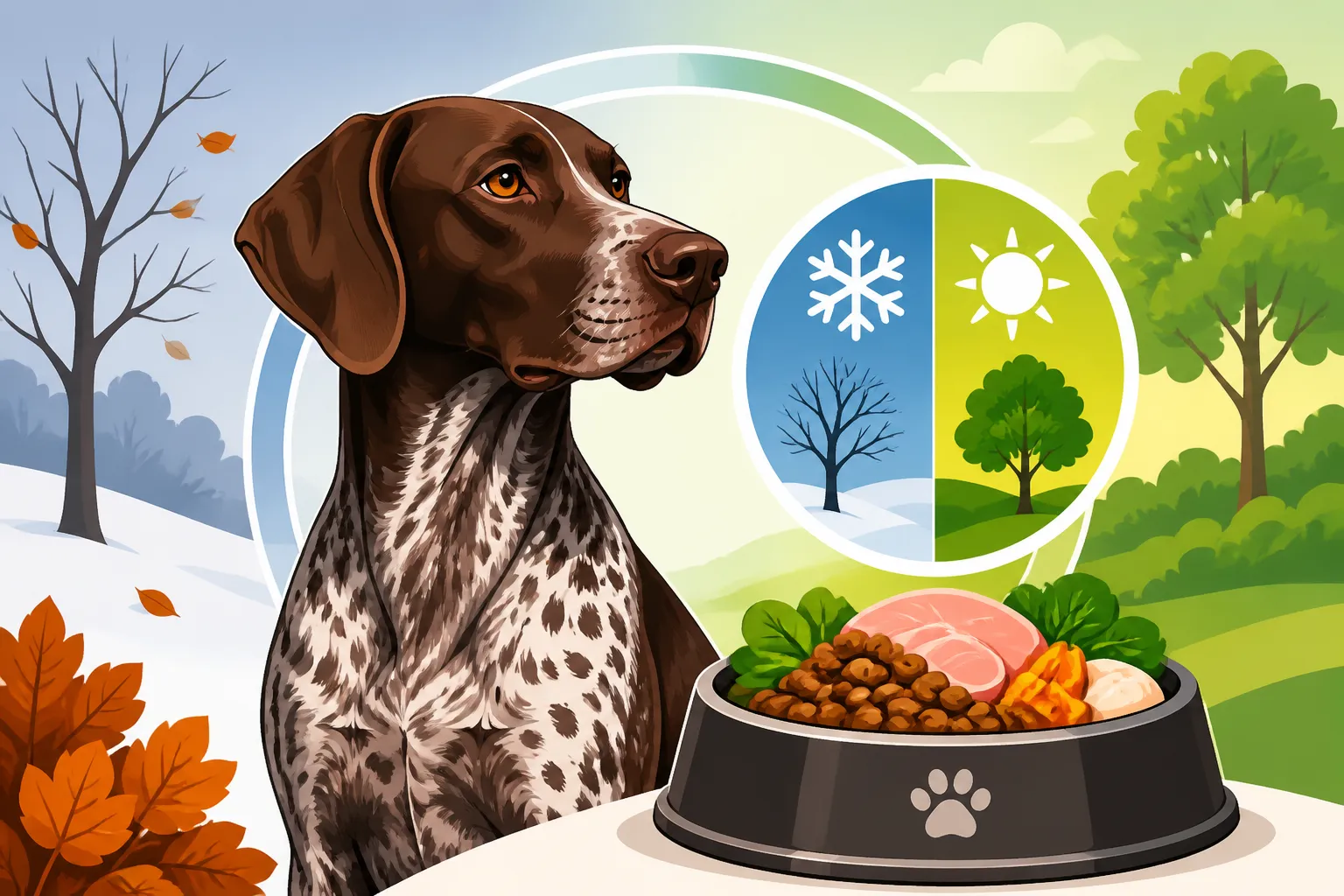
As much as we'd love for our GSPs to be year-round athletes, the reality for most hunting dogs is a distinct "on" and "off" season. During the peak hunting months, these dogs are veritable calorie-burning machines, operating at an intensity few other breeds can match. But when the shotguns are put away and the boots are swapped for slippers, their metabolic demands plummet. Ignoring this shift can lead to health issues that might not be immediately apparent, but can certainly impact their longevity and performance come next season.
Why "Off-Season" Isn't Just About Hunting
For many of us, "off-season" simply means no hunting trips. But for your German Shorthaired Pointer, it's a profound change in their daily routine that affects everything from their muscular development to their internal organ function. Think about it: during hunting season, they're not just running; they're sprinting, stopping on a dime, pushing through dense cover, making retrieves, and doing it all for hours on end. This sustained, high-intensity work demands a constant supply of energy, typically fueled by performance-grade kibble rich in fats and proteins. Their bodies are honed for endurance and power.
When that activity ceases, even if you're still taking them on long walks or runs, the type and intensity of exercise are different. A leisurely two-mile jog with you is a far cry from a full day quartering a field, scenting birds, and making multiple retrieves. Their muscles aren't being taxed in the same way, their heart rate isn't sustained at those peak levels, and their body's need to repair and rebuild tissue from strenuous exertion is significantly less. This period is often seen as a recovery phase, but it's also a time when they can easily gain weight, which can put unnecessary strain on their joints and organs down the line. It's a common frustration to see your lean hunting machine start to soften around the edges, and it makes you wonder if you're doing something wrong.
How Reduced Activity Changes Energy Demands
The most significant impact of the off-season is the dramatic reduction in your German Shorthaired Pointer's daily caloric expenditure. During hunting season, a GSP might easily burn through thousands of calories, requiring a diet that provides readily available energy. We talk about Calorie Needs of a German Shorthaired Pointer in Season and how demanding it can be to keep weight on them. Their metabolism is revved up, optimized for converting food into fuel and maintaining a high energy output.
In the off-season, while your GSP still requires exercise, the overall volume and intensity are simply not the same. Their resting metabolic rate might not change much, but the calories burned through activity drop substantially. This means that if you continue to feed the same volume of the same high-performance food you used during hunting season, you are almost guaranteed to overfeed them. Excess calories, regardless of their source, are stored as fat. This isn't just about aesthetics; a heavier dog is at increased risk for joint problems, heart strain, and a host of other health issues. It also makes it harder to get them back into prime shape when the next season rolls around. The body simply doesn't need that constant influx of fuel, and you'll notice the difference in their waistline if you don't adjust.
Calculating and Adjusting Off-Season Calories
One of the biggest struggles for GSP owners is figuring out how much to reduce their dog's food. It feels like a guessing game sometimes, and you certainly don't want to leave your beloved companion feeling hungry or deprived. Yet, overfeeding during this period is incredibly easy to do. The key is to approach this systematically and observe your dog closely. There's no magic formula that works for every single dog, but there are solid guidelines that can help you dial in their off-season dietary needs.
Estimating Your Shorthair's New Baseline
During the hunting season, you might be feeding a premium performance kibble, perhaps three or four cups a day, or even more, just to keep weight on your GSP. When calculating the off-season baseline, you need to think about a substantial reduction. Many experts suggest reducing caloric intake by 20-40% from peak season levels, depending on the individual dog's activity level and metabolism. For example, if your dog was consuming a high-energy diet of 2,000 calories a day during hunting season, their off-season needs might drop to 1,200-1,600 calories. This can feel like a drastic cut, but it reflects the equally drastic drop in their energy output.
A great starting point is to refer to the feeding guidelines on your dog's food bag for "adult dogs with normal activity levels," rather than "active" or "working" dogs. However, these are just starting points. Every GSP is an individual. A younger dog might burn more calories even when idle, while an older dog might have a slower metabolism. Consider your dog's age, whether they are neutered or spayed (which can affect metabolism), and their general off-season activity. Are they still getting daily vigorous exercise, such as long runs or intense fetch sessions, or are their walks more casual? This initial estimate is a hypothesis that you'll test and refine. You might find some excellent resources on how many cups a dog like yours might eat, such as in How Many Cups a Sixty Pound Shorthair Eats, but remember that these are general figures and off-season means a significant alteration to even these baselines.
Gradual Reduction and Monitoring for Success
Suddenly slashing your dog's food intake can lead to digestive upset and a very unhappy, hungry dog. Instead, aim for a gradual reduction over a week or two. If you're planning to switch foods entirely (which we'll discuss shortly), integrate that transition into this gradual reduction period. Start by cutting their daily portion by about 10-15% for a few days, then observe. Is your dog still maintaining their weight? Are they acting excessively hungry?
The most critical part of this process is consistent monitoring of their body condition. You need to be able to feel their ribs easily without seeing them prominently, and they should have a clear waistline when viewed from above, with an abdominal tuck when viewed from the side. We'll delve deeper into this in a later section, but it’s the primary indicator of whether your caloric adjustments are working. Weigh your dog weekly if possible, especially in the initial adjustment phase. If they are gaining weight, reduce the food slightly more. If they are losing too much or looking too thin, increase it. This isn't a "set it and forget it" process; it requires ongoing attention. If you're seeing signs that you're getting it wrong, don't despair—it's a common challenge, and consistent checking, as discussed in The Body Condition a Field Shorthair Should Carry, will help you correct course.
Selecting the Best Food for Off-Season Maintenance
Just as you wouldn't keep fueling a sedan with racing fuel once it's out of the race, it often doesn't make sense to keep your German Shorthaired Pointer on their peak-performance kibble during the off-season. The nutritional profile designed for extreme exertion might become counterproductive when their activity drops. This is where many owners make the mistake of simply feeding less of the same food, which can sometimes lead to an imbalance in their diet, even if calories are reduced.
Moving Away From High-Performance Formulas
High-performance dog foods are specifically formulated with elevated levels of fat and protein to provide sustained energy for working dogs. During hunting season, this is exactly what your GSP needs to maintain stamina and recover quickly. However, in the off-season, these higher fat and protein percentages can quickly contribute to weight gain if calorie intake isn't drastically reduced, or if the dog's metabolism simply doesn't require that intensity of fuel anymore. It's like trying to run your lawnmower on high-octane racing fuel; it's overkill and potentially wasteful.
Instead, consider switching to a high-quality "all-life-stages" or "adult maintenance" formula that has a more moderate protein and fat content. Look for protein levels in the 22-26% range and fat levels around 12-16%, compared to the 30%+ protein and 20%+ fat you might see in performance foods. This transition often allows you to feed a slightly larger volume of food for the same caloric intake compared to a performance food, which can help your dog feel more satisfied. When you are looking for these options, stores like Chewy or Amazon can be great places to browse and compare the nutritional breakdowns of various brands to find one that fits your GSP's off-season needs. Remember, a sudden change can cause digestive upset, so Switching a Shorthair Onto a New Food should always be a gradual, week-long process.
Considering Alternative Diets: Raw, Fresh, or Limited Ingredient
While commercial kibble is the most common choice, the off-season can also be an opportune time to explore other dietary options or make adjustments if your dog has specific needs. For some GSP owners, the lower activity period offers a chance to try a raw or fresh food diet, which can be easier to precisely portion and adjust. These diets often allow for greater control over individual macronutrient intake, letting you fine-tune the protein, fat, and carbohydrate balance. However, embarking on a raw or fresh diet requires careful research to ensure it's nutritionally complete and balanced, as imbalances can lead to serious health issues. Brands like Ollie offer pre-portioned fresh food plans that can simplify this, but always consult with your vet or a canine nutritionist before making such a significant change.
Additionally, if your GSP has any sensitivities or allergies that became apparent during the busy season (perhaps due to stress or changes in their environment), the off-season is a calmer period to try a limited-ingredient diet. This allows you to eliminate potential triggers and monitor their response without the added variable of intense physical exertion. Whether it's a specific protein source or a grain, a limited-ingredient food might help identify and manage these issues, leading to a healthier and more comfortable dog. Regardless of the diet you choose, focus on high-quality ingredients and appropriate nutrient ratios for a dog with moderate activity. You can explore more on whether specific diets suit them in articles like Whether a Raw Diet Suits a Hard Running Shorthair.
Keeping an Eye on Body Condition: The Off-Season Goal
Proper off-season feeding isn't just about weight; it's about maintaining optimal body condition. A German Shorthaired Pointer should be lean and athletic, even when not actively hunting. An ideal body condition ensures they stay healthy, reduces strain on their joints, and makes it much easier to condition them back to peak performance when the next season approaches. This is a critical point where many owners struggle, often unintentionally letting their dog get a little too "soft" during the quieter months.
The Rib Test and Tuck-Up Check
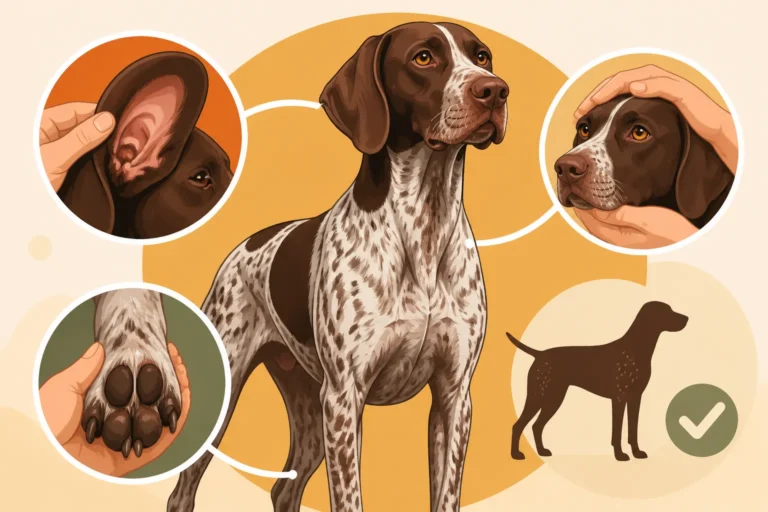
Learning to accurately assess your German Shorthaired Pointer's body condition is one of the most valuable skills you can develop as an owner. The "rib test" is a hands-on method: you should be able to easily feel your dog's ribs, spine, and hip bones under a thin layer of fat, without them being visible at a distance. If you have to press hard to feel them, your dog is likely overweight. If they are clearly visible and protruding, your dog might be too thin. It's a fine line, and finding that perfect balance takes practice. Remember, for a working breed like the GSP, being slightly on the lean side is generally healthier than carrying extra weight. You can get more details on Whether You Should See a German Shorthaired Pointer's Ribs for practical tips.
The "tuck-up check" involves observing your dog from the side and from above. When viewed from the side, your GSP should have a distinct abdominal tuck, meaning their belly slopes upwards from their ribcage to their hind legs, not hanging straight or bulging. From above, you should see a noticeable waistline behind their ribs. If your dog looks like a straight line from their ribs to their hips, they're likely carrying too much weight. These visual and tactile checks should be done regularly, at least once a week, to catch any changes early. This consistent monitoring is far more effective than just weighing them, as muscle mass and bone structure can vary between individuals.
Preventing Weight Gain Without Sacrificing Muscle
The challenge during the off-season isn't just preventing fat gain, but also maintaining a good level of muscle mass. While some muscle atrophy is natural with reduced intense activity, you want to avoid significant loss. This means that while caloric intake decreases, the quality of the food and the inclusion of consistent, even if less intense, exercise remain crucial. Don't fall into the trap of thinking a GSP can just lounge all winter and then instantly spring back into shape; that's a recipe for injury.
To maintain muscle, ensure your chosen off-season food still provides adequate, but not excessive, protein. Regular, moderate exercise such as long walks, jogs, or swimming sessions will help keep their muscles toned and prevent complete deconditioning. These activities, while not as grueling as a full day's hunt, are vital for physical and mental well-being. If you notice your dog starting to get soft or lose definition, you might need to slightly increase their protein intake or adjust their exercise routine. The goal is a lean, conditioned athlete who isn't packing extra weight that could hinder performance or lead to injuries once the hunting season resumes. If your dog has gone soft, strategies found in Slimming a Pet Shorthair That Has Gone Soft can be really helpful.
Hydration and Supplementation When the Hunt is Over
Even though the high-octane demands of hunting season are behind them, your German Shorthaired Pointer's needs for proper hydration and targeted supplementation don't disappear. They simply change. It's easy to overlook these aspects when your dog isn't panting from a long retrieve or guzzling water during a field break, but they remain foundational to overall health and well-being.
Water Needs Remain Critical
During hunting season, you're probably hyper-aware of your GSP's water intake, carrying extra bottles and offering frequent breaks. In the off-season, that intense focus often wanes. However, adequate hydration is a year-round necessity for every bodily function, from digestion and nutrient absorption to temperature regulation and joint lubrication. Even if your dog isn't actively working, they still need fresh water available at all times. Their drive to stay hydrated might be less pronounced without extreme exertion, so it's up to us, their owners, to ensure they're drinking enough.
Consider how much water your dog is actually consuming. If you notice a significant drop, you might try adding a little low-sodium chicken broth to their water bowl to entice them, or incorporate wet food into their diet. Dehydration, even mild, can lead to lethargy, digestive issues, and can exacerbate other health problems. Just because they're not overheating in a September field doesn't mean their kidneys don't need plenty of fluid to function optimally. Always provide multiple fresh water sources, especially if your GSP spends time outdoors, and ensure bowls are cleaned regularly.
Re-evaluating Joint and Skin Supplements
Many hunting GSPs are on a regimen of joint supplements, fish oil, or other specific health aids during the active season. The off-season is a perfect time to re-evaluate whether these supplements are still necessary at the same dosages, or if the focus should shift. For example, if your GSP has a history of joint issues, continuing a joint supplement like glucosamine and chondroitin is probably a good idea, as joint health is a continuous concern. However, if they were on a very high dose due to extreme exertion, you might discuss with your vet whether a maintenance dose is sufficient. More information can be found in Joint Supplements Worth Giving a Working Shorthair.
Similarly, fish oil, with its omega-3 fatty acids, is excellent for skin and coat health, and also has anti-inflammatory properties that can benefit joints. This is a supplement that many owners choose to continue year-round, as its benefits extend beyond just strenuous activity. If your GSP has any skin conditions, like seasonal allergies or dry skin, consistent fish oil supplementation can be particularly beneficial. Check out Fish Oil for a German Shorthaired Pointer's Skin for more on this. However, always discuss any changes to your dog's supplement routine with your veterinarian. They can provide personalized advice based on your GSP's individual health history, age, and any specific concerns.
Common Missteps in Off-Season Feeding Programs
Even with the best intentions, it's easy to make mistakes when adjusting your German Shorthaired Pointer's diet for the off-season. These aren't usually born of neglect, but rather from a lack of clear understanding of their unique needs or a desire to keep things simple. Recognizing these common pitfalls can help you avoid them and keep your GSP in prime condition year-round.
The "Same Food, Less Quantity" Trap
One of the most common errors owners make is simply reducing the amount of their high-performance, high-calorie hunting kibble. While this does reduce caloric intake, it can inadvertently lead to an imbalance in the diet. High-performance foods are typically dense in fat and protein, designed to provide a lot of energy in a small volume. If you significantly cut the quantity, your dog might still be getting too much fat and protein for their current activity level, or they might be missing out on other essential nutrients if the reduction is too severe. It also often leaves the dog feeling less full, as the volume of food is smaller, leading to begging or searching for extra food.
This approach often results in a dog that is either still gaining weight because the food is so calorie-dense, or one that is constantly hungry and potentially not getting a full spectrum of vitamins and minerals due to severe restriction. The better approach, as discussed earlier, is often to switch to an adult maintenance formula with a lower fat and protein content, which allows for a more satisfying volume of food at an appropriate caloric density. This ensures a balanced nutrient profile tailored to their off-season needs, rather than a compromised version of their hunting diet.
Forgetting the Mental Hunger of a German Shorthaired Pointer
Beyond physical hunger, German Shorthaired Pointers have a profound mental hunger that needs to be satisfied, even in the off-season. These are intelligent, driven dogs bred to work and solve problems. When the intensity of hunting season tasks like finding birds, retrieving, and taking direction drops, they still crave engagement. If this mental stimulation isn't provided, they can become bored, which often manifests as destructive behaviors, excessive barking, or, relevant to feeding, constant begging for food. A bored GSP might seem hungry all the time, not because their body needs calories, but because their mind needs a job.
So, while you're adjusting their physical diet, don't forget their mental diet. Incorporate puzzle feeders, scent work games around the house or yard, obedience practice, or even new tricks. Make them "work" for their off-season meals by using a slow-feeder bowl or spreading their kibble out in the yard for them to sniff out. This helps burn a little extra energy, engages their incredible nose, and provides mental satisfaction. A mentally stimulated GSP is less likely to constantly seek comfort or entertainment in food, making your dietary adjustments more effective and your home life much more peaceful. It's a holistic approach to their well-being, acknowledging that a GSP's needs extend far beyond just caloric intake.
Disclaimer
This article is for general informational purposes only and does not constitute professional advice. Laws, prices and regulations vary by location and change over time. Consult a qualified professional for guidance on your specific situation.