Whether You Should See a German Shorthaired Pointer’s Ribs
It’s a common worry for German Shorthaired Pointer owners, especially those of us who spend a lot of time in the field with our dogs: should you actually be able to see their ribs? This question often sparks a debate, with some believing a visible rib cage is a sign of proper fitness, while others fear it means their beloved companion is too thin. This guide will dive deep into what ideal body condition looks like for a GSP, why it matters so much for their well-being, and how you can confidently assess and maintain your dog's perfect physique.
Understanding the Ideal German Shorthaired Pointer Body Condition
German Shorthaired Pointers are, by their very nature, athletes. They were bred for a demanding job in the field, requiring stamina, speed, and agility. This means their ideal body condition is often much leaner than what many people might consider "normal" for a pet dog. Getting this balance right is crucial for their health and their ability to perform.
The GSP Standard and Athletic Build
When you look at the breed standard for a German Shorthaired Pointer, you’ll notice an emphasis on an athletic, well-muscled, and streamlined build. This isn't just about aesthetics; it's about functionality. A GSP needs to be light on its feet, capable of covering vast amounts of ground without tiring easily, and able to maneuver quickly through dense cover. Every aspect of their physical design, from their powerful hindquarters to their deep chest, is geared towards efficiency and endurance. This means they are not meant to carry excess weight. In fact, carrying even a few extra pounds can hinder their natural abilities and put undue stress on their joints and cardiovascular system, especially when working hard. The standard describes a dog that is ready for action, not one carrying a spare tire around its middle.
Think of it like a human marathon runner or a high-performance athlete; they are typically lean, with visible muscle definition, and a low body fat percentage. A GSP is no different in its athletic demands. They are designed for explosive bursts of speed and sustained effort, which is simply not possible when bogged down by unnecessary fat. Their conformation, with its strong, clean lines, naturally leads to a somewhat angular appearance when they are in peak condition, and this often means that their ribs are at least subtly discernible under their short, sleek coat.
Why a Lean Build is Crucial for a GSP
For a German Shorthaired Pointer, a lean build isn't just a preference; it's a fundamental requirement for a long, healthy, and active life. These dogs are powerhouses of energy. They thrive on vigorous exercise and mental stimulation, and their bodies are finely tuned instruments for the tasks they were bred to do. Carrying extra weight can be incredibly detrimental, leading to a cascade of health issues that can significantly shorten their lifespan and diminish their quality of life. Consider the stress an extra five or ten pounds puts on their hips and elbows when they're running full tilt, stopping on a dime, or leaping over obstacles in the field. This constant impact on joints not designed for excess load can accelerate the onset of conditions like arthritis or exacerbate existing predispositions to hip or elbow dysplasia.
Beyond structural issues, being overweight impacts their cardiovascular health. A dog that is struggling to maintain a healthy weight will have a harder time regulating its body temperature, increasing the risk of Heat Exhaustion in an Early Season Shorthair during strenuous activity. Their heart and lungs have to work harder to oxygenate a larger body mass, which can lead to fatigue and reduced endurance. Conversely, an appropriate lean build allows their systems to work efficiently, helping them stay cool, maintain energy, and recover more quickly. It's about optimizing their entire physiological system to match their demanding lifestyle. A GSP in prime condition is a marvel of efficiency, and that efficiency starts with a lean, strong body.
The Visual Cues: Ribs, Waist, and Tuck
Understanding what to look for when assessing your GSP's body condition is key. It's not just about their ribs in isolation; it’s about a holistic picture that includes their waist, abdominal tuck, and overall musculature. These visual cues, combined with a hands-on assessment, will tell you if your German Shorthaired Pointer is carrying The Body Condition a Field Shorthair Should Carry.
What "Seeing Ribs" Actually Means
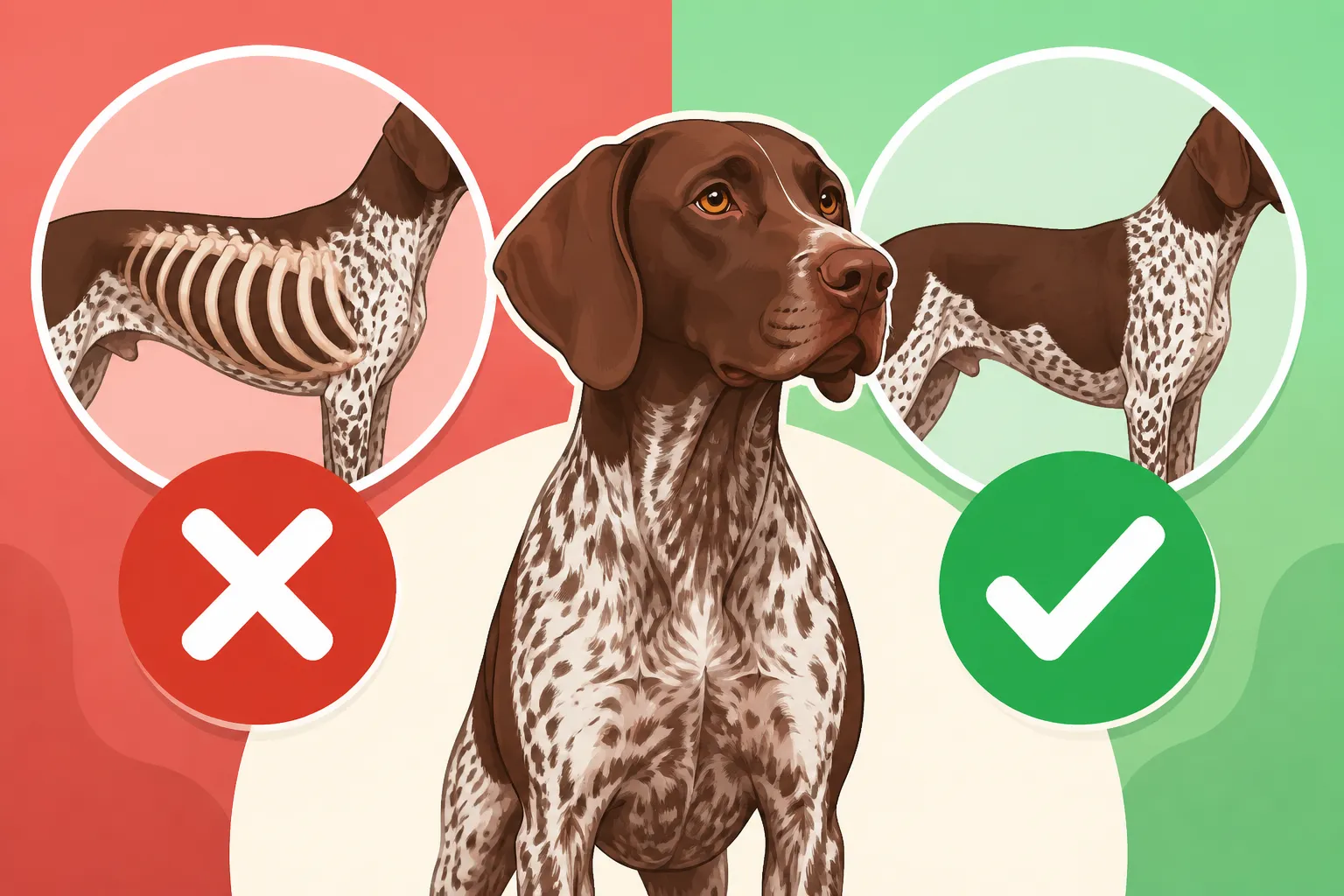
When we talk about "seeing ribs" on a German Shorthaired Pointer, it's really important to clarify what that means. We're not looking for ribs that protrude sharply, like a skeleton. That would indicate a dog that is far too thin and possibly malnourished. Instead, what you ideally want to see on a healthy, well-conditioned GSP is a subtle outline of the last two or three ribs when they are standing normally, especially after they've been exercising. It's not a prominent, stark visibility, but rather a gentle ripple under the skin and short coat. You should be able to make out the shape, but they shouldn't look like they're sticking out.
If your GSP has a very deep chest and broad rib cage, you might see them a bit more easily, or perhaps only when they turn or stretch. In some lighting, or with certain coat patterns, they might appear more or less obvious. The key is that they shouldn't be starkly visible from a distance, nor should they be completely hidden under a layer of fat. If you can see every rib clearly from across the room without them moving, or if their hips and spine are also very prominent, that's generally a sign that your GSP is underweight and needs attention. Conversely, if you can’t see any ribs at all, even when looking closely or when they're moving, it's likely they're carrying too much weight.
The Importance of a Defined Waist and Abdominal Tuck
Beyond the ribs, two other critical visual indicators of a German Shorthaired Pointer's ideal body condition are their waist and abdominal tuck. These features truly complete the picture of an athletic dog. When you look at your GSP from above, standing squarely, you should be able to discern a clear waistline, just behind their rib cage. This waist should narrow noticeably, creating an hourglass-like shape before widening slightly again at their hips. If your GSP's body from the rib cage back to the hips looks like a straight line or even bulges out, they are definitely carrying too much weight around their middle. A lost waistline is one of the most common early signs of a GSP becoming overweight.
From the side, you want to see a distinct "abdominal tuck." This means that their belly area, from the end of their rib cage towards their hind legs, should gently curve upwards, appearing tighter and more streamlined than their chest. It shouldn't hang down or appear saggy. A well-defined tuck signifies a strong core and a healthy lack of abdominal fat. If your GSP's belly hangs low, is distended, or shows no discernable tuck, it's a clear signal that they need some adjustments to their diet and exercise routine. This tuck is especially important for hunting dogs, as it allows for unrestricted movement and helps prevent organs from shifting excessively during high-impact activities. Both the defined waist and the abdominal tuck are hallmarks of a fit and functional German Shorthaired Pointer.
Why Body Condition Matters for a GSP's Health and Performance
Body condition isn't just about how your German Shorthaired Pointer looks; it's a direct reflection of their overall health and their capacity to live up to their breed's potential. Maintaining an optimal weight is paramount for their longevity, their comfort, and their ability to perform the demanding activities they love.
Impact of Being Underweight
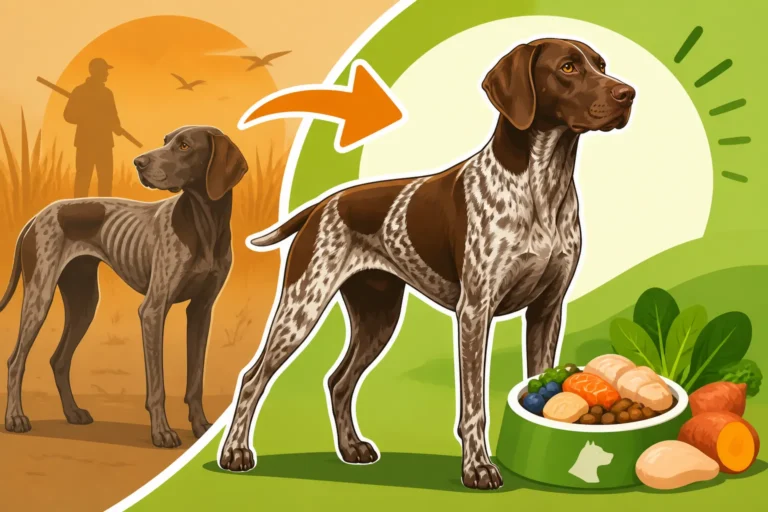
While many GSP owners worry about their dogs being overweight, being underweight can also pose significant health risks and impact performance. A GSP that is too thin might appear bony, with very prominent ribs, hip bones, and vertebrae. This isn't the subtle definition we discussed earlier, but rather an emaciated look. When a dog is underweight, it often lacks adequate muscle mass, which is crucial for strength, stamina, and protecting their joints. A lack of muscle can make them prone to injuries, especially if they are still working in the field. Their body simply doesn't have the reserves to handle the physical demands.
Furthermore, an underweight GSP can have a compromised immune system, making them more susceptible to illnesses and taking longer to recover from any health setbacks. They might lack the necessary fat reserves to regulate their body temperature effectively, making them more vulnerable to the cold during winter hunts. You might notice them shivering more easily, or simply lacking the drive and energy they usually possess. Their coat might appear dull and sparse, and their skin condition could deteriorate. In severe cases, chronic low body weight can lead to organ damage or failure. If your GSP consistently struggles to put on or maintain weight despite adequate feeding, it's a red flag that warrants a veterinary visit to rule out underlying medical conditions like parasites, malabsorption issues, or other chronic diseases.
The Dangers of Being Overweight
The dangers of an overweight German Shorthaired Pointer are perhaps more commonly discussed, but they cannot be overstated for such an active breed. An overweight GSP carries a host of risks that can drastically shorten their active years and lead to a diminished quality of life. The most immediate impact is on their joints. Every extra pound means more stress on their hips, elbows, and knees. This significantly increases their risk of developing or worsening conditions like hip and elbow dysplasia, Arthritis in a German Shorthaired Pointer at Eight, and cruciate ligament tears. Imagine trying to run a marathon with a heavy backpack; that’s what an overweight GSP’s joints are contending with every time they move. Joint damage can lead to chronic pain, lameness, and a severe reduction in their ability to enjoy walks, runs, or hunts.
Beyond musculoskeletal issues, obesity in GSPs is linked to a higher incidence of other serious health problems. It can predispose them to diabetes, heart disease, and certain types of cancer. The extra insulating fat can also make them much more prone to Heat Exhaustion in an Early Season Shorthair, as their bodies struggle to cool down, which is especially dangerous for a dog bred to run hard in varying temperatures. Their respiratory system has to work harder, leading to exercise intolerance and general lethargy. Overweight dogs often have a decreased quality of life, becoming less enthusiastic about play and exercise, which creates a vicious cycle of weight gain and inactivity. It's a sad reality for a breed that thrives on movement, and addressing weight early can prevent a lifetime of avoidable health struggles.
Assessing Your German Shorthaired Pointer's Condition: A Hands-On Approach
While visual cues are helpful, the most accurate way to assess your German Shorthaired Pointer's body condition is through a hands-on examination. This method allows you to feel what you might not always see, taking into account individual differences in coat thickness and musculature. Feeling a German Shorthaired Pointer's Ribs and Hips should become a regular part of your routine.
The Rib Test: Feeling for the Sweet Spot
The "rib test" is your most reliable tool for assessing if your GSP is at a healthy weight. Here’s how to do it: Stand next to your dog and place both hands, palms down and fingers together, flat on their chest. Gently run your hands along their sides, feeling for their ribs. You should be able to feel their ribs easily, with only a thin layer of fat covering them. They should feel like the knuckles on your hand when your palm is open and flat – discernable but not sharply protruding.
If you have to press firmly to feel the ribs, or if you can't feel them at all, your dog is likely carrying too much fat and is overweight. This would be like feeling the palm of your hand when it's open and relaxed. The ribs are there, but they're hidden. Conversely, if the ribs feel very prominent, sharp, and easy to count individually without much pressure, like the knuckles on your hand when you make a fist, then your dog is likely too thin. The ideal is that 'sweet spot' where you can feel them distinctively without seeing them bulge, indicating a lean, well-conditioned dog. Make this a habit every week or so, perhaps during a grooming session or after a run, to stay on top of any subtle changes.
The Overhead and Side View Check
Beyond feeling the ribs, a visual inspection from different angles provides crucial complementary information. Stand above your German Shorthaired Pointer and look down at their back. This is where you assess their waistline. As discussed earlier, you should see a clear narrowing behind the rib cage, an hourglass figure. If their body from the shoulders back looks like a straight line, or even bulges out, they are carrying too much weight. A healthy GSP should show a distinct tuck.
Next, crouch down and look at your GSP from the side. This view is vital for checking the abdominal tuck. The line from their chest back to their hind legs should sweep upwards, creating a lean, athletic silhouette. If their belly hangs low, is distended, or looks like it sags towards the ground, they are likely overweight. Also, from the side, observe their overall muscle mass. A fit GSP should have well-defined muscles, particularly in their hindquarters. If their muscles appear soft or diminished, it could indicate a lack of condition, even if their weight seems okay. Comparing these visual checks with your hands-on rib assessment gives you a comprehensive understanding of your GSP's body condition and helps you determine if they are maintaining The Weight a Male German Shorthaired Pointer Should Hold or The Forty Five to Sixty Pounds a Female Shorthair Carries, as appropriate for their sex and build.
Maintaining Optimal Body Condition: Diet and Exercise Strategies
Once you understand what optimal body condition looks like for your German Shorthaired Pointer, the next step is actively maintaining it. This is a dynamic process that requires a careful balance of diet and exercise, tailored to your individual dog’s needs. It's not a one-size-fits-all solution, but a continuous effort that ensures your GSP stays healthy and happy.
Tailoring Nutrition to Your GSP's Activity Level
German Shorthaired Pointers are not couch potatoes; their energy demands are high, and their nutritional needs reflect that. The amount and type of food your GSP requires will depend heavily on their activity level. A GSP that is actively hunting several days a week, running miles, or participating in intense training will need significantly more calories and a different macronutrient profile than a GSP that is primarily a family pet with daily walks and yard play.
For highly active GSPs, a high-quality performance dog food with a higher protein and fat content is often necessary. These diets provide the sustained energy and muscle support required for their demanding lifestyle. You'll need to pay close attention to The Daily Ration a Working Shorthair Actually Eats and adjust it based on their actual exertion. On days your dog is particularly active, they might need an increased portion, while rest days may call for a slight reduction. Companies like Ollie or other reputable brands offering fresh food options can also be considered, though careful calorie counting is always essential. Many owners find it helpful to divide the daily ration into two meals to aid digestion and energy distribution. You can often find a wide variety of suitable kibble or wet food options on Chewy or Amazon, making it easy to compare and select the best fit for your GSP. Don't forget that Calorie Needs of a German Shorthaired Pointer in Season will be at their peak, demanding careful attention to ensure they don't lose too much weight. Always measure food precisely, rather than guessing, and be mindful of calorie-dense treats.
Ensuring Adequate and Appropriate Exercise
Diet alone isn't enough; exercise is the other half of the equation for maintaining a GSP's optimal body condition. These dogs need a lot of physical activity, and it needs to be the right kind of activity to truly burn off their boundless energy and maintain muscle tone. Simply letting them out in the yard isn't usually sufficient. German Shorthaired Pointers thrive on sustained, vigorous exercise that engages both their body and their mind. Aim for at least Ninety Minutes of Real Exercise for a Shorthair every single day, ideally broken into a couple of sessions. This might include long, brisk runs, intense games of fetch, swimming, or hiking.
Many GSP owners find that activities like Running a Shorthair Beside a Bike Safely or participating in dog sports like agility, dock diving, or even organized hunting tests are excellent ways to meet their dog's exercise needs. If your GSP is working in the field, this exercise requirement is met naturally, but during the off-season, you'll need to be intentional about replicating that level of exertion. Without sufficient exercise, even a perfectly portioned diet can lead to weight gain, and more importantly, an under-exercised GSP can become frustrated, destructive, and generally difficult to live with. Consistent, appropriate exercise helps build and maintain the lean muscle mass that is characteristic of the breed, contributes to strong joints, and supports their overall mental and physical well-being. It’s not just about burning calories; it’s about providing the outlet their active minds and bodies crave.
Disclaimer
This article is for general informational purposes only and does not constitute professional advice. Laws, prices and regulations vary by location and change over time. Consult a qualified professional for guidance on your specific situation.