The Weight a Male German Shorthaired Pointer Should Hold
One of the most common worries for German Shorthaired Pointer owners, especially those with active males, is whether their dog is carrying the right amount of weight. It’s a fine line to walk between keeping them in prime condition for the field and ensuring they’re not too thin, or, heaven forbid, tipping into being overweight. This guide will walk you through what the ideal weight truly looks like for your male GSP, moving beyond just the number on the scale to help you assess his overall health and fitness.
Understanding the German Shorthaired Pointer Breed Standard for Weight
When we talk about "ideal weight" for a male German Shorthaired Pointer, it’s not as simple as picking a number and sticking to it. These dogs were bred as versatile hunting partners, meaning they need to be agile, powerful, and have incredible stamina. The breed standard offers a range, but the true picture comes from understanding the type of body structure that enables them to do their job without undue strain.
What the Standard Says About Weight and Build
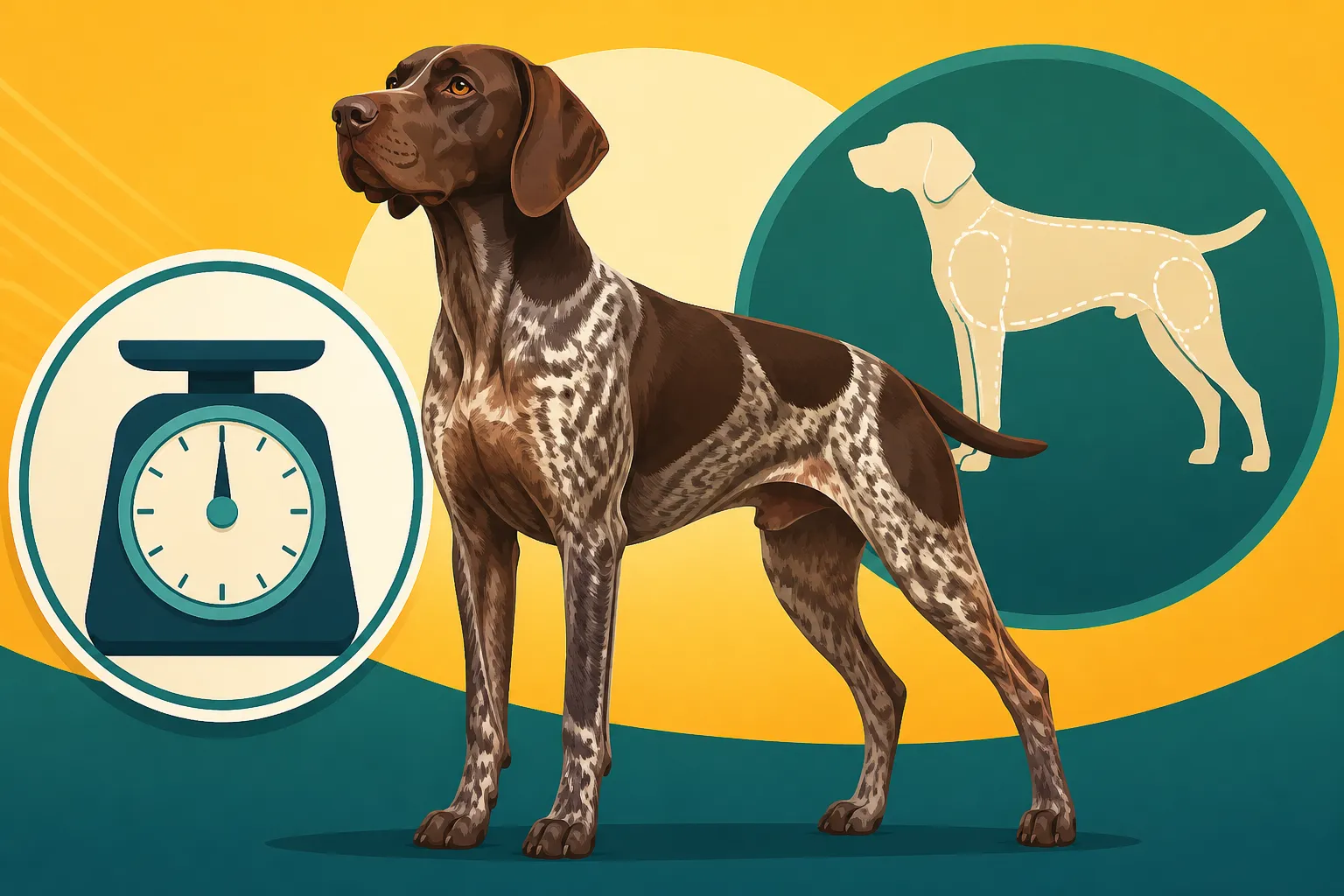
The German Shorthaired Pointer breed standard, as set by organizations like the American Kennel Club, typically describes a male GSP as standing between 23 to 25 inches at the shoulder (withers) and weighing between 55 to 70 pounds. Now, that's a pretty broad range, isn't it? It reflects the fact that individual dogs, even within the same litter, can vary quite a bit in bone structure and overall size. A dog at the taller end of the spectrum is naturally going to weigh more than one on the shorter end, even if both are in perfect condition.
The emphasis isn't just on the numerical weight, but on the build. The standard calls for a dog that is "powerful, but not bulky," with a deep chest, strong back, and well-muscled hindquarters. They should appear "athletic" and "graceful," which means carrying a lean, hard physique. Think of an Olympic runner compared to a bodybuilder; both are incredibly fit, but their builds are vastly different. Your GSP should lean towards that runner’s physique – efficient, capable, and free of excess baggage.
The Lean, Hard Physique of a Working Dog
For a German Shorthaired Pointer, especially one actively working in the field, that "lean and hard" description is paramount. These dogs are covering miles of varied terrain, busting through heavy cover, and retrieving birds from land and water. Every ounce of excess weight is a detriment, putting extra strain on their joints, lungs, and heart. A GSP that is too heavy will tire more quickly, be less agile, and be at a higher risk for injuries. Conversely, a dog that is too thin might lack the muscle mass and energy reserves needed for sustained work, potentially struggling with The Daily Ration a Working Shorthair Actually Eats.
A truly fit working GSP often looks a bit leaner than what some people might consider "normal" for a pet dog. You should be able to easily feel their ribs with a light touch, but they shouldn't be visibly prominent or "ribby." Their waist should be distinctly tucked up when viewed from the side, and there should be a clear "tuck-up" from their chest to their abdomen. This isn't about starvation; it's about optimal athletic conditioning. For more on this, you might want to read Whether You Should See a German Shorthaired Pointer's Ribs.
Factors Influencing a Male GSP's Ideal Weight
Beyond the general breed standard, several individual factors play a huge role in determining what constitutes the "ideal" weight for your specific male German Shorthaired Pointer. It’s a personalized equation, not a one-size-fits-all number from a chart.
Age and Growth Stages
A young GSP male will naturally have a different weight trajectory than a senior dog. Puppies grow rapidly, often appearing a bit gangly as they stretch out. During their growth year, it's crucial to ensure they're receiving appropriate nutrition without overfeeding, which can lead to rapid growth and potential skeletal problems. They are still developing their bone structure and muscle mass.
By the time a male GSP is around 18 months to two years old, he will generally have reached his full height and started to fill out. This is often when you can start to dial in his adult working weight. As they enter their senior years, around The Age a German Shorthaired Pointer Is Called Senior, their metabolism might slow down, and their activity levels could decrease. This often means adjusting their diet to prevent weight gain, or in some cases, ensuring they maintain muscle mass if they start to lose weight due to age-related conditions. It's a journey, not a static destination.
Activity Level and Workload
This is perhaps the single biggest factor influencing a male GSP's ideal weight. A GSP that is actively hunting several days a week during season, running long distances, or participating in demanding field trials will naturally burn a tremendous amount of calories. Their body will be a finely tuned machine, demanding a specific calorie intake to fuel their efforts and maintain their lean muscle. For such a dog, being at the lower end of the weight spectrum, perhaps 55-65 pounds, while still muscular, might be ideal to maximize agility and endurance.
In contrast, a male GSP that is primarily a beloved companion, perhaps enjoying daily walks and weekend hikes but not engaging in strenuous hunting activities, will require fewer calories. If this dog maintains the same diet as a field dog, he will quickly put on unhealthy weight. Even two hours of exercise a day, as discussed in The Two Hours a Day a German Shorthaired Pointer Needs, might not match the caloric expenditure of a truly dedicated hunting season. For a less active dog, a weight closer to the middle or upper end of the standard range (65-70 pounds), while still lean, might be appropriate. The key is that the weight must correspond to their energy output.
Genetics and Individual Body Type
Just like people, German Shorthaired Pointers have individual genetic predispositions that affect their natural build and metabolism. Some lines tend to produce larger, more heavily boned dogs, while others are known for their finer, more athletic frames. Even within the same litter, you can see differences. If your male GSP comes from a lineage of 70-pound, powerfully built dogs, expecting him to thrive at 55 pounds might be unrealistic and unhealthy. Conversely, if his parents were both on the leaner, faster side, pushing him to 70 pounds could make him overweight.
Your dog's genetic blueprint will also influence how easily he gains or loses weight. Some GSPs are "hard keepers" who struggle to maintain weight during intense activity, requiring higher fat and protein diets, perhaps from brands like Chewy's performance lines or a fresh food subscription like Ollie. Others seem to look at food and gain five pounds. Understanding your dog's natural tendency, alongside his activity level, is crucial for setting a realistic weight goal.
Neutering Status
The timing of neutering can also play a subtle role in a GSP's physical development and subsequent weight management. Studies suggest that neutering, especially at a young age, can sometimes lead to a slightly taller, lankier build as growth plates close later. More significantly, neutering removes the primary source of sex hormones, which can impact metabolism and often lead to a decrease in energy expenditure and an increased propensity for weight gain.
Many owners find that their male GSP, once neutered, requires a reduction in calorie intake to maintain his ideal weight, even if his activity level hasn't changed. This isn't always a drastic change, but it's something to be mindful of. It's why we often discuss Whether a Neutered Shorthair Needs Less Food for GSPs. Regular monitoring of his body condition after neutering is essential to prevent that slow creep of extra pounds.
Assessing Your Male German Shorthaired Pointer's Body Condition
Forget the scale for a moment. While a number can be a useful baseline, it doesn't tell the whole story. The most effective way to determine if your male GSP is at his ideal weight is through a combination of visual assessment and hands-on examination, often referred to as Body Condition Scoring (BCS). This method allows you to evaluate fat coverage and muscle mass, which are far more indicative of health and performance than a simple number.
The Visual Cues of a Healthy Weight
When you look at your male GSP, there are a few key areas to observe:
- Ribs: From a distance, you should not be able to see his individual ribs. However, when he moves or breathes deeply, a subtle outline of the last two or three ribs might become visible. If you can clearly see all his ribs without even touching him, he's likely too thin. If you can't see any ribs, even with a keen eye, he might be carrying too much weight.
- Waist: Standing over your dog and looking down, you should see a distinct waistline tucking in behind his rib cage. It should look like an hourglass figure, not a straight line or bulging outwards.
- Abdominal Tuck: From the side, his abdomen should clearly tuck up from his chest, forming an upward slope. There should be no sagging belly, even after he's eaten. A flat or sagging belly indicates excess abdominal fat.
- Muscle Definition: You should see good muscle definition, particularly over his hindquarters and shoulders. These areas should look strong and well-developed, not soft or flabby.
The Hands-On Examination
Visual cues are great, but a hands-on check provides crucial information that a quick glance can miss. Run your hands over these areas:
- Ribs: Place both hands on either side of his chest, with your fingers spread. Gently run your palms along his rib cage. You should be able to feel his ribs easily, much like feeling the knuckles on the back of your hand. If you have to press hard to feel them, he's too heavy. If they feel sharp and prominent with no fat cushioning, he's too thin.
- Spine: Run your hand down his backbone. You should be able to feel the individual bumps of his vertebrae, but they shouldn't protrude sharply. There should be a slight cushion of muscle and fat.
- Hip Bones: Feel his hip bones near the base of his tail. You should be able to feel them, but they shouldn't stick out prominently. Like the ribs, they should have a slight covering.
- Tail Base: Feel around the base of his tail. This is a common spot for fat deposits. It should feel smooth, with no excessive fat accumulation.
Using a Body Condition Score (BCS) Chart
Veterinarians often use a Body Condition Score (BCS) chart, typically on a 5-point or 9-point scale, to standardize this assessment. A score of 3/5 or 4-5/9 is generally considered ideal for a GSP.
Here’s a simplified 5-point BCS chart to help you evaluate your GSP:
| Score | Description | Visual Cues | Hands-On Feel | Implications for a Male GSP |
|---|---|---|---|---|
| 1 (Emaciated) | Ribs, spine, pelvic bones easily visible from a distance. No discernible body fat. Obvious loss of muscle mass. | Severe abdominal tuck. | Ribs, spine, hip bones sharp and prominent. No muscle or fat covering. | Dangerously underweight. Requires immediate veterinary intervention. |
| 2 (Underweight) | Ribs easily visible. Spine and pelvic bones visible, but less pronounced. Minimal abdominal tuck. | Minimal body fat. | Ribs easily felt, but less sharp than 1. Some muscle mass present but minimal. | Too thin, especially for active dogs. Increased risk of illness, lack of stamina. |
| 3 (Ideal) | Ribs not visible from a distance but easily felt with light pressure. Distinct waist and abdominal tuck. | Well-proportioned body. | Ribs felt like knuckles on back of hand. Smooth muscle covering spine and hips. | Optimal condition. Excellent for activity and overall health. Aim for this! |
| 4 (Overweight) | Ribs difficult to feel with light pressure. Waistline not prominent or slightly thickened. Abdominal tuck absent or minimal. | Slight fat deposits over spine and tail base. | Ribs felt only with firm pressure. Fat layer over hips and tail base. | Carrying excess weight. Increased risk of joint issues, lethargy. Needs diet/exercise adjustment. |
| 5 (Obese) | Ribs not palpable without significant pressure. No waist or abdominal tuck. Obvious fat deposits. | General bulging of body shape. | Thick fat layer over ribs, spine, hips, and tail base. | Significantly overweight. High risk of serious health problems. Veterinary consultation needed. |
Most working GSPs will fall into a lean 3 or a very slightly higher 3 bordering on 2, especially when in peak condition during hunting season. This is where The Body Condition a Field Shorthair Should Carry becomes a daily reality.
Maintaining the Ideal Weight for Your Male GSP
Achieving and maintaining that ideal weight for your male German Shorthaired Pointer is an ongoing process that involves a delicate balance of diet, exercise, and regular monitoring. It’s a commitment, but one that pays off in a vibrant, healthy, and high-performing dog.
Tailoring Diet to Energy Output
The cornerstone of weight management for a GSP is their diet. Because these dogs are so active, they typically require a high-quality, nutrient-dense food. Look for diets formulated for active or performance dogs, which usually have higher protein and fat percentages to support their energy needs and muscle maintenance. Brands available on Chewy often have specific lines for active breeds.
- Calorie Needs Fluctuate: Remember, your dog's caloric needs will change throughout the year. During hunting season, he might need significantly more food than in the off-season. You might need to adjust his portion sizes weekly based on his activity. Feeding a German Shorthaired Pointer That Runs All Day is a different ballgame than feeding one who's just doing light daily exercise.
- Portion Control: Don't just "free feed." Measure his food accurately. A kitchen scale can be incredibly helpful for precision. Many owners eyeball it, leading to subtle overfeeding that adds up over time.
- Treats in Moderation: Treats are wonderful for training and bonding, but they add calories. Factor them into his daily intake. Opt for low-calorie training treats or pieces of cooked vegetables if he's prone to weight gain.
- Considering Fresh or Raw Options: Some owners find success with fresh food diets, like those offered by Ollie, or even carefully managed raw diets. These can sometimes offer more precise control over ingredients and caloric density, but always consult with your vet or a canine nutritionist to ensure they are complete and balanced.
- Supplements: While not directly for weight control, joint supplements may become important, especially for working dogs who put stress on their joints. Maintaining a healthy weight is the best joint supplement, but others, as discussed in Joint Supplements for a Hunting German Shorthaired Pointer, can complement it.
Consistent and Appropriate Exercise
A German Shorthaired Pointer is not a couch potato. They need exercise, and lots of it. This isn't just about weight control; it's fundamental to their mental and physical well-being.
- Daily High-Intensity Activity: Aim for at least 60-90 minutes of vigorous activity every day. This means running, swimming, fetch, or dedicated training sessions, not just a leisurely walk around the block. For many GSPs, two hours or more, as noted in The Two Hours a Day a German Shorthaired Pointer Needs, might be what it takes to keep them truly fit.
- Vary the Routine: Don't let your dog get bored. Mix up his activities with different types of exercise and environments. This helps engage his mind and body more effectively.
- Build Stamina: For working dogs, conditioning throughout the off-season is crucial so they can start the hunting season strong. This includes roading, running, and swimming to build muscle and cardiovascular fitness.
- Monitor Output: If you use a GPS tracking collar, available on Amazon, to measure distance and speed, you'll get a better idea of just how much ground your GSP covers. This can help you fine-tune his caloric intake.
Regular Health Checks and Adjustments
Weight management isn't a "set it and forget it" task. Your dog's body and needs will change, and your approach must adapt with him.
- Weekly Body Checks: Make it a habit to perform a quick visual and hands-on body check once a week. This allows you to catch any subtle changes in his condition before they become significant. This is part of Keeping a German Shorthaired Pointer Lean and Hard.
- Weight Monitoring: While not the sole indicator, periodic weighing can be useful for tracking trends. If you notice a consistent upward or downward trend that isn't explained by changes in activity, it's a red flag. How Much Weight a Shorthair Loses Over a Season is normal, but uncontrolled loss isn't.
- Veterinary Consultations: Regular vet visits are essential. Your veterinarian can provide an objective assessment of your dog's body condition, discuss diet and exercise strategies, and rule out any underlying medical conditions that might be affecting his weight. For instance, sometimes unexplained weight gain or loss can be a symptom of a thyroid issue or other health concern.
- Adjustments as Needed: Be prepared to adjust his food portions or exercise intensity as his needs evolve. This might be due to changes in season, aging, injury recovery, or simply a shift in your own schedule. The goal is always to keep him in that ideal, lean, athletic condition. For instance, if you're exploring Protein and Fat Ratios for a Hunting German Shorthaired Pointer, a vet or canine nutritionist can offer tailored advice.
Disclaimer
This article is for general informational purposes only and does not constitute professional advice. Laws, prices and regulations vary by location and change over time. Consult a qualified professional for guidance on your specific situation.