How Much Weight a Shorthair Loses Over a Season
It’s a common worry for German Shorthaired Pointer owners: you put in all the work conditioning them for hunting season, watch them perform beautifully in the field, only to notice they've shed significant weight. That sleek, hard-muscled physique can sometimes cross the line into looking too thin, leaving you wondering if it’s normal or a sign of trouble. This guide dives deep into why your active Shorthair might lose weight during the demanding hunting season, how to tell if it's too much, and actionable strategies to maintain their peak physical condition and ensure they stay healthy and strong through every retrieve.
The Demands of the Season: Why Shorthairs Burn So Many Calories
German Shorthaired Pointers are exceptional athletes, bred for endurance and intense bursts of activity. When hunting season arrives, their daily energy expenditure skyrockets far beyond what they burn in the off-season. Understanding the sheer physical toll helps explain why weight loss is such a common occurrence.
High Metabolism and Constant Motion
Think about your Shorthair in the field: they’re not just walking. They're quartering, pushing through thick cover, leaping over obstacles, pointing staunchly, and retrieving tirelessly. This is high-intensity, stop-and-go work, often over varied and challenging terrain. Their metabolism is naturally geared for this kind of performance, making them incredibly efficient at burning calories. It's not uncommon for a working German Shorthaired Pointer to burn two, three, or even four times the calories of a sedentary dog of the same size. Even when they seem to be resting, their bodies are recovering from the previous burst of activity, and the ambient temperature might be different from inside the house, requiring more energy to regulate body temperature.
Consider a crisp fall morning hunt: your Shorthair is working hard, generating internal heat, but also losing it to the cool air. Their muscles are constantly firing, demanding fuel. This intense physical output, coupled with the mental focus required for hunting, means they're constantly drawing on their energy reserves. If these reserves aren't adequately replenished through their diet, their body starts tapping into fat stores, and eventually, muscle mass, leading to noticeable weight loss. It’s a delicate balance to strike between providing enough fuel and preventing them from becoming overweight in the off-season, only to watch them drop too much once the bell rings.
Environmental Factors and Stress
Beyond the pure physical exertion, several environmental and physiological factors during hunting season can contribute to a Shorthair’s weight loss. Think about the changes in routine, the excitement, and the challenges they face. Longer days in the field often mean less structured meal times or changes in water intake, both of which can impact nutrient absorption and overall calorie consumption.
The adrenaline and excitement of the hunt itself can also play a role. Some dogs get so fixated on the task at hand that they might not eat as readily as they would in a calm home environment, even if food is offered. Travel to hunting locations, being crated more often, and exposure to new dogs and environments can also be subtle stressors that affect digestion and appetite. In colder weather, dogs burn more calories just to stay warm, especially a lean, short-coated breed like a German Shorthaired Pointer. Conversely, in early season heat, they expend energy to cool down. All these factors combined mean that their calorie needs are not only higher but also more variable, making it challenging to keep their weight stable. How Many Seasons a German Shorthaired Pointer Hunts is a good indicator of how long they'll be under this kind of seasonal stress.
Spotting Healthy vs. Unhealthy Weight Loss: Body Condition Scoring
It's one thing to have a lean, athletic German Shorthaired Pointer, and another to have one that's too thin. Knowing the difference is crucial for their long-term health and performance. The best way to monitor this is through regular body condition scoring, rather than just relying on a number on the scale.
Understanding Body Condition Score (BCS)
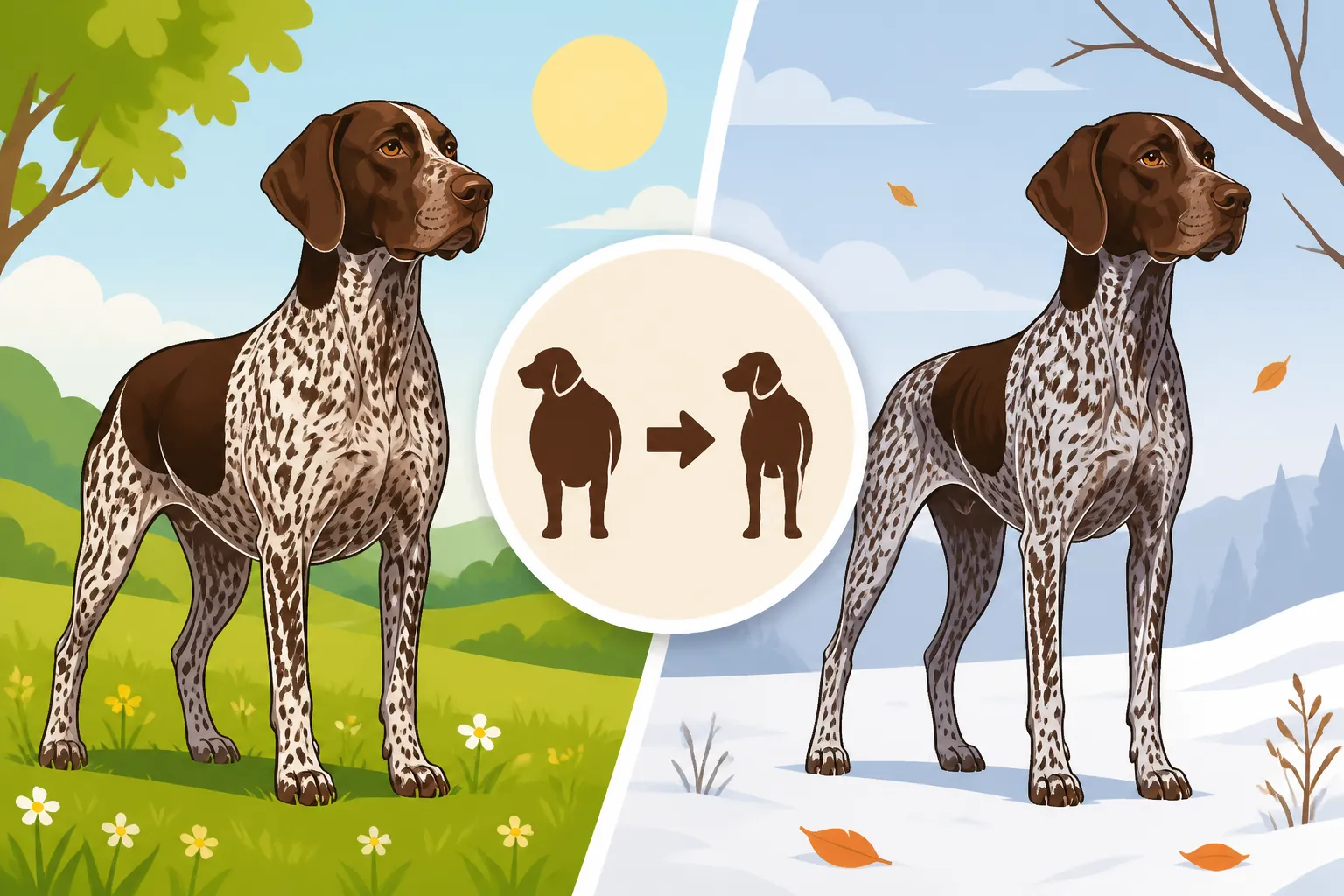
Body Condition Scoring (BCS) is a standardized way to assess a dog's fat reserves and muscle mass. It typically uses a 9-point scale, where 1 is emaciated and 9 is obese, with 4-5 being ideal for most breeds. For a highly active, working German Shorthaired Pointer, being on the leaner side of ideal (a 4 or a very fit 3) might be perfectly healthy. You want to see muscle definition, a tucked abdomen, and easily palpable ribs without them being overly prominent.
A good way to check is to run your hands over your dog's ribs. You should feel them distinctly, like the knuckles on your hand, but they shouldn't protrude sharply or be visible from a distance without effort. Their waist should be evident when viewed from above, and there should be an obvious abdominal tuck when viewed from the side. Compare this to your dog's The Body Condition a Field Shorthair Should Carry during the off-season. A slight drop is normal, but a dramatic change warrants attention.
Here's a simplified guide to Body Condition Scoring:
| BCS | Ribs | Waist (top view) | Abdominal Tuck (side view) | General Appearance |
|---|---|---|---|---|
| 1-2 | Ribs, spine, pelvic bones very visible. No fat. | Extreme hourglass. | Severe tuck. | Emaciated. Muscle loss evident. |
| 3 | Ribs easily palpable and visible. Minimal fat. | Marked hourglass. | Obvious tuck. | Very lean. Ribs visible but not jutting. |
| 4-5 | Ribs easily palpable. Minimal fat covering. | Well-proportioned, visible waist. | Tucked abdomen. | Ideal. Athletic. For working Shorthairs, a 4 is often perfect, with a lean 3 acceptable if muscle mass is good. |
| 6-7 | Ribs palpable with slight difficulty. Some fat. | Waist barely visible. | Slight tuck or flat. | Overweight. Less muscle definition. |
| 8-9 | Ribs difficult to feel under thick fat. | No waist, broad back. | Distended or sagging. | Obese. Significant fat deposits. |
Monitoring Your Shorthair's Weight
While BCS is qualitative, combining it with quantitative data (actual weight) gives you a comprehensive picture. Weigh your German Shorthaired Pointer regularly, perhaps weekly or bi-weekly, especially as the season progresses. Use the same scale each time for consistency. Note down their weight and BCS score in a journal or on your phone. This tracking helps you identify trends quickly.
For example, if your Shorthair started the season at a healthy 58 pounds with a BCS of 4, and after a month of hard hunting, they're down to 54 pounds, but still have good muscle and a BCS of 3, that might be acceptable. However, if they drop to 50 pounds and their ribs are clearly visible and sharp, and you're seeing signs of muscle loss, that's a red flag. Pay attention to changes in their energy levels even when not hunting, or any signs of decreased stamina in the field. This objective data helps inform your feeding adjustments and when it might be time for a vet visit. It's a great habit to start early, even before the season, so you know their baseline.
Proactive Strategies to Maintain Weight and Energy Levels
Preventing excessive weight loss is much easier than trying to put weight back on a dog who is already too thin. A proactive approach to nutrition and management can make all the difference, ensuring your German Shorthaired Pointer stays strong and healthy throughout the entire hunting season.
Adjusting Their Diet for Peak Performance
The most direct way to combat weight loss is by increasing your Shorthair's caloric intake. This isn't just about feeding more food, but feeding the right kind of food. Look for high-performance dog foods specifically formulated for active or working dogs. These diets are typically higher in protein and fat, which are crucial energy sources for endurance. A performance kibble often has a protein content of 28-32% and a fat content of 18-22% or even higher.
You might need to increase their daily food allowance by 25-50% or more, depending on their activity level. Don't make drastic changes overnight, as this can upset their stomach. Gradually transition to the new food or increased quantity over several days. For example, if you typically feed two cups twice a day, you might increase it to 2.5 cups per meal, or even three cups if they are running particularly hard. Breaking meals into smaller, more frequent portions can also help with digestion and absorption, especially on hunting days. You can find a wide variety of high-performance kibbles on platforms like Chewy, allowing you to compare options and read reviews from other working dog owners. Consider a food that is also rich in omega-3 fatty acids for joint health and coat condition, which are important for a hunting dog. Feeding a German Shorthaired Pointer Around a Hunt is a critical read here.
Strategic Supplementation and Hydration
Sometimes, simply increasing kibble isn't enough, or your dog might not be able to eat enough volume. This is where strategic supplementation comes in. Adding calorie-dense toppers to their regular meals can be incredibly effective. Options include:
- Canned wet food: High in moisture and often palatable.
- Cooked meat (unseasoned): Chicken, beef, or venison can add a significant protein and fat boost.
- Sardines in water: Excellent source of omega-3s and calories.
- Plain full-fat yogurt or cottage cheese: Adds protein and probiotics.
- Commercial high-calorie supplements: Available as pastes or powders, designed to boost intake.
- Oils: A tablespoon or two of coconut oil, flaxseed oil, or fish oil added to their food can quietly add hundreds of calories without much volume.
Some owners even explore fresh food options like Ollie, which can be highly palatable and calorie-dense, though it's important to understand What Raw Feeding a German Shorthaired Pointer Costs if you're considering a more comprehensive shift. Just remember to introduce any new supplements gradually.
Hydration is equally important. Dehydration can lead to a loss of appetite and compromise performance. Always ensure your Shorthair has access to fresh, clean water, especially before, during, and after hunts. Carry a portable water bottle and bowl in the field. Electrolyte supplements for dogs can also be beneficial on long, hot days to replenish minerals lost through sweat. A dog that is properly hydrated will perform better and digest their food more efficiently, helping to prevent unnecessary weight loss. You can't overlook the importance of Watering a German Shorthaired Pointer Through a Long Day.
When to Seek Vet Help: Addressing Excessive Weight Loss
While some weight loss is expected during the hunting season, there's a point where it becomes unhealthy and indicates a problem that needs professional attention. Ignoring significant or rapid weight loss can lead to serious health issues and compromise your dog's ability to hunt safely.
Recognizing Red Flags Beyond the Scale
Don't just look at the numbers; observe your Shorthair's overall demeanor and physical condition. Beyond a low BCS (especially if it drops to a 2 or below), look for these warning signs:
- Muscle wasting: Not just lean, but actual loss of muscle mass, particularly over the hips and shoulders.
- Lethargy or decreased stamina: While tired after a hunt is normal, persistent low energy, reluctance to play, or significantly reduced endurance in the field are concerns.
- Dull coat or poor skin condition: A healthy coat reflects good nutrition. If their coat becomes dull, dry, or they develop skin issues, it could signal nutritional deficiencies.
- Changes in appetite or thirst: A sudden disinterest in food, or conversely, excessive hunger without weight gain, can be problematic. Increased thirst could indicate underlying health issues.
- Diarrhea or vomiting: Persistent gastrointestinal upset means nutrients aren't being absorbed, leading to weight loss.
- Behavioral changes: Irritability, anxiety, or unusual quietness can sometimes be linked to discomfort or underlying illness.
If your German Shorthaired Pointer exhibits any of these signs in conjunction with noticeable weight loss, it's time to consult your veterinarian. They may be able to help identify if it's simply a matter of increasing The Daily Ration a Working Shorthair Actually Eats or if there is a deeper issue at play.
Potential Underlying Medical Conditions
Sometimes, despite your best efforts with diet and management, a German Shorthaired Pointer continues to lose weight or struggles to maintain it. In these cases, there might be an underlying medical condition at play that requires veterinary diagnosis and treatment. GSPs, like any breed, can be susceptible to certain health issues that manifest as weight loss.
Conditions that can cause unexplained weight loss include:
- Dental disease: Painful teeth or gums can make eating difficult.
- Parasites: Internal parasites can steal nutrients, even if your dog is on preventatives.
- Gastrointestinal issues: Conditions like inflammatory bowel disease (IBD), exocrine pancreatic insufficiency (EPI), or severe food allergies can impair nutrient absorption.
- Metabolic disorders: Thyroid conditions (though weight gain is more common with hypothyroidism, a very active dog with an imbalance could struggle), diabetes, or kidney disease can cause weight loss.
- Cancer: Unfortunately, certain cancers can cause rapid and unexplained weight loss. Why Shorthairs Get Cancer Younger Than Other Breeds is a good resource to review.
- Chronic infections: Hidden infections can drain a dog's energy and nutrient reserves.
Your vet will likely perform a thorough physical exam, bloodwork, urinalysis, and possibly fecal tests to rule out these possibilities. They might also suggest imaging such as X-rays or ultrasound if they suspect internal issues. Early diagnosis and treatment are key to ensuring your Shorthair can return to a healthy weight and continue enjoying their life and their time in the field. Keeping up with The Vet Schedule a Working Shorthair Should Keep can help catch these things early.
Disclaimer
This article is for general informational purposes only and does not constitute professional advice. Laws, prices and regulations vary by location and change over time. Consult a qualified professional for guidance on your specific situation.