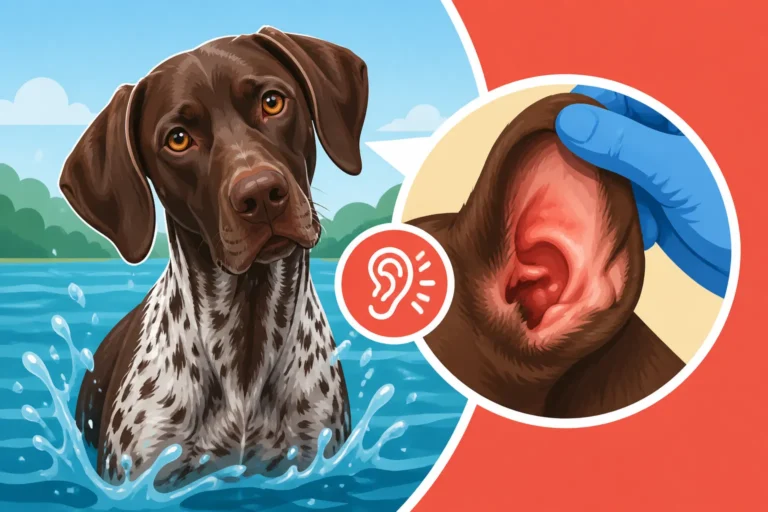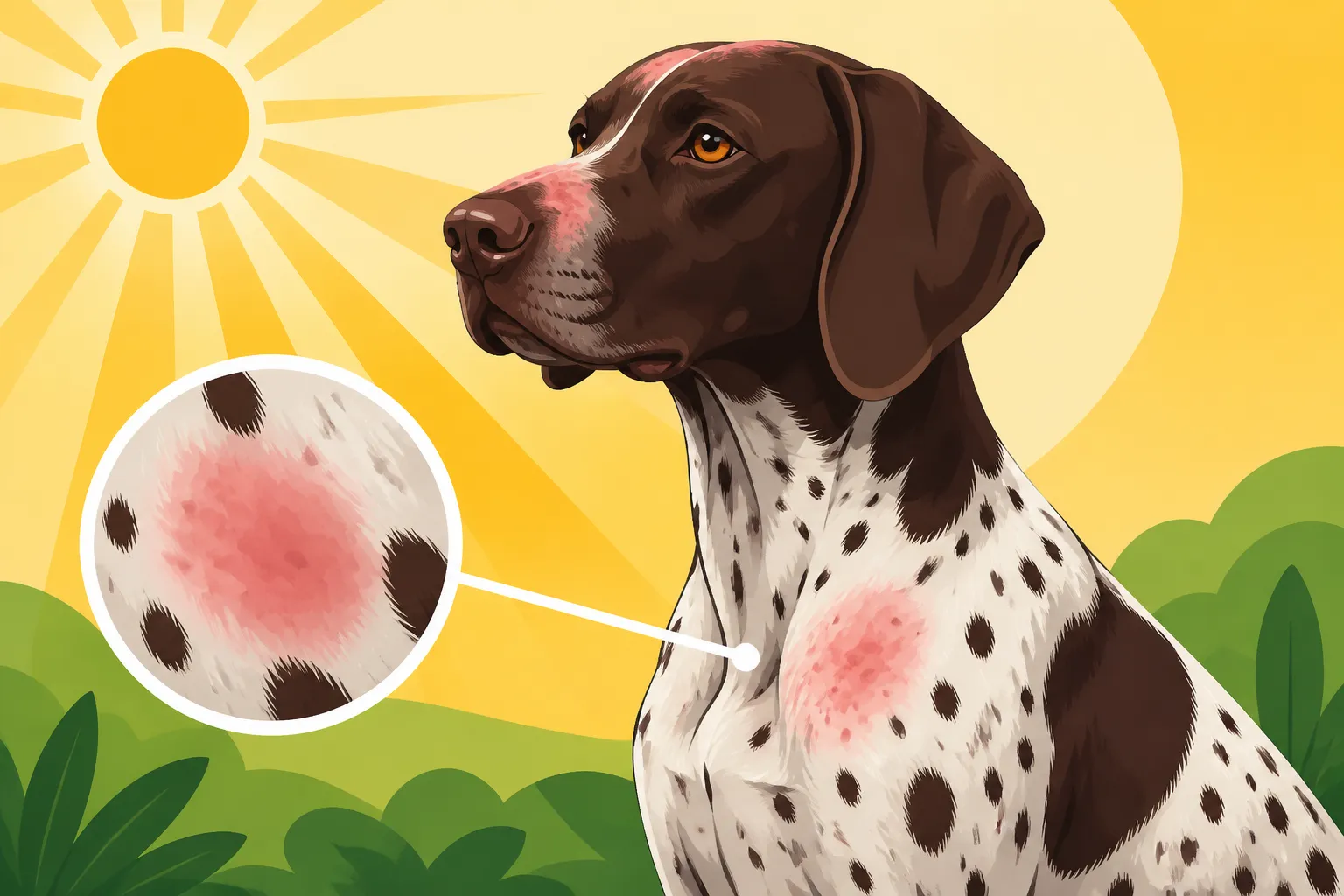
Sun Damage on a White Marked German Shorthaired Pointer
It’s heartbreaking to watch your active, outdoor-loving German Shorthaired Pointer suffer from something as preventable as a sunburn, especially when their beautiful white markings make them so vulnerable. Many of us don't realize just how much direct sun exposure can impact our dogs, leading to painful burns and, even worse, long-term health issues like skin cancer. This guide will walk you through understanding why white-marked GSPs are at higher risk, how to spot the signs of sun damage, and most importantly, effective strategies to protect your beloved companion.
Understanding Sun Damage in White-Marked German Shorthaired Pointers
That striking white blaze on your GSP's chest or the broad white patches across their body are undeniably gorgeous, but they come with a hidden vulnerability. Unlike their liver or black-roan counterparts, these pale areas lack the pigment that acts as a natural shield against the sun's harmful rays.
Why White Markings Are More Vulnerable
The key culprit here is melanin, the pigment responsible for skin and coat color. Think of melanin as your dog's natural sunscreen. Darker skin and fur contain more melanin, which absorbs and dissipates ultraviolet (UV) radiation from the sun, preventing it from damaging cells. White-marked areas, particularly those with pink skin underneath, have significantly less or no melanin. This means the UV rays penetrate directly, causing cellular damage. It’s the same reason fair-skinned people burn more easily than those with darker complexions. For our German Shorthaired Pointers, this vulnerability is most pronounced on areas with sparse hair, such as the bridge of the nose, the tips of the ears, their belly, inner thighs, and anywhere their coat is thin enough to reveal pink skin. These are often the first places you’ll see sunburn manifest, turning from a healthy pink to an angry red.
Common Forms of Sun Damage
Sun exposure isn't just about a temporary sunburn; it can lead to a cascade of problems, some quite serious. The initial pain and redness of a sunburn are just the tip of the iceberg. Chronic exposure can cause significant long-term issues that are much harder to treat.
For instance, after a particularly long day out in the field without adequate shade, you might notice your GSP's nose getting a bit pinker than usual, maybe even warm to the touch. This acute sunburn can be painful and lead to peeling, similar to how we experience it. However, over time, repeated exposure without proper protection can lead to more sinister conditions. You might start noticing small, rough, crusty patches on their skin, especially on the ear tips or nose. These are often The Skin Tumors Shorthairs Get Younger Than Most, particularly actinic keratosis, which are considered precancerous lesions. If left unchecked, these can progress into aggressive forms of skin cancer.
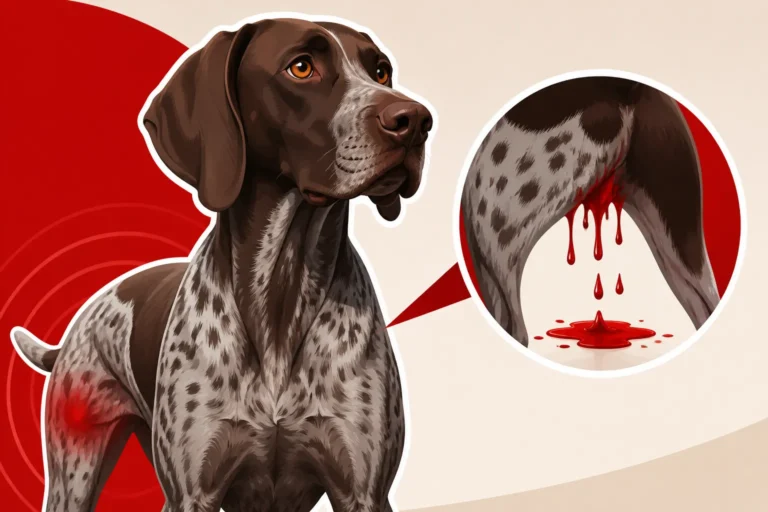
One of the most concerning forms of sun damage is squamous cell carcinoma. This type of cancer frequently appears in areas of chronic sun exposure like the nose, eyelids, and ear tips of white-marked dogs. It can look like a persistent sore that doesn't heal, a raised bump, or a crusty lesion. These tumors can be quite invasive and require prompt veterinary attention, often involving surgery. While less common, another serious concern is hemangiosarcoma, a highly aggressive cancer that can appear on the skin, particularly on sparsely haired areas like the belly and inner thighs, which receive a lot of reflected UV light when a dog is lying down outside. Owners often don't realize Why Shorthairs Get Cancer Younger Than Other Breeds might be linked to environmental factors like sun exposure, highlighting the importance of prevention.
Recognizing the Signs of Sun Exposure and Damage
It’s easy to miss the early signs, especially if your German Shorthaired Pointer is always on the go and seems oblivious to discomfort. But catching these issues early can make a huge difference in treatment and prognosis.
Early Warning Signs
The first hint that your white-marked GSP is getting too much sun often appears subtle. Imagine your dog just finished a morning run on a bright, sunny day, perhaps playing fetch in the park or training in an open field. When they come back, take a moment to examine those vulnerable spots. You might notice their typically pink skin, especially on the inside of their ears or their belly, has taken on a slightly redder hue. It might feel a bit warmer to the touch than usual. If you gently touch these areas, your dog might pull away slightly, indicating discomfort or tenderness. This is a classic, acute sunburn.
Sometimes, the first sign isn't just redness, but a very fine, almost imperceptible flaking or dryness of the skin. It’s not necessarily itchy at this stage, but it's a clear indicator that the skin cells have been damaged by UV radiation. This kind of mild sun damage is easily overlooked, especially if your dog has a high pain tolerance, which many driven German Shorthaired Pointers do. Early intervention means simply getting them out of the sun and applying a soothing, dog-safe topical like aloe vera gel, but ignoring it allows the damage to accumulate over time, setting the stage for more serious issues down the road.
Advanced and Chronic Damage
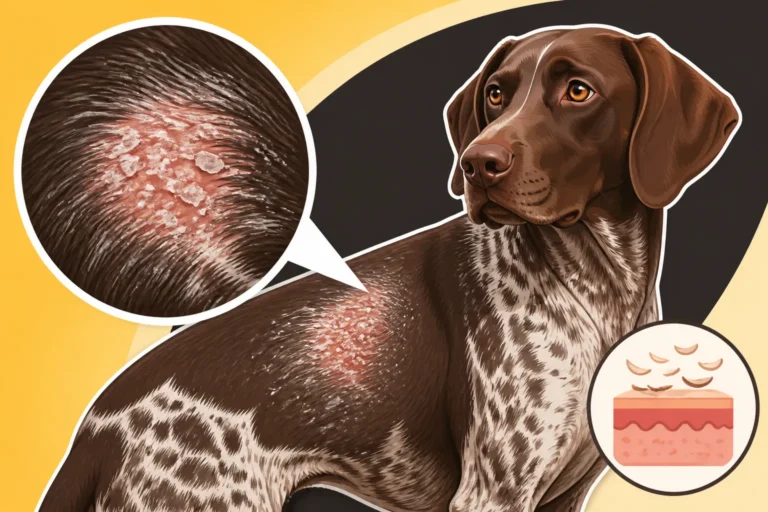
When sun damage becomes chronic, the signs are often more alarming and indicative of cellular changes that go beyond a simple burn. If you’ve noticed your GSP developing The Scaling Skin That Starts on a Shorthair's Back or other persistent skin issues, it might be more than just allergies or a minor irritation. Look closely at areas like the ear tips, the bridge of the nose, or the edges of their lips. You might see crusting, scabbing, or even open sores that seem to reappear or simply never fully heal, despite your best efforts. These are red flags.
Over time, repeated sun exposure can lead to the skin becoming thickened, leathery, or even discolored, developing dark spots or patches where the pigment has gone awry. But the most concerning signs are the appearance of nodules or bumps. These could be anything from benign growths to highly malignant tumors, such as mast cell tumors, which are unfortunately common in GSPs. Knowing Mast Cell Tumors and Where They Appear on a Shorthair is crucial for early detection. If you feel any new lumps or bumps, or notice any changes in existing ones, it's absolutely essential to get them checked by your vet immediately. Don't assume it's just a wart or a benign fatty lump. Your vet will likely recommend a needle aspirate or biopsy to determine the nature of the growth. This is where pet insurance from providers like Healthy Paws can truly offer peace of mind, helping to cover the costs associated with diagnostics and potentially expensive treatments.
Proactive Prevention Strategies
When it comes to sun damage, prevention truly is the best medicine for your white-marked German Shorthaired Pointer. Integrating protective habits into your daily routine can dramatically reduce their risk of burns and skin cancers.
Limiting Sun Exposure
This might seem obvious, but it's often the hardest to implement with a high-energy breed like a GSP who lives for outdoor adventures. The most straightforward way to protect your dog is to simply reduce their time in direct sunlight, especially during peak UV hours. This generally means avoiding outdoor activities between 10 AM and 4 PM, when the sun’s rays are strongest.
Instead, shift your long walks, training sessions, and playtime to the early morning or late evening. Imagine those crisp dawn hunts or peaceful dusk retrieves – not only are these times cooler and more comfortable for your dog, but the UV index is significantly lower. If your GSP spends time in the yard, ensure there’s ample natural or artificial shade available. A sturdy dog house, a large shade tree, or even a strategically placed umbrella can provide a vital retreat from the sun. Remember, even on cloudy days, UV rays can penetrate the clouds and cause damage, so stay vigilant. On days where outdoor time is unavoidable during peak hours, consider indoor alternatives to burn off some of that boundless GSP energy, like puzzle games, training sessions, or a quick trip to an indoor dog park if one is available nearby.
Protective Gear and Products
Beyond adjusting schedules, there are excellent tools and products available to provide a physical barrier against the sun. Just as you wouldn a hat and sunscreen for yourself, your white-marked GSP can benefit from similar protection.
One of the first things to consider is canine-specific sunscreen. Never use human sunscreen containing zinc oxide or salicylates, as these can be toxic if ingested by dogs. Look for dog-safe sunscreens, usually formulated with titanium dioxide as the active ingredient, and apply it generously to vulnerable areas like the nose, ear tips, and any thinly coated spots on the belly or inner legs. Remember to reapply frequently, especially if your dog is swimming or running through tall grass. Sunscreen on a German Shorthaired Pointer's Nose is non-negotiable for those pale-nosed pointers!
Beyond topical creams, specialized UV protective clothing for dogs is a game-changer. Companies like Hurtta and Ruffwear offer dog vests or rash guards made from UPF-rated fabric that can cover much of your dog’s back and chest. For truly vulnerable areas, full-body sun suits are also an option. While your GSP might look a bit silly at first, they'll appreciate the protection on extended outings, particularly if Whether a White Chested Shorthair Burns is a concern for your specific dog. Don’t forget about their paws! Hot pavement and abrasive surfaces can cause painful pad burns, so consider protective dog boots for long walks on hard ground. While not directly sun damage, painful paws can severely limit their activity. Planning ahead with these items can make all the difference, and in the unfortunate event that sun damage does lead to vet visits, having pet insurance like Healthy Paws can alleviate the financial strain. Just ensure you understand monthly insurance premiums for a two year old Shorthair and what your specific plan covers.
Regular Skin Checks
Making a regular skin check a part of your grooming routine is perhaps one of the most powerful prevention tools you have. Your German Shorthaired Pointer relies on you to be their first line of defense, and consistent checks allow you to catch subtle changes before they escalate.
Aim to do a thorough head-to-tail check at least once a week, and certainly after any extended time outdoors in sunny conditions. Use your fingertips to systematically feel over every inch of their skin, paying extra attention to those common sun-exposed areas: the bridge of the nose, the ear tips, around the eyes, the belly, armpits, and inner thighs. Gently part their fur, especially in white-marked areas, to look directly at the skin. You’re looking for anything new or unusual: redness, scaling, crusting, thickening of the skin, small bumps, moles, or any sores that don't seem to heal. Pay close attention to texture changes; sometimes, precancerous lesions might feel like a rough patch of sandpaper before they look visibly alarming.
It's helpful to remember your dog's "normal" so you can spot abnormalities. Take a mental note of any existing moles or skin tags, noting their size, color, and location, so you can track if they change. If you find anything suspicious – a persistent red patch, a new lump, or a sore that seems to get worse – don't hesitate. Schedule an appointment with your veterinarian. Early diagnosis is critical for successfully treating Lumps Worth Removing on a German Shorthaired Pointer, especially if they turn out to be cancerous. Catching these issues early often means less invasive treatment and a better prognosis for your GSP.
Treatment and Management of Sun Damage
Even with the best preventative measures, sometimes sun damage can occur. Knowing how to react and what treatment options are available is crucial for your German Shorthaired Pointer's comfort and long-term health.
Addressing Sunburn
If you notice your white-marked GSP has a mild sunburn – red, warm, and perhaps tender skin – your first priority is to soothe the irritation and prevent further damage. Get them out of the sun immediately and bring them into a cool, comfortable environment.
For immediate relief, you can apply cool compresses to the affected areas. A towel dampened with cool water, gently held against the skin, can help reduce inflammation and discomfort. Just like with humans, aloe vera can be very soothing, but make sure you use a 100% pure aloe vera gel that contains no alcohol or other additives that might be harmful if licked. Apply a thin layer and monitor your dog to ensure they don't ingest large amounts. For more severe or widespread sunburn, or if your dog seems to be in significant pain, a vet visit is essential. They may prescribe anti-inflammatory medications to manage pain and swelling, and potentially antibiotics if there's any risk of secondary skin infection, which can happen if the skin barrier is compromised. Preventing your dog from licking or scratching the burned areas is also key, as this can introduce bacteria and worsen the problem. An Elizabethan collar (cone) might be necessary for a few days to allow the skin to heal undisturbed.
Managing Precancerous and Cancerous Lesions
When sun damage progresses to precancerous lesions or full-blown skin cancer, the treatment approach becomes more complex and requires professional veterinary care. Finding a suspicious lump or persistent sore on your GSP's white markings can be incredibly frightening, but remember that early detection significantly improves the prognosis.
The first step your veterinarian will likely recommend is a diagnostic procedure, such as a fine needle aspirate (FNA) or a biopsy. An FNA involves using a small needle to collect cells from the lesion, while a biopsy takes a small tissue sample. These samples are then sent to a pathology lab to determine if the cells are benign, precancerous, or cancerous. If a diagnosis of skin cancer, such as squamous cell carcinoma or Mast Cell Tumors and Where They Appear on a Shorthair, is confirmed, treatment options will vary depending on the type of cancer, its size, location, and whether it has spread. Often, surgical removal of the tumor is the primary course of action. For smaller or superficial lesions, other therapies like cryotherapy (freezing the cells), topical chemotherapy creams, or even laser ablation might be considered.
Following treatment, your GSP will likely require diligent follow-up care, which might include regular rechecks, further imaging, or additional treatments if the cancer is aggressive. The financial implications of these treatments can be substantial, especially for surgeries, biopsies, and ongoing care. This is precisely why many German Shorthaired Pointer owners consider pet health insurance. Services like Healthy Paws can help manage the financial burden, allowing you to make treatment decisions based on what’s best for your dog, rather than solely on cost. It’s always worth investigating if Whether a Policy Covers a Shorthair's Hunting Injuries or, in this case, a serious medical condition like cancer, is covered by your plan.
| Type of Sun Damage | Common Signs | Typical Locations | Urgency of Vet Care |
|---|---|---|---|
| Acute Sunburn | Redness, warmth, tenderness, mild peeling | Nose, ear tips, belly, inner thighs | Low to Moderate |
| Actinic Keratosis | Rough, crusty patches; non-healing sores | Ear tips, nose, eyelids, thin-haired areas | Moderate |
| Squamous Cell Carcinoma | Persistent sores, raised bumps, crusty lesions, ulceration | Nose, ear tips, eyelids, mucous membranes | High |
| Hemangiosarcoma (skin) | Red/purple lumps, often appear suddenly, can bleed | Belly, inner thighs, sparsely haired areas | High |
Disclaimer
The information provided in this article is for educational purposes only and is not a substitute for professional veterinary advice. Always consult with a qualified veterinarian for any health concerns or before making any decisions related to your pet's health and treatment.