Keeping a German Shorthaired Pointer Hunting Past Ten
It’s a bittersweet moment when you start to notice your tireless German Shorthaired Pointer, the dog who once ran circles around you all day, beginning to slow down just a touch. Many of us worry that once our beloved GSP hits that double-digit mark, their days in the field are over. But the truth is, with the right care and adaptations, many German Shorthaired Pointers can continue to enjoy hunting well past their tenth birthday, and this guide is here to walk you through exactly how to make that happen.
Recognizing the Wisdom of Age: What Changes in a Senior Hunter
Watching our vibrant, energetic German Shorthaired Pointers mature into their golden years is a journey. Around the age of ten, you might start noticing some shifts, not just in their physical capabilities, but in their overall approach to life and, specifically, to their beloved hunting activities. It's crucial to distinguish between natural aging and debilitating conditions, allowing us to provide the best support.
Subtle Shifts in Speed and Stamina
The first signs of aging in a German Shorthaired Pointer often manifest as slight, almost imperceptible changes in their typical boundless energy. Your GSP might still be eager to hit the field, but you'll observe that their bursts of speed might not be quite as explosive, or they might not maintain top speed for as long. A ten-year-old Shorthair might still cover impressive ground, but they might need more frequent breaks to catch their breath or simply take a moment to survey their surroundings.
You might notice that the drive to push through heavy cover is still there, but the recovery time afterward has lengthened considerably. Where a younger dog might be ready for another run within minutes, your senior companion might need a good hour or two to truly bounce back. This isn't laziness; it's a physiological reality. Their muscles might be a bit stiffer, their joints not quite as resilient, and their cardiovascular system might not be as efficient at clearing lactic acid. This means we, as their hunting partners, need to be more attuned to their signals, offering those breaks before they're completely spent rather than pushing them to their absolute limit.
Understanding Typical Lifespan and the Goal of Longevity
The median age a German Shorthaired Pointer reaches is typically around 10 to 12 years. However, this is just an average, and many Shorthairs, especially those with excellent genetics and meticulous care, can live much longer, with some truly special individuals thriving into their mid-teens. We've certainly heard stories of GSPs who live to sixteen and beyond, still enjoying leisurely walks and even light retrieves. The goal isn't just to extend life, but to extend a quality life, allowing them to remain active and engaged for as long as possible.
Extending their hunting career past ten isn't about defying nature, but working with it. It means understanding that while their peak athleticism might be behind them, their experience, their nose, and their heart for the hunt remain strong. It's about adjusting expectations and cherishing every moment afield, even if the pace is slower and the days are shorter. You might also notice that the age a German Shorthaired Pointer slows in the field often aligns with these subtle physical changes, but it doesn't mean the end of their utility or joy. It simply means a new chapter in their hunting journey, one filled with wisdom and seasoned skill.
Adapting the Hunt: Training and Exercise Modifications
To keep our seasoned German Shorthaired Pointers hunting comfortably and safely into their golden years, a one-size-fits-all approach to training and exercise simply won't cut it anymore. What worked for a two-year-old dynamo needs to be thoughtfully adjusted for a ten-year-old veteran. The key is to support their bodies and minds without overtaxing them, ensuring that every outing remains a source of joy, not pain or undue stress.
Adjusting the Rigors of Field Work
The days of hour-long, high-speed quartering across vast open fields might need to be re-evaluated. For an older GSP, it's less about covering immense distances at breakneck speeds and more about focused, quality work. Consider shorter hunting sessions, perhaps two to three hours instead of a full day, with ample breaks in between. Look for terrain that is less physically demanding – flatter fields with lighter cover, avoiding steep inclines, deep snow, or dense, thorny thickets that can be tough on aging joints and vision.
Instead of demanding constant high-energy runs, focus on their incredible scenting ability and experience. Allow them to work cover at their own pace, trusting their nose to find birds rather than relying solely on speed to cover ground. Their natural ability to point is often undiminished, even if their retrieve might be a bit slower. You might also consider adjusting your expectations for their range, letting them work closer to you, which also makes for a safer hunt. Remember to bring plenty of water and offer it frequently to prevent dehydration, especially as their regulatory systems may not be as robust as they once were.
Embracing Low-Impact Conditioning and Mental Engagement
While high-impact activities should be scaled back, regular, low-impact exercise remains absolutely vital for maintaining muscle mass, joint flexibility, and overall cardiovascular health. Swimming is an excellent choice, as it provides a full-body workout without putting stress on joints. Many Shorthairs love the water, and whether an old Shorthair should still swim is usually a resounding yes, as long as the water isn't too cold and they're supervised. Daily leash walks, perhaps a couple of times a day, can help keep their muscles loose and their minds engaged. Vary the terrain – a mix of soft grass, paved paths, and gentle trails – to provide different sensory input and challenge their proprioception slightly.
Mental stimulation is just as important as physical exercise for a senior GSP. Engage them with scent games in the yard, hide-and-seek with treats, or revisit basic obedience commands. Puzzle feeders can keep their minds sharp and prevent boredom without requiring strenuous physical effort. Consider introducing them to Nose Work or Barn Hunt activities, which tap into their natural abilities and provide immense mental satisfaction. These activities are fantastic because they don't demand the same physical output as field hunting but keep that incredible Shorthair brain working, which is key to their overall well-being.
Fueling the Golden Years: Nutrition and Supplementation
Just like us, an aging German Shorthaired Pointer's nutritional needs evolve. What kept them lean and powerful in their prime might not be the ideal fuel as their metabolism slows, and their body needs extra support for things like joint health. Tailoring their diet and incorporating specific supplements can make a significant difference in their comfort, energy levels, and overall longevity in the field.
Dietary Adjustments for the Aging Metabolism
As a German Shorthaired Pointer approaches ten, their activity levels, even with continued hunting, tend to decrease compared to their younger selves. This means their caloric needs will likely drop. It's a common mistake to keep feeding the same quantity of high-performance food, which can lead to unwanted weight gain. Extra weight puts unnecessary stress on aging joints, exacerbates arthritis, and can contribute to other health issues. Therefore, the first step is often to slightly reduce their daily caloric intake or switch to a high-quality senior formula dog food.
Look for foods that prioritize lean protein sources to help maintain muscle mass, which is crucial for supporting joints and mobility. While fat is still important for energy, the percentage might be slightly lower than in extreme performance formulas, balanced with complex carbohydrates for sustained energy without the spike. It's important to monitor their body condition closely; you should still be able to easily feel their ribs without seeing them prominently, and they should have a discernible waist. You're aiming for a strong, lean physique, similar to keeping a German Shorthaired Pointer lean and hard. Remember to adjust feeding schedules around hunts; feeding a German Shorthaired Pointer around a hunt often means offering smaller meals well in advance of activity and then a more substantial meal afterward to aid recovery.
The Role of Targeted Supplements in Senior Health
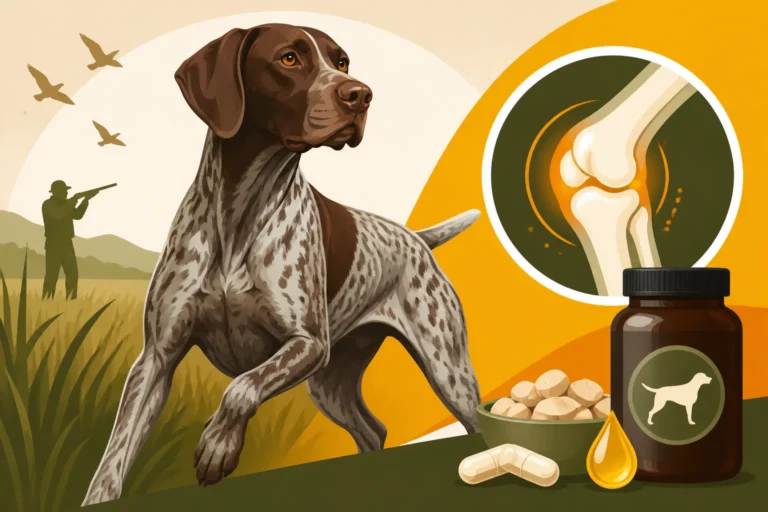
Even with a top-notch diet, certain supplements can provide invaluable support for an aging German Shorthaired Pointer, especially one still active in the field. Joint supplements are almost universally recommended. Ingredients like glucosamine, chondroitin, and MSM can help support cartilage health and reduce inflammation, leading to more comfortable movement. Many reputable brands offer formulas specifically designed for senior dogs or those with joint issues.
Omega-3 fatty acids, particularly EPA and DHA found in fish oil, are powerful anti-inflammatories that can benefit joint health, skin and coat quality (especially as some GSPs develop drier skin with age), and even cognitive function. A good quality fish oil for a German Shorthaired Pointer's skin and overall health can be a fantastic addition. Antioxidants, like vitamins C and E, can help combat cellular damage caused by free radicals, supporting overall health and potentially slowing the aging process. Always discuss any new supplements with your veterinarian to ensure they are appropriate for your dog's specific health needs and don't interact negatively with any medications. Pet insurance providers like Healthy Paws often cover costs associated with prescription medications or therapies recommended by your vet, which can be a relief if ongoing care is needed.
Proactive Health Management: Staying Ahead of the Curve
As our German Shorthaired Pointers mature, their bodies become more susceptible to various health conditions. For those aiming to keep their Shorthair hunting past ten, a proactive approach to veterinary care isn't just beneficial; it's absolutely essential. Early detection and intervention can make a world of difference in managing age-related issues, preserving their comfort, and extending their active years.
The Critical Importance of Regular Veterinary Check-ups
When your German Shorthaired Pointer hits their senior years, those annual vet visits might not be enough. Most veterinarians recommend twice-yearly check-ups for senior dogs, especially active ones. These more frequent visits allow your vet to catch subtle changes that might go unnoticed for months if only seen once a year. Think of it as preventative maintenance for a high-performance vehicle. These check-ups should include a thorough physical exam, listening to heart and lungs, palpating joints, and checking for any new lumps or bumps.
Additionally, comprehensive bloodwork, including a complete blood count (CBC), chemistry panel, and urinalysis, should be standard practice. This yearly bloodwork costs on a German Shorthaired Pointer is a small investment for the insights it provides into organ function, potential infections, and metabolic changes. Early signs of kidney disease, liver issues, or even diabetes can be picked up through these tests, allowing for dietary adjustments or medical interventions before the condition becomes advanced. Thyroid function is also important, as thyroid failure in a middle aged German Shorthaired Pointer is not uncommon and can impact energy levels, coat quality, and weight. Regular monitoring allows your vet to adjust medications as needed, keeping your GSP feeling their best.
Screening for Common Senior Ailments
Beyond general wellness, targeted screenings become increasingly important for a senior hunting Shorthair. Orthopedic exams are crucial to assess for signs of arthritis in a German Shorthaired Pointer at eight and older. Your vet will carefully manipulate their joints, checking for pain, reduced range of motion, and swelling. If arthritis is suspected, X-rays might be recommended to confirm the diagnosis and assess the severity. Early diagnosis allows for a more effective pain management plan and lifestyle adjustments.
Cardiac health should also be regularly evaluated. While a heart murmur a German Shorthaired Pointer puppy can carry might have been monitored from a young age, new murmurs can develop with age, pointing to conditions like dilated cardiomyopathy or valvular disease. Regular dental health checks are also paramount; dental disease in a middle aged German Shorthaired Pointer can be a silent source of pain and lead to systemic health issues if bacteria from the mouth enter the bloodstream. Routine dental cleanings under anesthesia, while an investment, can significantly improve their overall health and comfort. Finally, be diligent about checking for lumps worth removing on a German Shorthaired Pointer, as cancer risk increases with age. Any new lump should be evaluated by your vet promptly.
Effective Pain Management for Comfort and Performance
No one wants to see their once-exuberant hunting partner suffering from chronic pain. When age-related conditions like arthritis or back pain start to impact your GSP's comfort and mobility, developing an effective pain management strategy with your vet is paramount. This isn't about masking pain so they can continue to hunt regardless; it's about providing comfort so they can choose to be active and enjoy their lives.
Non-steroidal anti-inflammatory drugs (NSAIDs) are often the first line of defense for managing joint pain and inflammation. Medications like carprofen, meloxicam, or galliprant can significantly improve comfort, but they require regular monitoring of liver and kidney function through blood tests. For more severe or neuropathic pain, your vet might prescribe other medications such as gabapentin or amantadine, often in conjunction with NSAIDs. Beyond pharmaceuticals, alternative therapies like acupuncture, therapeutic laser treatments, and even canine massage can offer relief for some dogs. Physical therapy for a Shorthair after cruciate surgery or simply for chronic arthritis can also be incredibly beneficial, strengthening supporting muscles and improving range of motion. Organizations like Healthy Paws, a pet insurance provider, can offer peace of mind by helping to cover the costs of these ongoing treatments and therapies, ensuring your senior hunter gets the best care without undue financial strain.
Navigating Age-Related Health Challenges
Even with the most meticulous preventative care, certain health challenges are more common as our German Shorthaired Pointers enter their senior years. Understanding these potential issues and knowing how to best manage them is crucial for maintaining their quality of life and, indeed, their ability to continue enjoying the activities they love, including hunting.
Addressing Arthritis and Joint Issues
Arthritis and other forms of joint degeneration are arguably the most common age-related issues facing active German Shorthaired Pointers. Years of hard running, jumping, and retrieving take a toll on cartilage and connective tissues. You might notice your GSP is stiffer after a nap, has difficulty getting up, or is reluctant to jump into the truck. They might show a subtle lameness that comes and goes, or a general decrease in their willingness to run and play. The good news is, while arthritis isn't curable, it's highly manageable.
Treatment often involves a multi-modal approach. As discussed, NSAIDs and other pain medications play a key role. Joint supplements like glucosamine/chondroitin, green-lipped mussel, and MSM can help support joint health and reduce inflammation. Physical therapy, including hydrotherapy (underwater treadmill), can strengthen supporting muscles without stressing joints. Weight management is also incredibly important; keeping a German Shorthaired Pointer lean significantly reduces the load on compromised joints. Making simple changes at home, like providing beds for a Shorthair with worn out joints or using ramps instead of stairs, can greatly improve their daily comfort. Regular, gentle exercise is still important, but it should be tailored to their comfort level, avoiding high-impact activities or long, strenuous hunts on consecutive days.
Understanding Cognitive Changes and Sensory Loss
Just like humans, some senior German Shorthaired Pointers can experience cognitive decline, often referred to as Canine Cognitive Dysfunction (CCD). This can manifest as disorientation (getting "stuck" in corners, staring blankly), altered social interactions (less greeting, more irritability), changes in sleep-wake cycles, or even house soiling despite being perfectly housetrained for years. While it can be distressing to witness, there are ways to support your dog.
Maintaining a consistent routine, providing mental stimulation through puzzle toys and gentle training, and enriching their environment can help. Some veterinarians may recommend specific diets enriched with antioxidants and omega-3s, or supplements like SAM-e or medium-chain triglycerides (MCTs). Sensory loss, particularly night vision loss in an older Shorthair or hearing impairment, is also common. For vision loss, keep furniture in consistent places, use scent trails, and consider bright lighting. For hearing loss, rely more on hand signals and vibrations (e.g., stomping lightly on the floor to get their attention). Being patient and understanding as they adapt to these changes is key.
Vigilance Against Cancer, a Growing Concern
Unfortunately, the risk of cancer significantly increases as German Shorthaired Pointers age. It's a heartbreaking reality that many GSPs get cancer younger than other breeds. This makes diligent monitoring and early detection paramount for your senior hunter. Common cancers seen in the breed include hemangiosarcoma in an older German Shorthaired Pointer, lymphoma turning up early in a Shorthair, and mast cell tumors, which can appear anywhere on the body.
Regularly check your dog for any new lumps or bumps, not just visually, but by gently running your hands over their entire body. Pay close attention to areas like the armpits, groin, and mouth. When a lump on a Shorthair needs a needle aspirate, your vet will typically perform a fine-needle aspiration (FNA) to collect cells for analysis. While not all lumps are cancerous, prompt evaluation is always best. Be aware of subtle changes in appetite, weight loss, lethargy, or persistent coughing, as these can also be signs of internal cancers. While cancer diagnosis is devastating, early detection can often lead to more effective treatment options, including surgery, chemotherapy, or radiation, potentially extending their quality of life. Pet insurance, such as a comprehensive plan from Healthy Paws, can be invaluable in covering the substantial costs associated with cancer diagnostics and treatment.
Cultivating a Supportive Home Environment
While modifying hunting activities and providing excellent veterinary care are critical, the home environment plays an equally important role in keeping a German Shorthaired Pointer comfortable, happy, and functional past ten. Creating a senior-friendly space demonstrates our love and commitment, allowing them to age gracefully and with dignity.
Making Your Home Senior-Friendly
Think about your home from your senior GSP's perspective. Are there slippery floors that make it hard for them to get traction, leading to falls or further joint strain? Consider laying down runners, non-slip mats, or using paw grips or boots to give them better footing. Flooring that stops an old Shorthair slipping can prevent painful injuries and boost their confidence in moving around. If your GSP still enjoys car rides or sleeping on the bed, consider investing in a ramp or doggy stairs. These simple aids can prevent unnecessary jumps that jar aging joints and help preserve their mobility.
Ensure their favorite resting spots are comfortable and easily accessible. Orthopedic beds for a Shorthair with worn out joints provide cushioning and support, relieving pressure points and promoting better sleep. Place food and water bowls in easily reachable locations, perhaps slightly elevated to reduce neck strain. If they have vision or hearing loss, try to keep furniture arrangements consistent to help them navigate safely and confidently. Minimizing sudden noises or bright lights can also help reduce stress for those with sensory impairments.
Balancing Activity with Essential Rest
It’s tempting to want our senior GSPs to be as active as they were in their youth, but learning to balance activity with essential rest is crucial for their well-being. Their bodies simply can’t recover as quickly, and over-exertion can lead to days of stiffness and discomfort. While daily, gentle exercise is important, these sessions should be shorter and less intense than what a younger dog would undertake. Listen to your dog: if they're panting heavily, lagging behind, or showing signs of stiffness, it’s time to call it a day.
Provide multiple comfortable resting spots throughout the house where they can retreat undisturbed. Ensure they have access to cool, shaded areas in summer and warm, draft-free spots in winter, as their thinner coat offers less protection from cold and heat on a Shorthair. Their sleep patterns might also change, with more naps during the day and perhaps some restlessness at night. Creating a calm, predictable environment can help. The goal is to keep them engaged and moving, but never to the point of exhaustion or pain.
Emotional and Mental Well-being
Beyond the physical, the emotional and mental well-being of your senior German Shorthaired Pointer is paramount. They thrive on routine, companionship, and feeling like a valued member of the family. Continue to include them in family activities, even if it's just sitting beside you while you watch TV or gentle petting sessions. Consistent routines provide security, especially for dogs experiencing cognitive decline or sensory loss.
Gentle praise, positive reinforcement, and continued affection reinforce their bond with you and remind them they are loved. Be patient with them if they have accidents, seem confused, or are slower to respond. Their perception of the world is changing, and they rely on your understanding and compassion. While it's a difficult conversation, also recognize that there comes a time when we must consider knowing when an old Shorthair has had enough. This involves closely monitoring their quality of life, their comfort levels, and their joy in daily activities. Cherish every moment, adapt with love, and celebrate the incredible journey you've shared.
| Aspect | Young GSP (1-6 years) | Senior GSP (10+ years) |
|---|---|---|
| Hunting Duration | Full-day hunts (6-8 hours), multiple consecutive days. | Shorter sessions (2-4 hours), fewer consecutive days. |
| Hunting Intensity | High-speed quartering, challenging cover, long retrieves. | Slower pace, lighter cover, focus on scenting, shorter retrieves. |
| Exercise Routine | Daily strenuous runs, roading, high-impact activities. | Daily gentle walks, swimming, targeted strength exercises. |
| Diet Focus | High-performance, high-calorie formulas. | Senior-specific, lean protein, calorie-controlled formulas. |
| Supplementation | Often none, or basic joint support for heavy work. | Glucosamine/chondroitin, Omega-3s, antioxidants, probiotics. |
| Vet Check-ups | Annually, core vaccinations. | Twice-yearly, comprehensive bloodwork, cardiac, dental. |
| Pain Management | Acute injury treatment. | Proactive management for arthritis, chronic conditions. |
| Home Environment | Little to no special modification. | Non-slip flooring, ramps, orthopedic beds, easy access. |
Disclaimer
This guide offers general information and recommendations for keeping a German Shorthaired Pointer hunting past ten years of age. It is not a substitute for professional veterinary advice. Always consult with your veterinarian regarding your individual dog's health, diet, exercise regimen, and any medical conditions or concerns. Every dog is unique, and personalized care is essential for their well-being.