The Season a Shorthair Starts Hunting Shorter Days
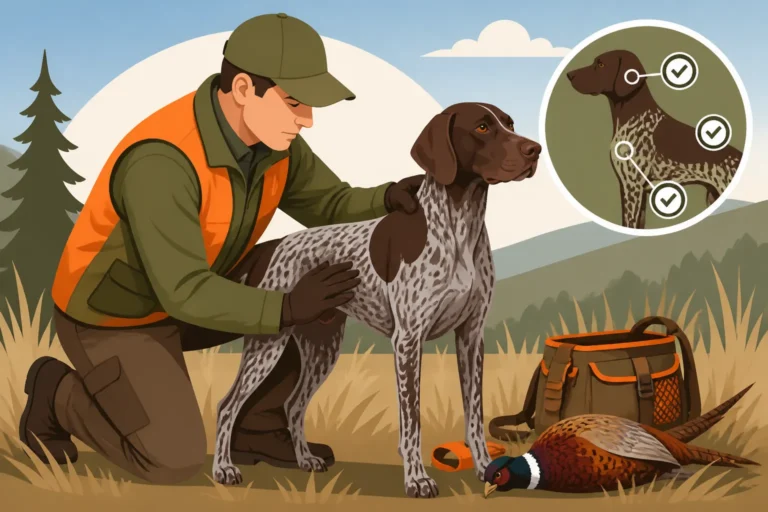
It's a bittersweet moment for any German Shorthaired Pointer owner when you realize your once tireless hunting partner isn't quite the same dog they used to be. As the seasons turn and the days grow shorter, the demands of the field can become a significant challenge for an aging GSP. This guide is here to walk you through understanding these changes, adapting your approach, and ensuring your loyal companion remains comfortable and happy as they enter their golden years of hunting, or perhaps transition gracefully into retirement.
Recognizing When Your Shorthair Needs Shorter Hunting Days
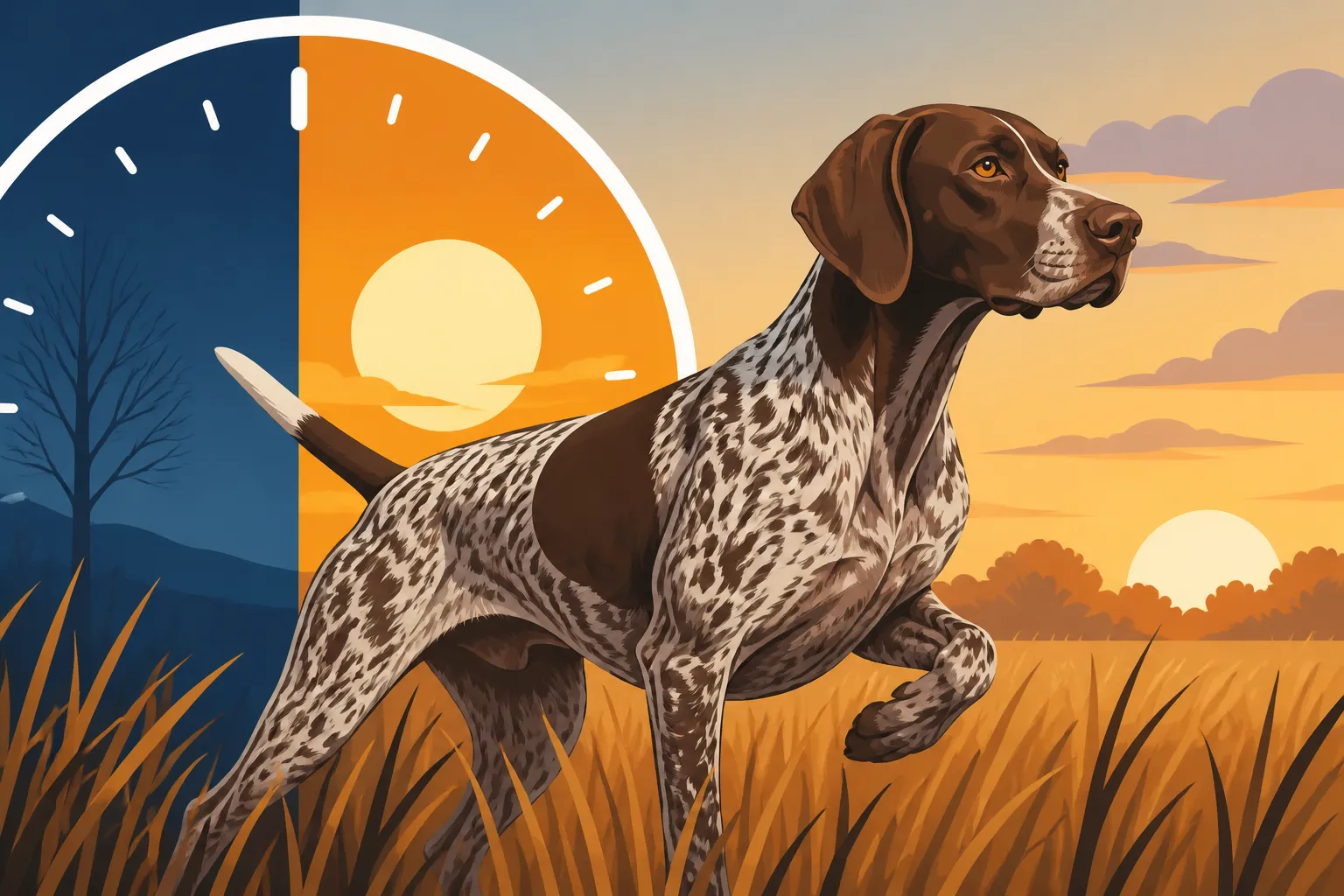
The shift from the long, warm days of early season to the crisp, shorter days of late fall and winter brings with it changes that impact our German Shorthaired Pointers, especially as they age. What was once an all-day affair in the field might now be too much, too soon. It's not just about the daylight disappearing earlier; it's about a combination of environmental factors and your dog's changing physiology. Missing these signs can lead to injury, exhaustion, and unnecessary discomfort for a dog who'd often rather run until they drop than quit.
Understanding Light and Temperature Changes
As daylight hours dwindle, so does the window of optimal hunting conditions. The mornings are colder, the afternoons offer less warmth, and dusk descends rapidly, bringing with it a sharper chill. For a German Shorthaired Pointer, whose short coat offers little insulation, these temperature fluctuations can be particularly taxing. An older dog's ability to regulate its body temperature often diminishes, making them more susceptible to the cold and less efficient at warming up once chilled. This isn't just about comfort; it's about energy expenditure. Their bodies have to work harder to stay warm, burning through precious reserves that would otherwise be used for scenting, running, and retrieving.
Moreover, the quality of light changes. Lower light levels can affect a dog's vision, especially if they are already experiencing age-related eye changes. Navigating dense cover or uneven terrain becomes more hazardous when visibility is reduced, increasing the risk of falls or collisions. This can subtly erode their confidence, making them hesitant in situations they once tackled without a second thought. It's a quiet shift that might go unnoticed until you observe them slowing down, or perhaps taking more cautious steps as the shadows lengthen.
Impact on Dog's Stamina and Recovery
A younger German Shorthaired Pointer might bounce back from a grueling day in the field with little more than a good meal and a long nap. For an older dog, that recovery time extends significantly, and the impact of sustained exertion becomes much more profound. Their cardiovascular system might not be as efficient, their muscles may take longer to repair, and their joints might protest more loudly after a long day. You might notice them sleeping more deeply, having trouble getting up in the morning, or remaining stiff for days rather than hours. This isn't laziness; it's their body sending clear signals that the demands are outstripping their capacity for repair.
The shorter days often mean a compressed hunting schedule, which can inadvertently push an older dog harder in a shorter amount of time. Instead of an eight-hour hunt with intermittent breaks, a four-hour hunt might be packed with the same intensity, leaving less time for their bodies to gradually warm up, cool down, and recuperate between flushes. This accumulation of micro-traumas and fatigue can contribute to faster wear and tear on their joints and muscles, accelerating the onset or worsening of conditions like arthritis. We often expect our GSPs to be the energizer bunnies of the bird world, but even the best batteries eventually lose their charge faster.
Physical Toll of Late Season Hunting on an Older Shorthair
As our beloved German Shorthaired Pointers mature, their bodies, much like our own, start to show the cumulative effects of years of hard work and activity. The late season, with its colder temperatures, tougher cover, and demanding physical exertion, can exacerbate these age-related changes, making what was once routine feel like a monumental effort. It’s crucial for us as owners to be acutely aware of these physical challenges so we can adjust our expectations and provide the necessary support.
Joint and Muscle Degeneration
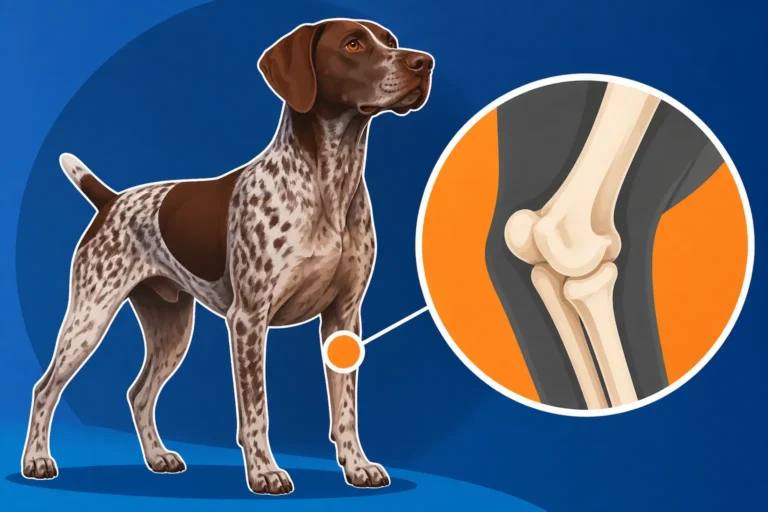
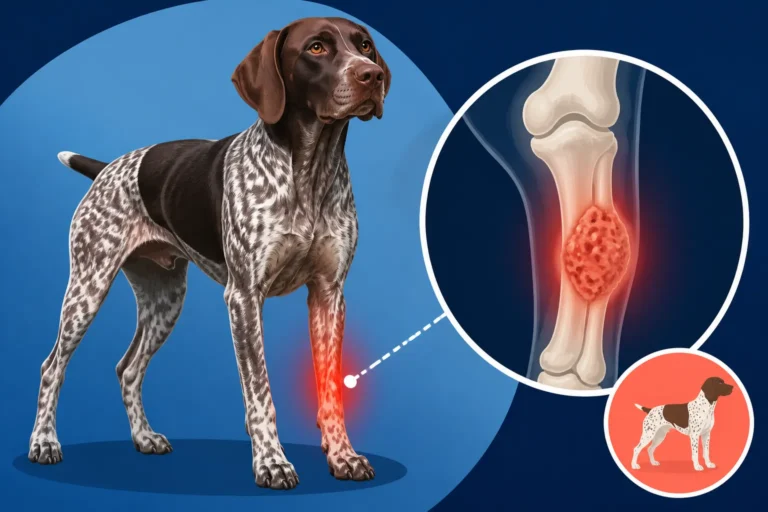
One of the most common and impactful changes in an aging GSP is the onset of joint and muscle degeneration. Years of high-impact running, sudden stops, and powerful leaps take a toll on cartilage and ligaments. Conditions like arthritis become more prevalent, leading to stiffness, pain, and reduced mobility. You might notice your dog is slower to get out of the truck, reluctant to jump over logs, or struggles with stairs at home. In the field, this translates to a less fluid gait, slower turns, and difficulty navigating dense brush or muddy terrain. They might even begin to exhibit a subtle limp after a period of rest or on colder days.
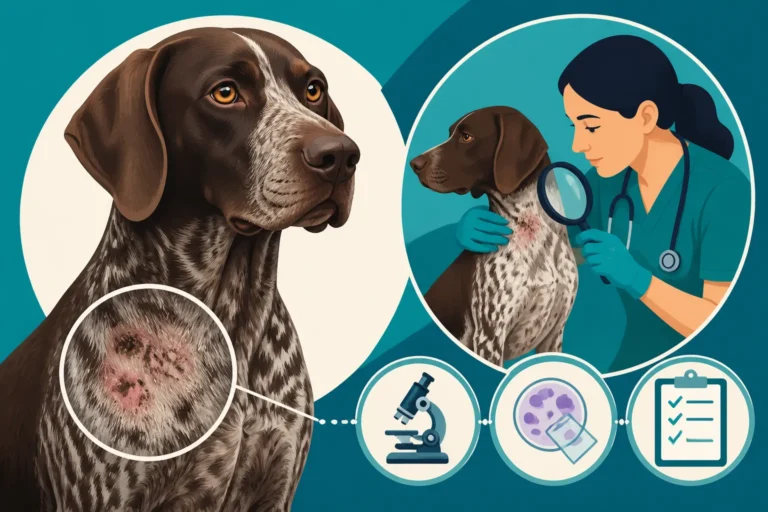
This degeneration isn't always immediately obvious because German Shorthaired Pointers are stoic creatures, often pushing through discomfort due to their inherent drive. They love to hunt, and that passion can mask their pain. This is why watching for subtle signs – a slight hesitation, a less enthusiastic retrieve, or a longer warm-up period – is so important. As they age, it's not just about getting stiff; it can become genuinely painful. For many, understanding Arthritis in a German Shorthaired Pointer at Eight can be a wake-up call, highlighting the need for proactive care. If you're concerned, regular veterinary check-ups become paramount to diagnose and manage these issues effectively.
Decreased Cardiovascular Endurance
A young GSP seems to have an endless motor, running miles without breaking a sweat. As they age, however, their cardiovascular system naturally becomes less efficient. Their heart and lungs might not be able to deliver oxygen to working muscles as quickly or clear metabolic waste as effectively. This means they will tire faster, and their recovery time after bursts of activity will be significantly longer. You might observe them panting more heavily, seeking shade more often, or simply not covering as much ground as they once did. They might even try to "cheat" by cutting corners or sticking closer to you rather than quartering widely.
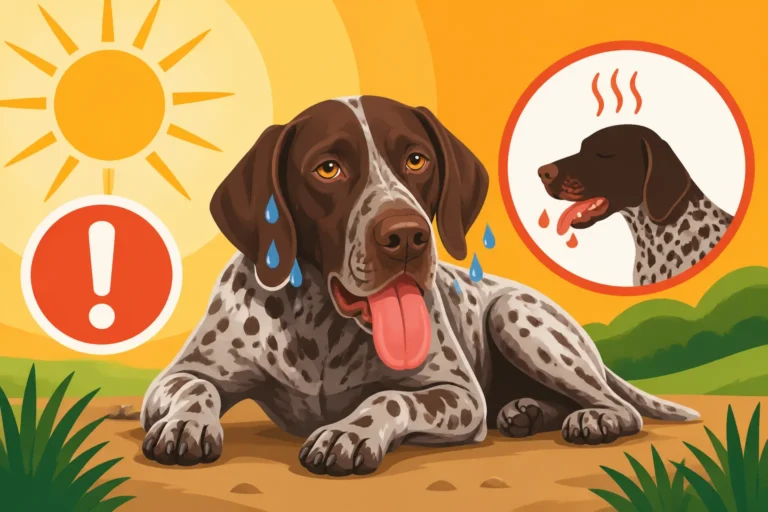
This decrease in endurance is particularly noticeable in late-season hunting when the weather can be more demanding. The effort required to push through heavy snow or frozen ground, coupled with the body's struggle to maintain warmth, places an additional strain on their heart and lungs. It's no longer just about conditioning; it's about the inherent limits of an aging body. Pushing an older dog too hard when their cardiovascular endurance is waning can be dangerous, potentially leading to overheating in warmer late-season days, or hypothermia in colder conditions, even if they aren't showing immediate signs of distress. Always carry plenty of water and know the signs of exhaustion.
Heightened Risk of Injury
An aging GSP, with their stiff joints, reduced muscle mass, and diminished endurance, is at a much higher risk of injury in the field. What was a minor stumble for a young dog could be a serious fall for an older one, leading to sprains, strains, or even fractures. Their reaction time might be slower, making them less agile in avoiding obstacles or recovering from an awkward landing. The cumulative impact of less efficient movement can also lead to chronic issues, exacerbating existing conditions or creating new ones.
The colder, shorter days of late season add another layer of risk. Cold muscles and joints are more prone to injury than warm ones, and the less predictable terrain (frozen ground, icy patches, deep snow) increases the chances of slips and tears. Imagine the kind of impact a dog experiences jumping over a frozen ditch or landing awkwardly while retrieving a bird in thick cover. Torn cruciates, shoulder injuries, and even severe pad damage from abrasive frozen ground are all higher possibilities. This is where proactive care, like ensuring they are properly warmed up before a hunt and providing adequate rest, becomes essential. It’s a sad reality that sometimes, despite our best efforts, injuries occur. Having comprehensive pet insurance, perhaps from a provider like Healthy Paws, can be an absolute lifesaver when unexpected vet bills arise from these field accidents.
Mental and Behavioral Shifts in Aging Hunting Dogs
Beyond the physical slowdown, our German Shorthaired Pointers also experience mental and behavioral changes as they age. Their minds, just like their bodies, can become less sharp, and their once-unwavering drive might temper. These shifts can be just as impactful on their hunting performance and overall well-being as any physical ailment. Understanding these nuances helps us cherish their remaining active years and adjust our expectations gracefully.
Reduced Drive and Enthusiasm
It's hard to imagine a German Shorthaired Pointer without boundless energy and an unshakeable desire to hunt. Yet, for many aging GSPs, that fierce drive and unbridled enthusiasm can gradually diminish. They might still get excited when you pull out the shotgun, but that excitement might not last as long, or translate into the same intense performance in the field. They might be slower to leave the truck, less keen to range far, or more inclined to check in with you frequently. This isn't a betrayal of their breeding; it's simply a natural part of aging.
Sometimes this reduced drive is a direct result of physical discomfort – they hurt, so they don't want to push themselves as hard. Other times, it's a genuine mental slowing, a decreased level of dopamine, or a mild form of canine cognitive dysfunction. The thrill of the chase might not be as all-consuming as it once was. You might observe them pointing less intensely, breaking point more easily, or taking longer to pick up a retrieve. It's a difficult thing for a dedicated hunter to witness in their partner, but it's important not to project human expectations onto them. Their joy might now come from simply being with you in the field, even if their output is less.
Changes in Scenting Ability and Focus
A German Shorthaired Pointer's nose is their superpower, and their laser-like focus on game scent is legendary. However, with age, both of these attributes can begin to wane. Their sense of smell might become less acute, making it harder to pick up faint scent trails or pinpoint birds in dense cover. This can lead to them working harder for fewer rewards, which can be frustrating for both dog and handler. They might bypass birds they would have easily found in their prime, or take longer to work out a scent puzzle.
Coupled with a potential decrease in scenting ability is a decline in focus. Older dogs can become more easily distracted by ambient smells, sounds, or visual stimuli that they once would have ignored. Their attention span might shorten, making it harder for them to stay on task for extended periods. This can manifest as them wandering off point, forgetting commands they once knew flawlessly, or simply losing interest in a bird after a long chase. For many owners, it’s a revelation to learn about The Age a German Shorthaired Pointer Slows in the Field and how these changes are part of a normal progression. It requires immense patience and understanding to work with a dog whose capabilities are not what they once were, and it means adapting your own hunting style to match theirs.
Increased Stress and Anxiety
While some older German Shorthaired Pointers mellow into perfectly calm companions, others can experience increased stress and anxiety as they age. This might be due to a variety of factors: physical discomfort, declining senses making them feel more vulnerable, or even cognitive changes that disrupt their understanding of routines and environments. The hustle and bustle of a busy hunting trip, unfamiliar places, or even loud noises that never bothered them before, might now trigger anxiety. You might notice them pacing, panting excessively, trembling, or seeking constant reassurance.
In the field, this heightened anxiety can make them less effective. A nervous dog is not a confident hunting dog. They might be hesitant to venture far, stick too close, or even become reactive to other dogs or hunters, which was previously uncharacteristic. The joy of the hunt can be overshadowed by their discomfort. It's important to differentiate between a dog that is simply tired and one that is genuinely stressed. Reducing pressure, creating a predictable environment, and offering comfort can go a long way in helping an anxious senior GSP. In some cases, your veterinarian might suggest mild anxiolytics or supplements to help ease their worries. Taking a proactive approach to their mental well-being is just as vital as addressing their physical needs.
Adapting Your Hunting Strategy for a Senior GSP
Realizing your German Shorthaired Pointer isn't the youthful dynamo they once were can be tough. But it doesn't mean their hunting days are over entirely. It simply means you need to adjust your strategy to accommodate their changing needs. Think of it as evolving your partnership rather than ending it. By making thoughtful modifications, you can extend their enjoyment in the field and create new, cherished memories. Many owners strive for Keeping a German Shorthaired Pointer Hunting Past Ten, and adapting your approach is the key to achieving that goal safely and happily.
Shorter Hunts, More Breaks
The days of dawn-to-dusk excursions are likely behind your senior GSP. Instead, embrace shorter, more focused hunts. Consider a two-hour morning hunt, followed by ample rest, or a leisurely afternoon stroll that allows them to explore at their own pace. The goal isn't to cover as much ground or bag as many birds; it's to allow your dog to enjoy the sensory experience of hunting without pushing them past their physical limits. Pay close attention to their body language. If they're lagging, panting heavily, or showing signs of stiffness, it's time to call it a day.
Crucially, incorporate frequent, generous breaks even within these shorter hunts. Find a shady spot or a safe, sheltered area where they can lie down, rehydrate, and catch their breath. Offer them water often – perhaps even some rehydration supplements if it's a particularly strenuous (for them) outing. Don't be afraid to sit down with them, offer a comforting scratch, and let them decompress. These breaks aren't just for physical recovery; they also give their aging minds a chance to process and refocus. Remember, for a senior dog, a successful hunt isn't measured by the game bag, but by the wag of their tail and the sparkle in their eye.
Choosing Easier Terrain
Gone are the days of sending your GSP crashing through impenetrable thickets, scrambling over rock piles, or slogging through waist-deep mud. When hunting with a senior dog, prioritize easier, more forgiving terrain. Opt for open fields, gentle slopes, and areas with lighter cover. Avoid heavily wooded areas with tangled undergrowth, steep ravines, or icy creek beds that could lead to falls or injuries. Think about places where footing is stable and obstacles are minimal.
Even if your favorite hunting spot used to be rugged, seek out different sections or entirely new locations that are more senior-dog friendly. This might mean scouting new public lands or visiting private preserves known for their accessible terrain. The goal is to minimize the physical stress on their joints and muscles, allowing them to conserve energy for scenting and pointing. A dog that can move comfortably will enjoy the experience far more than one struggling through difficult ground. Consider What a Ten Year Old German Shorthaired Pointer Can Still Do and focus on those activities.
Working with a Bracemate
Hunting with a younger, energetic bracemate can be a double-edged sword for a senior GSP. On one hand, the younger dog might find and retrieve more birds, taking some of the pressure off your older companion. On the other hand, the competitive nature of a GSP might push them to try and keep up, leading to overexertion and injury. The key is careful management and understanding the dynamics between the dogs.
If you choose to hunt with a bracemate, ensure the younger dog is well-trained and respects your older dog's space and pace. You might need to rotate dogs, giving your senior GSP shorter shifts or allowing them to work alongside you while the younger dog ranges more widely. The younger dog can act as a "closer," helping locate birds that your senior dog points but can't quite get to. This setup allows your veteran hunter to still participate and enjoy the thrill of the hunt, while the younger dog handles the more physically demanding tasks. It's about teamwork and ensuring everyone, especially your wise old hunter, has a positive and safe experience.
Supporting Your Shorthair's Health in Later Seasons
As your German Shorthaired Pointer moves into their senior years, maintaining their overall health becomes even more critical, especially if you want them to continue enjoying limited hunting opportunities. It’s not just about managing existing conditions, but also about proactively supporting their body and mind to extend their quality of life. Think of it as a comprehensive wellness plan tailored to the needs of a distinguished athlete in retirement.
Nutrition and Supplementation
The dietary needs of an aging German Shorthaired Pointer differ significantly from a younger, actively hunting dog. While a young dog might need high-calorie, high-protein performance food, a senior GSP might require a diet that's easier to digest, lower in calories (if their activity level has decreased), and specifically formulated to support joint health. Look for foods with balanced protein levels to maintain muscle mass without overtaxing their kidneys, and consider options that include ingredients like glucosamine, chondroitin, and omega-3 fatty acids for joint support. Many owners carefully consider Feeding a Senior Shorthair That Has Slowed Down to ensure optimal health.
Beyond their regular diet, targeted supplements can play a crucial role. Joint supplements are almost universally recommended for active senior GSPs, helping to lubricate joints, reduce inflammation, and slow the progression of arthritis. Brands like Cosequin or Dasuquin are popular choices, or even simpler fish oil supplements can offer significant benefits. Additionally, consider antioxidants, probiotics for gut health, and even cognitive support supplements that contain ingredients like SAMe or phosphatidylserine to help maintain brain function. Always discuss any new supplements with your veterinarian to ensure they are appropriate for your dog and won't interact negatively with any medications.
Regular Vet Check-ups and Pain Management
Regular veterinary check-ups become paramount as your German Shorthaired Pointer ages. At least once a year, and ideally twice a year for dogs over the age of eight, a thorough examination can catch potential issues early. These visits should include comprehensive bloodwork to monitor organ function, especially kidneys and liver, and thyroid panels, as conditions like hypothyroidism can become more common. For many, understanding The Vet Schedule a Working Shorthair Should Keep is an essential part of responsible ownership.
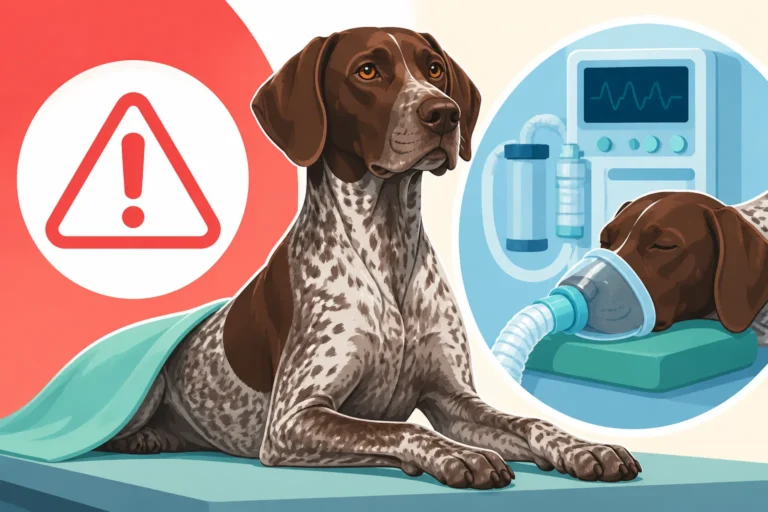
Pain management is another critical aspect. If your GSP is showing signs of arthritis or other chronic pain, your vet can prescribe medications such as NSAIDs (non-steroidal anti-inflammatory drugs) to help manage discomfort. These can dramatically improve their quality of life and allow them to remain more active. However, long-term use of NSAIDs requires careful monitoring, including regular bloodwork, to ensure liver and kidney function remain healthy. Beyond medication, alternative therapies like acupuncture, laser therapy, or even physical therapy can be beneficial in reducing pain and improving mobility. A comprehensive approach, often involving a combination of therapies, gives your senior dog the best chance at comfort. This is where pet insurance, such as Healthy Paws, really proves its worth, helping to cover the costs of these ongoing treatments and specialist visits, giving you peace of mind that you can provide the best care without financial strain.
Maintaining Fitness Off-Season
Just because your GSP is senior doesn't mean they should become a couch potato in the off-season. Maintaining a reasonable level of fitness year-round is crucial for their health and ability to enjoy any future hunting opportunities. Low-impact exercises are key. Daily leash walks, gentle swimming, or even controlled treadmill sessions can help maintain muscle tone, joint flexibility, and cardiovascular health without putting excessive strain on their aging bodies.
Focus on consistency over intensity. Short, regular exercise sessions are far better than sporadic, intense bursts of activity that could lead to injury. During colder months, ensure they are adequately warmed up before starting exercise and kept warm afterward. In warmer weather, always be mindful of overheating. The goal is to keep them mobile and strong, which not only benefits their physical health but also their mental well-being. A dog that feels good will be a happier dog, ready to enjoy whatever adventures you can still share, whether in the field or simply on a quiet walk. Remember that Joint Supplements for a Hunting German Shorthaired Pointer can also aid in keeping them comfortable during these maintenance routines.
Making the Decision to Scale Back or Retire from Hunting
This is perhaps the hardest conversation any owner of a German Shorthaired Pointer will have with themselves. Your dog isn't just a hunting tool; they are a beloved member of your family, and their passion for the field is often infectious. Deciding when to scale back their hunting days, or even when to fully retire them, is an emotional journey filled with conflicting feelings. It’s about putting their well-being and comfort above your own desire to share the field with them.
Recognizing the Signs It's Time
Identifying the exact moment to transition your GSP from active hunting can be incredibly difficult, especially because their drive often masks pain and fatigue. However, there are clear signs to look for. Physically, you might notice persistent lameness after a hunt, extreme stiffness, reluctance to move, or a significant decrease in stamina that even short hunts make them exhausted for days. They might start to lose weight despite eating well, or conversely, gain weight because of decreased activity and a lack of proper diet adjustment. Their coat might lose its luster, and their eyes might look dull. If you find yourself consistently Helping a Stiff Old German Shorthaired Pointer Get Up in the mornings, it's a strong indicator.
Behaviorally, a diminished enthusiasm for the hunt is a major clue. If they used to be ecstatic at the sight of your vest and gun, but now respond with only a mild wag or even hesitation, something has changed. They might lose interest in scent, consistently miss birds, or become easily frustrated. Increased anxiety, panting, or seeking comfort during a hunt are also red flags. Fundamentally, if the joy seems to be replaced by struggle, stress, or pain, it's time to seriously consider their retirement. It's about Knowing When an Old Shorthair Has Had Enough – and sometimes, that tough call is the kindest one you can make.
Transitioning to a Companion Role
Retirement from hunting doesn't mean retirement from life or from being your cherished companion. In fact, for many GSPs, transitioning to a more relaxed companion role can be a wonderful second chapter. The key is to redirect their energy and intelligence in ways that don't involve the physical demands of the field. Daily walks, gentle hikes on easy terrain, and plenty of mental stimulation are still vital. Puzzle toys, scent games (like hide-and-seek with treats), and short training sessions to refresh old commands or learn new tricks can keep their minds engaged and prevent boredom.
Your senior GSP still craves your companionship and purpose. Dedicate time to simply being with them – petting, cuddling, and quiet walks around the neighborhood. For dogs accustomed to high activity, this transition might take some adjustment, both for them and for you. Be patient, understanding, and consistent. Ensure they have a comfortable, warm bed, easy access to food and water, and a calm environment. Their value to your life isn't tied to their hunting prowess; it’s in their unwavering loyalty and companionship. This new chapter can be incredibly rewarding, focusing on comfort, affection, and enjoying a slower pace of life together. And when medical needs arise, knowing that Healthy Paws is there to support you through those vet visits for things like Bloodwork Worth Running on an Older Shorthair or unexpected ailments helps tremendously.
Celebrating a Lifetime of Service
Our German Shorthaired Pointers give us their all, year after year, asking for little in return but food, shelter, and our love. When the time comes to let them step back from their working life, it’s not an end, but an opportunity to celebrate everything they've given. Reflect on all the incredible hunts, the birds found, the retrieves made, and the countless memories forged in the field. These dogs are partners, and their service is worthy of immense gratitude.
Consider creating a photo album or a special tribute to their hunting career. Share stories of their prowess with friends and family. Acknowledge the hole that their absence in the duck blind or pheasant field will leave, but also embrace the new role they've taken on in your home: that of the revered elder, the wise and comfortable presence who still enjoys a gentle scratch behind the ears and a warm spot by the fire. Their contributions to your hunting life are indelible, and honoring their past achievements while providing a comfortable and loving present is the greatest gift you can give them.
Disclaimer
Please remember that this article is intended for informational purposes only and is not a substitute for professional veterinary advice. Always consult with a qualified veterinarian regarding your German Shorthaired Pointer's health, treatment, and any changes to their diet or exercise regimen. Individual needs vary, and only a veterinarian can provide personalized recommendations for your dog.