Heat Stroke in a September Shorthair
The crisp air of September can be so deceptive. You’re ready to hit the field after a long summer, and your German Shorthaired Pointer is buzzing with anticipation. But that early fall enthusiasm often hides a serious danger: the lingering heat and humidity that can quickly turn a glorious hunt into a life-threatening emergency. This guide is here to walk you through exactly why September is still a prime time for heat stroke in our beloved Shorthairs, how to spot the crucial warning signs, and what you need to do to keep your hunting companion safe.
Why September Still Poses a Heat Stroke Risk for German Shorthaired Pointers
It’s easy to breathe a sigh of relief as August fades into September, picturing cooler days and less oppressive humidity. We often drop our guard, assuming the worst of the summer heat is behind us. For a German Shorthaired Pointer, however, this change in mindset can be incredibly dangerous, particularly for those with a high drive for field work. The physical demands on these dogs, combined with environmental factors that are still far from truly "cool," create a perfect storm for heat-related illnesses.
The Illusion of Cooler Weather
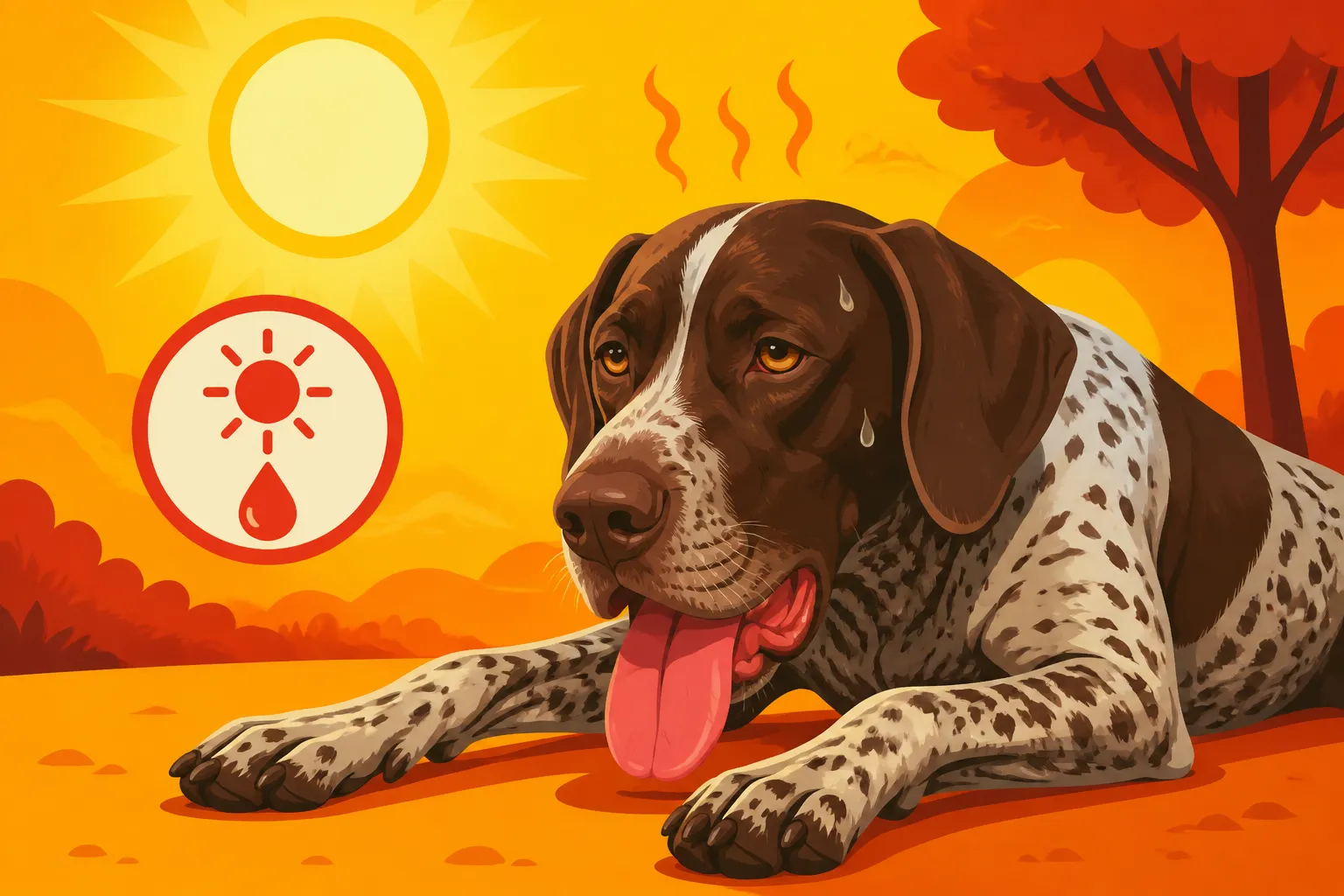
While the calendar might say September, Mother Nature often has other plans. Many regions, especially in the Midwest and South, experience what's known as an "Indian summer" where daytime temperatures can still climb well into the 80s or even 90s Fahrenheit. Add in lingering humidity, which can be surprisingly heavy in the early fall mornings, and the air feels far hotter to a dog than the thermometer might suggest. Our Shorthairs, with their incredible work ethic, aren't built like us; they don't sweat efficiently across their skin. Instead, they primarily rely on panting to dissipate heat. When the air itself is warm and saturated with moisture, that panting mechanism becomes far less effective. They're essentially trying to cool down with already hot, humid air, making the process arduous and often futile when they're exerting themselves. This is a critical factor often overlooked by eager owners.
Acclimation and Conditioning
Another major pitfall in September is the state of your dog's physical conditioning. After a summer of perhaps less intense exercise, or only training in controlled, cooler environments, a German Shorthaired Pointer might not be fully acclimated to sustained, high-intensity work in warmer conditions. Their bodies simply haven't had the gradual build-up of cardiovascular fitness and heat tolerance that would come from a slow, steady progression of training through the hotter months. When the season opens, or even during a vigorous training session, their enthusiasm often outweighs their physical readiness. They will push themselves relentlessly to please you and to find birds, ignoring their body's signals of overheating until it's too late. This sudden surge in activity, without proper conditioning, puts immense strain on their systems. It’s like expecting a human athlete to run a marathon without any prior training, particularly if that marathon is in unseasonably warm weather. Remember, even if you feel comfortable, your Shorthair's internal furnace is running much hotter. This is why Conditioning a Shorthair Before Opening Day is so vital, and not just for muscle tone.
Recognizing the Warning Signs of Heat Stroke
Understanding what heat stroke looks like is absolutely critical, because early intervention can mean the difference between life and death for your German Shorthaired Pointer. It's not always a sudden collapse; often, there are subtle cues that, if recognized, can allow you to act before the situation becomes dire. Don't assume your dog will just stop or slow down; their drive to work can override their discomfort until they literally can't go on.
Early Symptoms
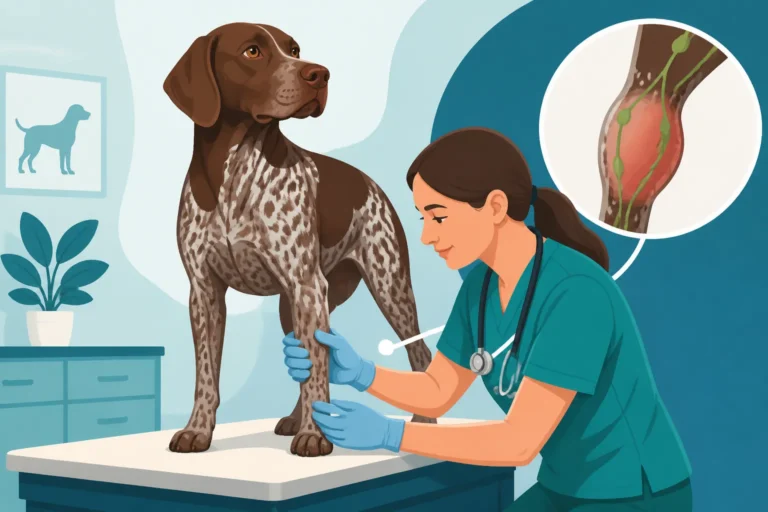
The initial signs of heat stress are often overlooked, especially when your dog is in the zone, working hard in the field. The very first thing you’ll likely notice is excessive, rapid panting that seems more labored than usual. It’s not just the normal heavy breathing after a good run; it's a frantic, almost desperate pant. Their gums might appear brighter red than normal, indicating increased blood flow as their body tries to cool itself down. You might also observe an elevated heart rate, which you can feel on the inside of their hind leg. Other subtle cues include seeking shade more frequently than usual, even when there's game scent, or an unusual lethargy or decrease in their usual energetic demeanor. They might break off a point sooner or show less enthusiasm on the retrieve. Some dogs might also start drooling excessively, with thick, ropey saliva. If you see any of these signs, it's time to stop immediately and assess the situation.
Advanced Symptoms
If those early warning signs are missed or ignored, the situation can escalate rapidly into full-blown heat stroke, a medical emergency that requires immediate and aggressive action. At this stage, symptoms become much more severe and alarming. Your Shorthair might start stumbling, showing significant weakness in their limbs, or even collapse outright. Gastrointestinal issues are common, including vomiting and diarrhea, which can quickly lead to dangerous dehydration. Their gums might shift from bright red to a dark, brick red or even purplish tint, signaling poor circulation and oxygenation. Muscle tremors and seizures can occur as their body's systems begin to shut down due to the extreme internal temperature. In the most severe cases, they may lose consciousness. At this point, every second counts, and delay in treatment can result in irreversible organ damage or death. This is when you realize just how quickly things can go from a fun hunt to a terrifying crisis, and having a plan, and perhaps even pet insurance like Healthy Paws, suddenly becomes incredibly important for managing unexpected emergency costs.
Prevention is Key: Keeping Your Shorthair Safe in Early Fall Heat
Preventing heat stroke in your German Shorthaired Pointer, especially when the September air still feels like summer, boils down to a combination of careful planning, diligent hydration, and smart management of their activity levels. You can’t control the weather entirely, but you can control how your dog interacts with it. Ignoring these precautions is not only irresponsible but can have tragic consequences for such a high-drive breed.
Smart Scheduling and Hydration
The most effective way to prevent your Shorthair from overheating in early fall is to adjust your hunting or exercise schedule. Avoid the hottest parts of the day entirely. Aim for early morning hunts, starting just after dawn, or late evening sessions as the sun begins to set and temperatures drop. Even then, be mindful of humidity. On high-humidity days, the "feels like" temperature can be significantly higher than the actual reading. Frequent, mandatory water breaks are non-negotiable. Don't wait for your dog to show signs of thirst; actively offer water every 15-20 minutes, especially if they're working hard. Carry ample water with you – more than you think you’ll need – and a portable bowl. Consider using a hydration pack or bottles that allow you to spray water directly into your dog's mouth if they're too focused to drink from a bowl. Some owners even carry a small amount of ice to put in their dog's water for an extra cooling effect. Remember the lessons about Watering a German Shorthaired Pointer Through a Long Day, because proper hydration starts long before the hunt.
Conditioning and Gear
Before you even step foot in the field, ensure your German Shorthaired Pointer is properly conditioned for the activity level you're expecting. If they’ve been relatively inactive over the summer, gradually reintroduce them to longer, more strenuous exercise. Just like a human athlete, a dog needs to build up their stamina and heat tolerance slowly. Don't throw them into a full-day hunt without a proper conditioning program. This will reduce their risk of not only heat stroke but also other Field Injuries a Hunting German Shorthaired Pointer Comes Home With.
Beyond conditioning, consider appropriate gear designed for cooling. Cooling vests that you soak in water before use can help keep their core temperature down, especially on the torso where major blood vessels are close to the surface. Cooling bandanas can also offer some relief around the neck. While your Shorthair's pads are tough, rough ground or hot asphalt can still cause issues. Periodically check their paw pads for any signs of tenderness, blistering, or excessive heat. You might even consider boots if the terrain is particularly harsh or the ground is radiating a lot of heat, though many Shorthairs aren't keen on them.
Emergency Preparedness
Even with the best prevention strategies, accidents happen. Being prepared for a heat stroke emergency is just as important as preventing one. Always know the location and phone number of the closest emergency veterinary clinic to where you are hunting or exercising. Have a fully stocked first-aid kit that includes cooling towels, a thermometer to check your dog's internal temperature (rectal thermometers are most accurate), and a supply of fresh water. Make sure your vehicle is ready to transport an injured or sick dog – consider a crate in a well-ventilated area, or a comfortable, shaded spot in the car with the AC blasting.
Having a robust pet insurance plan, such as one from Healthy Paws, can provide immense peace of mind. Emergency vet visits for heat stroke can involve intensive care, IV fluids, medication, and overnight stays, leading to substantial bills. Knowing that a significant portion of these costs could be covered allows you to focus solely on your dog's recovery without the added financial stress. While we hope we never need it, being ready for the worst allows us to enjoy the best our dogs have to offer.
Immediate Actions for a Shorthair Showing Heat Stroke Symptoms
If, despite all your precautions, your German Shorthaired Pointer starts exhibiting signs of heat stroke, time is of the essence. Swift and correct action can significantly improve their chances of survival and minimize long-term damage. Panic is your enemy here; a calm, methodical approach is what your dog needs from you.
Getting Them Cooled Down Quickly
The absolute first priority is to get your dog out of the heat source and start cooling them down. Immediately move your Shorthair into the shade, a cool vehicle with the air conditioning on high, or any available cool spot. Do not use icy cold water directly on their body, as this can cause blood vessels to constrict and actually hinder the cooling process, or even induce shock. Instead, use cool (not cold) water to wet their entire body, focusing heavily on areas where large blood vessels are close to the skin: the armpits, groin, belly, and paw pads. You can also use cool, wet towels placed over these areas, constantly re-wetting them as they warm up. If available, a small fan can help evaporate the water and further cool them down. You can also gently sponge cool water on their head and ears.
While cooling, keep a close eye on their rectal temperature. Once it drops to around 103°F (39.4°C), stop active cooling, as their body temperature can continue to fall, leading to hypothermia, which is another danger. Offer small amounts of water, but do not force them to drink, especially if they are nauseous or struggling to swallow, as this can lead to aspiration. The goal is to lower their core temperature safely and quickly, then immediately get them to professional veterinary care.
Seeking Veterinary Care
Even if your German Shorthaired Pointer appears to improve after your initial cooling efforts, it is absolutely crucial to transport them to the nearest veterinary emergency clinic immediately. Heat stroke can cause internal organ damage that isn't immediately apparent. Kidneys, liver, brain, and heart can all be affected, leading to delayed complications or even death days later. En route to the vet, continue to monitor their condition and maintain a cool environment in the vehicle. Keep cool, wet towels on them if their temperature starts to rise again, but be ready to remove them if they get too cold.
When you arrive at the clinic, be prepared to give the veterinary staff all the details: what happened, what symptoms you observed, what first aid you administered, and for how long. The vets will continue active cooling, administer IV fluids to combat dehydration and support organ function, and monitor for complications such as kidney failure, clotting disorders, or brain swelling. This is a serious, life-threatening condition, and professional medical intervention is non-negotiable. Knowing you have pet insurance, perhaps from a provider like Healthy Paws, can make the decision to seek aggressive and potentially expensive emergency treatment much easier, ensuring your beloved hunting partner gets every chance at recovery. For more general advice on dealing with urgent situations, you might find information on Emergency Fees for a Shorthair Cut Open in the Field useful, as it highlights the costs associated with critical care.
Here’s a quick overview of the key differences in symptoms:
| Symptom Category | Early Heat Stress Indicators | Advanced Heat Stroke Indicators |
|---|---|---|
| Panting | Excessive, rapid, deeper than normal | Frantic, gasping, struggles to breathe, noisy panting |
| Gums/Tongue | Bright red, moist | Dark brick red, purple, pale, dry, sticky |
| Energy Level | Lethargy, seeking shade, slower to respond, less enthusiasm | Stumbling, disorientation, weakness, collapse, loss of consciousness |
| Saliva | Increased drooling, sometimes foamy | Thick, ropey, very excessive drooling |
| Body Temp | 103°F – 104°F (39.4°C – 40°C) | 105°F (40.5°C) and above, potentially reaching 107°F (41.6°C) or higher |
| Other | Restlessness, increased heart rate | Vomiting, diarrhea (often bloody), muscle tremors, seizures, shock |
Disclaimer
The information provided in this guide is for general educational purposes only and should not be considered a substitute for professional veterinary advice. Always consult with a qualified veterinarian for any health concerns or before making any decisions related to your German Shorthaired Pointer's health and treatment. In case of an emergency, contact your veterinarian or a local emergency animal hospital immediately.