E-Collars Built for a Running German Shorthaired Pointer
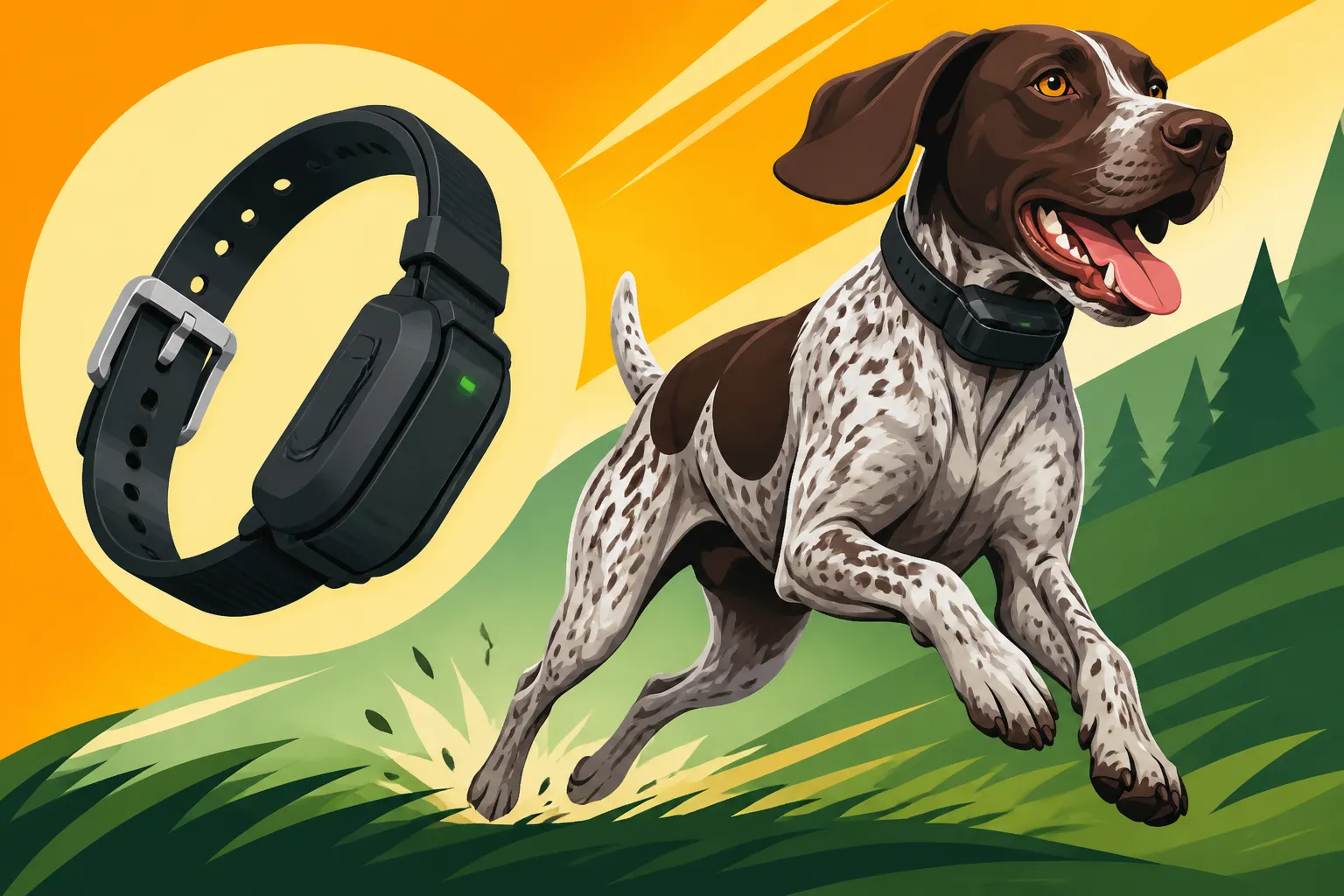
It's a common dilemma for German Shorthaired Pointer owners: how do you give your incredibly energetic, wide-ranging dog the freedom they crave, especially in the field, while still maintaining reliable control? The answer often lies in understanding and properly utilizing e-collars built specifically for a running German Shorthaired Pointer. This guide will dive deep into what makes a good e-collar for these magnificent athletes and how to integrate it safely and effectively into your training.
Understanding the German Shorthaired Pointer's Unique Needs for E-Collars
German Shorthaired Pointers are not just dogs; they're finely tuned athletes with an incredible drive to hunt and explore. Their boundless energy and impressive speed mean they can cover vast amounts of ground in mere minutes, making traditional leash control impractical in many hunting or open-field scenarios.
Why a Standard E-Collar Might Not Cut It for a Shorthair
Many off-the-shelf e-collars are designed for general obedience training or for breeds with lower energy levels and smaller ranges. For a German Shorthaired Pointer, these often fall short. Imagine your GSP, with its nose to the ground, streaking across a wide-open prairie or plunging into dense cover after a bird. A standard e-collar with limited range might lose signal precisely when you need it most, leaving you shouting into the wind and feeling completely helpless.
Furthermore, the robust build and inherent athleticism of a Shorthair means they can be incredibly focused, sometimes to the point of appearing "deaf" to verbal commands when their prey drive kicks in. A cheap, unreliable e-collar simply won't have the consistency or the subtle, layered stimulation options required to gently but firmly break that focus and redirect them. Owners often find themselves frustrated, thinking the tool doesn't work, when in reality, it's just not the right tool for the job. You need something that can keep up with their pace and determination.
The Importance of Range and Durability for an Active Dog
When you have a German Shorthaired Pointer, you know that "a walk in the park" often translates to a full-on expedition. Whether you're hunting upland birds in vast fields or just letting them burn off energy on a large property, your Shorthair could be hundreds of yards away in a flash. This is where the extended range of a specialized e-collar becomes non-negotiable. We're not talking about a suburban park; we're talking about open country where line of sight can be easily broken by rolling hills, tall grass, or thickets. A reliable signal that can penetrate light cover and maintain connection over long distances is absolutely crucial for both safety and effective communication.
Beyond range, durability is paramount. These dogs are built for rugged environments. They crash through brush, dive into icy ponds, and roll in whatever interesting scents they find. Their equipment needs to withstand mud, water, dust, and constant impact. A flimsy e-collar that breaks down after a few trips afield or isn't truly waterproof will quickly become a wasted investment and, more importantly, a liability. You need gear that's as tough and reliable as your Shorthair itself.
Considerations for a Shorthair's Sensitive Skin and High Drive
While Shorthairs are tough, they also have surprisingly sensitive skin, especially compared to some thicker-coated breeds. The short, dense coat offers little padding, meaning that ill-fitting e-collars or those with cheap contact points can cause irritation, rub spots, or even pressure sores if not properly managed. This isn't just uncomfortable; it can lead to negative associations with the collar, undermining your training efforts. Proper fit and regular checks are essential.
Their high drive also means that they respond best to clear, consistent, and fair communication. An e-collar isn't a magic button to stop unwanted behavior instantly; it's a communication tool. For a German Shorthaired Pointer, which lives to work and please, the e-collar should be introduced and used in a way that guides them, reinforces positive choices, and gently corrects when necessary, without crushing their spirit or making them fearful. Understanding What Sets Off a Shorthair's Seizures can help an owner be aware of general sensitivity, though not directly related to e-collar use. Their drive means they can learn quickly, but they also get bored or frustrated easily if the training isn't engaging or consistent.
Key Features to Look for in a Running German Shorthaired Pointer E-Collar
Choosing the right e-collar for your running German Shorthaired Pointer isn't just about picking the first one you see. It's about selecting a piece of equipment that truly complements their active lifestyle and your training goals. Think of it as investing in a communication device that allows you to "talk" to your dog from a distance.
Assessing Range and Signal Reliability in Varied Terrain
For a German Shorthaired Pointer, a basic quarter-mile range just isn't going to cut it in many hunting or expansive outdoor settings. You should be looking for e-collars advertised with at least a half-mile, and ideally a three-quarter mile to one-mile range. However, advertised range is often an "ideal conditions" measurement. Real-world performance can be affected by factors like dense foliage, hills, buildings, and even weather.
Look for systems that boast strong signal penetration and reliability, perhaps with advanced antenna designs or digital signal processing. Some models offer GPS tracking integration, which is a fantastic safety net for a wide-ranging GSP, helping you locate them even if they lose focus or get lost. This dual functionality, combining control with location services, can be invaluable. It also helps to consider What a GPS Tracking Collar Costs a Shorthair Owner when evaluating these advanced systems. Always test the actual range in the environments where you'll be using it most before relying on it in critical situations.
Ergonomics and Comfort for Long Periods of Wear
Your Shorthair will be wearing this collar for extended periods, especially during hunts or long training sessions. Comfort is key to preventing discomfort and negative associations. Look for lightweight receivers that don't bounce or interfere with their natural movement. The strap itself should be made from durable, flexible material that doesn't chafe. Biothane is a popular choice for its durability and ease of cleaning.
The contact points are another critical component. While stainless steel is common, some dogs with sensitivities might do better with different materials or designs. Ensure the collar comes with various contact point lengths so you can achieve good skin contact without being overly tight or causing pressure. Regularly checking for Skin Infections Under a Shorthair's Short Coat or irritation beneath the collar is absolutely vital to ensure their comfort and prevent issues. Proper fit means you should be able to slide two fingers comfortably under the strap once it's on your dog's neck.
Waterproofing and Battery Life for All-Weather Use
A German Shorthaired Pointer doesn't care if it's raining, snowing, or if there's a stream to cross; they're going to go where the scent takes them. Your e-collar absolutely must be fully waterproof, not just "water-resistant." This means both the receiver on the dog's collar and the handheld remote. Look for IPX7 or IPX8 ratings, indicating it can be submerged in water. Without this, a sudden downpour or a quick swim could render your expensive equipment useless.
Battery life is equally important. A dying battery mid-hunt is not just inconvenient; it's potentially dangerous if you lose control of your dog. Many modern e-collars use rechargeable lithium-ion batteries that offer quick charging and long operational times – often 40-60 hours of use on a single charge. Consider systems with battery level indicators on both the remote and the receiver, so you're never caught off guard. Some remotes also feature a "sleep mode" to conserve power during periods of inactivity.
Different Stimulation Levels and Safety Features
The ability to finely adjust stimulation levels is crucial for tailoring the correction to your individual dog's temperament and the specific situation. German Shorthaired Pointers can be sensitive, so a collar with a wide range of low-level stimulations (from 1 to 100 or more) allows you to find the "nick" level that just gets your dog's attention without startling or hurting them. Many quality e-collars offer momentary (nick) and continuous stimulation options, along with vibrate and tone functions. The vibrate is often a fantastic initial attention-getter for a GSP.
Safety features are non-negotiable. Look for a safety lock on the remote to prevent accidental stimulation. Some remotes have different buttons for different functions (nick, continuous, vibrate, tone) to reduce confusion. Understanding Conditioning a Shorthair to the E-Collar Properly involves starting with very low levels and gradually increasing only if necessary, ensuring your dog understands what is being asked. The goal is always clear communication, not punishment. If the collar has a "boost" feature, ensure it's easily accessible but not prone to accidental activation.
| Feature | Why It Matters for a GSP |
|---|---|
| Range | 1/2 to 1 mile, critical for wide-ranging field dogs. |
| Durability | Weatherproof (IPX7/IPX8), impact-resistant for rugged use. |
| Comfort | Lightweight receiver, flexible strap (Biothane), varied contact points. |
| Battery Life | Long-lasting (40+ hours), quick recharge, battery indicators. |
| Stimulation | Wide range (1-100+), momentary/continuous, vibration, tone options. |
| Safety Features | Remote safety lock, distinct buttons, proper fit guidance. |
| GPS (Optional) | Added security for location tracking in vast areas. |
Popular E-Collar Brands and Models for High-Energy Breeds
When it comes to outfitting your German Shorthaired Pointer with an e-collar, you'll quickly find that certain brands rise to the top for their reliability, durability, and features specifically geared towards hunting and working dogs. These aren't your average pet store collars.
Top Picks for German Shorthaired Pointers
Several reputable brands consistently deliver high-quality e-collars suitable for the demands of a German Shorthaired Pointer. Brands like SportDOG, Garmin, and Dogtra are often recommended by experienced trainers and avid hunters.
-
SportDOG: Known for their robust, no-nonsense designs and excellent range, SportDOG offers models like the SportHunter and WetlandHunter series. These are often favorites because they're built to withstand the elements, have good battery life, and provide a reliable signal even in challenging terrain. The remote controls are usually intuitive, allowing for quick adjustments, which is vital when your dog is working birds. They often come with multiple levels of static stimulation, vibration, and tone, making them versatile for various training scenarios.
-
Garmin: While often associated with GPS tracking, Garmin also produces excellent e-collar systems, sometimes combining both functionalities, which is a huge advantage for a wide-ranging GSP. The Alpha and Pro series are particularly popular. The Alpha series, for example, allows you to track multiple dogs and control them with an e-collar from a single handheld device, making it perfect for those who run multiple dogs or want the ultimate peace of mind regarding their dog's whereabouts. Their systems are typically rugged, waterproof, and offer precise control.
-
Dogtra: Dogtra collars are praised for their fine-tuned control, offering incredibly precise adjustments in stimulation levels. This is excellent for sensitive Shorthairs, as you can dial in the exact "nick" level without over-correcting. Models like the 1900S or the ARC are sleek, durable, and deliver consistent performance. They often focus heavily on the quality of stimulation and the ergonomics of the remote, ensuring comfortable and effective use during long training sessions or hunts.
When considering where to purchase, large pet supply retailers like Chewy often carry a good selection of these reputable brands, allowing you to compare features and prices. However, sometimes specialized hunting dog supply stores or websites might offer a wider range of high-end, field-specific models or bundles.
Comparing Features and Price Points
Each brand and model will come with its own unique set of features and, naturally, a corresponding price tag. Generally, you'll find a spectrum from solid, entry-level field collars to sophisticated multi-dog GPS tracking and e-collar combos.
For basic training and off-leash control in open areas, a reliable SportDOG SportHunter or a basic Dogtra model might suffice. These typically offer excellent range (up to 1 mile), waterproof construction, and a good array of stimulation levels, vibration, and tone. They represent a significant investment but are built to last.
If you're looking for the ultimate in safety and capability, especially if your Shorthair hunts alone or covers vast, unfamiliar territory, a Garmin Alpha system with integrated GPS tracking might be worth the higher price point. The ability to see exactly where your dog is at all times, coupled with effective communication, provides unparalleled peace of mind. This can be particularly reassuring when your GSP is ranging far and wide, out of sight. Remember that features like extended range, multi-dog capability, and GPS integration will push the price higher. It's crucial to weigh your needs, the environments you'll be in, and your budget.
Reading Reviews and Seeking Expert Opinions
Before making a significant investment, thoroughly research the specific model you're considering. Online reviews, particularly from other German Shorthaired Pointer owners or those with similar high-energy, hunting breeds, can offer invaluable real-world insights into a collar's performance and durability. Pay attention to comments regarding signal reliability, battery life, customer service, and how the collar holds up to harsh weather or rough use.
Don't just skim the five-star reviews; look for recurring complaints or issues that might be red flags. It's also incredibly beneficial to talk to experienced German Shorthaired Pointer trainers, breeders, or fellow hunters. They often have firsthand experience with various brands and models and can offer tailored advice based on your dog's temperament and your specific activities. Many will share their insights on When an E-Collar Belongs on a German Shorthaired Pointer and how to pick the right one. Attending local hunt tests or field trials can also be a great way to see different e-collars in action and even chat with owners directly about their equipment choices.
Training Principles When Using an E-Collar with a German Shorthaired Pointer
Using an e-collar effectively with a German Shorthaired Pointer is more about precise communication and positive reinforcement than it is about punishment. These dogs are intelligent, sensitive, and eager to please, and the e-collar should be an extension of your voice, not a substitute for proper training.
Introducing the E-Collar Positively and Gradually
The first step is critical: introduce the e-collar in a non-threatening, positive way. Never put the collar on your dog and immediately use stimulation. Let your Shorthair wear the unactivated collar during regular activities – feeding, walks, playtime – for several days or even weeks. The goal is for them to associate the collar with everyday life, not with any discomfort or correction. You want them to be completely comfortable with it as just another piece of gear, like their regular buckle collar.
Once they're accustomed to wearing it, begin with very low-level stimulation. Most trainers recommend finding your dog's "working level," which is the lowest level of stimulation your dog perceives. This might be a subtle twitch of an ear, a momentary pause, or a quick glance. Start with the vibrate or tone function, which can be an excellent way to gain your Shorthair's attention without any static stimulation. Use these functions as a "tap on the shoulder" before issuing a verbal command. For example, press the vibrate button, then immediately say "Come." When they comply, reward them enthusiastically. This positive association is key for a breed that thrives on engagement and a strong bond with its owner.
Establishing Basic Commands Before Field Work
An e-collar is not a shortcut for basic obedience training. Before you even think about using it in the field, your German Shorthaired Pointer should have a solid understanding of fundamental commands like "Come," "Sit," "Stay," and "Heel" on a long line or leash. The e-collar's purpose is to reinforce these known commands at a distance, to extend your reach, not to teach them from scratch.
Practice these commands in controlled environments first, gradually introducing distractions. When using the e-collar for reinforcement, the sequence should always be: Command > E-collar stimulation (if necessary) > Praise/Reward. For example, when practicing recall, give the "Come" command. If your Shorthair hesitates or ignores you, apply low-level continuous stimulation while repeating "Come" until they turn and start moving towards you. Release the stimulation immediately when they respond and lavish them with praise and a treat. This teaches them that turning off the stimulation is their choice by complying with your command. Consistent practice helps build reliable Recall on a German Shorthaired Pointer That Is Locked On.
Using the E-Collar for Reinforcement, Not Punishment
This is perhaps the most crucial principle for training a German Shorthaired Pointer with an e-collar. The collar is a communication tool for reinforcement and guidance, not for punishment or anger. If you use it to inflict pain or out of frustration, you risk creating a fearful, shut-down, or collar-shy dog, which can ruin their drive and willingness to work.
The static stimulation should be just enough to get your dog's attention and communicate that they need to respond to a known command. It should never be harsh or prolonged. Think of it as a subtle nudge, not a shock. Always pair the e-collar input with a verbal command, ensuring your dog understands what they are being corrected for or what they should be doing. Consistency is also vital. If you use the e-collar for a certain command, use it every time, especially in the early stages, so your dog clearly understands the correlation. This careful approach helps avoid Whether an E-Collar Damages a Soft Shorthair.
Progressive Training for Advanced Field Handling
Once your German Shorthaired Pointer has a solid foundation with the e-collar and basic commands, you can begin to apply it to more advanced field handling scenarios. This includes extending their range, steadying them to wing and shot, and teaching them to quarter efficiently.
-
Extending Range: Start by practicing recall and directional commands (like "Over" or "Hup") at increasing distances. The e-collar allows you to maintain control even when your Shorthair is far away, helping them understand that commands apply no matter how much ground they cover. This is particularly useful for Teaching a Shorthair to Quarter in Front of You.
-
Steadying to Birds: For hunting Shorthairs, the e-collar is invaluable for teaching "whoa" and steadiness around birds. Begin with simple whoa post work, then move to flushing birds. If your Shorthair breaks point or chases a flushed bird before commanded, a timely, low-level stimulation paired with a firm "Whoa!" can help correct the behavior and build solid habits. This takes patience and many repetitions.
-
Proofing Behaviors: Use the e-collar to proof behaviors in highly distracting environments. If your Shorthair is locked onto a scent and ignores your recall, a well-timed, low-level continuous stimulation can break their focus and remind them to listen. The goal is to make their response to your command automatic, even under the highest drive. Remember, the ultimate goal is to fade the e-collar's use over time, so your Shorthair responds reliably to verbal commands alone.
Maintenance and Care for Your German Shorthaired Pointer's E-Collar
Just like any other piece of critical equipment, your e-collar needs regular care and attention to ensure it functions reliably and safely for your German Shorthaired Pointer. Neglecting maintenance can lead to equipment failure or, more importantly, discomfort for your dog.
Cleaning and Storing Your E-Collar for Longevity
After every outing, especially in muddy, dusty, or wet conditions, take a few minutes to clean your e-collar system. Wipe down the receiver and the remote with a damp cloth to remove dirt, debris, and moisture. For Biothane straps, a quick rinse under the tap is usually sufficient. Pay close attention to the contact points; these can accumulate grime, skin oils, and dead skin cells, which can interfere with the connection and potentially irritate your dog's skin. Use a small brush or a cotton swab to clean around the contact points thoroughly.
Ensure both the receiver and remote are completely dry before storing them. Never put away wet electronics, as this can lead to corrosion and damage. Store your e-collar in a clean, dry place, away from extreme temperatures. Many owners keep their e-collar in their dog bag alongside other essentials like first-aid supplies and Electrolytes for a German Shorthaired Pointer in the Field. This ensures it's always ready for the next adventure and protected from unnecessary wear and tear.
Checking for Skin Irritation and Proper Fit
This is perhaps the most critical aspect of e-collar care for your German Shorthaired Pointer. Due to their short, fine coat and active nature, Shorthairs can be prone to skin irritation if the collar isn't fitted correctly or if it's left on for too long without breaks.
Every single time you remove the e-collar, thoroughly inspect your dog's neck at the contact points. Look for redness, sores, scabs, hair loss, or any signs of irritation. If you find any, discontinue use immediately and allow the skin to heal completely. You might need to adjust the collar's position, switch to different contact point lengths, or use a comfort pad. Rotating the collar's position on the neck periodically can also help prevent pressure points.
The collar should be snug enough for the contact points to make consistent contact with the skin, but not so tight that it restricts breathing or causes constant pressure. You should be able to comfortably slide two fingers under the strap. If it's too loose, the collar might shift, leading to inconsistent stimulation or rubbing. If it's too tight, it can cause severe irritation. Never leave an e-collar on your dog for more than a few hours at a time, and always remove it when your dog is unsupervised. Regularly performing Checking a German Shorthaired Pointer Over After a Hunt includes inspecting the collar area.
Battery Management and Troubleshooting Common Issues
Good battery management is key to reliable e-collar performance. Most modern e-collars use rechargeable batteries. Develop a routine for charging your remote and receiver. Many owners charge them after every serious outing, or at least once a week, to ensure they're always ready. Avoid letting the batteries completely drain repeatedly, as this can shorten their overall lifespan.
If you encounter issues, start with basic troubleshooting:
- No Stimulation: First, check the battery levels on both the remote and receiver. Ensure the collar is turned on and paired correctly. Verify the contact points are clean and making proper skin contact. Sometimes, a simple recalibration (following manufacturer instructions) can resolve connection issues.
- Intermittent Signal: This could be a range issue, interference, or a low battery. Try moving closer to your dog or charging the units.
- Skin Irritation: As mentioned, this is usually a fit issue, contact point length, or leaving the collar on too long.
- Remote Not Working: Check remote battery, ensure it's not on "lock" mode, and try re-pairing it with the receiver.
Always refer to your e-collar's specific user manual for detailed troubleshooting steps and maintenance guidelines. Don't hesitate to contact the manufacturer's customer support if you can't resolve an issue yourself.
Alternatives and Complementary Tools for Off-Leash Control
While e-collars can be incredibly effective for off-leash control with a running German Shorthaired Pointer, they are not the only solution, nor should they be used in isolation. A well-rounded approach integrates multiple tools and training methods to build a truly reliable and confident dog.
Long Lines and Whistle Commands as Foundations
Before an e-collar ever enters the picture, a long line is an indispensable tool for teaching and solidifying off-leash commands. A 30-foot or 50-foot long line allows you to simulate off-leash freedom while maintaining a physical connection and the ability to gently correct or guide your Shorthair. It teaches them the meaning of commands like "Come" or "Whoa" at a distance, without the pressure of an e-collar, ensuring they understand the expectation. Many trainers use long lines to teach The Structure a German Shorthaired Pointer Needs Daily and build consistency.
Whistle commands are another incredibly effective and often overlooked tool, especially for wide-ranging breeds like the GSP. A whistle carries further than your voice, cuts through wind and dense cover, and always sounds the same, removing any emotional tone from your commands. Teaching your Shorthair to respond to a "come" whistle or a "stop" (whoa) whistle from a young age creates a distinct, reliable communication channel. These foundational tools build the understanding and reliability that the e-collar then reinforces at even greater distances and under higher distractions. Learning Whistle Commands a Shorthair Should Know is a critical step in any field dog's education.
Advanced Obedience Training and Relationship Building
The most reliable off-leash control ultimately stems from a strong foundation in obedience training and a deep, trusting relationship with your German Shorthaired Pointer. Enrolling in advanced obedience classes or working with a professional trainer who understands the GSP's drive can be invaluable. This goes beyond just basic commands and focuses on developing a dog that wants to listen and work with you, even when highly distracted.
Focus on engagement exercises, where your Shorthair learns to check in with you frequently, regardless of what's happening around them. Games that build focus and retrieve drive, as well as mental stimulation like puzzle feeders and scent games, can help channel their energy constructively. A Shorthair that is well-exercised, both physically and mentally, and feels a strong bond with its owner is far more likely to respond to commands than one that is bored, under-stimulated, or has a weak relationship with its handler. Remember, a German Shorthaired Pointer needs The Two Hours a Day a German Shorthaired Pointer Needs of focused exercise and engagement.
Why E-Collars are a Tool, Not a Crutch
It's vital to view the e-collar as a sophisticated training tool, not a magical solution or a substitute for proper training. It's an extension of your communication, designed to reinforce known commands and provide consistent feedback, especially in environments where verbal commands might be missed.
Over-reliance on an e-collar without building a strong foundation in obedience can lead to a dog that only listens when the collar is on, or worse, one that becomes fearful or resentful of the device. The goal is always to eventually fade the need for constant e-collar intervention, allowing your German Shorthaired Pointer to operate reliably on verbal commands and whistle cues. The e-collar simply provides the means to achieve that reliability more efficiently and safely in a breed known for its impressive range and prey drive. With diligent training, consistent positive reinforcement, and a balanced approach, your Shorthair can enjoy the freedom of running while remaining safely under your control.
Disclaimer
This article is for general informational purposes only and does not constitute professional advice. Laws, prices and regulations vary by location and change over time. Consult a qualified professional for guidance on your specific situation.