A Shorthair That Hides at Thunder but Hunts Fine
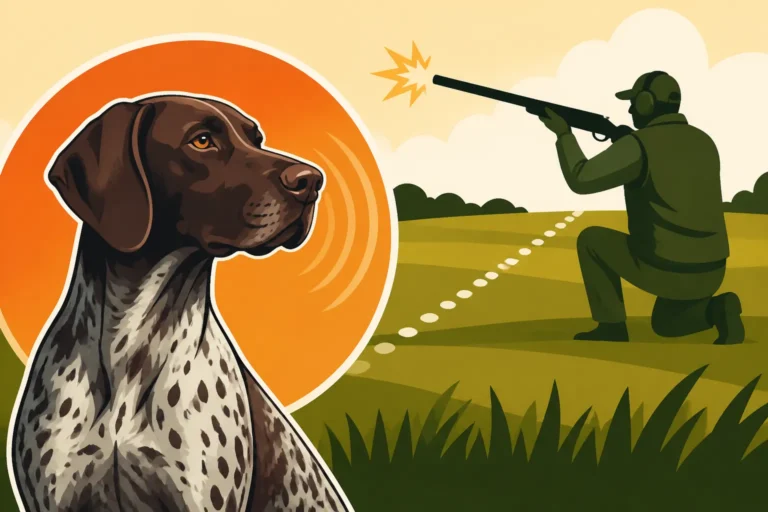
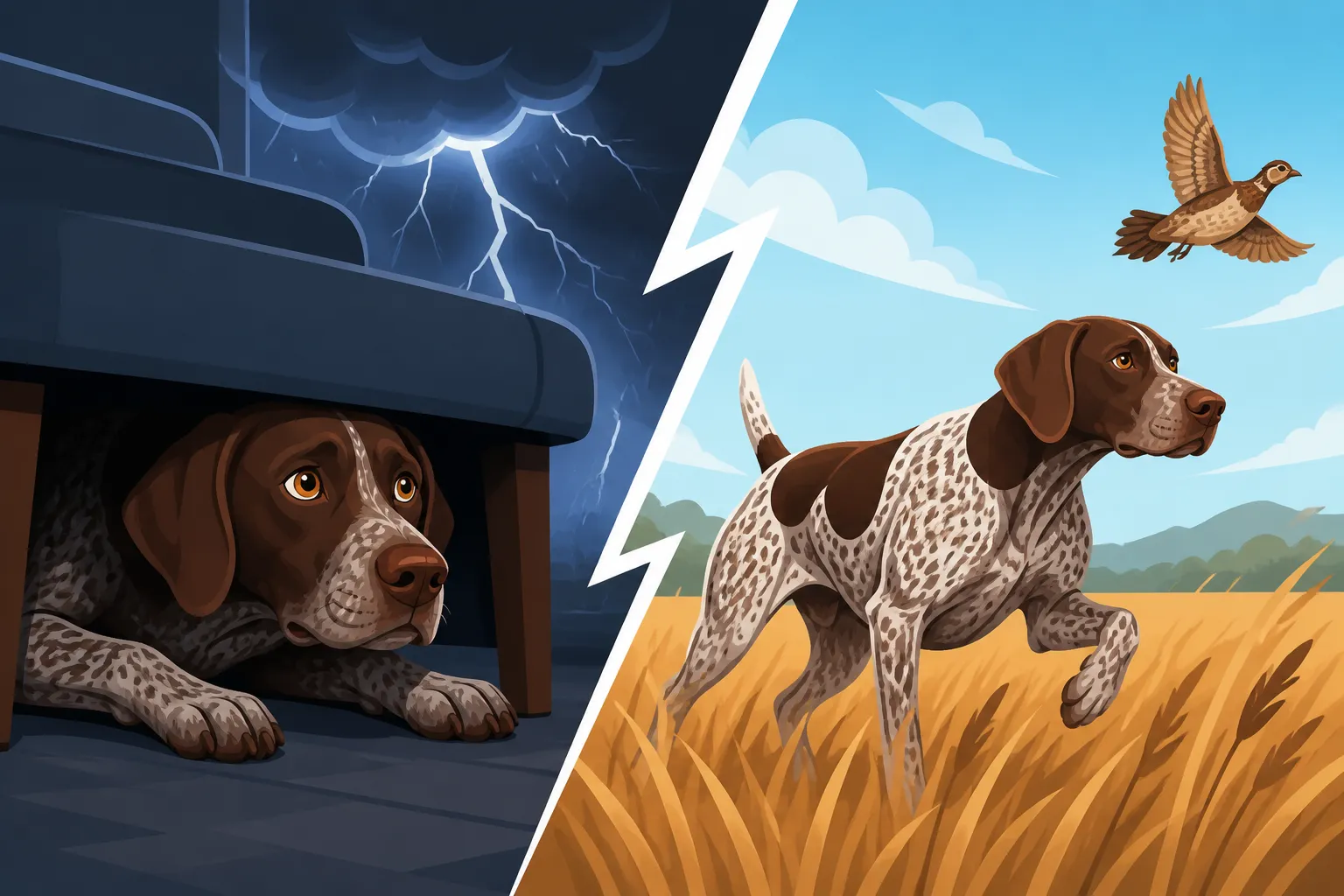
It’s a peculiar puzzle, isn't it? You have this incredible German Shorthaired Pointer, a true dynamo in the field, unfazed by the roar of the shotgun, the whir of a flushing pheasant, or the splash of a duck hitting the water. Yet, the moment a summer thunderstorm rolls in, your brave hunting companion transforms into a quivering mess, hiding under the bed or in the closet. This guide is for every GSP owner who has witnessed this perplexing dichotomy, helping you understand why your shorthair acts this way and how you can support them through their fear of thunder without compromising their confidence in the field.
Understanding the Nuance Between Gun Shyness and Noise Phobia
The first step in helping your German Shorthaired Pointer is to truly understand that what you're observing isn't a contradiction, but rather two distinct responses to different stimuli. It's a common misconception that if a dog is afraid of thunder, they must be "gun shy," or vice-versa. With GSPs, especially those bred for work, we often see a strong genetic predisposition for sound temperament around gunfire. They're literally bred for it. However, this doesn't inoculate them against other types of loud, often unpredictable, noises.
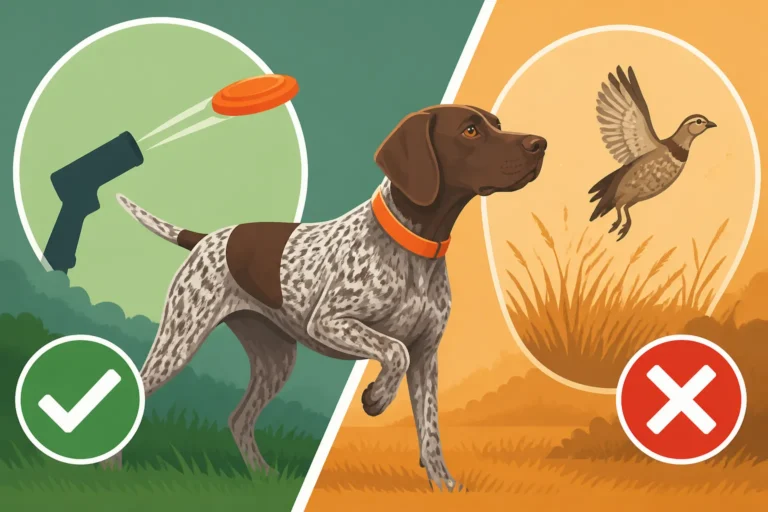
The key lies in the context and characteristics of the sound. Gunfire during a hunt is typically associated with highly engaging, rewarding activities – the chase, the point, the retrieve, the praise. It's often predictable within the context of a hunt. Thunder, on the other hand, is a chaotic, often infrasound-heavy experience, accompanied by atmospheric changes like barometric pressure drops, static electricity, and intense flashes of light. These factors combine to create a much more complex and often terrifying sensory overload for a dog.
The Specific Nature of Gun Shyness in German Shorthaired Pointers
Gun shyness, in its truest form, is a severe aversion to the sound of gunfire, usually resulting from negative experiences or, in some cases, a genetic predisposition to extreme sound sensitivity. A gun-shy dog will often cower, attempt to flee, or shut down completely at the sound of a gun, even in a hunting context. This behavior is deeply problematic for a bird dog, as it directly interferes with their ability to perform their intended work. Breeders of quality German Shorthaired Pointers work incredibly hard to select for sound temperament and introduce puppies to gunfire carefully to prevent this issue. You can read more about dealing with this specific issue in Fixing a Gun Shy German Shorthaired Pointer or understanding Signs a German Shorthaired Pointer Has Gone Gun Shy. If your GSP hunts fine, then you likely don't have a gun-shyness issue in the traditional sense.
Think about it from your dog’s perspective. During a hunt, the sound of the gun is a signal, a cue for action. It’s part of a rewarding sequence: bang, bird down, retrieve, praise, repeat. This positive reinforcement, often built over many successful training sessions and real-world hunts, creates a strong, positive association with the gunshot. Your GSP has learned to interpret that specific sound as a signal for something good to happen, something exciting and fulfilling. The adrenaline, the focus, and the drive to work all override any natural inclination to be startled by the noise.
The Broader Spectrum of Noise Phobias
Noise phobia, or phonophobia, is a general term for an excessive fear of certain sounds. Thunder phobia is perhaps the most common manifestation of this in dogs. Unlike the directed, often predictable sound of a gunshot during a hunt, thunderstorms are unpredictable. They can strike at any time, often with little warning to us, and even less to our dogs, who possess far more sensitive hearing. The sound of thunder isn't just a loud bang; it’s a deep, rumbling, often multi-layered assault on their senses. Many dogs can also detect the changes in barometric pressure, the static electricity in the air that can cause minor shocks, and the intense flashes of lightning. For a dog, this is a truly overwhelming sensory experience, devoid of positive association.
Consider a hot summer day suddenly turning dark, the air crackling, and then a deafening boom directly overhead. There’s no positive outcome associated with this for your GSP. There’s no bird to retrieve, no praise for a good point. Instead, it’s a chaotic, unpredictable, and potentially painful (due to static shocks) event. This fear is a primal response to something they perceive as threatening and inescapable. It’s not a reflection of their bravery or their training, but rather a deeply ingrained survival mechanism being triggered by an overwhelming natural phenomenon. This difference is critical to remember as you consider how to approach managing their fear. In fact, a relevant read could be Whether a Shorthair's Noise Phobia Is Gun Shyness to further clarify this distinction.
Identifying and Managing Thunder Phobia in a GSP
So, your GSP is clearly distressed by thunder. What does that look like, and what can you do? The signs of thunder phobia often go beyond simple hiding. You might see panting, pacing, drooling, whining, trembling, inappropriate urination or defecation, destructive chewing (especially around exits like doors or windows), or excessive vocalization like barking or howling. Some dogs will try to climb on you, or conversely, try to burrow into the deepest, darkest corner of the house. Recognizing these stress signals is key to intervening effectively. You might find it helpful to review Reading a German Shorthaired Pointer's Stress Signals.
The goal here isn't to "cure" the phobia overnight, but to manage it and reduce your dog's anxiety as much as possible. This involves a combination of creating a safe environment and implementing behavioral modification techniques.
Creating a Safe Haven During Storms
When a storm is brewing, your GSP's instinct is to seek safety. Providing a designated "safe space" can be incredibly helpful. This isn't about isolating them as punishment, but giving them a secure, comfortable retreat where they feel less exposed to the storm's intensity.
- Location Matters: Choose an interior room, ideally without windows, or one with heavy curtains to block out lightning flashes. Basements are often excellent for this, as they naturally muffle sound.
- Comfort is Key: Make the space inviting. Include their favorite bed, blankets, and toys. A crate, if your dog is well-crate-trained, can be an excellent den. For more on this, check out Crating a Shorthair That Has Energy to Burn. Cover the crate with a thick blanket to further muffle sound and block visual stimuli.
- Sound Masking: Play calming music (classical or specially designed canine calming music) or run a white noise machine or fan. This helps to mask the booms and rumbles of the thunder, making it less jarring for your dog.
- Distraction: Offer a high-value, long-lasting chew toy or a puzzle feeder. Something like a Kong filled with frozen peanut butter or a durable chew toy can occupy their mind and provide a positive association with the storm, even if only for a short while. Brands like Amazon offer a wide array of options for these types of toys.
- Stay Calm Yourself: Dogs are incredibly adept at reading our emotions. If you are anxious or distressed by the storm, your GSP will pick up on that and it will amplify their own fear. Try to remain calm, speak in a soothing voice, and avoid excessive coddling, which can inadvertently reinforce their fearful behavior. Reassure them with your presence, not with pity.
Desensitization and Counter-Conditioning Techniques
These are long-term strategies aimed at changing your dog's emotional response to thunder. They require patience and consistency, and are best implemented during periods without actual storms.
- Sound Therapy: This involves playing recordings of thunderstorms at a very low volume, so low that your dog barely notices it, or shows no signs of fear. Gradually, over many sessions and days, you increase the volume, always pairing the sound with something positive, like their favorite treats, a special toy, or a game of fetch. The moment your dog shows any sign of fear, you've gone too far; lower the volume immediately and restart. The goal is to build a new association: "thunder sound = good things happen." You can find thunderstorm sound effect albums easily online or through apps.
- Positive Reinforcement: When an actual storm hits, and your dog isn't showing severe fear, reward any calm behavior. If they are lying quietly, offer a quiet praise and a treat. Avoid punishing fearful behavior, as this will only increase their anxiety and erode trust.
- "Chill Out" Protocol: Teach your GSP a "place" or "settle" command in their safe haven during calm times. Practice it regularly, rewarding them heavily for staying calm and relaxed in that space. This builds a positive routine they can fall back on when real storms occur. A good online training program, like those offered by BAXTER & Bella, can guide you through teaching foundational obedience that builds confidence, which can indirectly help with phobias.
This process won't happen overnight, and some dogs may never be completely unfazed by severe storms, but you can significantly reduce their level of distress.
Strategies for a Hunting Dog with Noise Phobia
It’s natural to worry that addressing a thunder phobia might somehow "soften" your German Shorthaired Pointer or make them gun shy. Rest assured, if your GSP is already confidently hunting and exhibiting sound temperament around gunfire, managing their thunder phobia is highly unlikely to negatively impact their field performance. The two are, as discussed, distinct issues with different triggers and contexts.
The key is to maintain a clear distinction in their minds between the "bad" unpredictable storm sounds and the "good" predictable hunting sounds. We want to bolster their confidence in hunting scenarios while providing comfort and management during storms.
Reinforcing Positive Associations with Hunting Sounds
Continue to make hunting and all associated sounds overwhelmingly positive experiences.
- Consistent Training: Maintain your regular training regimen, including exposure to blank guns and eventually live-fire scenarios in a controlled, positive environment. Ensure every interaction with hunting-related sounds is paired with high rewards, success, and praise. This reinforces the learned positive association your GSP already has.
- Structured Exposure: During pre-season conditioning or practice sessions, ensure that gun sounds are always followed by the exciting culmination of the hunt – a retrieve, a successful find, or intense praise. This cements the difference between the chaotic, negative experience of a storm and the structured, rewarding experience of a hunt.
- Environmental Control: When introducing a young GSP to gun sounds, or working with an older one, always control the environment. Start with distant sounds, gradually moving closer as the dog remains comfortable and engaged. This is how you build a solid foundation, which is quite different from the sudden, uncontrolled onslaught of a thunderstorm. For general well-being and confidence, ensuring your GSP gets The Structure a German Shorthaired Pointer Needs Daily is vital.
Maintaining Overall Calmness and Confidence
A dog that is generally confident, well-adjusted, and adequately exercised is often better equipped to handle stressors like noise phobias.
- Adequate Exercise: German Shorthaired Pointers are high-energy dogs. A well-exercised GSP is a calmer GSP. Ensure your dog gets plenty of physical and mental stimulation daily. A tired dog is less likely to have excess energy to channel into anxious behaviors during a storm. This also contributes to their overall health over The Twelve to Fourteen Years a German Shorthaired Pointer Gets.
- Mental Stimulation: Don't forget their intelligent minds! Puzzle toys, obedience training, scent work, and other forms of mental exercise can help keep their brains engaged and reduce general anxiety. Teaching new tricks or practicing advanced obedience can build confidence.
- Proactive Management: Don't wait for the storm to hit to start managing the phobia. If you know a storm is predicted, get your GSP into their safe space before the thunder starts. Give them their special chew or puzzle. Close curtains, turn on masking sounds. Being proactive can significantly reduce the intensity of their fearful response.
- Supplements and Calming Aids: For some dogs, over-the-counter calming supplements containing ingredients like L-theanine, tryptophan, or CBD can take the edge off their anxiety. Pheromone diffusers (like Adaptil) can also create a more calming environment. Always discuss these options with your veterinarian to ensure they are appropriate for your dog. For severe cases, a veterinarian might prescribe anti-anxiety medication to be given strategically before or during storms.
When managing anxiety, it’s important to understand that your dog isn’t being “stubborn” or “bad.” They are genuinely afraid. Your calm, empathetic approach will go a long way in helping them cope.
When Professional Help and Medical Interventions Become Necessary
Sometimes, despite your best efforts, your German Shorthaired Pointer's thunder phobia might be so severe that it significantly impacts their quality of life, or your ability to manage it. In these situations, seeking professional help is not a sign of failure, but rather a responsible step towards providing your dog with the best possible care.
Consulting a Veterinary Behaviorist
A veterinary behaviorist is a veterinarian who has specialized training in animal behavior. They are uniquely qualified to diagnose the severity of your dog's phobia, rule out any underlying medical conditions (like pain or cognitive dysfunction that can exacerbate anxiety), and develop a comprehensive, individualized treatment plan. This plan might include:
- Behavioral Modification: More advanced desensitization and counter-conditioning protocols tailored to your dog's specific needs and reactions.
- Environmental Management Strategies: Finer-tuned advice on creating the optimal safe space and masking techniques.
- Pharmacological Interventions: Prescribing anti-anxiety medications that can significantly reduce panic during storms. These aren't meant to "sedate" your dog, but rather to lower their overall anxiety threshold, allowing them to learn and cope more effectively. Common medications used include tricyclic antidepressants (TCAs) or selective serotonin reuptake inhibitors (SSRIs) for daily management, and benzodiazepines or other fast-acting anxiolytics for situational use during predicted storms. They might discuss the costs associated with this, such as Monthly Medication for a Hypothyroid Shorthair, but adjusted for anxiety.
- Referrals: They might recommend certified professional dog trainers or behavior consultants who can help implement the behavioral aspects of the treatment plan under their guidance. If you're wondering about the cost, you might consider checking out What a Behaviorist Charges for an Anxious Shorthair.
Exploring Calming Aids and Medications
Beyond prescription medications, there are several non-pharmacological aids that can be explored, often in conjunction with behavioral modification:
- ThunderShirts and Pressure Wraps: These garments apply gentle, constant pressure, similar to swaddling a baby. For many dogs, this can have a calming effect and reduce anxiety during storms.
- Calming Chews and Supplements: As mentioned earlier, supplements containing ingredients like L-Theanine, alpha-casozepine (a milk protein derivative), or valerian root can help promote relaxation. Always discuss these with your vet before introducing them, especially if your dog is on other medications.
- Acupuncture or Laser Therapy: Some holistic veterinarians may offer these therapies as complementary treatments for anxiety, though scientific evidence for their efficacy in noise phobias is still emerging.
- Desensitization Apps and Devices: Beyond simple sound recordings, some apps or devices are specifically designed for desensitization therapy, often coming with structured programs to guide you through the process.
Ultimately, remember that your German Shorthaired Pointer relies on you for comfort and security. Understanding their unique fears, providing a safe environment, and being proactive in your management strategies will allow your beloved hunting partner to thrive, both in the field and safely at home during a fierce thunderstorm.
Disclaimer
This article is for general informational purposes only and does not constitute professional advice. Laws, prices and regulations vary by location and change over time. Consult a qualified professional for guidance on your specific situation.