Whether a Shorthair Hears a Blank Pistol or a Shotgun First
Few things can be as heartbreaking for a German Shorthaired Pointer owner, especially a hunter, as the realization that their beloved companion might be gun shy. The dream of a steady, fearless hunting partner can shatter if a dog is introduced to loud noises improperly, leaving you wondering if your dog will ever perform in the field. This guide will walk you through the critical differences between introducing a Shorthair to a blank pistol versus a shotgun, and why a measured, gradual approach is absolutely essential to building a confident gundog.
Understanding Your Shorthair's Sensitivity to Noise
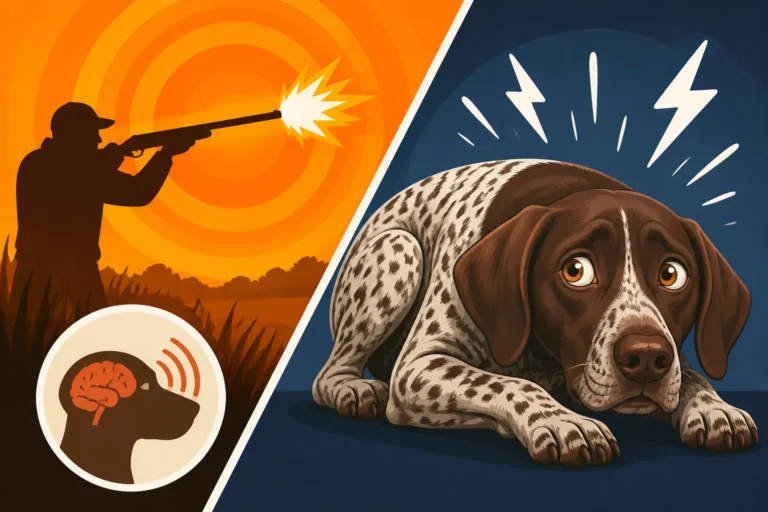
German Shorthaired Pointers are incredible dogs, known for their athleticism, intelligence, and intense prey drive. They’re bred to be versatile hunting partners, capable of pointing, retrieving, and tracking. However, alongside these incredible traits comes a finely tuned sensory system, particularly their hearing. This sensitivity, while beneficial for detecting subtle game movements, also makes them susceptible to developing fear responses to loud, unexpected noises, like gunfire.
The Natural Instincts and Sensitivities of a German Shorthaired Pointer
Think about it: a Shorthair's ears are constantly working, picking up the rustle of a pheasant in tall grass or the distant splash of a duck. Their world is often defined by scent and sound. This acute awareness means that sudden, concussive sounds aren't just loud; they can be perceived as truly overwhelming. Every GSP is an individual, of course. Some might naturally be more bomb-proof, seemingly unfazed by a firecracker, while others might jump at the sound of a dropped pan. It's a spectrum, and it's vital to recognize where your dog falls on it. You might have a bold, confident pup that seems like nothing could scare them, but even the bravest dog can be startled and develop a negative association if their first experience with a loud sound is handled poorly. This sensitivity is a part of their heritage, but it's our job as owners and trainers to guide them through it constructively.
Why Gun Shyness Develops
Gun shyness isn't usually something a dog is born with, though some bloodlines might have a predisposition towards being more nervous. More often than not, it's a learned fear, a direct result of a negative association with loud noises. Imagine a young German Shorthaired Pointer puppy, full of zest, maybe The Age a Shorthair Puppy First Points or slightly older, just starting to explore the world. If its very first exposure to a loud bang is sudden, close, and without any positive context – perhaps an unexpected shotgun blast while they're playing or eating – it can be genuinely terrifying. The dog doesn't understand the source, only the shock and discomfort. This fear can then generalize, meaning they start to associate the sound with fear, and then the fear spreads to anything associated with the sound: the gun itself, the field, even your hunting vest. Once established, gun shyness can be incredibly difficult to reverse, making prevention the absolute best strategy. The goal is to make the sound of a gun a non-event, or even better, a positive signal that exciting things are about to happen.
The Core Difference: Blank Pistol vs. Shotgun Sound Profile
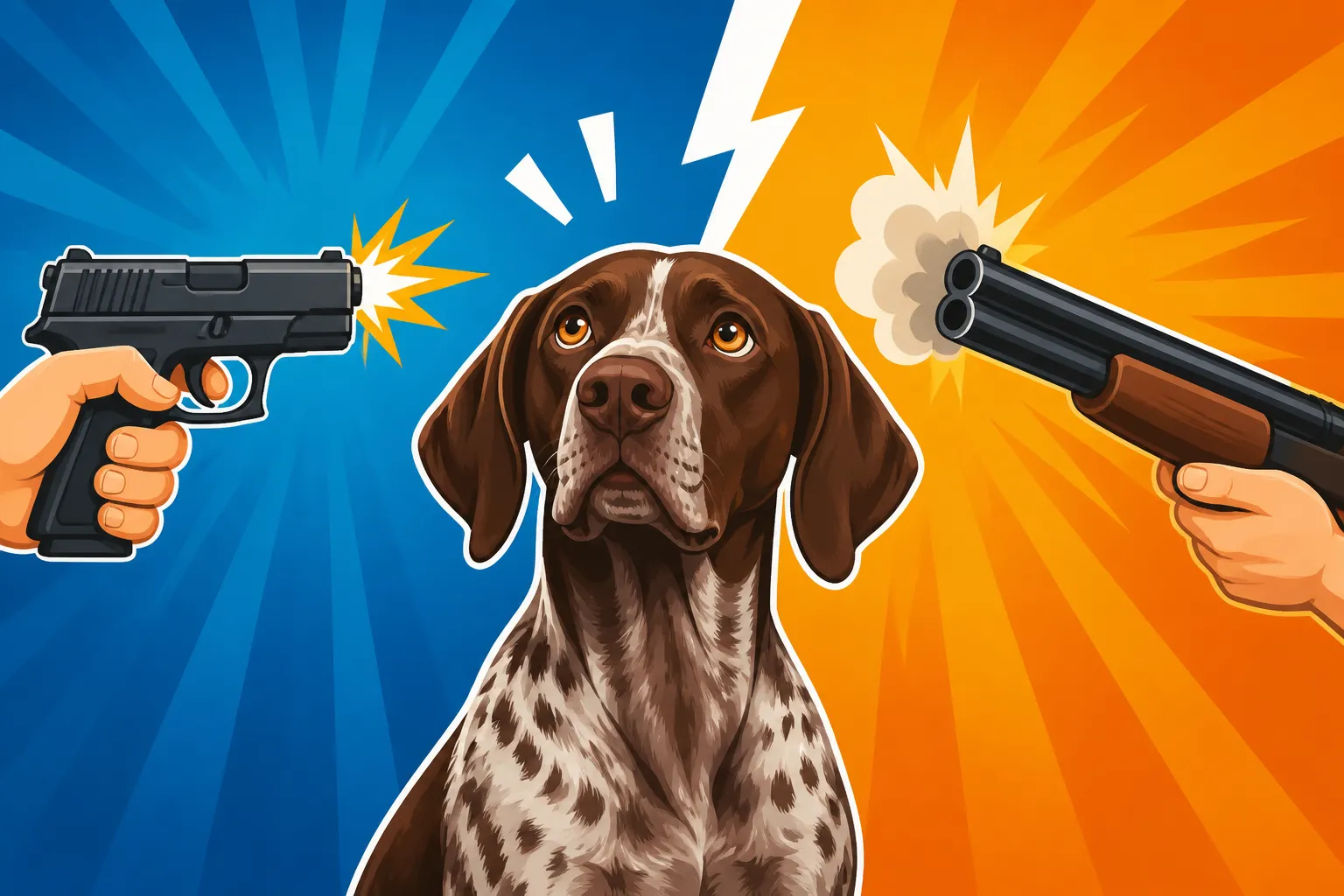
When we talk about introducing a German Shorthaired Pointer to gunfire, the choice of sound source for those initial steps is paramount. There's a significant difference in the sound profile and perceived impact between a blank pistol and a full-powered shotgun, and understanding this distinction is key to a successful, fear-free introduction.
The Sound of a Blank Pistol
A blank pistol, or a starter pistol, produces a sharp "crack" when fired. It's loud, make no mistake, but it typically lacks the heavy concussive force and deeper boom that a shotgun produces. Think of it more as a very loud pop or a sharp whip crack. The sound disperses differently, often feeling less "heavy" in the air. For a dog, this means less physical sensation of sound pressure. Blank pistols are designed for training, signaling, or starting races, not for propelling projectiles, and this difference in purpose directly impacts their auditory output. They allow you to introduce a loud sound in a controlled manner, making it easier to gauge your dog's reaction and ensure they remain calm and confident. You can start with a .22 caliber blank, which is typically milder, and work your way up to larger calibers as your dog progresses.
The Sound of a Shotgun
Now, a shotgun is an entirely different beast. When a shotgun fires, especially a 12-gauge, it produces a deep, resonant boom followed by a powerful, concussive wave that you can often feel in your chest. The decibel level is much higher, and the sound carries a physical impact. This isn't just a louder "crack"; it's a profound, visceral experience. Imagine standing next to a wall when someone hits it with a sledgehammer versus tapping it with a small hammer – both make a sound, but one carries a much greater physical shock. For a German Shorthaired Pointer, this concussive force, combined with the sheer volume, can be truly overwhelming if they haven't been properly prepared. If How Far From a Shorthair to Fire the First Shot is too close with a shotgun, it's less about the noise and more about the entire sensory assault, which can easily trigger a deeply ingrained fear response that's hard to shake.
The Consensus: Starting with a Milder Sound Source
The overwhelming consensus among experienced gundog trainers and behaviorists is clear: never start gun introduction with a full-powered shotgun. The risks are too high, and the potential for creating a gun-shy dog is simply not worth it. The goal is to build positive associations, not to test a dog's bravery.
Why Blank Pistols (or Even Milder Sounds) Are Preferred First
The reasoning is simple psychology and physiology. By starting with a milder sound, like a cap pistol, a .22 blank pistol, or even just a clap or a short whistle blast, you can gradually desensitize your German Shorthaired Pointer. This allows them to process the sound without being overwhelmed. The key is to pair the sound with something positive and exciting. Think about your GSP's favorite high-value treat, or a retrieving dummy they absolutely love.
You want them to be engaged and happy, perhaps chasing a thrown bumper, when the distant, soft sound occurs. They're so focused on the fun activity that the sound just becomes background noise, or even a precursor to more fun. For example, if you're working on retrieves, you might toss a dummy, and as they're running to get it, a helper (far, far away) fires a cap gun. The dog gets the dummy, gets praise, and the sound was just part of the excitement. Over time, you can gradually increase the volume and decrease the distance, always watching your dog's body language. Are they still happy? Are they still engaged? If they flinch, look scared, or stop what they're doing, you've gone too fast and need to backtrack. Many online resources, including those from BAXTER & Bella, emphasize the importance of positive, gradual introductions to new stimuli for puppies and young dogs, which applies perfectly to gun introduction.
A Step-by-Step Approach to Gun Introduction
Introducing your German Shorthaired Pointer to gunfire is a process, not a single event. It requires patience, keen observation, and consistent positive reinforcement. Here's a general approach:
- Start with Distant, Low-Volume Sounds: Begin with very soft, distant sounds. This could be a cap pistol, a starter pistol with light blanks, or even clapping. Ensure the sound is far enough away that your dog barely reacts, or ideally, doesn't react at all.
- Pair with Positive Experiences: Always associate the sound with something your dog loves. This might be a favorite game of fetch, a high-value treat, or mealtime. For example, Starting a Shorthair's Gun Introduction With a Cap Pistol can involve having a helper fire the cap pistol a quarter-mile away while your Shorthair is actively engaged in a fun retrieve session. The key is that the fun activity is happening before and during the sound, making the sound secondary to the enjoyment.
- Gradually Reduce Distance and Increase Volume: Over days, weeks, or even months, slowly bring the sound source closer and, if using blanks, increase the caliber or move to slightly louder blanks. This is a crucial step, often referred to as Building a Shorthair's Gun Tolerance From a Distance. Monitor your dog closely. Any sign of fear – head turning away, tail tucking, cowering, trying to run – means you've progressed too quickly. Back up to where they were comfortable and try again at an even slower pace.
- Introduce Different Locations and Scenarios: Once comfortable in one setting, practice in various environments. A field, near water, with other dogs (if they are also gun-trained). The goal is to generalize their positive association with the sound, ensuring it's not tied to just one place.
- Transition to a Shotgun (Cautiously): Only when your German Shorthaired Pointer is completely comfortable and confident with blank pistols at close range should you even consider introducing a shotgun. Even then, start with a smaller gauge (like a .410 or 20-gauge) fired from a very significant distance. Again, pair it with positive activities. Have a friend fire a distant 20-gauge while your dog is intensely focused on retrieving a bird. The excitement of the retrieve should overshadow the sound.
- Steady to Wing and Shot: For hunting dogs, the ultimate goal is to have them remain steady when a bird flushes and the shot is fired. This is a more advanced stage of training, often called Steadying a Shorthair to Wing and Shot, where the dog learns not to break point or chase until released. This level of steadiness requires immense patience and a rock-solid foundation of gun introduction.
Practical Considerations and Training Tools
Successful gun introduction isn't just about the sequence of sounds; it's also about the tools you use and knowing when to seek expert guidance. Having the right gear and understanding the limitations of your own experience can make all the difference.
Choosing the Right Training Equipment
When you're ready to start, a cap pistol is often the gentlest entry point. From there, a good quality .22 caliber blank pistol is usually the next step. These are designed specifically for dog training, often with good ergonomics and reliable firing mechanisms. You'll find various options, including different calibers of blanks, easily available through online retailers like Amazon. When selecting a blank pistol, look for one that is easy to load and clean, as you'll be using it frequently. Dummy launchers, which propel a canvas dummy while simultaneously firing a 22-caliber blank, can also be excellent training tools, as they pair the sound directly with the exciting action of a retrieve. These allow for a more realistic simulation of a hunting scenario, helping your Shorthair associate the sound with the anticipation of a retrieve. Don't forget ear protection for yourself, and consider dog-specific ear protection if you're training in closer proximity, although starting far away should negate the immediate need for your dog.
The Role of a Professional Trainer
While many aspects of German Shorthaired Pointer training can be tackled by a dedicated owner, gun introduction is one area where professional guidance can be invaluable. A good gundog trainer has seen hundreds of dogs and understands the subtle body language that indicates a dog is becoming fearful before it escalates into full-blown gun shyness. They have access to controlled environments, various types of training weapons, and often training birds, allowing for a structured and safe introduction. If you're unsure, or if your dog shows even the slightest hesitation with initial sound introductions, don't hesitate to reach out to a reputable gundog trainer. They can help you assess your dog's temperament, create a personalized training plan, and troubleshoot any issues that arise. Organizations like NAVHDA (North American Versatile Hunting Dog Association) or local hunting clubs can be excellent resources for finding experienced trainers in your area. Preparing a Shorthair for the Utility Preparatory Test is a good example of a goal where a professional trainer can be a huge asset, as it requires a high level of steadiness and gun confidence.
What to Do if You Suspect Gun Shyness
If you've noticed Signs a German Shorthaired Pointer Has Gone Gun Shy, such as cowering, trembling, attempting to flee, or refusing to hunt or retrieve when loud noises are present, it's crucial to address it immediately and gently. Do not punish your dog for being afraid; this will only make the problem worse. Instead, stop all gun introductions and revisit extremely distant, low-volume sound exposure, paired with highly positive activities. The goal is to re-establish a positive association, which might take a significant amount of time and patience. Sometimes, you might even need to work with a veterinary behaviorist who can offer specialized strategies, and potentially medication, to help manage severe anxiety. The good news is that Whether a Gun Shy German Shorthaired Pointer Can Recover is often possible, but it requires a very slow, systematic approach and a willingness to meet your dog where they are emotionally. Every step forward, no matter how small, is a victory.
Comparing Blank Pistol and Shotgun Introduction
To recap the core differences and why the choice of initial sound source is so vital for your German Shorthaired Pointer's development, here's a quick comparison:
| Feature | Blank Pistol (or Cap Gun) | Shotgun |
|---|---|---|
| Sound Quality | Sharp "crack" or "pop," less concussive | Deep "boom," powerful concussive force |
| Decibel Level | Lower, depending on caliber (.22 blanks generally mildest) | Significantly higher |
| Perceived Impact | Primarily auditory, less physical shock | Auditory and physical (felt pressure, vibration) |
| Training Use | Ideal for initial, gradual sound desensitization | Used after a dog is fully conditioned to milder sounds |
| Risk of Shyness | Low, if introduced correctly and gradually | High, if used for initial introduction |
| Goal | Build positive association with a distant, non-threatening sound | Integrate sound into a full hunting scenario for a conditioned dog |
By understanding these fundamental differences and committing to a slow, positive introduction using milder sounds first, you give your German Shorthaired Pointer the best possible chance to become a confident, fearless, and joyful hunting partner. Remember, patience is a virtue, and protecting your dog's emotional well-being is paramount to a successful partnership in the field and at home.
Disclaimer
This article is for general informational purposes only and does not constitute professional advice. Laws, prices and regulations vary by location and change over time. Consult a qualified professional for guidance on your specific situation.