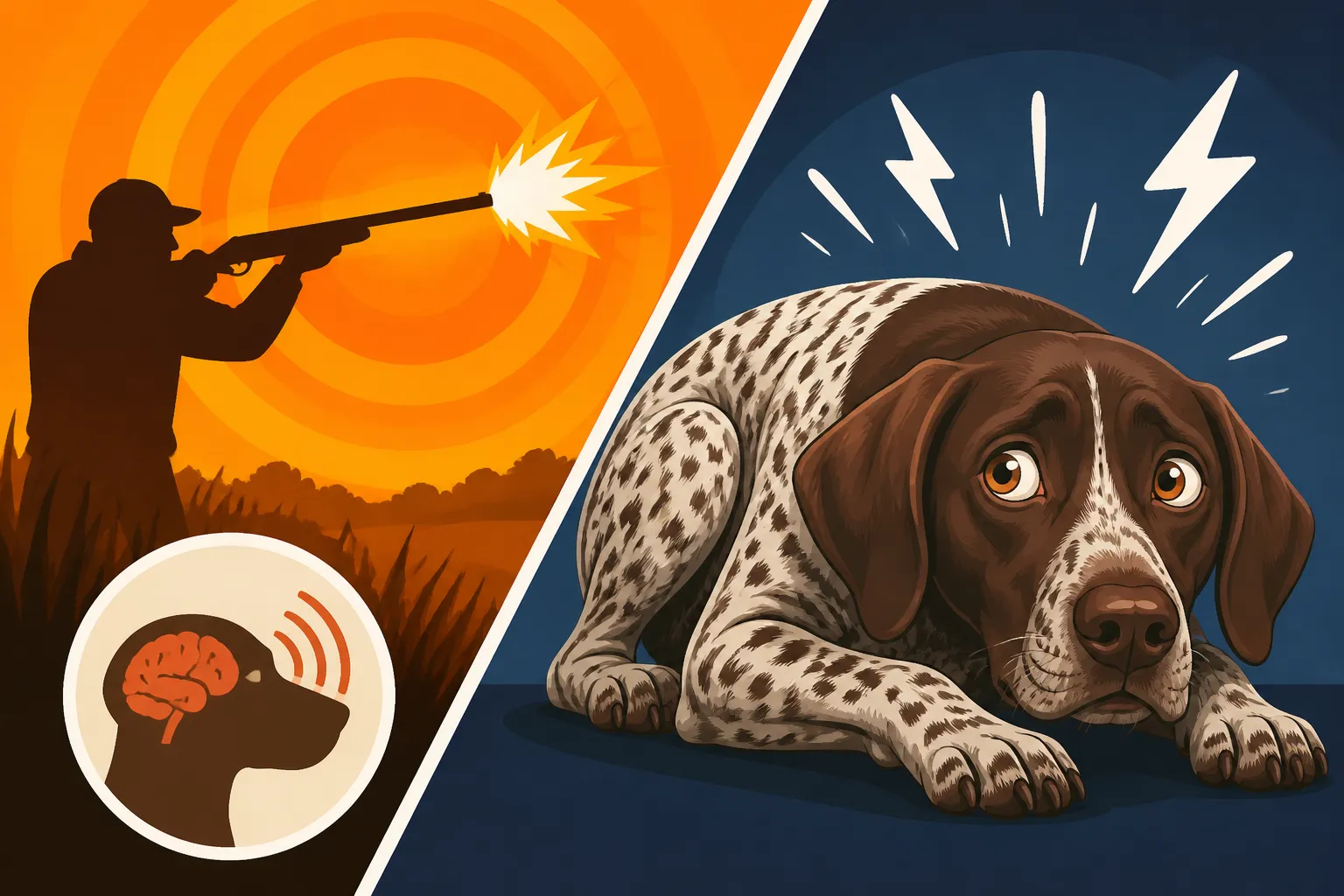
Whether a Shorthair’s Noise Phobia Is Gun Shyness
It's incredibly frustrating and heartbreaking when you see your German Shorthaired Pointer, a breed renowned for its courage and drive in the field, suddenly become a quivering mess at the sound of something as common as thunder or, even worse, a distant gunshot. As GSP owners, we pour our hearts and souls into these dogs, often with the expectation of a bold, unflappable companion. So, when they react with extreme fear to loud noises, it naturally raises a huge question: is this just a general noise phobia, or are we dealing with the dreaded gun shyness? This guide will dive deep into distinguishing these reactions and help you understand the nuances so you can better support your beloved hunting partner or family dog.
Differentiating General Noise Phobia from True Gun Shyness
Let's be honest, it's easy to lump all fear reactions to loud noises into one category, especially when your otherwise confident German Shorthaired Pointer suddenly acts like the world is ending. But there's a crucial distinction to be made between a general noise phobia and true gun shyness, and understanding this difference is the first step toward helping your dog. Without this clarity, you might be barking up the wrong tree entirely, applying solutions that simply won't work for the actual problem.
What is General Noise Phobia?
Think of general noise phobia as an overarching anxiety or fear response to a variety of sudden, loud, or intense sounds that are not necessarily tied to a specific activity like hunting. These can be everyday occurrences that most dogs might flinch at momentarily, but then quickly recover from. For a GSP with a noise phobia, the sound triggers a disproportionate and often debilitating fear reaction.
Common triggers for a general noise phobia can be incredibly varied. We're talking about everything from the booming crack of thunder during a summer storm to the explosive pops of Fourth of July fireworks. But it doesn't stop there. Many dogs react to the whirring, sucking sound of a vacuum cleaner, the startling clang of a dropped pot in the kitchen, or even the backfire of a car down the street. It’s the sheer volume and abruptness, often coupled with an inability to predict or escape the sound, that sends them into a spiral. Your GSP might pant excessively, tremble uncontrollably, pace, vocalize with whines or barks, try to hide in the smallest space possible, or even become destructive as they try to escape the perceived threat.
Understanding True Gun Shyness
Gun shyness, on the other hand, is a much more specific and usually severe form of noise phobia directly associated with the sound of gunfire, and by extension, often with the context of hunting. For a German Shorthaired Pointer, a breed purpose-bred for generations to work alongside hunters and guns, gun shyness is particularly devastating. It's not just a passing startle; it’s a deep-seated aversion that can render a dog completely unable to perform its intended work.
The distinction lies in the trigger: a gun-shy GSP's fear is primarily, if not exclusively, activated by gunshots, blank pistols, or other loud, sharp reports that mimic gunfire. This fear might extend to the entire hunting environment – the smell of gun oil, the sight of a shotgun, even the presence of a hunting vest. A dog that is merely noise phobic might react to gunshots, but it would also react with similar intensity to other loud noises. A truly gun-shy dog will often appear perfectly calm and confident until that specific sound enters the picture. When it does, their reaction is often extreme: bolting, cowering, shutting down completely, or even aggression as a fear response. This isn't just a matter of being a little nervous; it’s a profound impairment of their ability to be a working dog. Whether a Gun Shy German Shorthaired Pointer Can Recover addresses just how challenging this can be.
Common Triggers and Manifestations of Noise Phobia in Shorthairs
German Shorthaired Pointers, while tough and resilient in many ways, can also be surprisingly sensitive. Their keen senses, bred to detect the faintest scent of game, can also make them acutely aware – and sometimes overwhelmed – by intense sounds. It's a double-edged sword: that incredible awareness that makes them such superb hunting companions can also predispose them to developing noise sensitivities.
Triggers Beyond the Field
It’s easy for us, as owners, to focus on the big, obvious noises like fireworks or thunder because those are the ones that usually cause the most dramatic displays of fear. However, a general noise phobia can be triggered by a far wider array of sounds. Imagine your GSP, who loves to curl up near you while you cook, suddenly bolting from the room when a dropped spoon clangs loudly on the tile. Or perhaps they become agitated every time the washing machine goes into its spin cycle, or a delivery truck rumbles past with its air brakes hissing. These are not hunting-related sounds, yet they can induce genuine panic.
Even seemingly innocuous things like the loud hum of a refrigerator kicking on, the screech of a smoke detector with low batteries, or even the sudden, sharp rip of tape being pulled from a dispenser can trigger a fearful response in a sensitive German Shorthaired Pointer. The key here is the unexpectedness and intensity of the sound from the dog's perspective. They don't have the context we do to understand that the dropped spoon isn't a threat. For them, it's a sudden, jarring assault on their senses, and their primal instinct is to escape or hide. This is why you might notice your Shorthair reacting to these sounds even if they are perfectly calm in a busy park or around other people. Many owners observe A Shorthair That Hides at Thunder but Hunts Fine, which perfectly illustrates this distinction.
Behavioral Manifestations of Noise Fear
The ways a German Shorthaired Pointer expresses noise phobia can vary, but generally fall into a few categories. The most common signs include trembling, panting, excessive drooling, and frantic pacing. Your dog might try to glue itself to your side, seeking comfort, or conversely, try desperately to escape the perceived threat by hiding under furniture, in a closet, or even attempting to dig or chew through doors or walls. These are not signs of defiance or misbehavior; they are clear indicators of intense distress.
Vocalization is also common – persistent whining, barking, or even howling can occur. Some dogs may become destructive, not out of malice, but from a desperate, panic-driven need to escape. They might chew on inappropriate objects, scratch at doors, or have house-soiling accidents even if they are perfectly house-trained. This is their nervous system in overdrive, a full-blown "fight or flight" response kicking in. Recognizing these behaviors as manifestations of fear, rather than just "being naughty," is crucial for effective intervention. It means approaching the problem with empathy and a goal of building security, rather than just trying to stop the behavior itself.
Understanding Gun Shyness in the German Shorthaired Pointer Context
For a German Shorthaired Pointer owner, especially one who intends to hunt with their dog, gun shyness is a particularly heartbreaking and frustrating issue. This breed was meticulously developed over centuries in Germany to be the ultimate versatile gun dog, meaning they are supposed to be steadfast in the face of gunfire. When a GSP develops gun shyness, it feels like a fundamental breakdown of their very nature. It's not just a behavioral quirk; it can impact their identity and purpose.
Why Gun Shyness Appears in a Gun Dog Breed
It's a common misconception that because German Shorthaired Pointers are bred for hunting, they are inherently immune to gun shyness. While genetics certainly play a significant role in a dog's overall temperament and resilience, even the best breeding can't always guarantee an unflappable gun dog. One primary reason gun shyness appears is improper early exposure. If a puppy is introduced to loud gunshots too suddenly, too close, or too intensely, especially during critical developmental periods, it can create a traumatic association that's incredibly difficult to undo. This trauma can override even strong genetic predispositions for boldness. Imagine a young GSP puppy, still uncertain about the world, having a shotgun blast off right next to it. That's a recipe for disaster. Starting a Shorthair's Gun Introduction With a Cap Pistol outlines a much safer method.
Beyond environmental factors, genetics do play a part. Some lines, unfortunately, may carry a predisposition to a more sensitive temperament, making them more susceptible to developing gun shyness even with careful exposure. This isn't necessarily a fault of the individual dog or owner, but a complex interplay of inherited traits and life experiences. Owners need to be acutely aware of Signs a German Shorthaired Pointer Has Gone Gun Shy to catch it early. A GSP might also develop gun shyness later in life due to a particularly startling or painful experience associated with gunfire, such as an injury that occurred simultaneously with a shot.
The Impact on a Working German Shorthaired Pointer
The consequences of gun shyness for a German Shorthaired Pointer bred to hunt are severe and far-reaching. A gun-shy dog simply cannot perform its duties in the field. When the first shot rings out, instead of remaining steady or marking the fallen bird, they might bolt for cover, cower, try to hide, or even attempt to get back to the vehicle. This isn't just inconvenient; it can be dangerous, as a panicked dog might run into traffic or get lost.
Beyond the immediate safety concerns, it profoundly impacts the dog's quality of life and the owner's expectations. For many, a GSP is chosen specifically for their hunting prowess and partnership in the field. To have that aspect of their life stripped away due to fear is a tremendous loss. The dog, too, might experience chronic stress and anxiety if continually pushed into situations that trigger its fear. It's a heartbreaking scenario, highlighting why careful, positive gun introduction is paramount for any GSP destined for the field. If you find yourself in this situation, exploring options for Fixing a Gun Shy German Shorthaired Pointer becomes critical, though it's important to temper expectations.
Strategies for Addressing Noise Phobia vs. Rehabilitating Gun Shyness
Addressing noise phobia or gun shyness in your German Shorthaired Pointer requires patience, understanding, and often, a different approach depending on the specific nature of the fear. It's not a quick fix, and sometimes, managing the problem is the best we can hope for, especially with severe cases.
Managing General Noise Phobia
For a GSP with a general noise phobia, the goal is typically to desensitize them to the sounds and counter-condition their emotional response. This means gradually exposing them to the trigger at a very low intensity while pairing it with something positive. For example, playing recordings of thunder at an almost inaudible volume while you give your dog high-value treats or engage in their favorite game. Over time, you slowly increase the volume, always staying below the threshold where they show fear, ensuring they maintain a positive association. You can find many calming products, like thundershirts or noise-canceling earmuffs, on Amazon that can aid in this process.
Creating a safe haven is also crucial. This could be a crate covered with blankets in a quiet room, or a dedicated space where your dog feels secure during noisy events. Many owners find success using white noise machines or classical music to help mask external sounds. For severe cases, consulting a certified professional dog trainer or a veterinary behaviorist is highly recommended. They can provide tailored plans and, if necessary, discuss anti-anxiety medications or supplements to help your GSP cope. Remember, a dog that panics alone in the house might also be dealing with similar anxiety roots.
Here's a quick comparison of the two:
| Feature | General Noise Phobia | Gun Shyness |
|---|---|---|
| Primary Trigger | Broad range of loud, sudden sounds (thunder, fireworks, vacuums) | Specific to gunshots and associated hunting sounds/environment |
| Behavior | Hiding, trembling, pacing, vocalizing, destructive behavior, seeking comfort | Bolting, cowering, extreme panic, refusal to hunt, often more profound shutdown in relevant context |
| Context | Can occur anywhere, anytime, with various sounds | Primarily triggered in or around hunting/shooting scenarios |
| Origin | Poor socialization, trauma, genetic predisposition | Improper gun introduction, genetic predisposition, traumatic hunting experience |
| Prognosis | Often manageable with desensitization/counter-conditioning | More challenging, often requires professional behavior modification, full recovery not guaranteed for working dogs |
Rehabilitating Gun Shyness
Rehabilitating gun shyness is considerably more challenging than addressing a general noise phobia, often because the fear is so deeply ingrained and directly conflicts with the dog's genetic purpose. It requires immense patience and, almost always, the guidance of a highly experienced professional trainer or veterinary behaviorist specializing in gun dogs.
The process involves an extremely slow and methodical re-introduction to gun sounds, starting at an almost imperceptible level and at a great distance. This isn't about "getting them used to it" by forcing exposure, which can actually worsen the problem. Instead, it's about building a completely new, positive association with the sound. This might involve pairing a very faint, distant cap pistol pop (not a full shotgun blast!) with the most delicious treats or play your GSP can imagine. The dog should never show any signs of fear. If they do, you've gone too far, too fast. This is why How Far From a Shorthair to Fire the First Shot is so critical.
Some owners find success with specialized programs that carefully manage exposure, often starting with sound therapy at home using recordings, before moving to actual, distant, low-caliber shots. Companies like BAXTER & Bella, while focusing on puppy training, also emphasize positive reinforcement methods that can be adapted for sensitive dogs, teaching owners how to build confidence in various scenarios. Unfortunately, some severe cases of gun shyness may never be fully "cured" to the point where the dog can confidently hunt. In these situations, the kindest and most responsible approach is to accept the dog for who they are and find them a loving home where they don't have to face the sounds that terrify them. Whether a Gun Shy German Shorthaired Pointer Can Recover acknowledges the difficulty of this journey.
Ultimately, whether you're dealing with a general noise phobia or true gun shyness, your German Shorthaired Pointer needs your understanding, patience, and a consistent approach. It’s a marathon, not a sprint, and often involves trial and error to find what truly helps your unique dog.
Disclaimer
This article is for general informational purposes only and does not constitute professional advice. Laws, prices and regulations vary by location and change over time. Consult a qualified professional for guidance on your specific situation.