A German Shorthaired Pointer That Mouths Birds Hard
Few things are more disheartening for a German Shorthaired Pointer owner than watching your magnificent, driven dog retrieve a beautiful bird, only to have it returned to you mangled or crushed. It’s a gut punch, not just because the game is ruined, but because you know your dog isn't doing it out of malice, but likely from a lack of understanding or control. This guide dives deep into why Shorthairs sometimes mouth birds hard, how to identify the signs, and, most importantly, provides actionable strategies and preventative measures to help your beloved hunting companion develop that coveted soft mouth, ensuring every retrieve is a triumph, not a tragedy.
Understanding Why a German Shorthaired Pointer Mouths Birds Hard
It's easy to get frustrated when your German Shorthaired Pointer brings back a bird that looks like it's been through a blender, but it's crucial to understand the underlying reasons before you can address the behavior. Hard mouthing isn't usually a sign of a "bad" dog; it's often a symptom of incomplete training, over-excitement, or even a genetic predisposition that needs extra attention.
Instinct Versus Training in the Retrieve
German Shorthaired Pointers are, by their very nature, bred to hunt. They possess a powerful prey drive, an instinct to pursue, catch, and often, to kill. When they retrieve, this instinct to hold and secure can sometimes escalate into a stronger grip, especially if they haven't been taught how to temper that natural impulse with a soft, gentle hold. A dog might grip harder because its instinct tells it to "control" the prey, or because it feels uncertain and tries to hold on tighter. It's not about being malicious; it's about the innate drive to possess.
Many GSPs come from lines where the emphasis is heavily on finding and pointing, sometimes with less focus on the delicate art of the retrieve itself. If a dog isn't explicitly taught how to hold, its default can easily become "hold tight enough so it doesn't get away." This is where human guidance becomes paramount. Without it, the dog relies solely on its instincts, which aren't always conducive to a pristine retrieve, especially with fragile game birds.
Some breeders might even inadvertently select for dogs with a "harder" retrieve if they prioritize intense drive above all else, without proper testing for mouth softness. While most GSP breeders strive for a balanced dog, it's a trait that can sometimes slip through if not rigorously managed. It’s less about blaming the dog and more about recognizing that a strong natural drive requires careful shaping.
The Role of Early Experiences
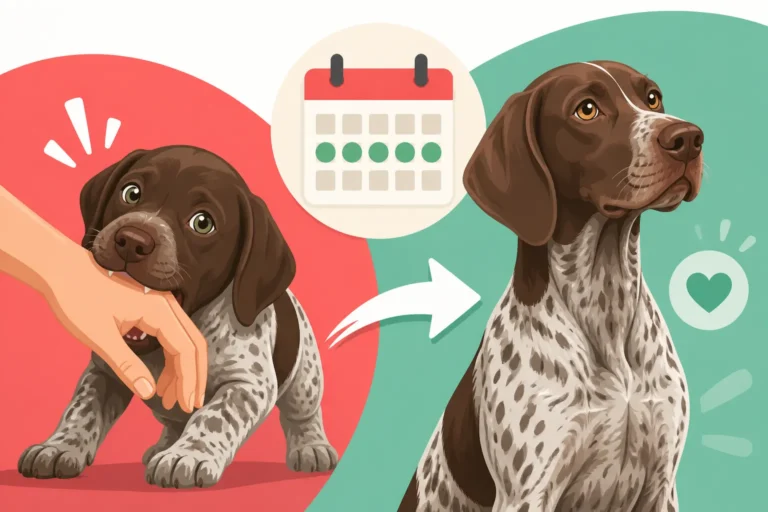
A German Shorthaired Pointer puppy naturally explores the world with its mouth. Nipping, mouthing toys, and even gently gnawing on your hand are all normal parts of puppyhood. However, if these early mouthing behaviors aren't guided properly, they can set the stage for harder mouthing later on. Allowing a puppy to play too roughly with toys, or letting it chew indiscriminately on items, doesn't teach it the concept of a "gentle hold."
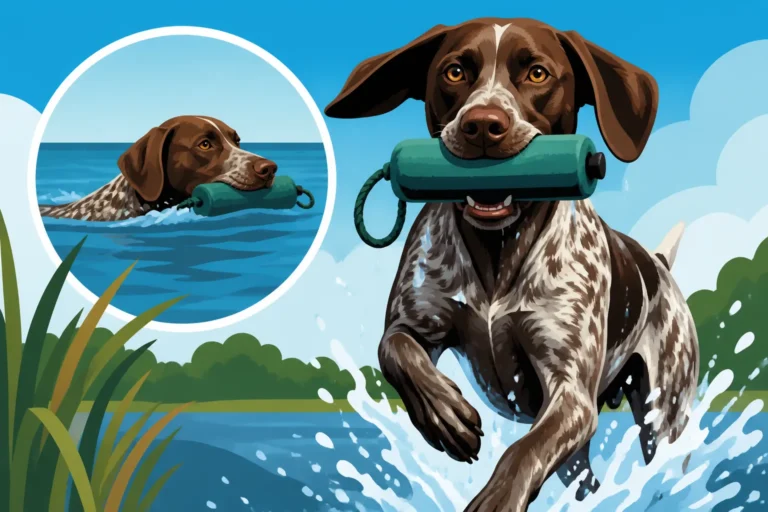
Similarly, early retrieving experiences can inadvertently contribute to hard mouthing. If a puppy is allowed to "play" with a retrieved bumper or bird for too long, shaking it or chewing on it before bringing it back, it learns that the object is fair game for rough handling. This can also happen if pressure is applied too early or too harshly during initial retrieve training, causing the dog to clamp down defensively. The goal in early training should always be positive, short, and focused on building confidence in bringing the item back and releasing it.
Think about how often we inadvertently reinforce behaviors. If a dog struggles to retrieve a heavy bumper, it might start using its jaw muscles more aggressively. Or if a bird is retrieved from thick cover and the dog is struggling, it might grip harder to secure its prize. These early, uncorrected instances can quickly develop into entrenched habits that are much harder to break down the road. Every retrieve is a learning opportunity, and consistency from day one is key.
Environmental Factors and Stress
The environment in which a German Shorthaired Pointer retrieves can play a significant role in how gently or aggressively it handles birds. High-stress situations, such as a competitive hunt test, a particularly challenging retrieve in dense cover, or even just the excitement of a high-energy hunt, can cause a dog to revert to a harder grip. When adrenaline is pumping, a dog’s natural instincts, including a strong hold, often take over if not adequately trained to maintain a soft mouth under pressure.
Consider the type of bird being retrieved. A cold, stiff bird might be harder for a dog to pick up comfortably than a warm, freshly killed bird, leading to more aggressive mouthing. Some dogs might also mouth harder if they encounter a bird that is still flapping or moving, as their instinct to "dispatch" the prey kicks in. This isn't ideal for a hunter who wants an intact retrieve.
Even the handler's demeanor can impact the retrieve. If you're tense, shouting commands, or showing frustration, your dog picks up on that stress. A dog under pressure might feel the need to secure the bird more tightly, or rush the retrieve, leading to harder mouthing. Creating a calm, consistent training environment, even in the field, is crucial for fostering a soft mouth.
Identifying the Signs of Hard Mouthing and Its Impact
Spotting hard mouthing isn't always immediately obvious, especially if you're new to German Shorthaired Pointers or hunting. It can range from subtle signs that escalate over time to immediate, undeniable damage. Recognizing these indicators early is vital for intervention and maintaining the integrity of your hard-earned game.
Visible Damage to Birds
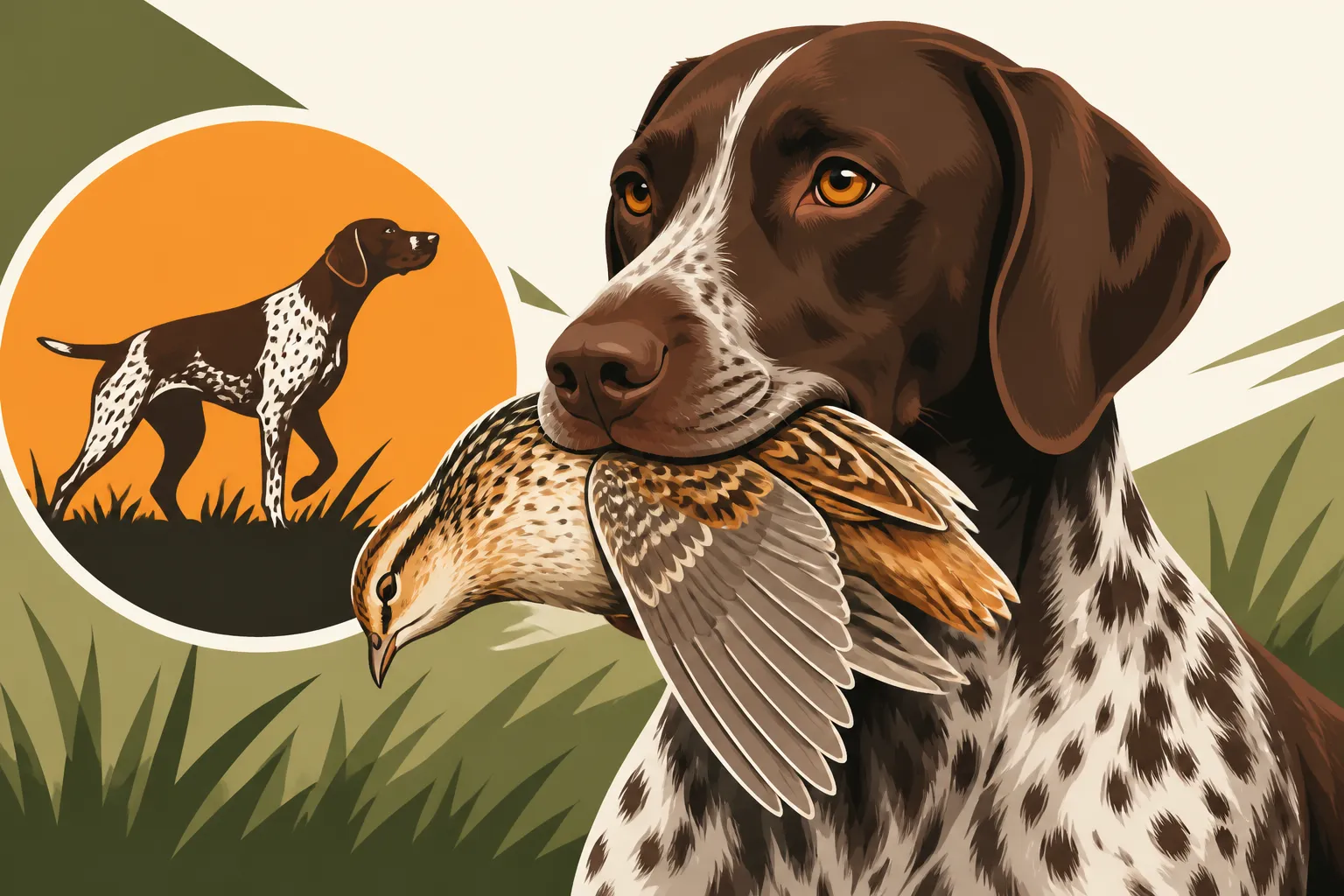
The most unmistakable sign of hard mouthing is, of course, the physical damage to the bird itself. This is the moment that makes a hunter's heart sink: a perfectly pointed and retrieved pheasant, quail, or duck returned with a crushed rib cage, a head missing, or skin torn away. Excessive feather pulling, leaving a trail of plumage, is another clear indicator. This isn't just about aesthetics; it renders the bird less palatable or even unusable for consumption, which is the ultimate goal for many hunters.
Sometimes the damage isn't immediately obvious from a distance, but upon closer inspection, you'll find punctures from teeth, especially around the body or neck. A truly hard-mouthed dog can shatter delicate bone structures, like those in a quail, with surprising ease. This is particularly frustrating when you've invested significant time and effort into training and hunting, only to have the final act compromised. The visual evidence is usually the most undeniable proof that your GSP needs help with its retrieve.
It's a disheartening experience, not just for the lost game, but because it feels like a failure in training or communication with your dog. You want your GSP to be a proud, capable partner in the field, and returning a mangled bird undermines that sense of accomplishment for both of you. This is why addressing hard mouthing isn't just about saving birds; it's about refining your dog's skills and strengthening your partnership.
Subtle Indicators and Progression
Hard mouthing doesn't always start with a completely destroyed bird. Often, there are more subtle signs that can precede the more severe damage. Observing these cues can allow for early intervention before the habit becomes ingrained. One common subtle indicator is excessive chewing motions while the dog is holding the bird or bumper. Instead of a steady, confident hold, you might see small, repetitive jaw movements. This "re-gripping" is a sign that the dog isn't comfortable with its initial hold or is struggling to maintain it.
Another sign can be a reluctance to release the bird or bumper upon command. The dog might hold it tightly, turning its head away, or even engaging in a tug-of-war if you try to take it. While this can sometimes indicate a possessiveness issue, it can also stem from a dog gripping harder because it anticipates losing its prize, or perhaps it's uncomfortable with the item in its mouth and trying to adjust. Any deviation from a clean, immediate retrieve to hand should raise a red flag. Teaching a Shorthair to Deliver a Bird to Hand is a crucial step in preventing these issues.
These subtle indicators can often escalate if left unaddressed. A dog that occasionally re-grips might start to apply more pressure with each re-grip, eventually leading to full-blown crushing. It's a progressive problem, and the longer it goes on, the harder it is to correct. Being vigilant during every retrieve, whether with a training dummy or an actual bird, is essential for catching these behaviors before they become serious problems.
Impact on the Hunt and Dog's Confidence
Beyond the ruined game, hard mouthing can significantly impact the overall hunting experience and even your dog's confidence. For a hunter, the goal is often to bag and bring home game, and a dog that consistently damages birds can lead to wasted effort and disappointment. Imagine a perfect point, a clean shot, and a stellar retrieve through challenging cover, only to have the bird come back unusable. It can quickly erode the joy of the hunt.
Furthermore, a dog that is frequently corrected or chastised for hard mouthing can become confused or develop performance anxiety. If the dog doesn't understand why it's being corrected (because it's not clear on how to hold gently), it might become hesitant to retrieve altogether, or its overall enthusiasm for work might diminish. This can lead to a German Shorthaired Pointer that shuts down under pressure, which is counterproductive to building a strong working relationship. The dog might associate retrieving with negative interactions rather than positive ones.
The cumulative effect of hard mouthing can also strain the relationship between dog and handler. Frustration can build, leading to less patient training sessions and a breakdown in trust. A confident, eager retriever is a joy to hunt with, but a dog that is consistently making mistakes or being corrected can lose its spark. Addressing hard mouthing is not just about technique; it's about preserving the spirit and partnership that makes hunting with a German Shorthaired Pointer so rewarding.
Strategies for Correcting Hard Mouthing
Correcting hard mouthing in a German Shorthaired Pointer requires patience, consistency, and a systematic approach. It's about retraining a behavior that has likely become ingrained, replacing an undesirable action with a desired one. The most effective methods often combine structured obedience with positive reinforcement and gradual exposure.
The Foundation of Force Fetch Training
When it comes to building a truly reliable and soft retrieve, many experienced German Shorthaired Pointer trainers swear by force fetch. Now, the term "force" can sound intimidating or even cruel, but modern force fetch, when done correctly, is not about pain or punishment. It's a methodical, step-by-step conditioning process that teaches the dog to retrieve and hold gently on command, making the retrieve a conditioned response rather than a purely instinctual, potentially hard-mouthed one. The goal is to build a dog that understands that a soft, immediate retrieve is the pathway to release and praise, rather than a forceful grip.
The process typically begins with teaching the dog to take and hold a retrieve object (often a training dummy or bumper) in its mouth, using gentle pressure, such as an ear pinch or toe pinch, until the dog voluntarily opens its mouth and takes the object to relieve the pressure. This is repeated until the dog learns to anticipate the command and take the object without the need for physical prompting. The next steps involve teaching the dog to hold the object for increasing durations, walk with it, and eventually retrieve it from a short distance, always maintaining a soft, consistent grip. Force Fetch Explained for a Shorthair Owner goes into more detail on this critical training technique.
This isn't a quick fix; it's a foundational skill that can take weeks or even months to instill properly. However, for a German Shorthaired Pointer, especially one prone to hard mouthing, it can be a game-changer. It creates a dog that understands its job and performs it reliably, regardless of excitement or conditions. Many online resources, like those offered by BAXTER & Bella, provide structured, positive-reinforcement based programs that can help guide you through these foundational obedience steps, which are essential precursors to effective force fetch. They can teach you the timing and mechanics to ensure a positive experience for your dog.
Building a Soft Mouth Through Positive Reinforcement
While force fetch provides the structured "how-to," positive reinforcement is the critical element that shapes the dog's attitude and willingness to comply. Once your GSP understands the mechanics of holding an object, the focus shifts to rewarding the softness of the hold. Start with easily held items like soft bumpers or canvas dummies. Every time your dog picks up and holds the item gently, praise it immediately and enthusiastically. Use a clear, calm "hold" command, and reward even the slightest bit of compliance.
Gradually increase the duration the dog holds the object. If you see any signs of chewing or re-gripping, calmly correct it by gently supporting the dog's muzzle or re-inserting the object, then immediately asking for a "hold" again and rewarding the soft grip. The key is to make the soft hold more rewarding than any alternative. When your dog consistently retrieves dummies gently, you can slowly introduce cold birds (birds that have been dead for a while and are stiff, making them less stimulating). Progress from cold, stiff birds to warmer, freshly killed birds, always maintaining consistency in your commands and rewards.
You can find a wide variety of training bumpers and dummies on Amazon. Experiment with different textures, weights, and sizes to find what your dog responds best to. Some dogs might be less inclined to hard mouth a soft canvas dummy, while others might react better to a harder plastic one because it provides less "give" for chewing. The variety helps generalize the soft mouth behavior across different objects. Remember, the goal is to set your dog up for success and reward every effort towards a softer retrieve.
Managing Excitement and Pressure in the Field
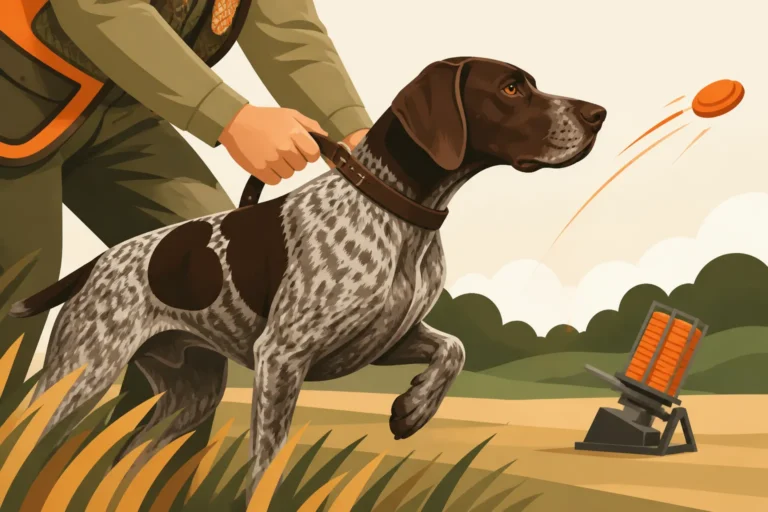
Even with excellent foundational training, managing excitement and pressure in real-world hunting situations is crucial to preventing hard mouthing from recurring. German Shorthaired Pointers are high-energy dogs, and the thrill of the hunt can quickly override their training if not properly managed. One of the most effective strategies is to teach your dog to be "steady to wing and shot." This means the dog remains calm and in place when a bird flushes and when the shot is fired, only being sent to retrieve on your command. This pause allows the dog to settle its excitement before being released, leading to a calmer retrieve. Steadying a Shorthair to Wing and Shot is a cornerstone of this approach.
Start with short, controlled retrieves in low-distraction environments, even with real birds if possible. As your dog consistently performs soft retrieves, gradually increase the distance and introduce more distractions. If you notice your dog starting to mouth hard, immediately shorten the retrieve distance, reduce the excitement, and go back to basics. Never punish hard mouthing in the field, as this can make the dog anxious and potentially cause it to refuse retrieves entirely. Instead, use a calm, consistent approach to de-escalate the situation and reinforce the desired behavior.
Handler pressure also plays a huge role. Avoid rushing your dog or putting undue stress on it. Maintain a calm, confident demeanor, and your dog will be more likely to respond in kind. If your dog is struggling, take a break. Sometimes, a few minutes of quiet time can help a GSP regroup and regain its composure. The journey to a soft mouth is a marathon, not a sprint, and consistency across all training and hunting scenarios is the key to long-term success.
Preventative Measures and Long-Term Success
Preventing hard mouthing is always easier than correcting it, and maintaining a soft mouth throughout a German Shorthaired Pointer's life requires ongoing effort and attention. By establishing good habits from puppyhood and consistently reinforcing proper retrieving etiquette, you can set your GSP up for a lifetime of successful, soft-mouthed retrieves.
Starting Right with a Puppy
The foundation for a soft mouth begins the moment you bring your German Shorthaired Pointer puppy home. Encourage gentle play and discourage rough mouthing. Offer a variety of appropriate chew toys and redirect any inappropriate chewing to these designated items. Teach your puppy a "drop it" and "leave it" command early on, reinforcing them constantly. These commands are invaluable for managing your GSP's mouth and teaching control.
Introduce retrieving games early with soft, easily held toys and bumpers. Keep these sessions short, fun, and always end on a positive note. The goal is to build a positive association with picking up and bringing items back, not with chewing or keeping them. Praise generously for gentle retrieves and immediate releases. Avoid tug-of-war games that encourage a strong grip, or at least keep them separate from retrieve training. Puppy classes, like those offered through BAXTER & Bella’s online puppy program, can provide structured guidance on these early foundational behaviors, ensuring you build good habits from the start.
It's also important to manage a GSP puppy's energy. An under-exercised puppy is more likely to engage in destructive chewing or to be over-stimulated during play, which can contribute to hard mouthing. Ensure your puppy gets How Much Exercise a Shorthair Puppy Should Get appropriate for its age and development, balancing physical activity with mental stimulation to keep it focused and calm.
Consistent Reinforcement and Maintenance
Even after your German Shorthaired Pointer has developed a soft mouth, consistent reinforcement is critical to maintaining it. Don't assume the problem is solved and stop practicing. Integrate soft retrieves into your regular training routine, using various dummies and occasionally cold birds to keep the skills sharp. Practice in different environments and under varying levels of distraction to generalize the behavior.
Always ensure that you reward the softest retrieves with the highest praise or most desirable treats. If you see even a hint of old habits resurfacing, immediately return to simpler exercises and reinforce the gentle hold. It's much easier to nip a problem in the bud than to let it fully re-establish itself. Regularly handling and inspecting retrieved items, whether training bumpers or actual game, will help you monitor your dog's performance.
If, despite your best efforts, hard mouthing persists or recurs severely, don't hesitate to seek help from a professional gun dog trainer specializing in German Shorthaired Pointers. They can offer tailored advice, identify specific triggers, and provide hands-on guidance to help you and your dog overcome the challenge. Sometimes an outside perspective and specialized expertise are exactly what's needed.
Equipment and Tools to Aid Training
Having the right tools can make a significant difference in both preventing and correcting hard mouthing. Here's a quick overview of helpful equipment:
| Tool/Equipment | Purpose | Key Features |
|---|---|---|
| Training Bumpers | Develop retrieving skills, teach soft hold, generalize retrieve. | Available in plastic, canvas, fur. Various weights and sizes. |
| Force Fetch Stick | Used in force fetch training to apply gentle pressure for mouth opening. | Lightweight, often made of wood or plastic, smooth to avoid injury. |
| Check Cord | Control dog's range during initial retrieves, prevent self-hunting. | Long rope (15-30 ft), durable, allows distance control without e-collar. |
| E-Collar (modern) | Communication tool for advanced training, reinforce commands at distance. | Low-level stimulation, vibration, tone options. Requires careful, ethical use. |
| Pigeons/Quail | Introduce real bird scent and feel in a controlled environment. | Live or cold (frozen), used to transition from dummies to actual game. |
| Bird Launcher | Simulate realistic bird flushes, aid in steadying to wing and shot. | Remote controlled, various sizes for different bird types. |
You'll find that Amazon is an invaluable resource for sourcing a wide variety of these training tools. From canvas dummies in every imaginable color and size to specialized force fetch sticks and reliable check cords, having access to diverse equipment can significantly aid your training efforts. Additionally, resources like BAXTER & Bella often provide guidance within their online training programs on which tools are most effective for specific training stages and how to use them safely and correctly. For example, understanding how to properly condition your GSP to an e-collar, if you choose to use one, is paramount, and their platforms can offer detailed instructions to prevent inadvertently creating new problems.
By using these tools strategically and consistently, you can provide the structure and reinforcement your German Shorthaired Pointer needs to develop and maintain a beautifully soft mouth, making every bird retrieved a proud moment for both of you.
Disclaimer
This article is for general informational purposes only and does not constitute professional advice. Laws, prices and regulations vary by location and change over time. Consult a qualified professional for guidance on your specific situation.