A Shorthair That Drops the Bird Short
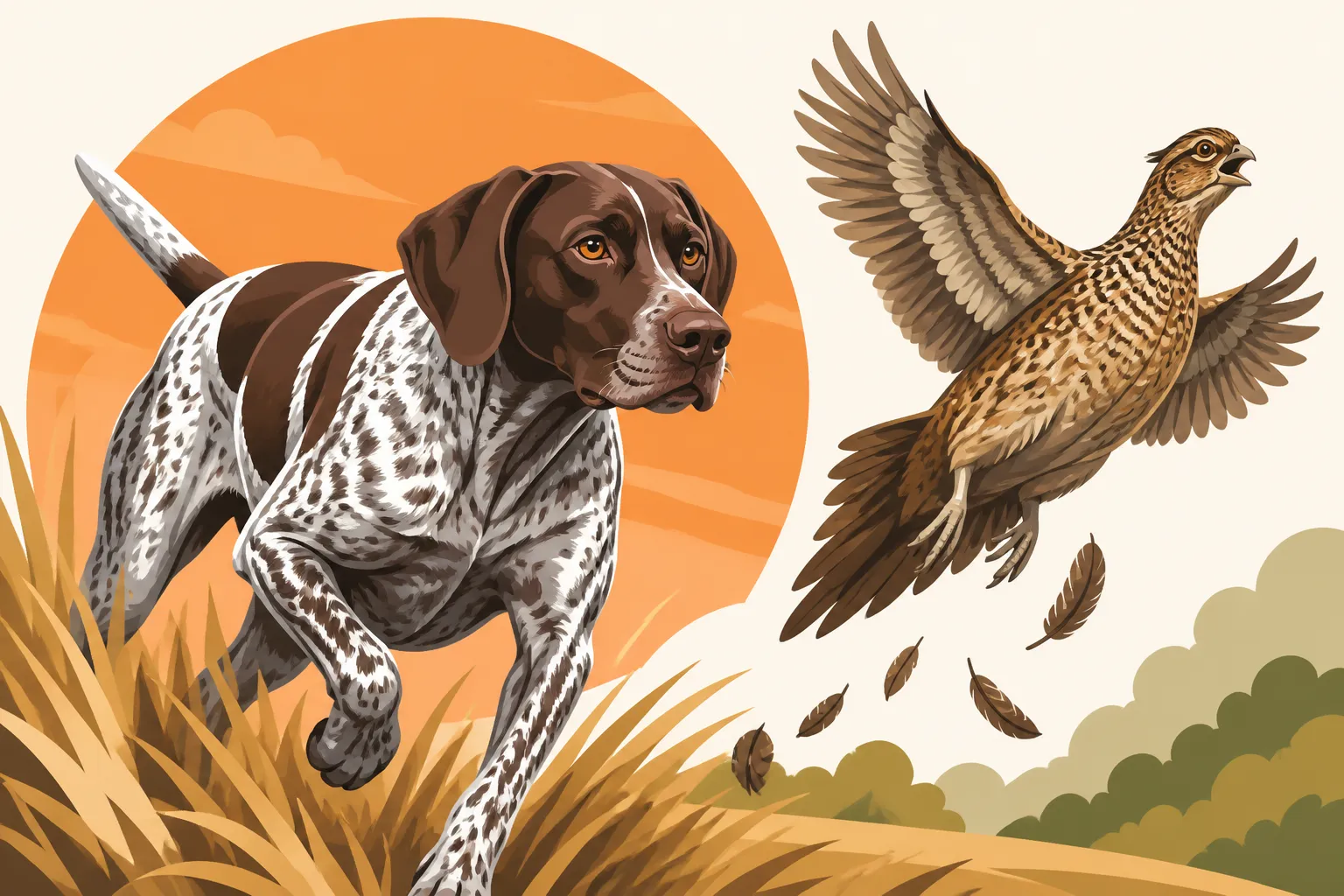
It's one of those moments that can really test your patience in the field: your German Shorthaired Pointer, a dog bred for impeccable bird work, races out, makes a beautiful retrieve, and then—thud—drops the bird a few feet, or even a few yards, short of your outstretched hand. You know your Shorthair has it in them to deliver right to hand, so why are they letting go early? This guide is going to dig deep into why this happens and give you actionable steps to get that retrieve polished, ensuring your GSP brings every bird straight to you, every single time.
Understanding Why Your Shorthair Might Drop the Bird Short
The short drop, as we lovingly call it, isn't usually a sign of malice or defiance in your German Shorthaired Pointer. More often, it's a breakdown in communication, a lack of solid foundation, or sometimes, even a physical discomfort. Understanding the root cause is the first step to fixing it, because treating the symptom without addressing the underlying issue is like trying to patch a leaky boat with a band-aid – it just won't hold up in the long run.
Incomplete or Rushed Foundation Training
Think back to when your Shorthair was a puppy, eager to please but perhaps a little rambunctious. Was the concept of "hold" and "deliver to hand" meticulously taught and reinforced? Often, in our excitement to get our young German Shorthaired Pointers on birds, we might gloss over these critical early steps. Puppies naturally want to bring things to you, but they also want to play, chew, or simply drop items when they lose interest or feel awkward. If this dropping behavior isn't gently corrected and guided into a proper delivery habit from the get-go, it becomes ingrained.
Many GSPs are natural retrievers, which can sometimes be a double-edged sword. Their innate drive means they will go get the bird, but without careful shaping, that drive doesn't necessarily translate to a perfect, soft-mouthed delivery right to your palm. If your dog learned that dropping the bird near you was "good enough" early on, they're simply continuing that learned behavior. They aren't trying to be difficult; they just think they're doing what's expected. For some fantastic resources on building a strong foundation with your puppy, you might look into comprehensive programs like those offered by BAXTER & Bella, which emphasize positive, step-by-step training from the start.
Comfort, Confidence, or Distraction Issues
Sometimes, the issue isn't a lack of training, but something else entirely. Consider if the bird itself is causing discomfort. A very hot bird, a bird that's still flopping aggressively, or one with a sharp wing bone could make a dog want to release it sooner than ideal. This isn't a sign of a "hard mouth" necessarily, but rather a dog reacting to an unpleasant sensation. We want our dogs to be confident and comfortable with their retrieve, not to view it as a painful ordeal. If you notice your dog shaking their head or adjusting the bird repeatedly before dropping, this could be a clue.
Confidence plays a role too. A less confident retriever might drop the bird a safe distance away rather than coming right into your personal space for the delivery. This can be especially true if they've been harshly corrected in the past for a less-than-perfect retrieve. Distraction is another common culprit. In a bustling field environment, with other dogs, smells, and potential birds to find, your Shorthair's mind might already be on the next task, leading them to drop the current bird as an afterthought rather than completing the full retrieve sequence. For overall training tips to keep your GSP focused, articles like The Structure a German Shorthaired Pointer Needs Daily can be invaluable.
Lack of Consistent Handler Expectation
This is a big one, and often, it's us, the handlers, who inadvertently create the problem. If one day we insist on delivery to hand, but the next, we're in a rush and just grab the bird from where it's dropped, our Shorthairs quickly learn that the rules are flexible. They are incredibly intelligent and keen observers of our behavior. If there's no consistent expectation, why would they go the extra mile? Every retrieve needs to end with the bird gently placed into your hand, no matter the context—whether it's a training dummy in the yard or a pheasant in the field.
Think about the casual retrieves around the house, too. Does your Shorthair bring you their toys and then drop them at your feet, expecting you to pick them up? This seemingly innocuous behavior can translate to the field. If you're constantly picking up things your dog drops short, you're reinforcing that behavior. We need to be vigilant about requiring that final step of delivery, even in low-stakes situations. It's about building a rock-solid habit that becomes second nature.
Here's a quick overview of common reasons:
| Reason for Dropping Short | Description | Common Indicators |
|---|---|---|
| Incomplete Training | Dog wasn't taught specific "hold" and "deliver" commands from the start. | Early dropping of toys, inconsistent delivery on dummies. |
| Physical Discomfort | Hot bird, sharp bones, dental issues, or painful grip. | Shaking head, adjusting grip, reluctance to pick up. |
| Lack of Confidence | Nervousness about approaching handler for delivery, past negative experiences. | Hesitant approach, drops and backs away slightly. |
| Distraction/Anticipation | Focus on next bird, other dogs, field sounds, not fully engaged in current task. | Eyes scanning, quick drop, eager to move on. |
| Inconsistent Handler Expectation | Rules change, sometimes handler picks up, sometimes demands to hand. | Drops vary; sometimes good, sometimes bad, depends on situation. |
Addressing the "Short Drop" Through Foundation Training
Alright, so we've identified some potential reasons. Now let's talk about building that bomb-proof foundation, or re-establishing it if it's slipped. This isn't just about fixing a problem; it's about making your German Shorthaired Pointer a more polished, reliable partner in the field.
Establishing the "Hold" Command
This is absolutely crucial. Before you can ask your Shorthair to deliver, they need to understand what it means to hold an object. Start with a non-descript retrieve dummy—something soft and easy to hold. Sit with your dog in a quiet, distraction-free environment. Gently place the dummy in their mouth and give the command "hold." At first, you might need to support their jaw or hold the dummy in place for just a second. As soon as they exert any pressure to hold it themselves, even for a split second, praise them softly and take the dummy back with a "give" or "release" command. Repeat, gradually increasing the duration they hold it.
This process builds muscle memory and understanding. Avoid any force or discomfort, as this can create a negative association with holding objects. The goal is a relaxed, confident hold. You'll want to practice this many times a day in short sessions. Consistency is far more important than length here. Using a soft voice and positive reinforcement will help make this a pleasant experience for your dog. Remember, this isn't about teaching them to retrieve, but about teaching them the act of holding until released.
Perfecting the "Deliver to Hand" Command
Once your Shorthair understands "hold," you can build on that to teach "deliver to hand." Start by having them hold the dummy, as practiced. Then, with your hand cupped to receive the dummy, give a command like "deliver" or "give." As they open their mouth and allow you to take the dummy, praise and reward. It's critical that you take the dummy from them, not the other way around. If they drop it before you take it, gently pick it up, put it back in their mouth, say "hold," and try again. This might seem tedious, but it's forging that critical habit.
Initially, you'll do this right in front of them, maybe even while they're sitting between your legs. Gradually, you can introduce a short toss, then have them retrieve it and come back to you, performing the "hold" and "deliver" sequence. Make every retrieve, no matter how short, end with this perfect delivery. If you're struggling with this, looking into methods often associated with Teaching a Shorthair to Deliver a Bird to Hand can provide additional insights into building this skill.
Corrective Training Techniques for an Established Habit
So, your German Shorthaired Pointer already has the short-drop habit? Don't despair, it's fixable! It might take more patience and consistency than starting from scratch, but with the right approach, you can turn things around.
Utilizing a Check Cord and Controlled Environments
When correcting an established habit, control is your best friend. A check cord is an invaluable tool here. Attach a long check cord to your Shorthair's collar during retrieves, even for simple dummy work in the yard. When they retrieve the dummy, direct them back to you with the cord, insisting on a full, close approach. If they start to drop the dummy short, gently but firmly apply upward pressure on the check cord while giving your "deliver" or "here" command. This physical guidance helps them understand the expectation.
Practice this in a controlled environment first – your backyard, a fenced field, or even a long hallway inside the house. The goal is to eliminate distractions so your dog can focus entirely on the task at hand. Keep sessions short and positive, ending on a successful delivery. Gradually introduce more distractions once they are consistently delivering to hand in the quiet setting. You can find a good variety of check cords on platforms like Amazon, offering different lengths and materials suitable for training. For more specific guidance on check cord use, review Building Whoa on a Shorthair With a Check Cord, as the principles of control and steadying apply here too.
Applying "Force Fetch" Principles (without the full program)
Now, I'm not necessarily suggesting you jump into a full-blown force fetch program (though Force Fetch Explained for a Shorthair Owner is an excellent resource if you ever consider it). However, the principles behind force fetch—making the retrieve and delivery non-negotiable—can be incredibly useful in a modified way. This means that every single time your dog retrieves something, the outcome must be a delivery to your hand. No exceptions.
If your Shorthair drops the bird short, immediately walk to it, pick it up, put it back in your dog's mouth, and guide them back to your original position to complete the delivery properly. This might feel awkward, but it clearly communicates that dropping short does not end the task. It extends it. The dog learns that the easiest, fastest way to finish the retrieve and get praise is to bring the bird all the way in. This consistency is the most powerful corrective tool you have. It takes incredible commitment on your part, but it pays dividends.
Increasing Value of the Delivery
Sometimes, the dog simply doesn't see enough value in holding the bird and bringing it all the way to your hand. Make that moment of delivery the absolute best moment of the retrieve sequence. When they deliver the bird to your hand, heap on the praise, maybe even a small, high-value treat (if appropriate for your training style and field etiquette). The goal is to make them want to come all the way in because that's where the greatest reward lies.
Vary your rewards as well. For some dogs, the reward is simply the praise and a gentle ear rub. For others, it might be a quick, enthusiastic game of tug (with another toy, never the bird), or the release to go search for the next bird. Find what truly motivates your particular Shorthair and leverage that. This positive reinforcement, combined with clear expectations, helps reshape their understanding of the retrieve.
Preventative Measures and Ongoing Reinforcement
The best way to deal with a short drop is to prevent it from ever becoming a habit. But even if you've corrected it, ongoing reinforcement is key to maintaining that perfect delivery for years to come.
Early and Consistent Puppy Training
The groundwork for a perfect retrieve starts the moment you bring your German Shorthaired Pointer puppy home. Make retrieving a fun, positive game with soft toys. Always insist on delivery to your hand, gently guiding them if they try to drop it. This early imprinting is incredibly powerful. Every time they bring you a toy, make that final step of delivery the most rewarding part of the interaction.
Introduce the "hold" command with various objects early on, long before birds are ever in the picture. The goal is to make holding and delivering a natural, unquestioned part of their interaction with you. For puppies, these sessions should be extremely short—just a minute or two—but frequent throughout the day. Consider enrolling in Puppy Classes Before a Shorthair Starts Field Work to ensure these fundamental obedience and handling skills are rock-solid.
Routine Maintenance and Varying Scenarios
Even a well-trained German Shorthaired Pointer can regress if the behavior isn't regularly reinforced. Continue to practice retrieve and delivery drills with dummies throughout the off-season. Don't just pull out the "to-hand" expectation on opening day. Mix it up: practice in different environments, with different retrieve objects (within reason), and at varying distances. This keeps the skill sharp and generalizes it so your dog performs flawlessly no matter the situation.
Think about the conditions under which your dog might drop short. Does it happen on long retrieves? In thick cover? When they're tired? Focus your maintenance training on these weaker areas. Gradually increase the difficulty, always ensuring success before moving on. This proactive approach will help your Shorthair maintain that consistent delivery. When you introduce The First Live Bird for a German Shorthaired Pointer, be extra vigilant about delivery to hand.
When to Seek Professional Guidance
Sometimes, despite your best efforts, a habit can be deeply ingrained, or you might encounter a challenge that feels beyond your current skill set. This is absolutely nothing to be ashamed of. Knowing when to call in a professional trainer is a sign of a responsible and dedicated owner. A good bird dog trainer has a wealth of experience with German Shorthaired Pointers and their unique quirks. They can assess your dog's specific situation, identify subtle nuances you might be missing, and provide tailored techniques to overcome the short drop.
A professional trainer might suggest a more structured force fetch program, or they might identify a confidence issue that needs a different approach. They can also help you refine your handling skills, ensuring you're communicating clearly and consistently with your dog. Investing in a few sessions with a reputable trainer, especially if the problem is persistent, can save you countless hours of frustration and solidify your partnership with your Shorthair. Before you commit, consider checking out articles like What a Pro Trainer Charges to Start a Shorthair on Birds to understand what to expect.
Disclaimer
This article is for general informational purposes only and does not constitute professional advice. Laws, prices and regulations vary by location and change over time. Consult a qualified professional for guidance on your specific situation.