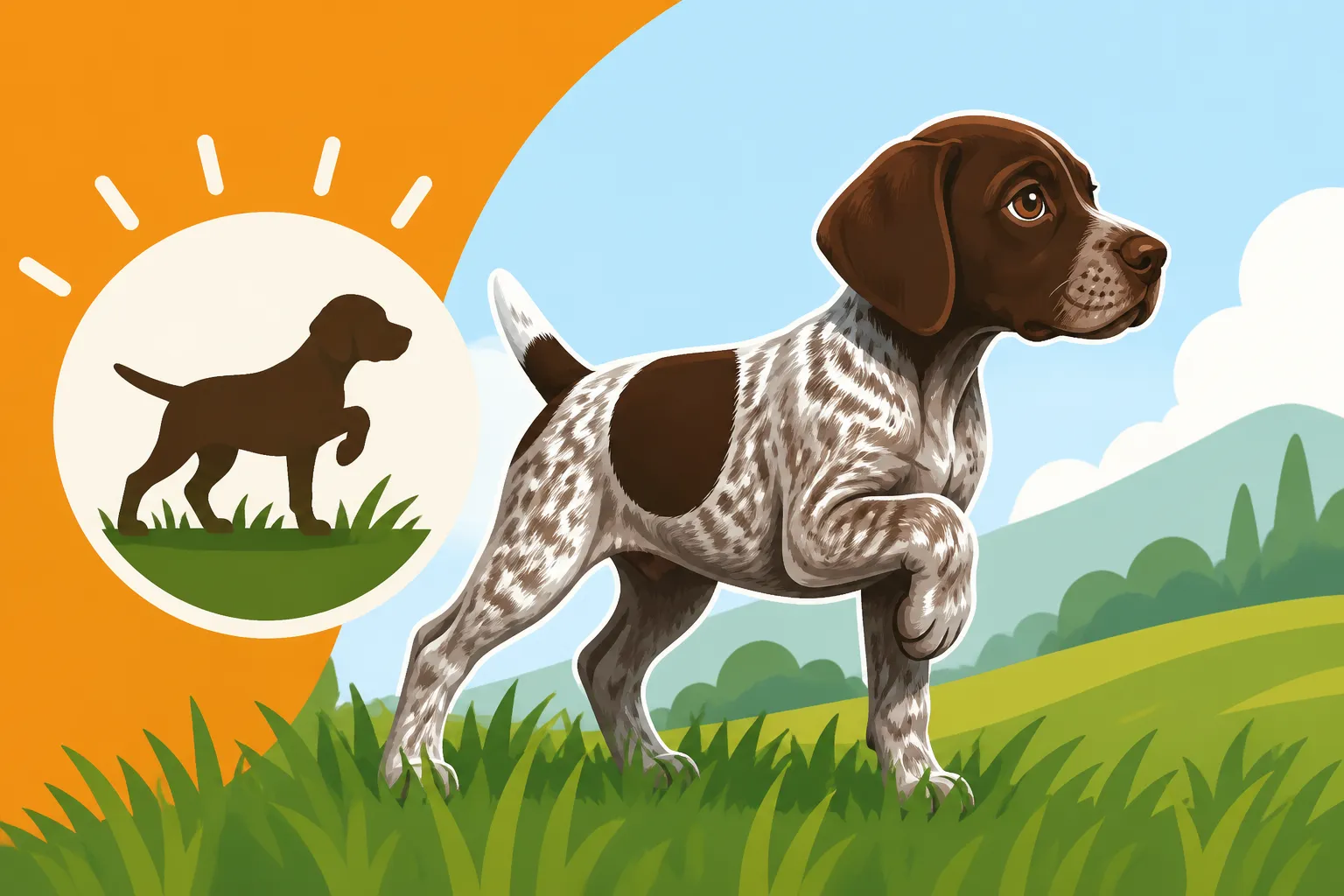
The Age a Shorthair Puppy First Points
It's one of the most anticipated moments for any German Shorthaired Pointer owner: that first unmistakable point. You watch your energetic puppy tearing around the yard or sniffing in the brush, wondering when that incredible instinct, so central to their breed, will finally click into place. It’s a moment of pure joy and validation, affirming the amazing heritage of these versatile dogs. This guide will delve into the fascinating timeline of when GSP puppies typically begin to show their innate pointing behavior, what factors can influence its emergence, and how you can gently encourage this thrilling display of natural ability.
The Innate Instinct: When Pointing Begins to Blossom
Let's be real, the pointing instinct isn't something you teach a German Shorthaired Pointer. It's woven deep into their DNA, a gift from generations of meticulously bred hunting dogs. These aren't just pets; they're working partners, and that drive to find and hold game is practically hardwired. So, when does that incredible instinct first start to show its face?
Early Glimpses: The Puppy's First Investigations
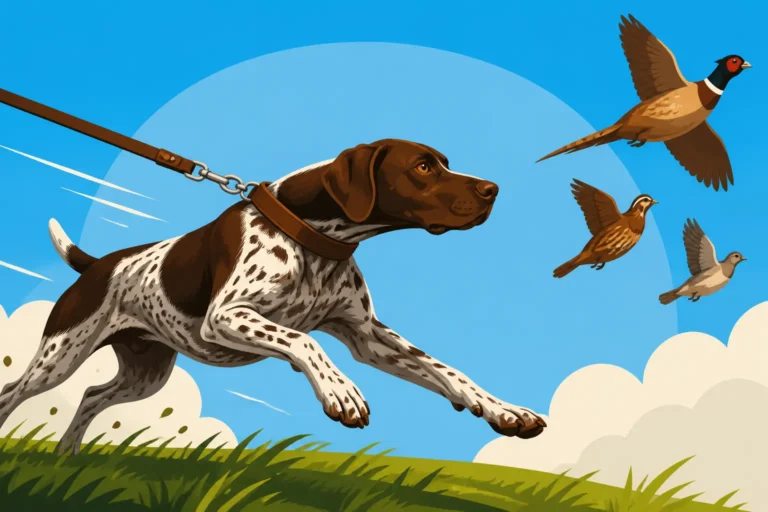
For many German Shorthaired Pointer puppies, you might catch faint, almost accidental, glimpses of pointing behavior starting as early as eight to twelve weeks old. At this tender age, it's often more of an intense freeze than a classic, statuesque point. They might be stalking a leaf blowing in the wind, a butterfly flitting by, or even just a particularly interesting spot of dirt.
Imagine your little guy, barely bigger than a minute, suddenly stopping mid-pounce. His head is low, tail might be slightly raised or even wiggling subtly, and his whole body is tense, focused entirely on whatever has captured his attention. This isn't usually a full-blown, rock-solid point, but it's the nascent stage. It's that moment of pure curiosity combined with a primal freeze response. You'll see their nose working overtime, trying to process every bit of information. It's absolutely adorable, and it’s your first hint of the magnificent bird dog they're destined to become. These early moments are less about formal training and more about simply observing and appreciating their natural gifts. You're watching their heritage unfold right before your eyes.
Developing Focus: Refining the Instinct
As your GSP puppy matures, typically between three and six months of age, these freezes become more deliberate and sustained. They're starting to connect scent with the idea of "prey," even if that "prey" is just a dust bunny or a cricket. Their focus deepens, and their body language becomes more pronounced. You'll notice the tail getting higher, often held stiffly, and that intense, almost trance-like stare.
At this stage, their world is a giant classroom, and every new scent is a lesson. If you expose them to appropriate stimuli, like a downed bird wing on a string, or even just some shed bird feathers, you'll likely see this instinct blossom more clearly. It's not about forcing them, but about providing opportunities. A lot of owners wonder Whether a Shorthair Points Naturally Without Training, and while the instinct is there, gentle exposure certainly helps refine it. It’s like a child learning to walk – they have the ability, but they need the space and encouragement to practice and get steady on their feet. Their natural enthusiasm is palpable, and even without any formal lessons, their genetics are pushing them to explore and react.
Factors Influencing the First Point
While the pointing instinct is innate, not all German Shorthaired Pointers will display it at precisely the same age or with the same intensity. Several factors play a significant role in how and when this behavior manifests. It's a blend of genetics, environment, and early experiences that shape their development.
The Role of Genetics and Breeding Lines
Let's face it, some dogs are just born with a stronger, earlier-developing point than others. This often comes down to their pedigree and the specific breeding lines they descend from. German Shorthaired Pointers from dedicated field lines, where generations of dogs have been selected for strong pointing, retrieving, and tracking abilities, often show their instincts earlier and with more intensity. Breeders in these lines are constantly evaluating their puppies for these very traits.
A puppy from parents who were "natural pointers" – dogs that locked up solid on birds from a young age without much intervention – is more likely to exhibit similar precocious behavior. Conversely, a puppy from a line bred more for conformation or as a family companion might still point beautifully, but it might take a little longer to emerge or require a bit more focused exposure. This isn't a knock against any line; it's simply acknowledging the selective pressures breeders apply. When choosing a puppy, looking into the working titles of the parents and grandparents can give you a good indication of the strength of their natural hunting abilities. You can also ask breeders about their experience with Whether a Shorthair Puppy Needs a Whoa Post for early training, as good breeders are always thinking about how to bring out these natural talents.
Environmental Exposure and Early Stimulation
Even with the strongest genetics, a puppy's environment and early experiences are crucial. A German Shorthaired Pointer puppy growing up in a home where they have opportunities to explore different textures, scents, and sounds, especially those related to birds, is more likely to engage their pointing instinct. This doesn't mean you need to be taking your eight-week-old into dense pheasant cover! It's about gentle, positive exposure.
Think about introducing them to a pigeon wing tied to a fishing pole (a classic "wing on a string"). The movement and scent can trigger that innate response. Even walks in areas where wild birds might be present, allowing them to sniff and explore naturally, can be incredibly beneficial. The more positive experiences they have with birdy scents and movements, the more confident and engaged their instinct becomes. Lack of exposure, or conversely, overly harsh or stressful early experiences, can sometimes suppress or delay the visible emergence of the point. A well-socialized puppy, introduced to novel situations in a calm and reassuring way, will feel more confident to explore and engage their natural drives. Programs like those offered by BAXTER & Bella emphasize positive reinforcement and early socialization, which indirectly supports a puppy's confidence in exploring their environment and natural instincts.
Puppy Personality and Development Pace
Just like human children, every German Shorthaired Pointer puppy is an individual. Some are bold and curious from day one, exploring every nook and cranny. Others are a bit more reserved, taking their time to observe before diving in. These personality traits can influence when and how they first display their point. A highly confident, driven puppy might appear to point earlier and with more conviction simply because they are more forward in their explorations.
Their physical and mental development also plays a role. While the instinct is there, the coordination and focus to execute a solid point take time to mature. A puppy going through a "fear stage" or dealing with a growth spurt might temporarily be less inclined to intensely focus on a bird scent. Be patient and understanding. What looks like a lack of pointing instinct might just be a temporary developmental phase. The goal isn't to rush them, but to provide consistent, positive opportunities for them to discover and develop their natural abilities at their own pace. Remember, patience is a virtue, especially with a young, energetic GSP.
Nurturing the Natural Point in Your Puppy
So, you've got this little bundle of energy, and you're eager to see that classic GSP point. How do you gently encourage it without overwhelming your puppy? It's all about positive reinforcement, appropriate exposure, and understanding their developmental stage. You want to fan the flames of their natural instinct, not force them into a mold.
Gentle Introduction to Bird Scent and Movement
The easiest and most effective way to encourage a puppy's pointing instinct is through controlled, positive exposure to bird scent and movement. You're essentially giving them a puzzle to solve with their nose. Start with something simple, like a pigeon wing on a string or a pheasant feather. Drag it along the ground, let them follow the scent, and then lift it slightly so it mimics a bird trying to escape.
Watch their reaction. When they freeze, even for a split second, that's your moment to praise them quietly and positively. You don't want to make a huge fuss and break their concentration. A soft "Good dog!" or a gentle stroke is usually enough. You can find excellent quality bird wings or training dummies on Amazon, making it easy to set up these early introductions at home. The key is to make it fun and low-pressure. If they chase the wing or try to mouth it, that's okay! They're puppies. The act of engaging with the birdy stimulus is what matters most at this stage. Keep sessions short and sweet, ending always on a positive note. These initial experiences are foundational to building their confidence and enthusiasm for game.
Structured Play and Controlled Environments
Once your puppy is consistently showing interest in a wing on a string, you can start to introduce them to slightly more structured scenarios, still keeping it very much like play. A small, fenced area in your yard or a quiet field is ideal. You want an environment free from major distractions where they can focus.
Consider using a live bird in a controlled setting, such as a Johnny House or a bird launcher, but only when you're sure your puppy is ready and interested. A launcher, operated remotely, can present a bird without you having to throw it, allowing your puppy to truly focus on the scent and the flush. Just be sure to introduce the sound of the launcher very gradually. For the first few times, you might simply place the bird in tall grass for them to "find" and point, letting it flush naturally as they get close. This builds their confidence in their own nose and instincts. Remember, the goal is discovery, not perfection. Many owners attend Puppy Classes Before a Shorthair Starts Field Work to get a good foundation in obedience before diving into more advanced bird work, which helps create a more responsive and confident hunting partner.
Observing and Reinforcing the Behavior
The beauty of a German Shorthaired Pointer is that their pointing instinct is its own reward. The thrill of finding a bird, even a hidden wing, is incredibly satisfying for them. Your role is to be a supportive observer and reinforce that natural drive. When you see your puppy lock up, quietly encourage them. If they hold the point, even for a few seconds, let them soak in that moment of intense focus.
Avoid correcting them if they break point early or bump the bird. They are learning, and any negative pressure at this stage can be counterproductive, potentially associating birds with unpleasant experiences. Instead, focus on the successes. If they show a beautiful point, celebrate that. You can even use a camera to capture these moments – it's not just for memories, but also helps you observe subtle improvements in their form and focus. Over time, as their confidence grows, you'll see those brief freezes transform into the rock-solid, intense points that German Shorthaired Pointers are famous for. Patience and positive reinforcement are your best tools in helping your puppy realize their full potential.
Common Mistakes to Avoid When Encouraging the Point
When you're eager to see your GSP puppy's natural talent shine, it's easy to inadvertently make mistakes that can confuse them or even stifle their burgeoning instinct. The key is to remember they are puppies, still developing, and learning at their own pace.
Over-Pressuring or Force-Breaking
One of the biggest pitfalls is putting too much pressure on a young puppy, expecting a polished performance too soon. Attempting to "force" a point or being overly critical if they don't hold it perfectly can backfire spectacularly. A German Shorthaired Pointer, especially a soft one, can easily become "bird shy" or lose enthusiasm if early experiences are negative or stressful.
Imagine a sensitive puppy being yelled at for breaking point, or roughly handled when they try to chase a bird. This can create a negative association with birds or with the act of pointing itself. Instead of fostering a love for the hunt, you instill fear or confusion. The pointing instinct is delicate in its early stages. It needs to be nurtured with patience and understanding. Let them explore, make mistakes, and learn without fear of punishment. This positive foundation will pay dividends in the long run, creating a confident and enthusiastic hunting partner rather than one who works out of anxiety. Remember, their enthusiasm for the hunt is their greatest asset, and you want to protect that at all costs.
Excessive Correction or Physical Punishment
This ties into over-pressuring but deserves its own specific warning. Using physical corrections or harsh verbal reprimands during early bird work can be incredibly damaging to a GSP puppy's natural pointing development. These dogs are intelligent and sensitive; they thrive on positive reinforcement and clear, consistent communication.
Punishing a puppy for chasing a bird, bumping a bird, or not holding a point long enough sends the wrong message. They don't understand the nuances of a "perfect" point yet; they're simply reacting to their instincts. Instead of teaching them what you want, you might teach them to be wary of birds, or even to hide their natural interest. Building a solid "whoa" command, for example, comes much later, after the pointing instinct is well established and strong. Trying to enforce "whoa" on a puppy that is just discovering its point is premature and can kill their drive. Focus on praise and reward for any display of pointing behavior, no matter how brief or imperfect. You can always refine control later. The goal is to encourage, not to control, the initial burst of instinct. For consistent training, even outside of bird work, check out structured programs like the one offered by BAXTER & Bella, which provides guidance on how to use positive methods for foundational skills without stifling a puppy’s spirit.
Neglecting General Training and Socialization
It might seem counterintuitive when you're focused on the point, but neglecting general obedience, socialization, and confidence-building can indirectly hinder your puppy's ability to point effectively. A well-adjusted, confident, and responsive puppy is more likely to develop a strong, steady point.
A puppy that hasn't been properly socialized might be easily distracted by new sights, sounds, or people in the field. A puppy without a reliable recall or basic obedience skills will be harder to manage during bird introductions, making controlled training difficult. Think about it: if your puppy is constantly pulling on the leash, anxious about new places, or simply not listening to you, how can they focus intently on a bird scent? Foundational training like walking nicely on a leash, a solid recall, and The Structure a German Shorthaired Pointer Needs Daily all contribute to a balanced dog. These skills create a calm, attentive partner who is ready to learn and engage their natural abilities. Don't put all your focus on birds; ensure you're raising a well-rounded, confident individual first.
Understanding the Development Timeline
Just as with children, puppies develop at different rates. While we can provide general age ranges for when a GSP puppy might start pointing, it's important to understand this isn't a rigid schedule. Your puppy is an individual, and their journey will be unique.
Why Some Puppies Are "Later Bloomers"
It's common for owners to worry if their GSP puppy isn't showing a strong point as early as their friend's dog or what they've read online. But remember, later bloomers are perfectly normal and can develop into exceptional bird dogs. Several factors might contribute to a delayed display of pointing. Perhaps they had less early exposure to birds, or they might simply be a more observant, thoughtful puppy who takes their time to process stimuli.
Sometimes, a puppy might have a slightly less pronounced "natural retrieve" or "natural point" from a genetic standpoint, but with the right exposure and encouragement, these traits can be brought out beautifully. Don't despair if your six-month-old isn't locking up like a statue on every sparrow. Continue with positive, low-pressure introductions to birds and scent. Sometimes, the instinct just needs a little more time and a few more positive experiences to fully awaken. It's truly a marathon, not a sprint, when it comes to developing a bird dog.
The Spectrum of Pointing Styles
You'll also notice a spectrum of pointing styles even among young German Shorthaired Pointers. Some might have a "high head, high tail" point from the get-go, looking very classic. Others might have a "low crouch" point, almost creeping forward, or a more subtle "head turn" and freeze. All of these are valid expressions of the pointing instinct in a young dog.
The intensity can also vary. Some puppies will point with an almost frantic energy, trembling with excitement. Others will be calm and collected. Over time, with maturity and experience, these styles tend to become more refined and consistent. What matters most is that sustained focus on the bird or scent, indicating that their hunting drive is engaged. Don't get caught up in trying to mold their style too early. Appreciate the unique way your individual puppy expresses their incredible heritage. The diverse range of pointing behaviors just shows how rich and varied their natural instincts are.
When to Seek Professional Guidance
If your German Shorthaired Pointer puppy is approaching their first birthday and has shown absolutely no interest in birds or bird scent, despite consistent, positive exposure, it might be worth consulting with a reputable professional bird dog trainer. They can offer an objective assessment of your dog's instincts and suggest tailored strategies.
A trainer can help determine if there are any underlying issues or if your approach needs adjustment. They have experience with many different dogs and can often pick up on subtle cues that an owner might miss. They can also provide access to controlled training grounds and various types of birds, offering your dog a wider range of experiences. Remember, seeking professional help isn't a sign of failure; it's an investment in your dog's potential and your relationship with them. Just like with any skill, sometimes a little expert guidance can make all the difference in unlocking a dog's full abilities.
Here's a quick overview of typical pointing development stages:
| Age Range | Typical Behavior | What to Observe & Do |
|---|---|---|
| 8-12 Weeks | Brief freezes, intense curiosity, stalking small objects. | Look for intense focus on anything novel (leaves, bugs, shadows). Praise quiet observation. Use a Wing on a String for a Shorthair Puppy. |
| 3-6 Months | More deliberate freezes, increased duration, tail may rise. | Introduce controlled bird scent/wings. Allow natural flushes. Keep it fun and low-pressure. Focus on engagement, not perfection. Consider Using Pigeons to Start a Shorthair. |
| 6-12 Months | More consistent pointing on game, developing focus. | Continue structured bird introductions. Begin basic "whoa" training after the point is strong, such as The Age a Shorthair Puppy Starts Whoa. Reinforce positive bird behavior. |
| 12 Months+ | Refining point, building steadiness, developing style. | Advanced training, working on steadiness to flush and shot. Addressing any issues like A Shorthair That Bumps Birds Instead of Pointing. Seek professional guidance if the instinct is absent. |
The journey of watching your German Shorthaired Pointer puppy develop their pointing instinct is one of the most rewarding aspects of owning this incredible breed. It’s a testament to their heritage and your dedication.
Disclaimer
This article is for general informational purposes only and does not constitute professional advice. Laws, prices and regulations vary by location and change over time. Consult a qualified professional for guidance on your specific situation.