A Shorthair That Pulls Toward Every Bird It Sees
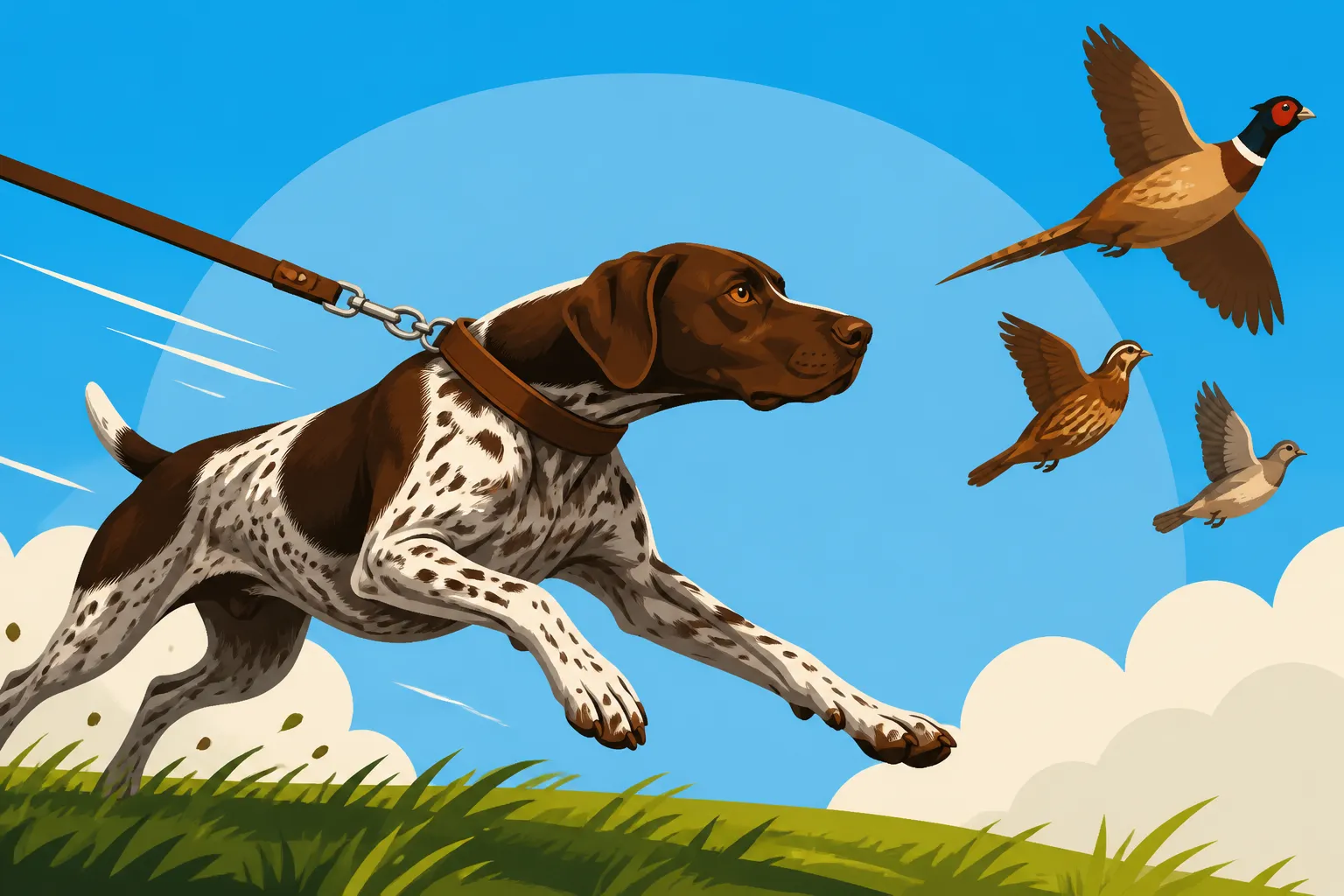
It’s a scenario every German Shorthaired Pointer owner knows all too well: you’re enjoying a nice walk, maybe through a park, along a quiet trail, or even just down the street, when suddenly – a bird! A pigeon pecking in the grass, a robin flitting across the path, or a flock of sparrows taking flight. In an instant, your otherwise well-behaved Shorthair transforms into a pulling machine, straining at the leash with every fiber of their athletic body, often letting out an excited whine or bark. This guide is here to help you understand why this happens and, more importantly, equip you with actionable strategies to maintain control and make walks enjoyable again, even with birds around.
Understanding Your Shorthair's Instincts
Dealing with a German Shorthaired Pointer that pulls towards every bird isn't just a matter of "bad manners." It's a deep dive into the very soul of the breed, a direct expression of generations of selective breeding. These dogs weren't just meant to find birds; they were engineered to be passionate, relentless, and driven in their pursuit. Trying to suppress this without understanding it is like asking a fish not to swim.
The Unmistakable Drive: Why Birds Are Irresistible
Let's be real: your German Shorthaired Pointer isn't pulling because they're being naughty. They're pulling because they are doing exactly what they were bred to do. Their ancestors were developed in Germany to be versatile hunting dogs, capable of pointing, retrieving, and tracking both feather and fur. This means they possess an incredibly strong prey drive, an almost insatiable urge to locate, pursue, and ideally, "catch" game. Birds, in particular, ignite every instinctual spark in their brain.
Imagine for a moment what it's like for your Shorthair. Their nose, an incredible instrument far more sensitive than ours, picks up the subtle scent of a bird long before you ever see it. Their eyes, honed for detecting movement, catch the slightest flutter of wings or a quick dart of a small bird on the ground. When these sensory inputs hit, it's not just a casual interest; it's a primal call to action. It's a sudden surge of adrenaline, a deep-seated programming that screams, "There's game! Go get it!" It's incredibly difficult for them to ignore, and it takes a monumental amount of self-control, learned through consistent training, to override that powerful urge. Validate that feeling of helplessness you sometimes have – they feel it too, just from a different perspective!
The Thrill of the Chase: What Pulling Accomplishes (for them)
From your Shorthair's point of view, pulling often works. Think about it: they see a bird, they lunge, they pull, and often, they get a little closer to the bird. Sometimes the bird flies away, which, in their mind, might register as "I chased it and it fled!" Other times, if you're not quick enough, they might actually reach the spot where the bird was, confirming their "success." Every single time they pull and achieve even a tiny fraction of their goal (getting closer, making the bird move), that behavior is reinforced. It's a powerful feedback loop: pull hard, get closer, maybe the bird moves, success!
This isn't malicious, but it's a deeply ingrained pattern that needs to be broken. If they learn that pulling gets them what they want – even if what they want is just a fraction of a second closer to that tantalizing avian scent or sight – they will continue to do it. Our job as owners is to shift that perception, to teach them that calmness and listening to us are what truly gets them closer to their goals, or at least allows them to investigate safely and politely. This takes patience and consistency, because you’re essentially reprogramming generations of instinct.
Essential Foundations for Leash Control
Before you can even begin to tackle the specific challenge of birds, your German Shorthaired Pointer needs a rock-solid foundation in general leash manners and obedience. Without these basics, adding the high-level distraction of birds is like trying to build a roof without walls. It just won't stand.
Mastering Basic Obedience in Distraction-Free Environments
The journey to a calm, bird-ignoring Shorthair starts far away from any birds at all. You need to build a bomb-proof "heel," a reliable "watch me," and an ironclad "leave it" in environments where distractions are minimal. Start in your living room, then your yard, then a quiet street corner before gradually adding more stimulation.
- Heel: Your Shorthair needs to understand that walking politely by your side, with a loose leash, is the default and most rewarding position. Practice short bursts of heeling, rewarding them generously with high-value treats and praise every few steps they stay in position. If they pull, immediately stop, redirect their attention, and restart. Consistency is key here. You want them to associate being next to you with good things, not just "no pulling." Many owners find success using a check cord in early stages to gently guide and reinforce the heel position without putting excessive pressure on their neck.
- Watch Me: This command is your absolute lifeline. It teaches your dog to make eye contact with you on cue, regardless of what else is happening. Start by holding a treat near your eye and saying "watch me." The moment their eyes meet yours, mark it (with a clicker or a verbal "yes!") and reward. Gradually increase the duration of eye contact and introduce minor distractions. When a bird appears, your first response should be "watch me!"
- Leave It: This is crucial for impulse control. Start with a low-value item on the floor, cover it with your hand, say "leave it." When your dog looks away, mark and reward with a different, higher-value treat. Slowly progress to uncovered items, then leaving items on the ground while walking past. The goal is to teach them that ignoring something tempting leads to an even better reward from you. This command will be indispensable when you spot a bird before your Shorthair does.
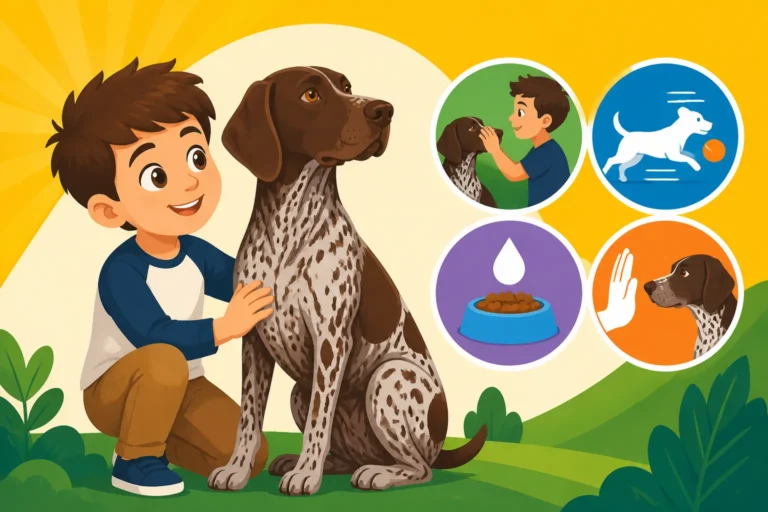
Remember, practice these commands in short, frequent sessions. A German Shorthaired Pointer has incredible energy, both mental and physical, and needs The Structure a German Shorthaired Pointer Needs Daily. This includes dedicated training time. Building these foundations might seem tedious, but it is the groundwork for success with birds.
Choosing the Right Gear for Leash Training
The right equipment can make a world of difference when you’re dealing with a powerful, determined German Shorthaired Pointer. A flat collar, while fine for identification, often exacerbates pulling because it puts pressure on their throat, triggering an opposition reflex – they pull against the pressure.
Here's a comparison of common training tools:
| Training Tool | Description | Pros | Cons | Best Use |
|---|---|---|---|---|
| Flat Collar | Standard collar around the neck. | Inexpensive, comfortable for the dog when not pulling. | Encourages pulling, can cause neck strain, offers little control. | Identification tag holder, very light leash walking for already trained dogs. |
| Front-Clip Harness | Attaches the leash to a ring on the dog's chest. | Redirects pulling force to the side, reduces lunging, doesn't choke. | Can tangle legs if poorly fitted, some dogs still pull effectively. | General loose-leash training, preventing choking, good for strong pullers. |
| Head Halter | Fits over the muzzle and behind the ears, similar to a horse halter. | Excellent control of the head, immediately stops pulling, no neck strain. | Can be uncomfortable or alarming for dogs initially, requires careful introduction. | Dogs with extreme pulling, head-shy dogs need slow desensitization. |
| Back-Clip Harness | Attaches the leash to a ring on the dog's back. | Comfortable for dog, less chance of tangling. | Can actually encourage pulling, as it allows the dog to lean into it. | Dogs that don't pull, small dogs, less control than a front-clip. |
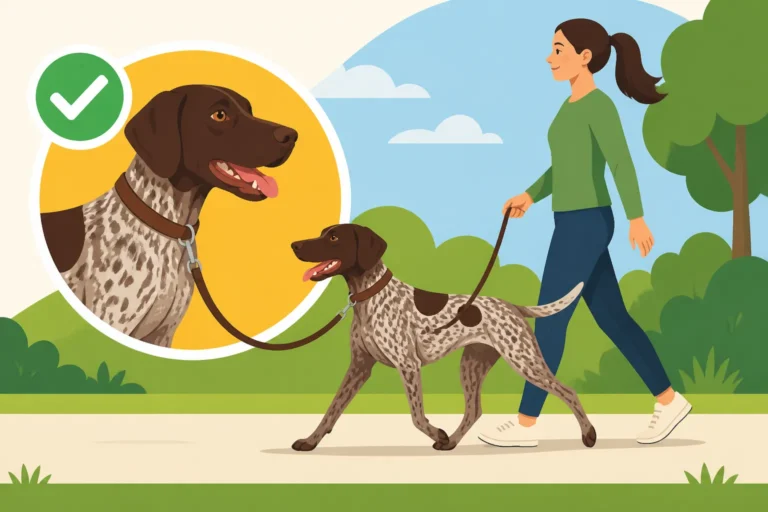
For a strong Shorthair that pulls, a front-clip harness is often an excellent starting point. Brands readily available on Amazon offer a wide range of sizes and designs. When the dog pulls, the leash attachment on the chest causes them to turn back towards you, making it uncomfortable to pull forward. A head halter, like those from Gentle Leader, can provide even more immediate control, as where the head goes, the body follows. However, many dogs find head halters strange or even aversive at first, so they require a slow, positive introduction with lots of treats to create a good association.
Avoid retractable leashes. They teach your dog that pulling is okay, as the leash is constantly extending, and they offer virtually no control when you need it most, especially with a lunging GSP. A sturdy 6-foot nylon or leather leash is your best friend.
Strategies for Training Around Bird Distractions
Once your German Shorthaired Pointer has a solid grasp of basic obedience in low-distraction environments and you have the right equipment, it's time to tackle the real challenge: birds! This phase requires patience, consistency, and a proactive approach.
Proactive Management and "Look at That"
The best defense is a good offense. Instead of reacting to your Shorthair’s lunging, you want to anticipate the distraction and interrupt the behavior before it starts. This is where your observation skills become paramount.
- Scanning Ahead: As you walk, constantly scan your environment. Look for birds in trees, on the ground, or flying in the distance. The moment you spot one, before your Shorthair does, you have a window of opportunity.
- "Look at That" Game: This is a fantastic technique to change your dog's emotional response to triggers. The moment you see a bird (or any trigger) in the distance, before your Shorthair reacts, say "Look at that!" (or "Bird!") in a happy, neutral tone. Immediately, and quickly, give them a high-value treat. You're not asking them to ignore the bird; you're teaching them that the appearance of a bird predicts something good happening from you. Over time, instead of pulling, they might start looking at you when they see a bird, anticipating their reward. Start with birds far away and gradually decrease the distance as they get better.
- Redirection and Engagement: If your Shorthair hasn't noticed the bird yet, or if you want to prevent them from locking on, try to engage them with a quick game or command. A sudden "sit" and "stay" for a treat, or a short, brisk run in a different direction, can sometimes break their focus before the instinct takes over. Always have high-value treats (think cooked chicken or cheese) readily available in a treat pouch.
Consistency is key. Every time you proactively manage the situation and reward your Shorthair for not reacting, you're building a new, more desirable habit.
Controlled Exposure and Desensitization
This is where you intentionally expose your German Shorthaired Pointer to birds in a controlled manner, so they can learn to be calm in their presence. This isn't about letting them chase; it's about teaching neutrality.
- Start Small, Stay Distant: Begin by finding locations where birds are present but at a significant distance. Maybe a large park where pigeons are far off, or a field where you know birds might be. The goal is to be far enough away that your Shorthair notices the birds but doesn't feel the overwhelming urge to lunge. At this distance, practice your "watch me" and "leave it" commands. Reward heavily for any calm behavior, any loose leash, any glance towards you.
- Gradual Approach: Over many sessions, slowly decrease the distance to the birds. Only move closer when your Shorthair demonstrates consistent calm behavior at the current distance. If they start to get overly excited or pull, you've gone too close, too fast. Move back to a comfortable distance and try again next time. Patience here is paramount. This can take weeks or even months.
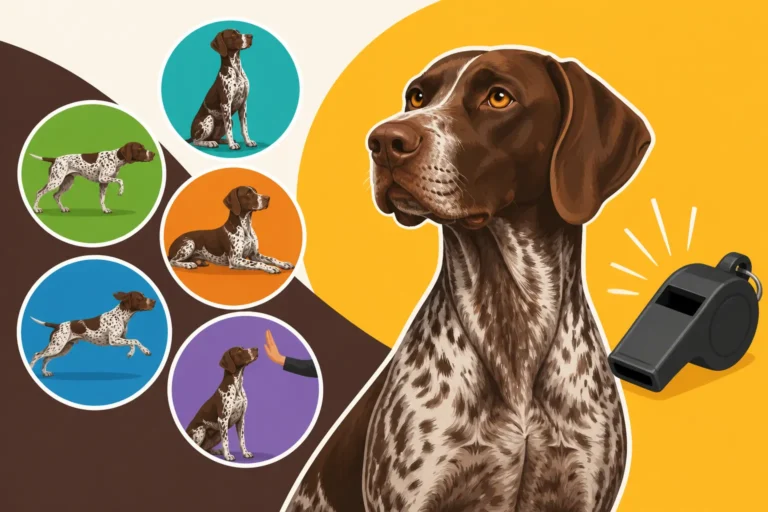
- "Whoa" Training: For German Shorthaired Pointers, even if they're purely pets, teaching a solid "whoa" command can be incredibly beneficial. Whether a Pet Shorthair Needs Whoa at All explores why this traditional bird dog command is so valuable. "Whoa" essentially means "freeze in place, stop all forward motion." You can start this by teaching your dog to stand still on an elevated platform (like a training table or barrel) and gradually moving to a check cord in the yard. The goal is that when you say "whoa," your dog stops instantly and holds their position, even when distractions are present. This provides you with an invaluable tool to stop their forward motion when a bird is sighted.
It's about creating positive associations with birds and your control. If every time a bird appears, you calmly direct and reward your dog, their internal programming begins to shift from "chase!" to "owner will guide me, and good things happen."
Reinforcing Calmness and Loose Leash Walking
Ultimately, the goal isn't just to stop the pulling; it's to foster a calm, enjoyable walking experience for both of you. This involves consistent reinforcement of good behavior and understanding your Shorthair's energy needs.
- High-Value Rewards Are Non-Negotiable: When you're working with such a powerful instinct, your rewards need to compete with the thrill of the chase. Dry kibble often won't cut it. Use soft, stinky, pea-sized treats like bits of hot dog, cheese, or cooked chicken. These are the "jackpots" that make obeying you more appealing than chasing a bird.
- "Be a Tree" Method: This classic loose leash walking technique is simple but effective. The moment your Shorthair pulls on the leash, you immediately stop, stand still like a tree, and wait. Do not move forward until the leash goes slack. The second it loosens, even for a moment, you can praise them and resume walking. If they pull again, you stop again. This teaches them that pulling gets them nowhere, while a loose leash allows them to keep moving. It might feel like you're not getting anywhere at first, but with a German Shorthaired Pointer, persistence pays off. For more in-depth guidance on this, consider resources on Loose Leash Walking a German Shorthaired Pointer.
- Adequate Exercise: A tired German Shorthaired Pointer is a better-behaved German Shorthaired Pointer. Ensure your dog is getting sufficient physical and mental exercise before you head out for a walk where birds might be a problem. This breed needs Ninety Minutes of Real Exercise for a Shorthair daily, minimum, and often more. A good run, fetch session, or mental puzzle game can take the edge off their energy and make them more receptive to training.
When Professional Help and Advanced Techniques Are Needed
Sometimes, despite your best efforts, the bird drive in your German Shorthaired Pointer feels insurmountable. This isn't a failure on your part; it simply means you might need additional tools or guidance from someone with more experience handling high-drive dogs.
Recognizing When You're Stuck
There's no shame in admitting you need help. If you're feeling frustrated, consistently struggling to make progress, or if your Shorthair's pulling is becoming dangerous (e.g., they're pulling you off your feet, or into traffic), it's time to call in a professional.
Signs you might need a trainer:
- You've been consistent with training for weeks or months, but see little to no improvement.
- Your dog's reaction to birds is escalating (more barking, lunging, harder pulling).
- You feel overwhelmed or unsure of what steps to take next.
- The problem is affecting your enjoyment of walks or your dog's quality of life.
A good professional trainer, especially one experienced with working breeds like German Shorthaired Pointers, can assess your dog's individual temperament, identify specific triggers, and develop a customized training plan. They can teach you new techniques, refine your timing, and provide hands-on guidance in controlled environments. They can also help you develop effective Whistle Commands a Shorthair Should Know or hand signals at two hundred yards for better control at a distance. Don't view it as a failure, but as an investment in a better relationship with your dog.
Considering E-Collars for Advanced Control
For German Shorthaired Pointers with extreme prey drive and handlers who are committed to extensive field work or advanced obedience, an e-collar (electronic collar) can be a valuable tool, but it's not a first step and requires careful, ethical use. When an E-Collar Belongs on a German Shorthaired Pointer is an excellent resource to consider.
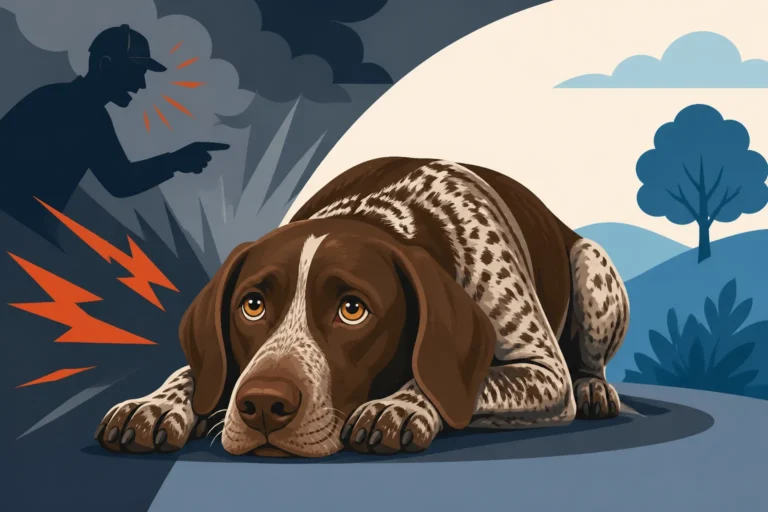
E-collars are primarily communication tools. They provide a remote way to deliver a gentle stimulation (often misunderstood as a "shock") to interrupt unwanted behaviors or reinforce commands at a distance. However, improper use can create fear, anxiety, or aggression, so professional guidance is absolutely essential for safe and effective integration.
If you choose to explore e-collar training:
- Seek Professional Guidance: Find a certified professional trainer who specializes in e-collar conditioning for hunting or working dogs. They will teach you how to introduce the collar positively, find your dog's "working level" (the lowest level of stimulation they perceive), and use it humanely and effectively.
- Foundation First: The e-collar is not a magic bullet. Your dog must already understand basic obedience commands like "heel," "watch me," and "leave it" without the collar. The e-collar's purpose is to reinforce these commands at a distance or in high-distraction scenarios, not to teach them from scratch.
- Positive Reinforcement: E-collar training should always be paired with positive reinforcement. It's about clear communication: "When you feel this, do X, and you get a reward." It's not about punishment. Programs like BAXTER & Bella often offer comprehensive online courses that can guide you through the process of integrating various tools, including e-collars, with positive reinforcement, emphasizing the relationship building alongside training.
- Gradual Introduction: Start in low-distraction environments, just like with any other training tool. Only gradually increase distractions and distance once your Shorthair understands the connection between the stimulation and the desired behavior. Conditioning a Shorthair to the E-Collar Properly is vital for ethical use.
An e-collar, when used correctly and ethically by an experienced handler, can provide an unparalleled level of control and safety for a high-drive German Shorthaired Pointer, allowing them more freedom in appropriate environments while ensuring they remain responsive even to the most tempting bird distractions.
Remember, living with a German Shorthaired Pointer is a journey of understanding and channeling their incredible instincts. By setting strong foundations, being proactive, and seeking help when needed, you can transform those bird-crazed walks into enjoyable, controlled adventures.
Disclaimer
This article is for general informational purposes only and does not constitute professional advice. Laws, prices and regulations vary by location and change over time. Consult a qualified professional for guidance on your specific situation.