A Shorthair That Whines in the Truck
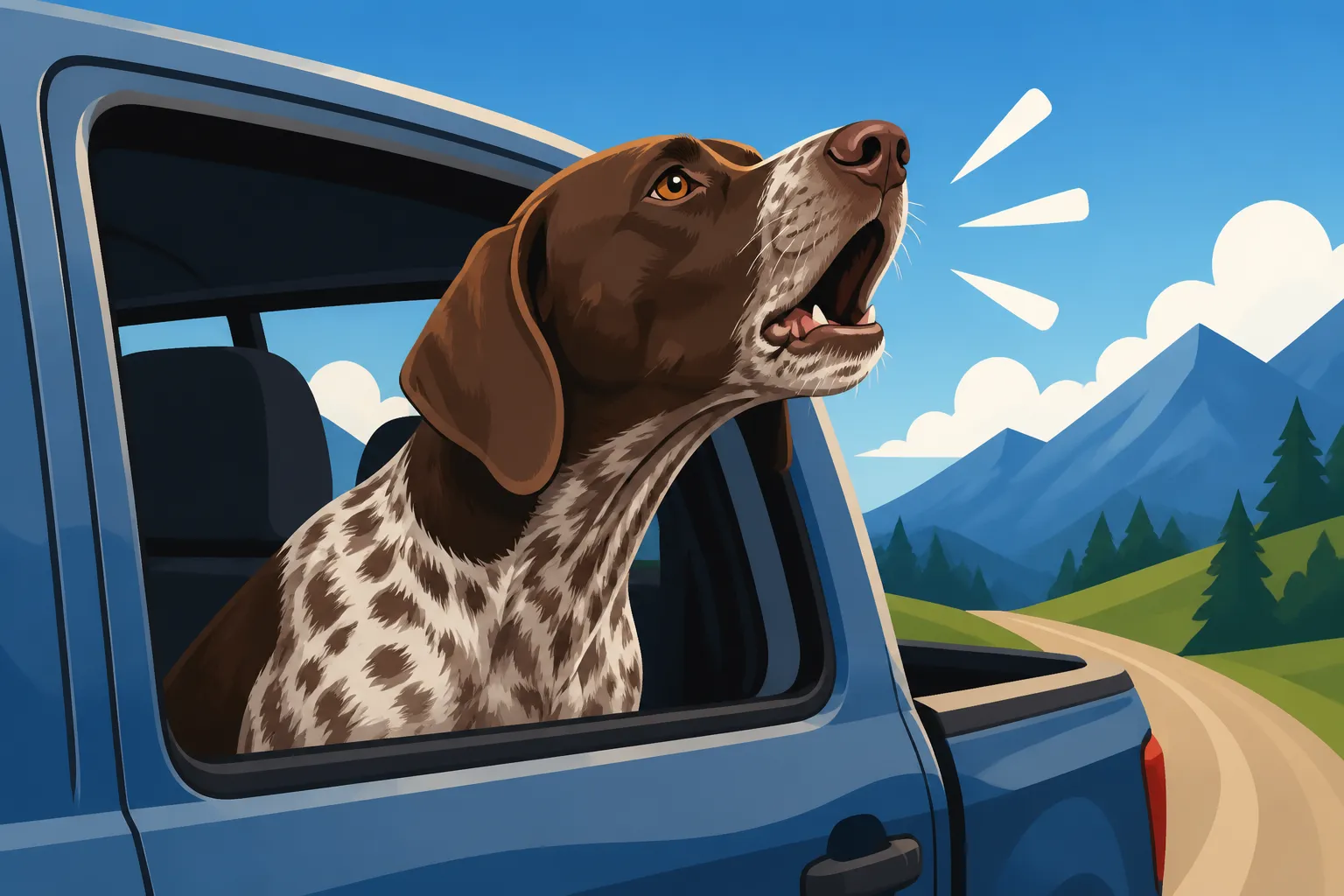
Oh, the truck whine! It's a sound that many German Shorthaired Pointer owners know all too well, especially when you're heading out to the field or even just to the vet. That persistent, high-pitched vocalization can be incredibly frustrating, making every journey feel like an endurance test rather than a pleasant drive with your best pal. This guide is here to help you understand why your energetic Shorthair might be turning into a car crooner and, more importantly, what you can do to bring some peace back to your travels.
Why Your German Shorthaired Pointer Whines in the Truck: Decoding the Cause
Before you can tackle the whining, you've got to figure out what's causing it. German Shorthaired Pointers are a breed bursting with intelligence, sensitivity, and an incredible drive, which means their reasons for vocalizing in the truck can be varied. It’s rarely just one simple thing; often, it's a cocktail of emotions and instincts. Pinpointing the root cause is the first, crucial step toward finding a solution that actually sticks.
Over-Excitement and Anticipation
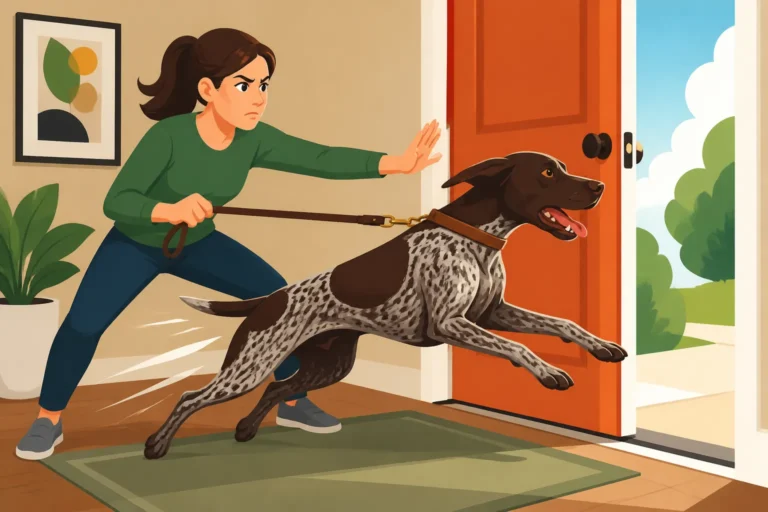
This is perhaps the most common culprit for many working breeds, and especially for our beloved Shorthairs. German Shorthaired Pointers live for action, for the hunt, for the boundless energy release of the field. When that truck starts, and particularly when it turns onto familiar roads leading to a hunting preserve, a favorite hiking trail, or even just the dog park, their internal anticipation meter skyrockets. They know what's coming, or at least they have a pretty good idea, and that excitement can manifest as whining.
Imagine your dog's brain: "Oh my goodness, the truck! Are we going hunting? Is it birds? Is it rabbits? I can smell the fresh air, I see the gear, this is IT!" They might start pacing, panting, and then that distinctive whine begins, a build-up of unspent energy and sheer joy that they just can't contain. This isn't necessarily a bad emotion, but it can be overwhelming for them and definitely for you. It's their way of saying, "Let's go, let's go, let's GO!" This kind of whining often starts as soon as the vehicle moves, or even when you just grab the keys.
Anxiety and Stress Related to Travel
On the flip side of excitement lies anxiety. Some German Shorthaired Pointers, despite their bold nature in the field, can find car travel inherently stressful or even frightening. This could stem from a negative past experience, like a scary vet visit or an accident, or it could simply be the motion itself. Dogs don't always understand the physics of a moving vehicle, and the sensation can be disorienting or nauseating.
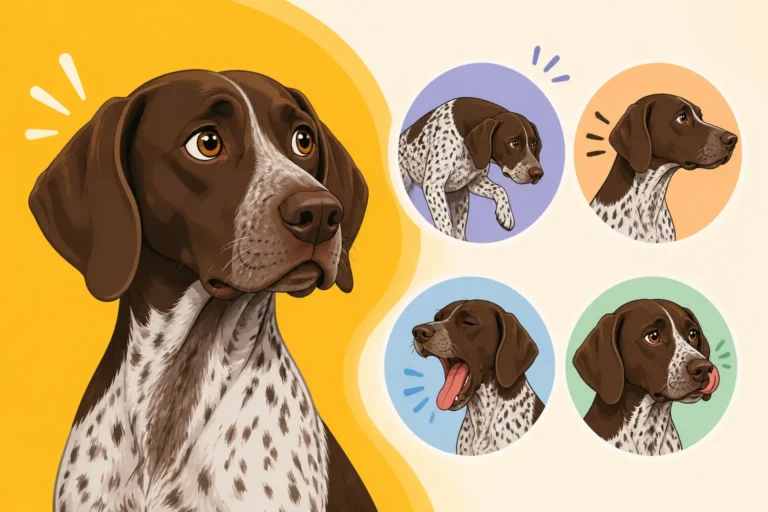
A Shorthair experiencing anxiety might also exhibit other signs: excessive drooling, licking their lips, yawning frequently, trembling, or even trying to hide. The whining here isn't about anticipation but rather a plea for comfort or an expression of discomfort. If your dog whines during every car ride, regardless of destination, and seems generally unhappy in the truck, anxiety is a strong possibility. It's worth considering if their fear is related to specific parts of the journey, like highway speeds or busy traffic, or if it's the entire experience. Sometimes, it's a subtle motion sickness that causes underlying nausea, and they simply can't tell you directly.
Attention-Seeking and Boredom
Our German Shorthaired Pointers are incredibly intelligent and keenly observant. They learn quickly what gets a reaction from us. If your Shorthair whines and you instinctively reach back to pet them, speak to them, or even scold them, you've just inadvertently reinforced the behavior. They've learned that whining in the truck gets your attention, good or bad, and for a dog that thrives on interaction, any attention is better than none.
Boredom can also play a role, especially on longer trips where the initial excitement wears off, or if the destination isn't particularly thrilling for them (like a trip to the groomer). A GSP's mind is always active, and if there's nothing stimulating to do, they might resort to vocalizing just to break the monotony. This isn't usually the primary cause for most Shorthairs, given their typical drive to go, but it can exacerbate other issues or emerge on its own during extended periods of inactivity in the vehicle. Think about a GSP who has had little Exercise a Shorthair Needs Before a Work Day – that pent-up energy can turn into a chorus of complaints in the truck.
Strategies for Quieting a Whining Shorthair: Training and Management
Once you have a working theory about why your German Shorthaired Pointer is whining, you can start implementing targeted strategies. This isn't about silencing them entirely, but rather about redirecting their energy, easing their fears, or changing the reinforcement loop. Patience and consistency are key, as Shorthairs are smart and will test your resolve!
Desensitization and Positive Reinforcement for Calmness
For both anxiety and excitement-related whining, desensitization combined with positive reinforcement is a powerful tool. The goal is to gradually expose your dog to the truck in a positive, low-stress way, helping them associate it with good things rather than anxiety or over-arousal.
Start small. Don't even turn the truck on. Just open the door and let your Shorthair explore it, offering high-value treats and praise for calm investigation. You might use a clicker if you do clicker training, clicking and treating any moment of quiet interest. Then, move to getting in, starting the engine, and letting it idle while still parked. If they remain calm, reward them generously. Slowly progress to short drives down the driveway, around the block, and eventually to slightly longer trips. The trick is to keep these initial "training rides" short and always end on a positive note. Don't always go to a place of high excitement; mix in mundane trips to the gas station or a friend's house.
You can also use this time to practice quiet moments. When they're in the truck, waiting for you to get in, and they're quiet for even a second, immediately reward that silence. This helps them understand that quiet gets the good stuff, not the whining. For guidance on creating a calm environment, you might find tips in Building a Shorthair's Tolerance for Being Alone, as the principles of managing anxiety can carry over.
Managing Excitement and Boredom with Mental and Physical Stimulation
If excitement is the main driver, you need to find ways to manage that energy before and during the trip. A tired German Shorthaired Pointer is often a calmer one. Before a long drive, or even a short one to the hunting grounds, make sure your Shorthair has had a good, vigorous exercise session. A long run, a game of fetch, or some intense training can drain some of that boundless energy.
During the ride, especially if it's a long haul, provide mental stimulation. Puzzle toys filled with treats or a long-lasting chew can keep their minds occupied and mouths busy. This redirects their focus away from the windows and the anticipation, giving them something constructive to do. Brands like Amazon offer a wide variety of durable puzzle toys specifically designed for strong chewers and intelligent breeds like the GSP. You could also pack a favorite toy they only get in the car, making it a special, calming item. Consider articles like Puzzle Feeders and Scent Games for a Shorthair for ideas on engaging their minds.
Here's a quick comparison of whining causes and potential training solutions:
| Cause of Whining | Signs to Look For | Training & Management Strategies |
|---|---|---|
| Over-Excitement | Pacing, panting, tail wagging, vocalizing as soon as keys jingle or truck starts, focus on destination. | Pre-trip exercise, consistent calm departures, mental stimulation (chews, puzzle toys), teach "quiet" command, vary destinations. |
| Anxiety/Stress | Drooling, lip licking, yawning, trembling, trying to hide, whining regardless of destination, reluctance to enter truck. | Gradual desensitization, positive associations (treats, praise in truck), comfortable and secure travel crate, calming supplements (consult vet), counter-conditioning. |
| Attention-Seeking | Whining escalates with any human interaction (looking, talking, touching), stops when ignored, resumes when attention is given. | Strictly ignore whining, reward silence, consistent "place" or "stay" command in truck, offer appropriate chew toy before whining starts. |
| Boredom | Whining on long, uneventful trips, looking around restlessly, possibly starts after initial excitement fades. | Provide engaging chew toys or puzzle feeders, stop for short potty/stretch breaks, occasional quiet praise for calm behavior. |
Utilizing Specific Training Techniques
Beyond general positive reinforcement, some specific techniques can be incredibly helpful.
"Quiet" Command: Teach your Shorthair a "quiet" command. Start this at home, not in the truck. When they're barking or whining, wait for a momentary lull, say "Quiet," and reward. Over time, you can extend the duration of silence before rewarding. Once mastered at home, you can begin to apply it in the truck for very short durations.
Crate Training: A well-crate-trained German Shorthaired Pointer often feels more secure in a crate, especially in a moving vehicle. A crate prevents them from pacing, jumping, or getting into trouble, providing a den-like space where they might feel safer and calmer. Make sure the crate is secure and won't slide around. Investing in a Crash Rated Crates for a German Shorthaired Pointer can provide peace of mind and safety for your dog and passengers. This also reduces visual over-stimulation which can contribute to excitement or anxiety. More on this can be found in Crating a Shorthair That Has Energy to Burn.
Ignoring Undesired Behavior: For attention-seeking whining, this is paramount, though incredibly difficult for empathetic owners. If you are certain the whining is purely for attention (i.e., not fear or sickness), you must ignore it completely. No eye contact, no speaking, no touching. The moment there's a break in the whining, even a second of silence, reward generously. This teaches them that quiet behavior earns rewards, while whining earns nothing. It often gets worse before it gets better, but consistency is key.
Essential Gear and Practices for a Calm Car Ride
Sometimes, the right tools and habits can make all the difference in turning a whiny ride into a peaceful journey. Beyond training, considering the practical aspects of car travel for your German Shorthaired Pointer can significantly reduce their stress or over-stimulation.
Secure and Comfortable Travel Setup
A safe and comfortable travel setup is non-negotiable for a German Shorthaired Pointer. They are robust dogs, but in a moving vehicle, they can be a projectile hazard, not to mention susceptible to injury themselves during sudden stops or accidents.
- Crates/Kennels: As mentioned, a secured crate in the cargo area or back seat can provide a sense of security. Ensure it's large enough for them to stand, turn around, and lie down comfortably. Many owners find a sturdy, well-ventilated dog box invaluable, especially for hunting trips. For those with truck beds, a specialized What a Truck Bed Dog Box Costs for a Shorthair can be a fantastic investment, offering both security and protection from the elements. Adding soft bedding or a familiar blanket can make the space more inviting.
- Safety Harnesses: If a crate isn't feasible, a crash-tested safety harness that clips into a seatbelt receiver is crucial. This keeps your Shorthair secure in their seat, preventing them from roaming, distracting the driver, or becoming injured. Look for reputable brands on Amazon that specialize in car safety for dogs.
- Visibility Control: For some Shorthairs, seeing everything outside can be overstimulating, leading to excitement or anxiety. If your dog whines mostly when looking out the window, consider a crate cover or a seat cover that partially blocks their view. This can help them relax and reduce their visual input.
Pre-Trip Preparation and Routine
Establishing a consistent routine can help your German Shorthaired Pointer understand what to expect, reducing uncertainty and therefore, anxiety or over-excitement.
- Pre-Trip Potty Break and Exercise: Always give your Shorthair a chance to relieve themselves right before getting in the car. A full bladder can contribute to discomfort and whining. Also, as discussed, a good exercise session before a trip can burn off excess energy and promote calmness. A vigorous fetch session or a long walk might do the trick.
- Food and Water: Avoid feeding a large meal right before a car ride, especially if your dog is prone to car sickness. Offer water, but don't let them gorge. Many GSPs get excited and drink too much, which can lead to bloating or an upset stomach. Carry water for during and after the trip, especially if you're heading to a hunting spot or a long hike.
- Calming Aids: For genuinely anxious dogs (consult with your vet first!), there are various calming aids. These can range from pheromone sprays or diffusers designed for travel, to over-the-counter supplements like L-theanine or melatonin, or even prescription anti-anxiety medications for severe cases. Never use these without professional veterinary guidance.
When to Seek Professional Help for Excessive Whining
While many cases of truck whining can be managed with consistent training and good practices, there are times when it's best to call in the experts. Recognizing these signs can save you and your German Shorthaired Pointer a lot of stress and ensure their overall well-being.
Consulting Your Veterinarian for Health Concerns
Before diving deep into behavioral modification, it’s always a good idea to rule out any underlying medical issues. Persistent whining could be a sign of discomfort or pain that your dog can't articulate otherwise.
- Car Sickness: This is a common issue for many dogs, especially puppies, and can definitely cause whining. Signs include excessive drooling, lethargy, vomiting, or an inability to settle. Your vet can diagnose car sickness and may prescribe medication or suggest natural remedies to help alleviate nausea. If your GSP seems genuinely miserable during car rides, a vet check is essential.
- Pain or Discomfort: Even subtle pain from an old injury, arthritis, or something less obvious could be exacerbated by the motion of the car. German Shorthaired Pointers are stoic and tough, often hiding discomfort until it's significant. If the whining started suddenly, or if your dog seems stiff or reluctant to move after getting out of the truck, discuss it with your vet. Issues like Arthritis in a German Shorthaired Pointer at Eight can subtly impact their comfort during travel.
- Underlying Anxiety: While some anxiety is situational, severe, pervasive anxiety might require a more holistic approach from your vet, including potential medication in conjunction with behavioral therapy. They can help distinguish between general car-related stress and a broader anxiety disorder.
Working with a Professional Dog Trainer or Behaviorist
If you've tried all the training and management strategies, and your German Shorthaired Pointer's truck whining persists or even worsens, a professional can provide tailored guidance.
- Specialized Expertise: A certified professional dog trainer or a veterinary behaviorist has the expertise to observe your Shorthair's behavior, identify triggers you might have missed, and develop a customized training plan. They can help you understand Reading a German Shorthaired Pointer's Stress Signals and implement more advanced counter-conditioning and desensitization protocols.
- Addressing Deep-Seated Issues: If the whining is rooted in severe anxiety, phobias, or deep-seated behavioral patterns, a professional can offer techniques and strategies that go beyond what a typical owner might know. They can also help if the whining is accompanied by other destructive or problematic behaviors in the car, such as chewing seatbelts or trying to escape.
- Learning Resources: Services like BAXTER & Bella provide online resources, training programs, and often one-on-one coaching that can be invaluable for tackling specific behavioral challenges, including car etiquette. Their approach often focuses on positive reinforcement and building a strong foundation of trust and understanding between you and your dog, which is critical for a sensitive breed like the GSP. Getting help from a pro is an investment in both your sanity and your dog's happiness.
Remember, addressing truck whining is a process, not an overnight fix. But with a clear understanding of the cause, consistent training, the right gear, and knowing when to seek professional help, you and your magnificent German Shorthaired Pointer can enjoy many peaceful miles together.
Disclaimer
This article is for general informational purposes only and does not constitute professional advice. Laws, prices and regulations vary by location and change over time. Consult a qualified professional for guidance on your specific situation.