Off Leash Time a German Shorthaired Pointer Needs Weekly
If you're a German Shorthaired Pointer owner, you already know they aren't content with a leisurely stroll around the block. These incredible athletes were bred for endurance and a keen hunting instinct, and trying to satisfy their immense energy with short, leashed walks often leaves both you and your dog feeling frustrated. This guide will dive deep into understanding why off-leash time is non-negotiable for a German Shorthaired Pointer and how much they truly need each week to thrive, keeping them happy, healthy, and a joy to live with.
Why Off-Leash Time Isn't Just "Nice to Have" for a GSP
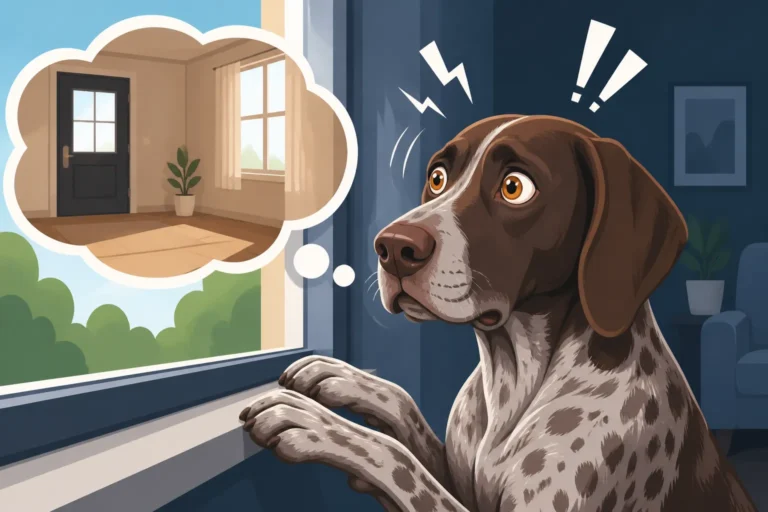
Let's be honest, merely walking a German Shorthaired Pointer on a leash, even for a significant distance, is often just not enough to truly tire them out. Their energy isn't just physical; it's a deep-seated mental drive that needs an outlet. They're like coiled springs, ready to burst into action, and that spring needs to unwind regularly. Without the freedom to explore and run, you'll often find yourself with a dog that's still pacing the house, nudging your hand with a toy, or generally acting restless even after what you thought was a good outing. This isn't naughtiness; it's an unmet need.
Tapping into Their Innate Drive and Instincts
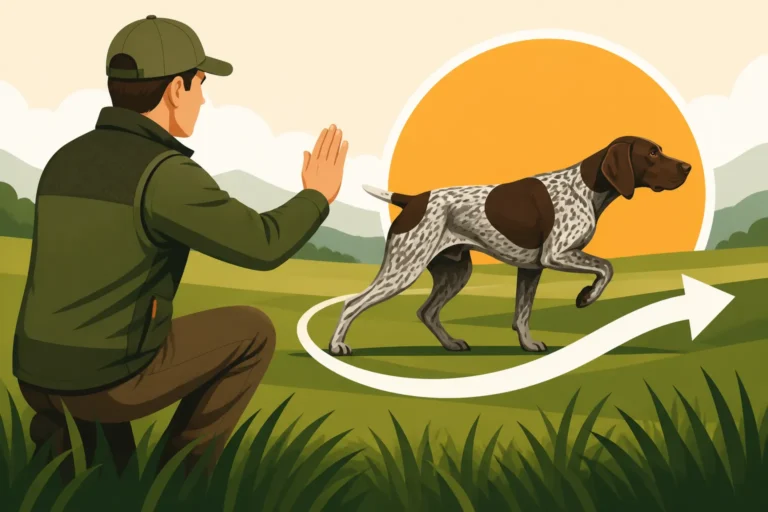
German Shorthaired Pointers are, at their core, hunting dogs. They were developed to range far and wide, use their incredible noses, and point game for hours. This isn't a job you can replicate on a sidewalk. When you allow your GSP off-leash in a safe, appropriate area, you're not just letting them run; you're letting them be a German Shorthaired Pointer. They get to engage their powerful olfactory senses, follow intriguing trails, and practice their natural pointing stances on birds or even just interesting smells.
This engagement is crucial for their mental well-being. A GSP that gets to sniff and explore freely is exercising its brain as much as its body. Imagine being an artist given a paintbrush but told you can only paint straight lines. That's what it feels like for a GSP restricted to a leash when their instincts are screaming for open fields and new scents. When these instincts aren't satisfied, that pent-up energy often redirects into less desirable behaviors around the house. It's not uncommon to see frustrated GSPs resort to destructive chewing, excessive barking, or even bothering other pets, simply because their innate drive hasn't been properly acknowledged and channeled. They genuinely need an outlet that allows them to use their whole being as nature intended.
The Physical and Mental Exhaustion They Crave
There's a vast difference between a leashed walk and a full-throttle off-leash run. A leashed walk, even a brisk one, usually maintains a consistent pace, and the dog is primarily focused on walking beside you. Off-leash, however, a GSP's movement becomes dynamic and varied. They sprint, they stop, they turn on a dime, they jump, they pounce, they race back to check on you, then bound off again. This kind of movement engages different muscle groups, builds crucial stamina, and releases energy in a way that structured exercise simply can't match.
Beyond the physical, there's the mental component. An off-leash environment presents a constant stream of new stimuli – smells, sounds, sights – that force your dog to make decisions and engage their cognitive functions. Is that rustle a squirrel or just the wind? Which way did that rabbit go? This mental workout, combined with the physical exertion, leads to a much deeper, more satisfying exhaustion than physical activity alone. Owners often lament that even after a long walk, their GSP still seems wired and ready for more. This is typically because they haven't experienced the kind of full-body, full-brain workout that truly satisfies their breed-specific needs. You might find that your dog will still be ready for a walk after an hour, but after a solid 90 minutes of true freedom, they'll happily flop onto their bed for a well-deserved nap. The article The Two Hours a Day a German Shorthaired Pointer Needs really emphasizes the sheer volume of exercise these dogs demand. Without it, you quickly understand What an Under Exercised Shorthair Does to a House.
How Much Off-Leash Time is "Enough" for a German Shorthaired Pointer?
This is the million-dollar question, isn't it? And like with many things involving our beloved dogs, there isn't one single, magic number that fits every single GSP. However, we can certainly establish a baseline and understand the factors that might make your individual dog need a bit more or a bit less. Think of it as a starting point, not a rigid rule.
The "Gold Standard" for the Average GSP
For most healthy, adult German Shorthaired Pointers, a good baseline is to aim for at least 60 to 90 minutes of strenuous, off-leash exercise daily. Yes, daily! This isn't just a weekend treat; it's a fundamental requirement. This duration might be broken up into a couple of sessions – perhaps a long morning run and another substantial outing in the evening. Strenuous means more than just a trot; it means galloping, chasing, bounding, and truly letting loose. These are dogs built for endurance and speed, and they need to use it.
Of course, this "gold standard" can vary. A young, high-drive GSP from strong field lines might need closer to two hours, or even more, particularly in their adolescent years when their energy seems boundless. Conversely, an older GSP, especially one that's starting to show signs of slowing down or has some joint stiffness, might be perfectly content with shorter, more frequent bursts of off-leash freedom. It's all about tailoring the experience to your individual dog's current capabilities and temperament. A general rule of thumb is that if your dog is still bouncing off the walls after their exercise, they probably need more, or a different kind of exercise that engages them more completely.
Reading Your Dog's Needs: More Than Just a Clock
While a time guideline is helpful, the most important thing is to become a master at reading your own dog. They will tell you when they've had enough, and more importantly, when they haven't. An under-exercised GSP is often a destructive GSP. Are they chewing on furniture, digging craters in your yard, or barking excessively at nothing? These aren't necessarily signs of a "bad" dog; they're often clear signals that their physical and mental energy isn't being adequately channeled.
On the flip side, a well-exercised GSP will be calm, content, and often found napping peacefully. Their eyes will be bright, their appetite good, and they'll generally be less prone to anxiety or restless behaviors. Observe their behavior closely. Do they get the "zoomies" indoors after a long walk? That's usually a sign they still have pent-up energy. Do they greet every sound with a frantic bark? Again, likely boredom or unspent drive. As dogs age, their needs naturally change. You'll notice The Age a German Shorthaired Pointer Slows in the Field, and at that point, you might adjust from long runs to more sniff-focused adventures. Don't underestimate the power of mental work to tire them out, even if they can't physically run as much. The point is to be flexible and attentive. When you really commit to providing Ninety Minutes of Real Exercise for a Shorthair, you'll see a profound difference in their demeanor. Remember that Mental Work That Tires a Shorthair Out can be just as valuable as physical exertion.
Finding Safe and Appropriate Off-Leash Spaces
Giving your GSP the freedom they crave is wonderful, but it comes with a huge responsibility: ensuring their safety, and the safety of others. German Shorthaired Pointers are often so focused on their task – whether it's hunting a scent or simply running – that they can become oblivious to their surroundings, including roads, other animals, or even people. Their recall needs to be absolute gold before you even consider letting them off-leash in an unfenced area.
Designated Dog Parks and Open Spaces
Dog parks can be a mixed bag, but for many owners, they're the most accessible option for off-leash time. The key is to choose wisely. Look for parks that are fully fenced and offer ample space for running. Some parks are too small, leading to dogs constantly running into each other, which can spark conflicts. Observe the general vibe of the park: Are the dogs and owners respectful? Are there a lot of unsupervised dogs or dogs with questionable temperaments? If it feels off, trust your gut.
While dog parks offer socialization, they also come with risks. Not all dogs are friendly, and some owners don't pay attention. There's also the potential for exposure to illnesses or parasites. Always check your dog thoroughly for ticks after a visit, especially in grassy areas. And remember, a dog park is great for social running, but it doesn't always provide the mental stimulation a GSP gets from exploring varied terrain and scents in a quieter setting. For those dogs who are extremely sensitive to their environment, the overstimulation can be more stressful than beneficial.
Private Land and Controlled Environments
Ideally, a GSP thrives on private, securely fenced land where they can run to their heart's content without interruption or concern. If you're lucky enough to own or have access to such a space, that's truly the holy grail. However, for most of us, this isn't an everyday reality. This leads to exploring other options. Some owners rent private dog fields for an hour or two, which can be a fantastic way to give your GSP uninterrupted, safe exercise. Others might have friends or family with large, fenced properties who are open to sharing.
When venturing into less secure "open spaces" like hiking trails or large fields that aren't fully enclosed, your GSP's recall must be flawless. This means consistent training, perhaps starting with a long line on an Amazon Basics long training leash to build reliability before transitioning to full off-leash freedom. Many GSP owners use e-collars as a safety net, not a primary training tool, for their reliability in emergency situations. Ensure you understand proper, humane e-collar use. When an E-Collar Belongs on a German Shorthaired Pointer can give you great insights into this. It's not about punishment, but clear communication in a high-distraction environment. Building that strong Recall on a German Shorthaired Pointer That Is Locked On is truly paramount for their safety and your peace of mind. Without it, the risks of running loose outweigh the benefits.
Integrating Off-Leash Work into a Busy Schedule
We all lead busy lives, and the thought of carving out 60-90 minutes (or more!) of dedicated, strenuous off-leash time daily can feel overwhelming. It’s easy to feel guilty when you know your GSP needs more, but you just can't seem to find the hours in the day. The good news is that with a bit of creativity, planning, and commitment, you can absolutely provide your German Shorthaired Pointer with the exercise they require without completely upending your life. It's about smart choices and making every minute count.
Creative Solutions for Time-Crunched Owners
One of the best ways to tackle the time crunch is to get creative. Consider waking up a bit earlier for a dedicated morning run in a safe, open area. An hour before work can make a huge difference in your dog's demeanor for the rest of the day. If mornings are impossible, try splitting the exercise into two shorter, high-intensity bursts. A brisk 45-minute off-leash session in the morning, followed by another 45-minute session in the evening, can often be more effective than one long, less intense outing.
Another excellent option is to incorporate alternative forms of exercise. Many GSPs love to run alongside a bike – a technique called "roadwork" – which can cover a lot of distance quickly and truly tire them out. Just make sure to introduce this gradually and safely. Running a Shorthair Beside a Bike Safely offers great tips on how to do this. For water lovers, swimming is a fantastic, low-impact way to burn energy, especially in warmer months. Even just 30-45 minutes of vigorous retrieving in a pond can be incredibly tiring. Using Water Work to Wear a Shorthair Out explores this in more detail. If your schedule is truly packed, enrolling your GSP in a reputable doggy daycare a few days a week can be a lifesaver, as they'll get supervised play and exercise with other dogs. Always check references and ensure the facility can handle a high-energy breed like a GSP. You might be surprised at What Daycare Charges to Run a Shorthair, but for some, it's worth it for a happy, tired dog.
Training for a Reliable Off-Leash Experience
The foundation of successful and safe off-leash time is, without a doubt, rock-solid training. You can have the biggest field in the world, but if your GSP won't come when called, it's not a safe environment. Start with the basics: sit, stay, and a bulletproof recall in a low-distraction environment. Practice, practice, practice. Use high-value treats and enthusiastic praise to make coming back to you the best thing ever. As they improve, gradually introduce more distractions, but always set them up for success.
Many owners find immense value in formal obedience classes, or even online programs that focus on building a reliable off-leash dog. Brands like BAXTER & Bella offer comprehensive online puppy and dog training programs that can help you build these crucial skills from the ground up, providing structured lessons that you can fit into your schedule. Don't skip this step! It's an investment that pays dividends in safety, freedom, and the peace of mind knowing your dog will respond when it matters most. Remember, building a strong working relationship with your GSP means they see you as a leader worth listening to, even when the squirrels are calling.
To help visualize how different activities stack up, here's a table comparing various ways to provide your GSP with essential exercise, focusing on off-leash benefits:
| Activity Type | Time Commitment (Weekly) | Physical Exertion | Mental Engagement | Key Considerations |
|---|---|---|---|---|
| Structured Leashed Walk | Daily (20-60 min) | Moderate | Low | Good for leash manners and bonding, but generally insufficient for a GSP's primary exercise needs. Does not allow for natural GSP behaviors. |
| Dog Park (Fenced) | 2-3 times (60-90 min/session) | High | Moderate-High | Offers social interaction and sprinting room. Be aware of potential for negative interactions, illness, or overstimulation. A strong recall is still vital for managing interactions. |
| Trail Running/Hiking (Off-Leash) | 2-3 times (60-120 min/session) | High | High | Excellent for engaging natural instincts; varied terrain builds strength. Requires impeccable recall, awareness of wildlife, other users, and local regulations. Check for ticks/foxtails afterward. |
| Bikejoring/Roading | 2-3 times (30-60 min/session) | Very High | Moderate | Great for controlled, high-speed exercise. Builds stamina. Requires proper equipment and training to ensure safety for both dog and handler. Not suitable for very young or old dogs. |
| Water Retrieving/Swimming | 1-2 times (45-60 min/session) | High | High | Excellent for joint-friendly exercise and full-body conditioning. Great for warm weather. Ensure dog enjoys water and has proper safety gear (e.g., life vest in open water). |
| Agility/Canicross | 1-2 times (30-60 min/session) | High | Very High | Highly stimulating physically and mentally. Great for building focus and partnership. Can be structured classes or informal fun. Requires a higher level of foundational training. |
| Backyard Fetch/Flirt Pole | Daily (15-30 min) | Moderate-High | Low-Moderate | Good for quick energy bursts in a secure space. Convenient. While physical, it's often not enough mental engagement to fully satisfy a GSP on its own. |
Ultimately, providing ample, safe off-leash time for your German Shorthaired Pointer isn't just about exhausting them physically; it's about enriching their lives, fulfilling their deepest instincts, and strengthening the bond you share. It might demand a bit more planning and effort, but the reward of a happy, well-adjusted, and content GSP curled up by your feet at the end of the day is truly priceless.
Disclaimer
This article is for general informational purposes only and does not constitute professional advice. Laws, prices and regulations vary by location and change over time. Consult a qualified professional for guidance on your specific situation.