Exercising a Shorthair in Bad Weather
If you're a German Shorthaired Pointer owner, you know the struggle: your dog is a boundless dynamo of energy, always ready for the next adventure, but the weather outside has other plans. Trying to burn off that incredible GSP drive when it's pouring rain, snowing heavily, or scorching hot can feel like an impossible task, leading to frustrated dogs and frazzled owners. This guide is here to help you navigate those challenging weather days, offering practical solutions and creative ideas to keep your Shorthair happy, healthy, and exercised, no matter what Mother Nature throws your way.
The Unique Challenges of Exercising a German Shorthaired Pointer in Adverse Conditions
Let's be real, owning a German Shorthaired Pointer isn't for the faint of heart, especially when it comes to their exercise needs. These dogs were bred to work all day, covering vast distances in varied terrain, and that instinct doesn't just disappear when the forecast calls for a blizzard or a heatwave. It's a constant negotiation, and bad weather just amplifies the difficulty.
Understanding Their Energy Needs Versus the Elements
German Shorthaired Pointers are, by their very nature, athletes. They possess an almost limitless well of energy, an unwavering drive, and a deep-seated need for physical and mental stimulation. We often talk about how they need at least The Two Hours a Day a German Shorthaired Pointer Needs of solid activity. This isn't just a suggestion; it's practically a requirement to prevent them from becoming bored, restless, and potentially destructive.
The frustration hits hard when you look out the window and see torrential rain, thick snow, or a glaring sun that screams "stay inside!" You know your GSP still has that inner motor running at full throttle. They don't care that it's 95 degrees with 80% humidity, or that the ground is covered in a sheet of ice. Their internal clock still tells them it's time to run, sniff, and explore. This mismatch between their innate drive and the limitations imposed by weather is where many GSP owners feel the pinch. You might try a quick potty break, only to be met with a bouncy, expectant stare that clearly asks, "Is that all?" It's a constant mental battle to figure out how to satisfy those powerful needs without compromising their safety or your sanity.
The Specific Risks of Different Weather Types
Different types of inclement weather present unique challenges and risks for your German Shorthaired Pointer. Understanding these dangers is the first step in mitigating them.
- Cold and Snow: While many GSPs love to romp in the snow, their short coats offer minimal insulation. Prolonged exposure can quickly lead to hypothermia, especially if they get wet. Snow and ice can pack between their paw pads, causing painful ice balls, cuts, or frostbite. Rock salt and other de-icers used on sidewalks and roads can also irritate their paws or be ingested, leading to digestive upset. Visibility can be reduced in heavy snow, making it harder to keep track of a fast-moving Shorthair. Frostbite on a Late Season German Shorthaired Pointer is a serious concern, particularly for ears, tails, and paws.
- Heat and Humidity: This is perhaps one of the most dangerous weather conditions for an active breed like the GSP. Their drive often overrides their self-preservation, meaning they'll push themselves to exhaustion even when overheated. With their short coats, they don't have thick fur to shed, but they can still overheat quickly. High humidity makes it harder for dogs to cool themselves through panting, dramatically increasing the risk of heat stroke. Hot pavement can burn their paw pads, and dehydration is a constant threat. Early season hunts, when a Shorthair isn't fully conditioned, can be particularly risky for Heat Stroke in a September Shorthair.
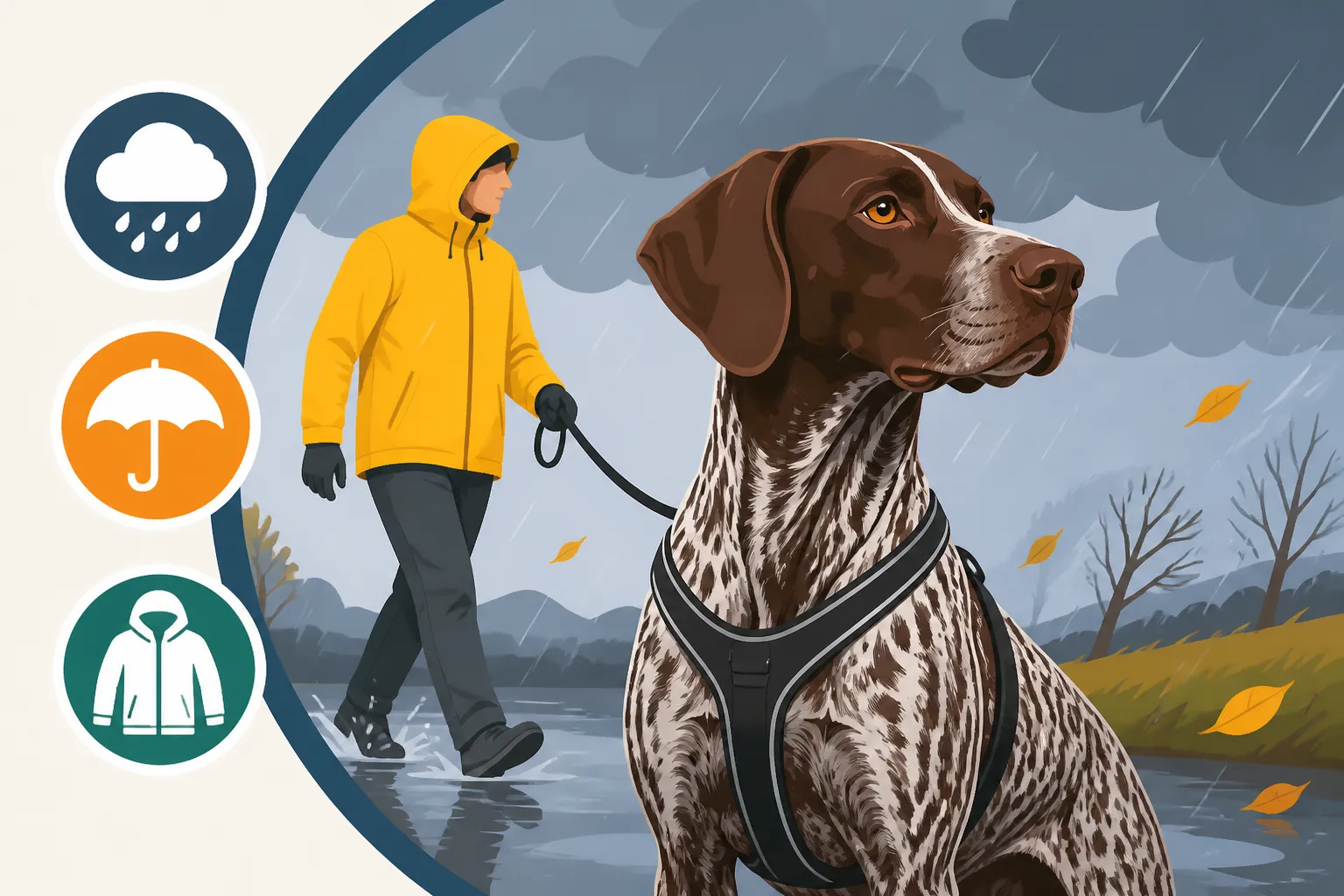
- Rain and Mud: A light drizzle might not deter a GSP, but heavy rain can quickly lead to a chilled dog, especially if it's also windy. Constant wetness can lead to skin irritation or exacerbate existing conditions. Mud, while fun for some, means a messy dog and a messy house, not to mention the risk of slipping and injury on slick surfaces. It also means more diligent cleaning afterward, especially drying their ears to prevent infections.
- Wind: Strong winds, particularly cold ones, can cause windburn, especially on sensitive areas like ears. It can also kick up dust and debris, irritating eyes. For hunting dogs, strong winds can make scenting more challenging, leading to frustration, and can also make communication (like whistle commands) more difficult due to sound distortion.
Strategies for Outdoor Exercise When Weather Isn't Perfect
While staying inside might seem like the easiest option, a GSP truly thrives on outdoor time. The key is adaptation and preparation. You can often still get some outdoor activity in, even on less-than-ideal days, by making smart choices and using the right gear.
Gear Up for Success: Protecting Your Shorthair
Just like you wouldn't head out into a blizzard without a proper coat, your Shorthair sometimes needs a little help from modern apparel.
- Coats and Vests: For cold or wet weather, a well-fitting dog coat or vest can make a huge difference. Look for options that are waterproof or water-resistant and offer some insulation. A good neoprene vest, for example, can keep their core warm even if they're dashing through puddles or snow. This is particularly important for breeds with short hair like the GSP. Make sure the coat allows for a full range of motion; they still need to be able to run and jump comfortably. For hunting scenarios, a blaze orange vest provides visibility, which is crucial in low light conditions or when sharing the outdoors with other hunters, especially if your GSP has a darker coat.
- Paw Protection: Their paw pads are tough, but not invincible. In freezing temperatures, snow and ice can accumulate between their toes, forming painful ice balls that can lead to lameness. Rock salt on sidewalks can also cause chemical burns. This is where dog boots come in. While some dogs take to them readily, others need a bit of conditioning to accept them. Start with short durations inside. There are many great Boots for a Shorthair on Rock and Stubble available designed for working dogs. If boots aren't an option, consider applying a paw balm or wax (like Musher's Secret) before going out. This creates a protective barrier against irritants and helps prevent ice buildup. Always check their paws thoroughly after walks in winter weather.
- Visibility Enhancements: Whether it's foggy, raining heavily, or dusk, visibility can be severely reduced. Investing in blaze orange gear, reflective collars, or even small LED lights that attach to their collar can make your GSP much easier to spot, both by you and by others (drivers, cyclists, other outdoor enthusiasts). This is a simple but vital safety measure.
- Owner's Gear: Don't forget yourself! If you're miserable, you're less likely to stick with the routine. Invest in good waterproof outerwear, warm layers, and appropriate footwear for yourself. Your comfort contributes directly to your willingness to exercise your dog, and your Shorthair needs you to be just as ready as they are.
Modifying Outdoor Routines for Safety
Sometimes, it's not about staying in, but about changing how you go out.
- Shorter, More Frequent Outings: Instead of one long, arduous trek, break up their outdoor time into several shorter, more intense bursts. This reduces their overall exposure to extreme temperatures or heavy precipitation while still allowing them to burn off some steam. A 15-20 minute run in the cold might be perfectly safe, whereas an hour could lead to problems. Similarly, short, quick trips out in the heat for potty breaks, keeping most exercise for early mornings or late evenings, is crucial.
- Choosing Safer Terrain: Be mindful of where you exercise. In icy conditions, stick to well-maintained paths that have been cleared or treated, or find grassy areas where traction is better. Avoid roadsides where de-icers are prevalent. In deep snow, be cautious of hidden obstacles or uneven ground that could lead to sprains or falls. In hot weather, prioritize shady, grassy areas over hot asphalt or concrete. Avoid areas with standing water that could harbor blue-green algae.
- Monitoring for Signs of Discomfort: This is perhaps the most critical aspect. Your Shorthair might be stoic, but you need to be their advocate. Look for:
- In cold: Shivering, hunching, trying to lift paws, whining, reluctance to move, seeking shelter.
- In heat: Excessive panting (more than usual for exertion), bright red gums, drooling, weakness, stumbling, seeking shade, reluctance to move. These are signs of overheating and demand immediate action. The Temperature a German Shorthaired Pointer Should Not Hunt In should always be respected.
- In rain/mud: Prolonged shivering, lethargy after getting wet, skin irritation (post-outing).
If you see any concerning signs, cut the outing short immediately.
- Post-Exercise Care: Once back inside, diligent care can prevent issues. In cold or wet weather, towel dry your Shorthair thoroughly, paying special attention to their ears, paws, and belly. Drying a German Shorthaired Pointer in Cold Weather isn't just about comfort, it's about preventing chills and skin problems. Check their paws for any cuts, cracks, or irritation from ice or salt. In hot weather, offer fresh, cool water immediately and allow them to rest in a cool, shaded area. A Whether a Cooling Vest Helps a Shorthair in September can be very helpful to bring core temperatures down.
Creative Indoor Exercise and Mental Stimulation Solutions
Sometimes, no matter how prepared you are, outdoor conditions are simply too dangerous. This is where your creativity comes in! German Shorthaired Pointers are smart dogs, and engaging their minds can often be as tiring as physical exercise.
High-Energy Indoor Games and Activities
When the weather dictates indoor confinement, you can still burn some serious energy.
- Hallway Fetch/Retrieve: If you have a long hallway or a large open room, a game of fetch can be a lifesaver. Use soft toys that won't damage furniture or walls. Even short bursts of sprinting and retrieving can help release pent-up energy.
- Stair Repeats: If you have stairs, supervised stair climbing can be a fantastic workout. Start slowly, and increase repetitions as your dog builds stamina. It's a great way to build muscle and tire them out without needing a vast open space. Always ensure good footing and avoid overdoing it, especially with young puppies (whose joints are still developing) or senior dogs.
- Hide-and-Seek with Toys/Treats: This is a classic that engages both their body and mind. Have your dog "stay" in one room while you hide a favorite toy or high-value treat in another. Then release them with a "find it!" command. This taps into their incredible scenting abilities and encourages movement throughout the house. BAXTER & Bella, known for their online training programs, often emphasize games like this to build engagement and develop scenting skills, even in a home environment.
- Tug-of-War (Controlled): Tug-of-war is an excellent outlet for physical and mental energy, but it must be played with rules. Teach your dog to "drop it" on command and only allow them to play when you initiate. This game can build strength and impulse control. Use a sturdy tug toy from a reputable brand you can find easily on Amazon.
- Indoor Obstacle Course: Use household items like couch cushions, laundry baskets, or even just blankets to create a simple obstacle course. Guide your GSP over, under, and around these objects. It's a fun way to practice commands like "over," "under," and "around" while adding some novelty to their routine.
Engaging Their Minds When Bodies Can't Run Wild
Mental exercise is often overlooked but is incredibly important for intelligent breeds like the German Shorthaired Pointer. A mentally tired dog is often a calm dog, even if their body hasn't run for miles.
- Puzzle Feeders and Dispensing Toys: These are fantastic for making mealtime an engaging challenge. Instead of simply eating from a bowl, your GSP has to work to get their kibble or treats out of a Puzzle Feeders and Scent Games for a Shorthair or toy. This slows down eating, prevents boredom, and gives their brain a good workout. You can find a wide variety of these on Amazon, from beginner to advanced.
- Scent Work and "Find It" Games: Lean into their natural hunting instincts! Hide treats or their favorite kibble pieces around the house, starting in easy spots and gradually making it harder. Encourage them to use their nose to sniff them out. You can even use specific scents (like birch or anise, available from dog sport suppliers) to introduce them to formal nose work, which is incredibly mentally taxing.
- New Trick Training: Dedicate 10-15 minute sessions to teaching new tricks. Whether it's "spin," "weave," "bow," or something more complex, learning new things engages their cognitive abilities. Even reviewing basic obedience in a novel environment or with new distractions can be mentally stimulating. BAXTER & Bella's platform is excellent for providing structured trick training ideas and guidance, helping you build a stronger bond while challenging your dog.
- Interactive Toys: Some toys are designed to keep dogs engaged independently, like those that dispense treats randomly or require manipulation to get a reward. While these shouldn't replace interaction with you, they can provide moments of mental stimulation when you're busy.
Utilizing Commercial Options and Socialization
When you've exhausted all your home-based options, don't forget there are external resources designed to help.
- Indoor Dog Parks/Daycares: Many larger cities and even smaller communities now offer indoor dog parks or dedicated doggy daycare facilities. These provide a safe, climate-controlled environment for your GSP to socialize and play with other dogs. Always vet these facilities carefully to ensure they have experienced staff, good supervision, and a clean environment. They can be a lifesaver on particularly nasty weather days. Before you consider it, check What Daycare Charges to Run a Shorthair in your area.
- Dog Sport Classes: Look into local training clubs that offer indoor classes like agility, obedience, rally, or even intro to scent work. These provide structured, supervised exercise and mental challenges, and the social aspect is a bonus. Even if you don't plan to compete, the classes are invaluable for channeling your GSP's energy constructively.
- Visits to Pet-Friendly Stores: On days with moderate bad weather (like light rain, not a blizzard), a trip to a large pet-friendly store can be a change of scenery and offer a chance for some controlled socialization and mental stimulation through new sights and smells. Just be mindful of other patrons and ensure your GSP is well-behaved on a leash.
Balancing Realistic Expectations with Your Shorthair's Needs
It's easy to feel guilty when you can't provide the "ideal" exercise for your German Shorthaired Pointer every single day. But understanding that some days will be harder than others, and having a plan for those days, is key to a harmonious relationship.
Accepting Less Than Optimal Exercise Days
Perfection is the enemy of good, especially with a high-energy dog. There will be days when a true two-hour run just isn't feasible or safe. And that's okay.
- It's Okay to Have a Lower-Intensity Day: Acknowledge that not every day can be a marathon. Some days, a combination of indoor games, a good training session, and a few short outdoor potty breaks might be the best you can do. The world won't end, and your dog won't suddenly forget how to hunt.
- Focus on Quality Over Quantity: On bad weather days, shift your focus from miles covered to engagement. Twenty minutes of intense mental work – a complex puzzle toy, a challenging trick session, or a focused game of hide-and-seek – can sometimes be more tiring and satisfying for your GSP than a half-hearted, muddy walk.
- Patience and Understanding: Your GSP might be a little more restless or vocal on days they don't get their usual outlet. Practice patience. Understand that they're not trying to be difficult; they're genuinely feeling an unmet need. Respond with calm guidance and redirect their energy into appropriate indoor activities.
Preventing Frustration and Destructive Behavior
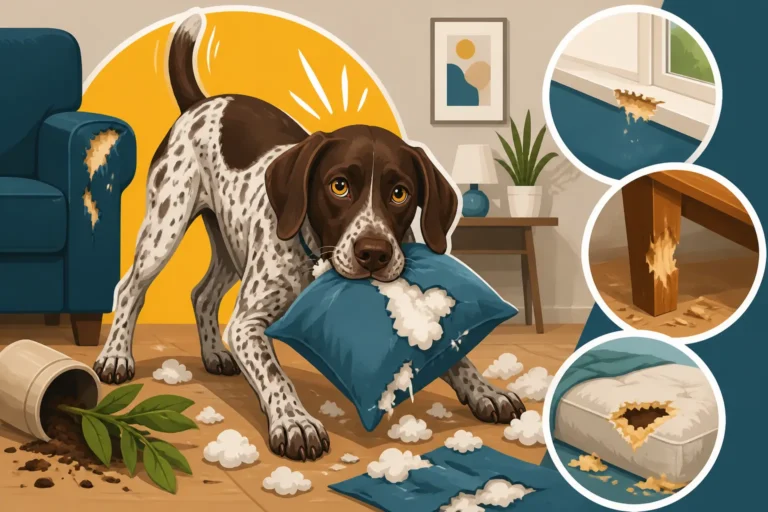
An under-exercised German Shorthaired Pointer can quickly become a destructive one. They will find an outlet for their energy, and you probably won't like their chosen methods.
- Early Recognition of Boredom Signs: Learn to read your dog. Signs of boredom can include pacing, excessive vocalization (whining, barking), destructive chewing, counter-surfing, or even obsessive licking. Recognizing these early allows you to intervene before they escalate into problematic behaviors. What an Under Exercised Shorthair Does to a House can be quite significant if their needs are ignored.
- Consistent Routine Where Possible: Dogs thrive on routine. Even if the content of the day's exercise changes due to weather, try to maintain consistent times for feeding, potty breaks, and interactive play. Predictability helps reduce anxiety and boredom.
- Providing Appropriate Chew Toys: A tired dog might relax, but a bored dog needs to chew. Always have a variety of appropriate, durable chew toys available. These can be a fantastic, safe outlet for their oral fixation and can prevent them from turning their attention to your furniture or shoes. Amazon offers a vast selection of tough chew toys suitable for strong chewers like GSPs. A young German Shorthaired Pointer can destroy a great deal in its first year if not given appropriate outlets.
Long-Term Considerations for a Healthy, Happy Shorthair
Adapting to bad weather is part of the ongoing commitment to your German Shorthaired Pointer's well-being.
- Mental and Physical Well-being are Linked: Remember that a truly well-adjusted GSP is one whose physical and mental needs are met. On bad weather days, lean heavily into mental enrichment to compensate for reduced physical activity.
- Adaptability is Key for Both Dog and Owner: Life with a GSP is a journey of constant adaptation. The more flexible you can be with your routine and your expectations, the happier and less stressed both you and your dog will be. Your GSP looks to you for guidance and leadership, and demonstrating adaptability sets a great example.
- Reinforce Good Behavior Even on Challenging Days: Even when your GSP is restless, reward moments of calm behavior. If they choose to chew an appropriate toy instead of the couch, praise them. If they settle down after a game of indoor fetch, acknowledge it. This reinforces the idea that good choices are always appreciated, regardless of the weather outside. Consistency in The Structure a German Shorthaired Pointer Needs Daily is vital, weather permitting or not.
Exercising a German Shorthaired Pointer in bad weather is undoubtedly a challenge, but it's one you can absolutely overcome with preparation, creativity, and a healthy dose of patience. By understanding the risks, gearing up appropriately, and embracing indoor and mental exercise, you can ensure your spirited companion remains a happy, well-adjusted member of your family, no matter what the forecast says.
Disclaimer
This article is for general informational purposes only and does not constitute professional advice. Laws, prices and regulations vary by location and change over time. Consult a qualified professional for guidance on your specific situation.