Stopping a Shorthair From Bolting Out the Door
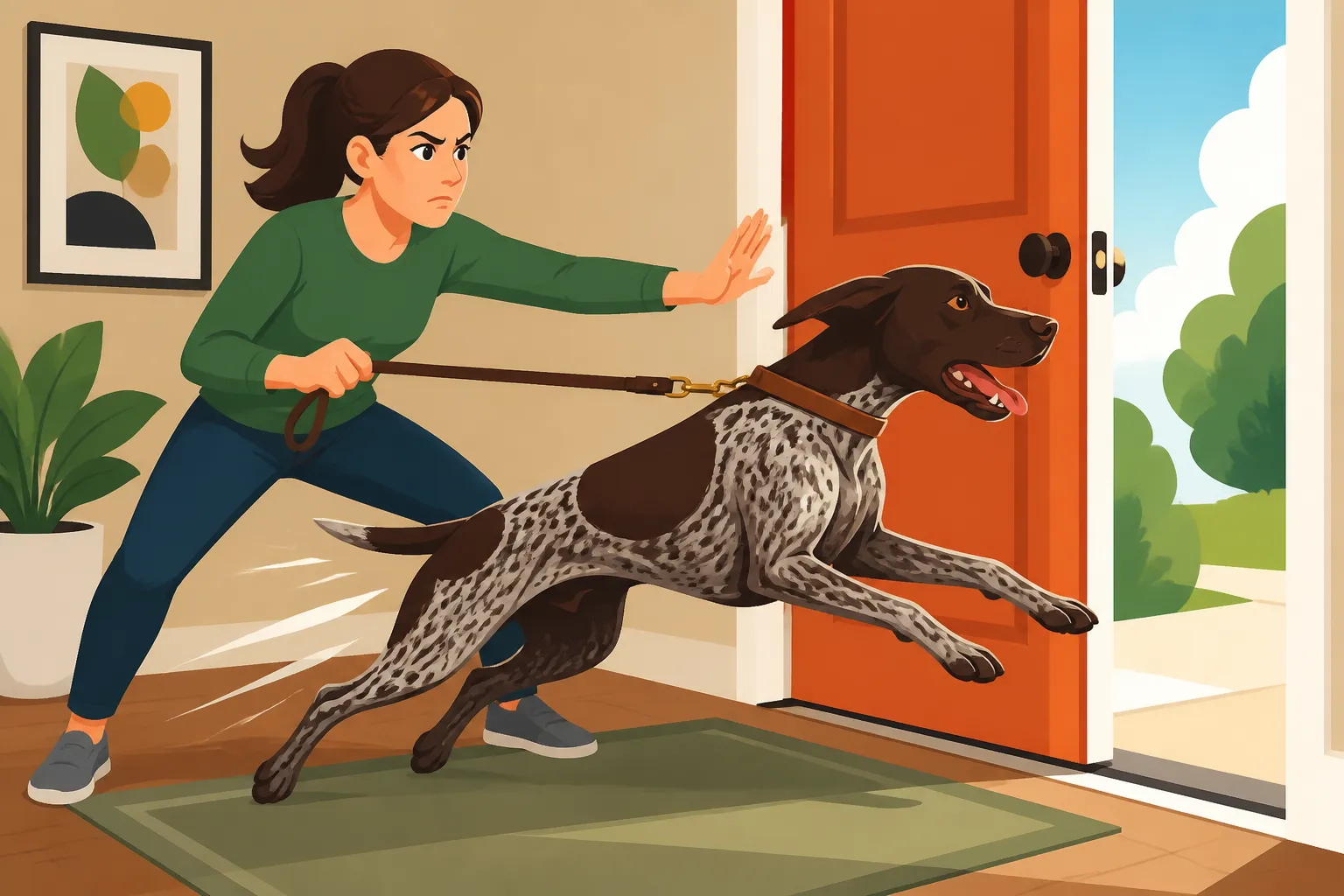
There's nothing quite as heart-stopping as the sight of your beloved German Shorthaired Pointer, a blur of liver and white, streaking out an open door or gate, utterly deaf to your frantic calls. It's a terrifying moment, filled with visions of traffic, lost dogs, and endless searches. This isn't just a minor annoyance; for a GSP, bolting is a serious safety hazard, a test of your nerves, and a behavior that can sadly lead to heartache. This comprehensive guide is here to walk you through understanding why your high-drive companion feels the urge to bolt and, more importantly, how to implement practical, consistent training strategies to keep them safely by your side, even when the door swings wide.
Understanding the "Why" Behind the Bolt
Before we can even begin to tackle the "how," we really need to dig into the "why." Your German Shorthaired Pointer isn't trying to be defiant or disobedient when they bolt out the door. It's almost always a combination of deep-seated instinct, a lack of self-control in exciting situations, and sometimes, even our own unintentional encouragement of the behavior. Understanding these roots is the first step towards changing them.
The Instinctual Drive of a GSP
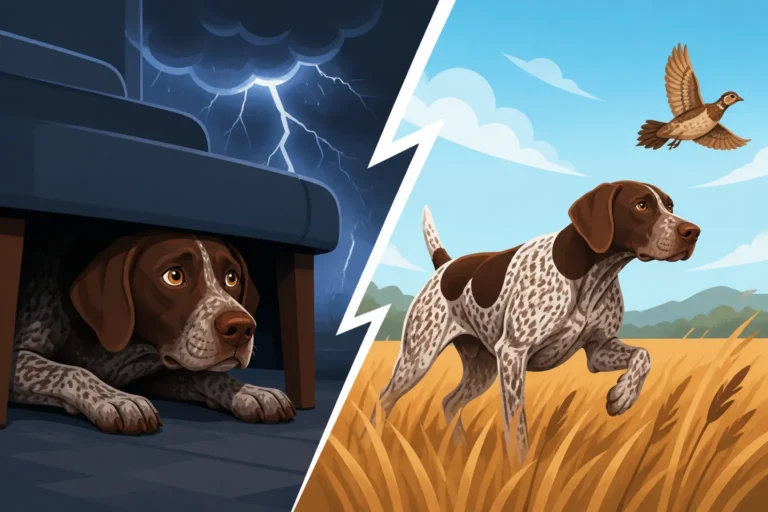
German Shorthaired Pointers were literally bred for a purpose: to hunt, to range, to follow scent, and to cover vast distances. They possess an incredibly strong prey drive, an insatiable curiosity, and a deep desire to explore their environment. To a GSP, an open door isn't just an exit; it's a gateway to an exciting world full of smells, squirrels, birds, and adventure. Their brain is wired to investigate, to chase, and to work independently. This intense drive, while magnificent in the field, can be incredibly challenging in a domestic setting.
Imagine the sheer sensory overload they experience. The moment that door cracks open, a whole symphony of new smells, sounds, and sights floods in. A leaf blowing across the lawn could be a rabbit. A distant bark could be a playmate. The scent of a deer that passed by hours ago is an irresistible trail. For a GSP, these are not just distractions; they are potent calls to action that can override every bit of training they've received, especially if that training hasn't been absolutely rock-solid and proofed in high-distraction environments. They aren't being "naughty"; they're simply being a German Shorthaired Pointer.
Lack of Impulse Control
Beyond instinct, a significant factor in door bolting is often a lack of impulse control. Many GSPs, especially during their energetic adolescent phase, struggle with the ability to pause and think before acting on an urge. That sudden rush of adrenaline and excitement that comes with an open door is incredibly hard for them to ignore. They know what they should do, but the primal urge to go is stronger than their cultivated self-restraint in that split second.
This isn't just about doors; it often manifests in other areas too. Do they jump on guests? Counter surf? Pull relentlessly on the leash? These are all indicators of a dog that needs more help developing their "stop" button. For a German Shorthaired Pointer, whose energy and enthusiasm are off the charts, teaching impulse control is an ongoing process that starts from puppyhood and needs consistent reinforcement throughout their lives. It's about teaching them that good things come to those who wait, not those who rush headfirst into every opportunity.
Unintentional Reinforcement by Owners
Here's the tough pill to swallow: sometimes, we inadvertently teach our dogs that bolting works. Think about it: your Shorthair slips out, and what happens? You chase them. You call them frantically. You eventually catch them, but in their mind, they just had a grand adventure – a thrilling game of chase followed by your undivided attention. Even if you're upset, the act of gaining freedom and attention can be incredibly rewarding.
Consider this scenario: you're bringing in groceries, and the door is ajar. Your GSP, ever vigilant, spots a squirrel, darts past you, and races after it. You sigh, drop everything, and spend ten minutes coaxing them back. While you see it as a nuisance, your dog just experienced a massive payoff: an exciting chase and a huge surge of freedom. This unintentional reinforcement makes them more likely to try it again. It's crucial to ensure that bolting never leads to a reward, even if that reward is just the fun of the chase. This means changing your reactions and, more importantly, proactively managing the environment to prevent the bolt in the first place.
Essential Foundation Training for Door Manners
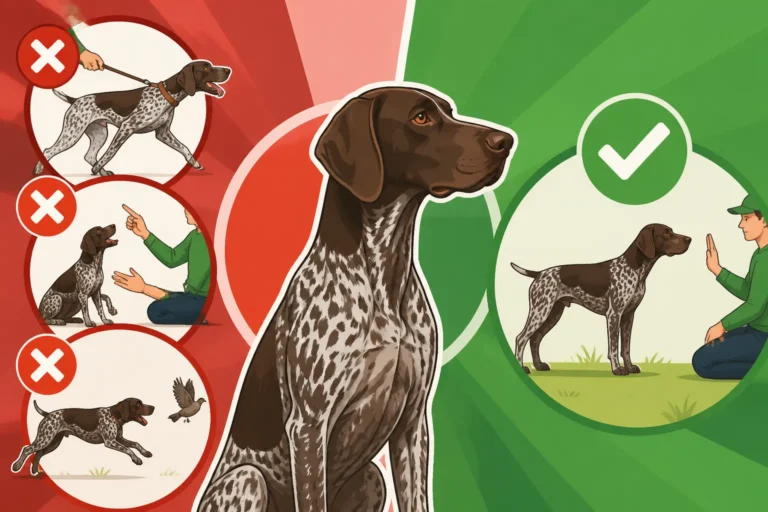
Building a truly reliable dog at the door requires more than just yelling "no!" or yanking on their leash. It demands a strong foundation of positive, consistent training that teaches them what you do want them to do, rather than just punishing what you don't. This isn't a quick fix, especially with a German Shorthaired Pointer, but it's absolutely essential for their safety and your peace of mind.
Building a Solid "Stay" and "Wait"
The "wait" command is your absolute best friend when it comes to doors. Unlike "stay," which often implies remaining in a specific position, "wait" means to pause and hold position until released, allowing for movement once released. It's perfect for thresholds. You want your Shorthair to understand that the door only opens, and they only proceed, when you give the explicit permission. This takes repetitive, calm practice.
Start by practicing "wait" away from the door, with minimal distractions. Have them sit, then say "wait" and take one step back. If they hold, step forward, praise, and release them with a clear command like "okay" or "free." Gradually increase your distance and the duration of the wait. Once they're solid, move to the door. Practice opening the door just a crack, saying "wait." If they lunge, immediately close the door. No yelling, just a firm, calm closing. They learn that lunging makes the exciting door close. When they hold their "wait" even with the door slightly open, offer praise and a treat, then close the door again. Slowly progress to opening the door wider, stepping outside yourself, and eventually, having them wait while you briefly leave them alone on the other side. This teaches them that cooperation leads to the desired outcome – eventually going through the door with your permission – while bolting shuts down the opportunity. It's a fundamental lesson in The Structure a German Shorthaired Pointer Needs Daily.
Leash Discipline at the Threshold
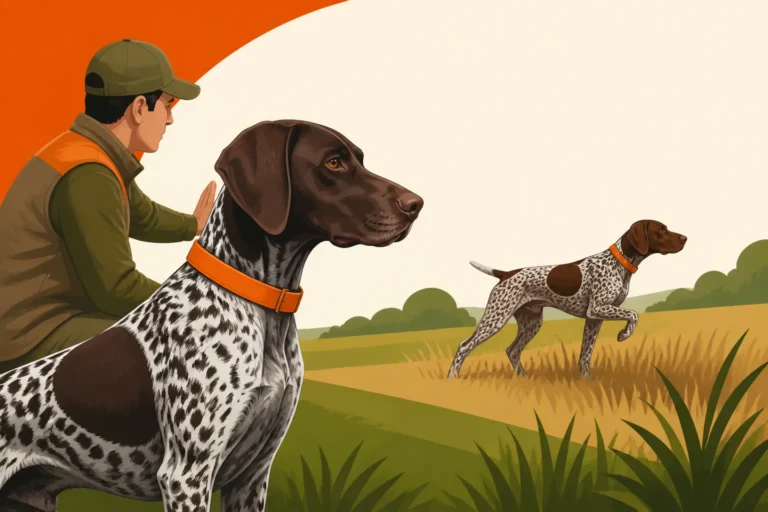
Even with a strong "wait," leash discipline at the door is non-negotiable, especially for a powerful dog like a GSP. A leash isn't just for walks; it's a critical tool for control in high-stakes situations. Before you even touch the doorknob, your German Shorthaired Pointer should be calmly sitting or standing beside you on a loose leash. If they're pulling, lunging, or whining, the door simply doesn't open. This requires patience, especially if you're in a hurry.
Practice this routine every single time you approach the door, whether you're going out or just checking the mail. Attach the leash, ask for a sit or stand-stay right at the threshold. If they break position, calmly reset them. Only when they are relaxed and attentive do you slowly reach for the doorknob. If they anticipate and move, your hand retracts from the knob. The lesson is clear: calm behavior opens the door; excited behavior keeps it shut. For some dogs, a Loose Leash Walking a German Shorthaired Pointer harness or head halter can provide better immediate control during this training phase, ensuring you can physically prevent the bolt while they are learning. This method relies on showing them that you control the access to exciting things, and their calm focus is the key.
Establishing a "Place" Command
The "place" command is incredibly useful for managing your German Shorthaired Pointer around the front door, especially when guests arrive or deliveries are made. "Place" means going to a designated spot (like a dog bed, mat, or crate) and staying there until released. It gives them a job to do and removes them from the high-traffic, high-excitement zone right at the entrance.
To teach "place," start by luring your GSP onto their bed or mat with a treat. Once they are on it, say "place" and reward them. Gradually build up the duration they stay on the place, praising and rewarding them for holding still. Once they understand the command, begin practicing it when there are minor distractions, like someone walking by a window. Then, integrate it into your door routine. When the doorbell rings, or you anticipate opening the door, direct your Shorthair to their "place" before you even approach the door. This helps manage their arousal and keeps them safely contained, preventing any dashing for the exit. This also helps with other manners, like Teaching a Shorthair Puppy Not to Jump on People, by giving them a designated area when people enter.
Practical Strategies for Door Management
Training is fundamental, but even the best-trained German Shorthaired Pointer is still a GSP. They have powerful instincts and immense energy. That's why smart management strategies are absolutely crucial to complement your training efforts. These strategies create a safety net and prevent opportunities for bolting, especially while your training is still being reinforced.
Creating a Barrier and Controlled Entry
The simplest and often most effective management tool is a physical barrier. This might seem obvious, but many owners underestimate its power. Baby gates, pet gates, or even strategically placed furniture can create an invaluable secondary barrier between your dog and an open door. If your GSP is particularly prone to bolting, always having a gate up in your entryway, or even keeping them on a tether just out of reach of the door, can prevent a dangerous escape.
Consider this routine: before you open the main door, ensure your German Shorthaired Pointer is behind a gate, in their crate, or on a leash with you. This creates a moment of calm and control. When you greet a visitor, they don't immediately get bowled over by an excited GSP, and your dog doesn't get the chance to dart out. For deliveries, you can even put your dog on "place" further inside the house, allowing you to open the door and receive your package without concern. Think of these barriers not as punishments, but as vital safety measures for your energetic companion.
Desensitization to Door Activity
Often, the problem isn't just the open door, but the entire ritual leading up to it: the jingle of keys, the turning of the doorknob, the sound of the doorbell. These become cues that trigger extreme excitement and the urge to bolt. To combat this, you need to desensitize your German Shorthaired Pointer to these triggers, making them less exciting.
Regularly practice these "door rituals" without actually going out. Jingle your keys, walk to the door, touch the doorknob, and then just walk away. Repeat this multiple times a day. Ring your own doorbell and simply open the door, look outside, and close it again, without letting your dog engage. The goal is to strip these actions of their power as predictors of immediate freedom. When your GSP remains calm through these rehearsals, reward them with praise and a treat. The more these actions become mundane, the less likely they are to trigger an uncontrollable burst of excitement and a dash for the exit. This consistent, low-key practice helps break the association between the door routine and instant, wild adventure.
Managing Visitors and Deliveries
Visitors and deliveries are prime bolting opportunities. The excitement of new people, combined with an open door, is a potent cocktail for a German Shorthaired Pointer. Having a plan in place is key. Firstly, communicate with your visitors. Ask them not to engage with your dog until your dog is calm and you've given permission. This prevents the visitor from inadvertently rewarding unruly behavior.
For expected guests or deliveries, preemptively put your GSP on their "place" or behind a gate before the person even arrives. If the doorbell rings unexpectedly, don't rush to the door. Take a moment to compose yourself and direct your dog. If they are overly excited, ignore the door until your dog settles, even if it means the delivery person has to wait or leave the package. Once you open the door, keep your GSP secured. If they manage to stay calm, you can eventually allow controlled greetings, but always with the understanding that the door is still a no-go zone without your explicit release. This also ties into how to deal with A Shorthair That Panics Alone in the House, as anxiety or over-excitement can lead to door darting.
Tools and Aids to Help Prevent Bolting
While training and management are the bedrock of success, certain tools and aids can significantly assist you in keeping your German Shorthaired Pointer safe and in control around doors. These aren't substitutes for training, but rather helpful additions that provide immediate management and support your efforts.
The Role of Long Lines and Gates
A long line is an invaluable training tool, especially for practicing recall and "wait" commands in a more open environment, but it also has its place around the door. When you're actively working on door manners, you can attach a lightweight long line to your GSP before opening the door. This gives you a physical tether to prevent bolting, allowing you to calmly correct or reset them if they lunge, without the danger of them getting loose. It's a safety net during those critical training moments.
| Tool Type | Primary Use Around Doors | Benefits | Considerations |
|---|---|---|---|
| Long Line | Safety tether during door training | Prevents escape, allows safe correction, aids recall practice | Needs constant supervision, can tangle |
| Baby Gate | Physical barrier in entryways | Prevents unauthorized access to door, easy to install | GSPs can jump higher gates, requires owner consistency |
| Crate | Secure containment for high-traffic door moments | Complete containment, prevents all bolting, provides safe space | Requires crate training, some dogs may resist |
| Head Halter | Physical control, redirects attention | Excellent for strong pullers, gives immediate leverage | Requires careful introduction, some dogs dislike |
| Harness | Prevents neck strain, offers better control than collar | Good for general walks, distributes pressure | Front-clip harnesses better for pulling, still allows lunging |
As mentioned earlier, baby gates are truly indispensable. For a breed with the leaping ability of a German Shorthaired Pointer, you might need a taller, sturdier gate, but even a standard one can provide a crucial moment of pause. Placing a gate a few feet back from the door creates a "safe zone" where your GSP waits before you even approach the main exit. You can find a variety of sturdy, easy-to-install gates online through retailers like Amazon, offering different heights and widths to suit your home and your dog's athletic ability. Always supervise your GSP when a gate is in use, as determined individuals can sometimes figure out how to open or climb them.
Harnesses and Head Halters for Control
For German Shorthaired Pointers who are strong pullers or particularly determined door-dashers, specialized equipment can make a world of difference for immediate control. A front-clip harness, for example, attaches the leash at the dog's chest rather than their back. When your dog pulls, it gently redirects their body towards you, making it harder for them to pull forward with their full strength. This can be especially helpful when you're working on leash manners right at the door threshold.
Even more effective for some dogs, particularly those with a very strong drive, is a head halter (like a Gentle Leader or Halti). This type of collar fits over the muzzle and behind the ears, providing control over the dog's head. Where the head goes, the body follows. If your Shorthair tries to lunge, a gentle tug on the leash redirects their head, and thus their entire body, away from the door. Head halters are not muzzles; dogs can still eat, drink, and bark while wearing them. However, they do require a careful and positive introduction to ensure your dog accepts wearing it comfortably. These tools provide that extra bit of leverage you need to keep control when the urge to bolt is strongest.
Training Programs and Resources
Sometimes, tackling a persistent issue like door bolting requires a little extra help and guidance. There are many excellent online training programs and resources that can provide structured lessons, video demonstrations, and expert advice, helping you solidify your German Shorthaired Pointer's door manners. These programs often break down complex behaviors into manageable steps, which is ideal for a long-term goal like reliable door behavior.
Online platforms, for instance, offer comprehensive puppy and adult dog training courses that cover everything from basic obedience to advanced impulse control. A program like BAXTER & Bella, for example, provides lifetime access to extensive training materials, including live Q&A sessions, which can be invaluable when you encounter specific challenges with your high-energy GSP. Investing in a good training program can give you the tools and confidence to address the "why" and "how" of door bolting effectively. Remember, consistent effort and a structured approach, often guided by experienced trainers, are key to managing a The Two Hours a Day a German Shorthaired Pointer Needs and channeling that energy into positive behaviors. It's not just about one command; it's about building a respectful, safe relationship where your Shorthair looks to you for direction, even when the world outside calls.
Disclaimer
This article is for general informational purposes only and does not constitute professional advice. Laws, prices and regulations vary by location and change over time. Consult a qualified professional for guidance on your specific situation.