Whether a Shorthair Points Naturally Without Training
It's a common dream for German Shorthaired Pointer owners, especially those new to the breed, to imagine their pup naturally locking onto a bird, tail high, a perfect statue in the field from day one. There's this pervasive idea that these dogs are born knowing exactly what to do, that their pointing ability is entirely innate and requires no human intervention. While it's absolutely true that German Shorthaired Pointers possess a powerful, inherent instinct to hunt and point, the journey from raw natural talent to a reliable, effective field partner is far more nuanced and fascinating than just letting nature take its course. This guide will explore the depth of that natural pointing instinct, how it manifests, and the crucial role training plays in shaping it into the magnificent skill we admire in a finished bird dog.
The Instinct to Point: What "Natural" Really Means for a German Shorthaired Pointer
When we talk about a German Shorthaired Pointer pointing "naturally," we're really touching on centuries of selective breeding that ingrained specific behaviors into their very DNA. These aren't just random acts; they are hardwired responses to specific stimuli that have made the breed a standout in the bird hunting world. It's truly incredible to witness these instincts emerge.
The Genetic Hardwiring for Scent and Stance
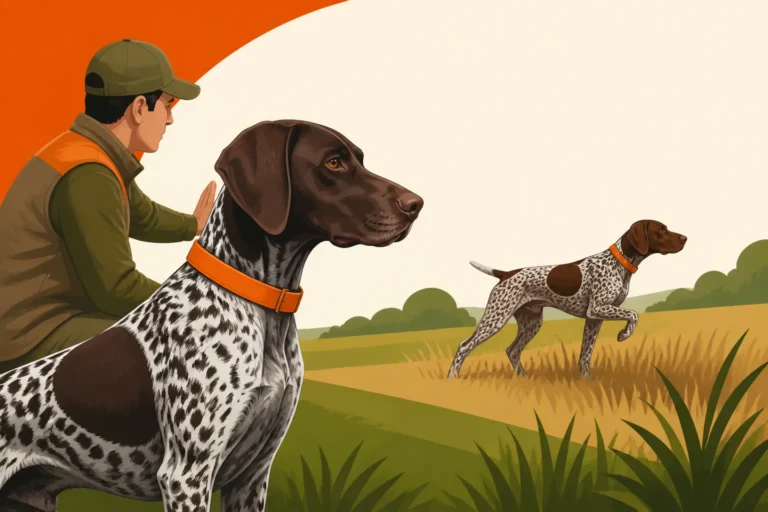
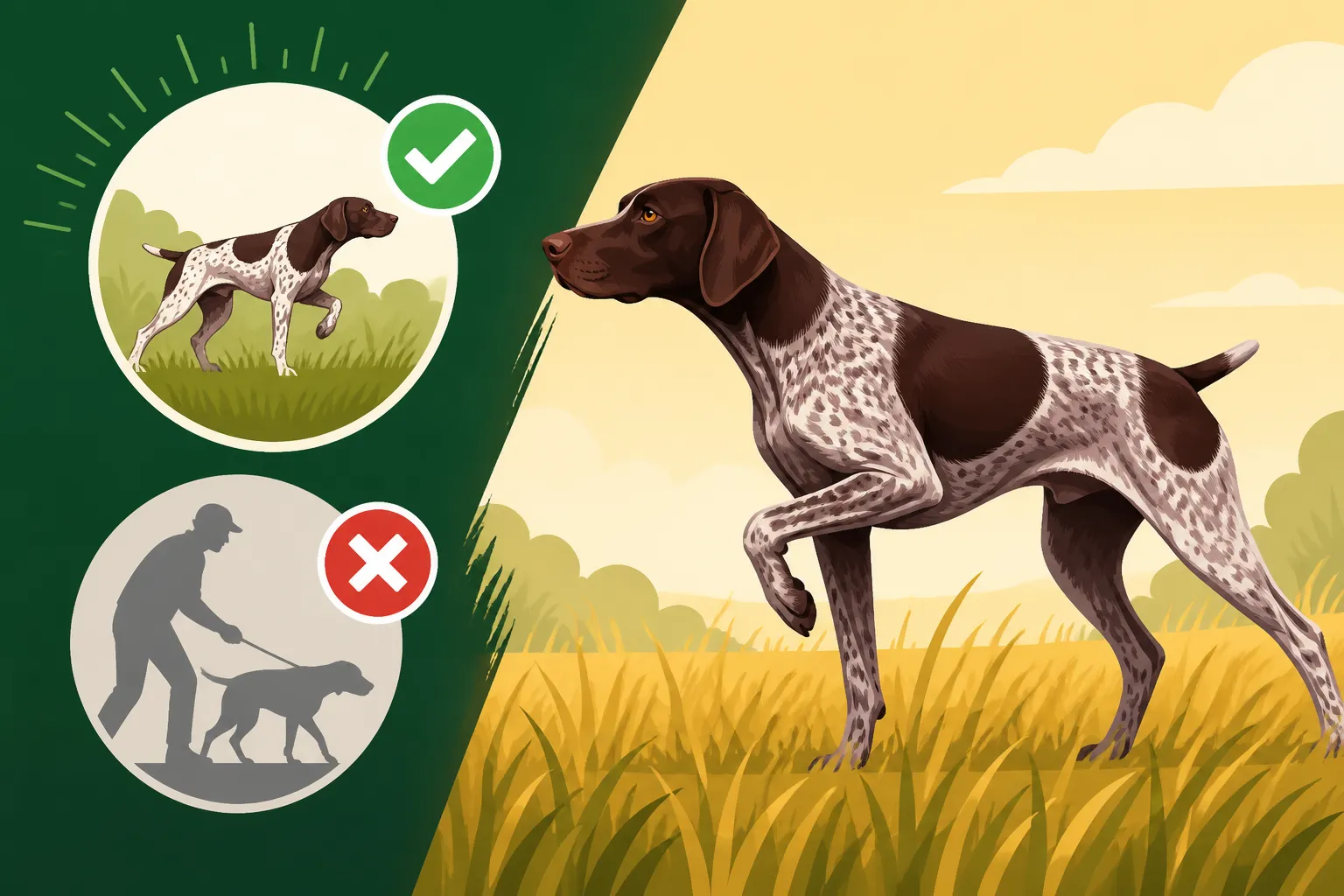
Think about it: for generations, the German Shorthaired Pointer has been bred to locate game birds, stop abruptly when scent is detected, and hold that position to indicate the bird's presence to the hunter. This isn't taught in a classroom; it's a genetic blueprint. A young pup, sometimes as early as eight to twelve weeks, might suddenly stiffen, lift a paw, and stare intently at a feather fluttering in the breeze or a bird flitting across the yard. This isn't a conscious decision on their part; it's an automatic, involuntary response to the strong scent cone of a bird. Their body just knows what to do.
This hardwiring also includes the incredible nose these dogs possess. They're not just looking for birds; they're scenting them, processing complex olfactory information that tells them exactly where that bird is, even if it's hidden deep in cover. This intense focus on scent is the precursor to the point, making them freeze not because they see the bird, but because the scent profile is screaming "BIRD HERE!" This raw, unrefined instinct is the foundation upon which all future training is built, and it’s a beautiful thing to behold.
Early Puppy Behaviors That Show Promise
You might see signs of this natural inclination long before you ever introduce your German Shorthaired Pointer puppy to a live bird. Watch them in the yard. Does your pup freeze when a bird flies overhead, or stalk a butterfly with intense focus, perhaps lifting a front paw and lowering its head? These are all early indicators of that strong prey drive and inherent pointing instinct bubbling to the surface. It might look a bit clumsy or unrefined at first – a "point" at a leaf, or a quick pounce instead of a held stance – but the underlying motivation is there.
These early behaviors are like little flashes of genius, showing you the potential that lies within. A good breeder will often observe these traits in their puppies, even calling them "birdy" or "showing natural point" at a very young age. This doesn't mean the dog is "trained," but rather that it possesses the strong genetic predisposition that makes training much more effective down the line. It's exciting to watch them develop, knowing that this early spark can be fanned into a powerful flame. The Age a Shorthair Puppy First Points is often earlier than new owners expect.
Refining the Natural Point: From Instinct to Reliable Field Work
While the instinct is undeniably strong, it's crucial to understand that "natural" doesn't equate to "finished." A German Shorthaired Pointer might naturally point, but without proper training, that point might be fleeting, inconsistent, or even lead to bumping birds, which isn't very helpful for a hunter. Turning that raw instinct into a reliable, steady tool in the field requires patience, consistency, and a structured approach.
The Critical Role of Early Exposure and Gentle Guidance
Think of a natural pointer like a naturally gifted athlete. They have the talent, but they still need a coach to hone their skills, teach them technique, and build discipline. For a German Shorthaired Pointer, early, positive exposure to birds is paramount. This isn't about heavy-handed pressure; it's about making the experience fun and rewarding, reinforcing the instinct without crushing it. Starting with a Wing on a String for a Shorthair Puppy can be a fantastic way to introduce the concept of game without overwhelming them. You want to see that natural point, then immediately reward it, building a positive association.
As they grow, introducing them to controlled situations with live birds, like pigeons or quail in a bird launcher, allows them to practice their natural point in a safe environment. You're gently guiding them, showing them that holding that point leads to good things. It's about building confidence and solidifying the behavior, making it more predictable and consistent. Don't rush this stage; let them enjoy the process and build a love for birds.
Building a Solid, Steady Point Through Focused Training
This is where the real work begins to transform that natural point into a truly reliable field asset. A "steady" point means the dog holds its position, even as the bird flushes, until released by the hunter. This takes immense discipline and goes beyond pure instinct. Without training, many Shorthairs will naturally want to break point and chase the flushing bird – an instinct that, while exciting, isn't always practical or safe in a hunting scenario.
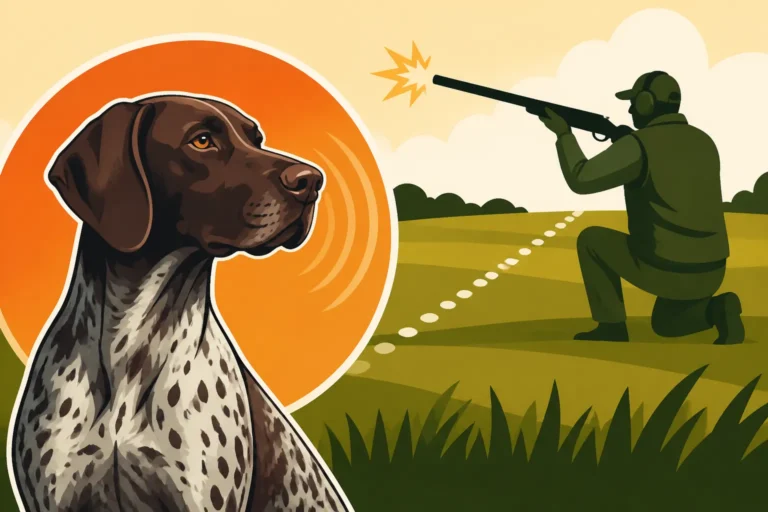
Concepts like "Whoa" become foundational. You use a check cord and gentle pressure, often starting on a simple whoa post or barrel, to teach your dog to freeze on command, regardless of distractions. This isn't about stopping the natural point, but about extending and controlling it. Building Whoa on a Shorthair With a Check Cord is a classic method that teaches them to hold their position. Over time, you'll integrate this "Whoa" command with bird exposure, slowly but surely steadying them to wing and shot. This focused training ensures that your dog doesn't just point, but points effectively, allowing you to walk in, flush the bird, and take your shot without your dog breaking early. Many owners find online puppy programs, like those offered by BAXTER & Bella, can provide excellent foundational obedience that directly supports later bird dog training, teaching those critical early commands and manners.
Why Some Shorthairs Point More "Naturally" Than Others
Just like people have varying talents, so do dogs, even within the same breed. While all German Shorthaired Pointers carry the genetic blueprint for pointing, the intensity and manifestation of that instinct can differ significantly. It's not always a reflection of your training ability, but a combination of inherent traits and environmental factors.
The Influence of Breeding and Bloodlines
This is perhaps the biggest factor. German Shorthaired Pointers from strong field lines, where generations of dogs have been specifically bred for their hunting prowess and natural abilities, often display a much stronger, more pronounced pointing instinct from a very young age. These breeders carefully select for "birdiness," scenting ability, and biddability – traits that make a dog easier to train for field work. They might use terms like "natural retriever" or "strong natural point" to describe their puppies, indicating that these instincts are deeply embedded.
Conversely, a German Shorthaired Pointer from primarily show lines, while still possessing the breed's general characteristics, might have a less intense or slower-to-develop pointing instinct. Their lineage might have prioritized conformation or temperament for family life over hardcore field performance. This isn't to say a show-bred Shorthair can't be a great hunter – many absolutely can! – but it might require a bit more effort and patience to bring out and refine those instincts. When choosing a puppy, looking at a pedigree for Checking a Shorthair Pedigree for Field Titles can give you a good indication of the strength of the hunting instinct you can expect.
Environmental Factors and Individual Personality
Beyond genetics, a dog's environment and individual personality play a huge role. A pup raised in a household where it's regularly exposed to appropriate stimuli (like feathers, bird wings, or even controlled visits to bird fields) will naturally have more opportunities for its instincts to surface and be reinforced. A dog that rarely sees a bird or experiences outdoor exploration might not develop its natural abilities as readily, simply because it hasn't had the chance.
Moreover, each German Shorthaired Pointer has its own unique personality. Some are naturally bolder and more inquisitive, eager to explore and chase scents. Others might be a bit softer or more hesitant, requiring a more gentle approach to bring out their prey drive. A high-strung or easily distracted dog might take longer to hold a steady point than a calm, focused one. Understanding your individual dog's temperament is key to tailoring your training approach to best develop their natural abilities. For basic equipment to aid in early exposure, from check cords to training dummies, many owners find useful items available on Amazon.
Other Innate Hunting Traits in Your German Shorthair
While pointing is arguably the most iconic trait of the German Shorthaired Pointer, it's far from their only natural hunting ability. This breed was developed to be a true "versatile" gun dog, meaning they are expected to perform a multitude of tasks in the field, not just point. Their other innate talents are equally impressive and contribute to their reputation as an all-around hunting companion.
The Drive to Retrieve and Track
The instinct to retrieve is incredibly strong in most German Shorthaired Pointers. Many will naturally pick up anything they can get their mouths on and bring it back to you, even as young puppies. This retrieve drive is vital for a bird dog, as it means they're not only locating the bird but also bringing it back efficiently after the shot. Just like pointing, this natural drive can be molded into a reliable "fetch" command and a soft-mouthed retrieve through consistent training. Teaching a Shorthair to Deliver a Bird to Hand is a crucial step for hunting dogs, and it leverages this natural inclination.
Beyond retrieving, their hound ancestry gives them a natural ability to track. While not as commonly highlighted as their pointing, many Shorthairs will instinctively follow a scent trail, head down, methodically working out where a bird has run or a wounded animal has gone. This makes them excellent at finding "runners" – birds that are shot but manage to escape on foot – or even for Blood Tracking With a German Shorthaired Pointer on larger game. This keen nose and determination to follow a trail are undeniable assets in the field.
The Importance of Versatility and Biddability
The true genius of the German Shorthaired Pointer lies in its versatility. They weren't just bred to point; they were bred to point, retrieve, track, and even work in water, replacing the need for multiple specialized dogs. This "jack-of-all-trades" ability is deeply rooted in their genetics. What Versatile Actually Means for a Shorthair speaks to this broad skill set. This means that while a puppy might show a natural point, it's also likely to show a natural desire to chase, retrieve, and explore by scent.
Equally important to their natural talents is their biddability – their willingness to please and be trained. While some breeds might be more independent, German Shorthaired Pointers generally thrive on working with their handler. This biddability makes the process of refining those natural instincts much easier. They want to learn, they want to cooperate, and they want to be your partner in the field. So, while they are born with incredible instincts, it's that combination of innate talent and a cooperative spirit that truly makes them shine as exceptional hunting companions when guided by a dedicated owner.
Disclaimer
This article is for general informational purposes only and does not constitute professional advice. Laws, prices and regulations vary by location and change over time. Consult a qualified professional for guidance on your specific situation.