Blood Tracking With a German Shorthaired Pointer
Few things are more disheartening than making a good shot on a game animal, only for it to run off into dense cover, leaving you with that gut-wrenching feeling of potentially losing it forever. It’s a situation many hunters face, filled with anxiety and the weight of responsibility. This guide is here to walk you through how to harness your German Shorthaired Pointer’s incredible natural abilities to become a reliable blood tracker, ensuring fewer lost animals and more successful recoveries.
The German Shorthaired Pointer’s Natural Edge in Blood Tracking
When it comes to blood tracking, German Shorthaired Pointers possess a suite of attributes that make them exceptionally good at the job. It's not just about their powerful noses, though that's certainly a huge part of it. Their entire history and physical makeup align perfectly with the demands of finding a downed animal, often hours or even a full day after the shot.
An Unparalleled Sense of Smell and Drive
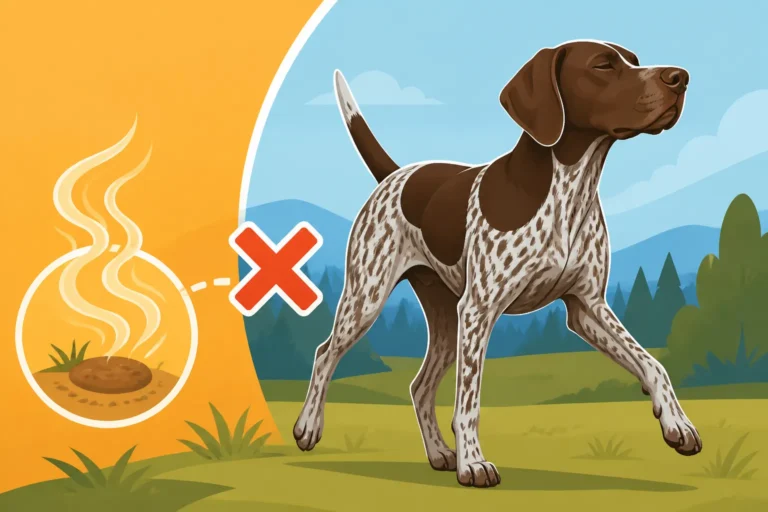
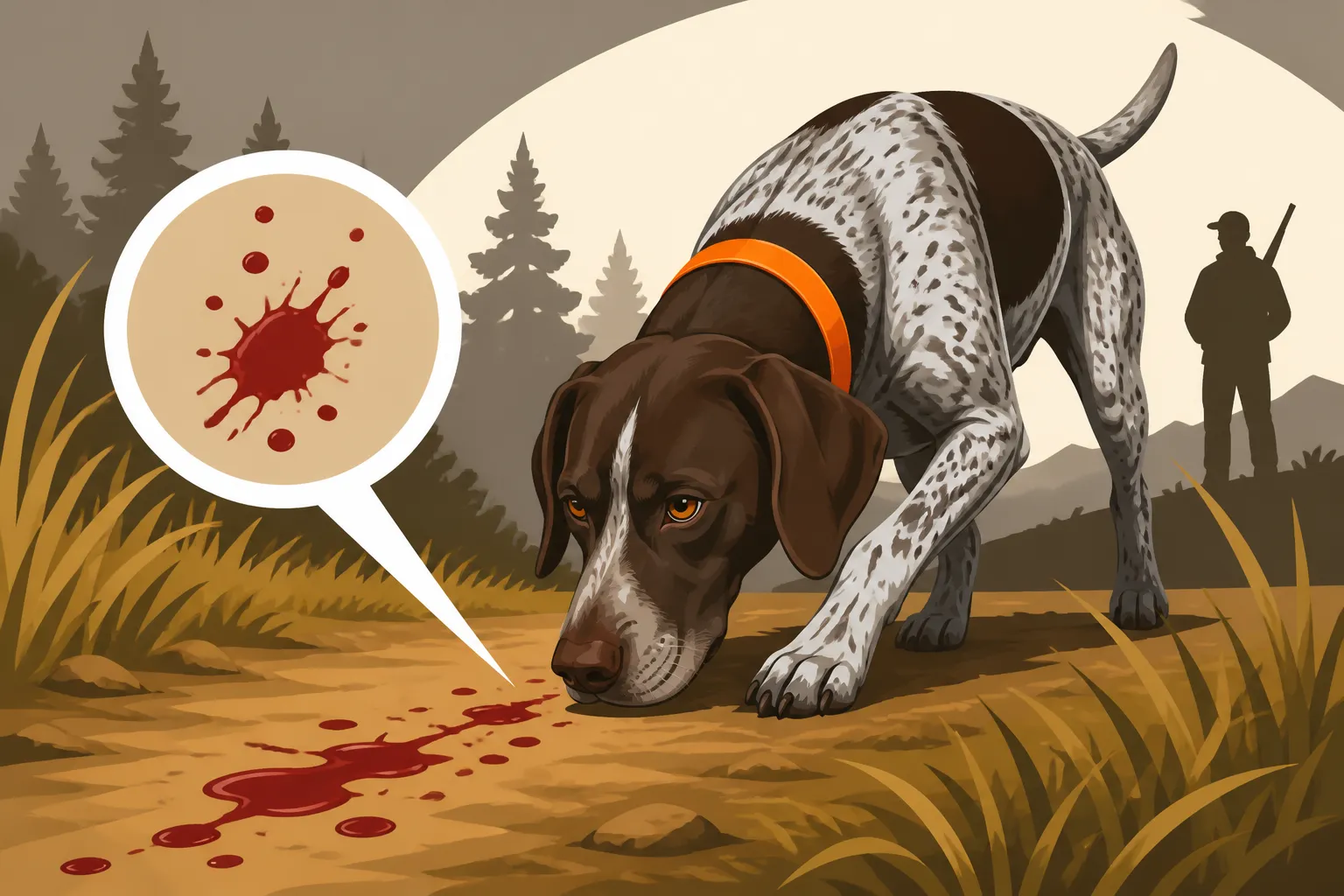
German Shorthaired Pointers were specifically developed in Germany for versatility in hunting, and that versatility extends well beyond just pointing birds. They were bred to do it all – point, retrieve, and track. This means they naturally possess a highly developed olfactory system and an innate desire to use it. Think about how your GSP incessantly sniffs every blade of grass on a walk, processing a world of information we can't even perceive. That's the raw talent we're talking about. When a wounded animal leaves a blood trail, even one invisible to the human eye, your GSP's nose can detect the individual blood cells, disturbed ground, broken vegetation, and even the subtle scent of fear or adrenaline left by the animal. This combination of raw scenting power and an intense prey drive, channeled correctly, creates an unstoppable tracking machine. This natural talent is why many consider them prime candidates for tracking, even for serious tasks like finding injured deer or hogs. The Nose the German Shorthaired Pointer Was Selected For really highlights this inherent ability.
Stamina and Resilience for the Long Haul
Tracking a wounded animal isn't always a short jaunt. Sometimes, it involves miles through thick brush, over varied terrain, and potentially in challenging weather conditions. German Shorthaired Pointers are built for this kind of work. They are lean, muscular, and possess incredible stamina, making them capable of covering vast distances without faltering. Their short, dense coats, while not designed for extreme cold, do offer some protection and are surprisingly good at shedding burrs and debris that might bog down a longer-coated dog. Their robust paws are also tough, ready for rough ground, though sometimes a field injury can still happen. Field Injuries a Hunting German Shorthaired Pointer Comes Home With is a good read if you're concerned about how their bodies hold up. This physical hardiness means they can maintain focus and drive long after many other breeds would be flagging, which is absolutely crucial when every minute counts in recovering an animal ethically.
Essential Preparations for Blood Tracking Training
Before you even lay down your first practice track, there are a few foundational elements you'll want to have in place. Thinking ahead and getting the right gear, along with establishing basic obedience, will set both you and your GSP up for success.
Gear Up: Harness, Long Line, and Scent
To start blood tracking, you'll need specific equipment. Forget the everyday leash and collar; you’ll want a comfortable, well-fitting harness that doesn't put pressure on your dog's neck or restrict movement, as they'll be pulling slightly into it as they follow a scent. A long line, usually 20-30 feet, is also indispensable. This gives your GSP the freedom to work a track without you crowding them, while still allowing you to guide and manage their progress. You can find excellent options on Amazon, often designed specifically for scent work.
Most importantly, you need scent to train with. Many trainers start with actual deer blood, which can sometimes be acquired from a local butcher or taxidermist. However, for those who prefer not to handle raw blood or if it's difficult to source, synthetic blood tracking scents are widely available. These products are formulated to mimic the smell of real blood and can be very effective. Whatever you choose, make sure it’s fresh and handled appropriately. Don't forget treats! High-value rewards are critical for positive reinforcement, especially in the early stages when your GSP is figuring out what you want from them.
Building Foundational Obedience and Bond
Blood tracking is a team effort, and a strong relationship built on trust and clear communication is paramount. Before introducing tracking, your GSP should have a solid grasp of basic obedience commands, especially "stay," "heel," and a reliable "come." When your GSP is "locked on" a track, their focus will be intense, and you need to know you can still get their attention if necessary, even if it's just to guide them around an obstacle or pull them out of danger. Recall on a German Shorthaired Pointer That Is Locked On delves into this challenge.
Furthermore, a GSP's natural energy means they need plenty of exercise to be receptive to training. A tired GSP is a more focused GSP. Ensure they're getting their daily Ninety Minutes of Real Exercise for a Shorthair to help channel that boundless energy effectively. Creating a strong bond through play, consistent training, and spending quality time together will make them more eager to work with you on the track, rather than just doing their own thing.
Step-by-Step Blood Tracking Training Techniques
Training a German Shorthaired Pointer to blood track is a progressive journey, starting with simple, clear exercises and gradually building complexity. Patience and consistency are your best friends here.
Starting with Short, Simple Tracks
Begin by laying very short, straight tracks – think 20-30 yards – with a clear blood trail. Use a dropper or a spray bottle to apply the scent, making a distinct line on grass or bare earth. Place a "reward" (like a piece of deer hide, a deer foot, or a favorite toy) at the end of the track. Let the track sit for only a few minutes initially. Take your GSP to the start, put them on their harness and long line, and encourage them to "find it" or "track." Start downwind if possible, to give them the initial scent.
When they put their nose down and start following, give quiet praise. Resist the urge to pull them or talk too much; let them work it out. When they find the reward, make a huge fuss! Lots of praise, a high-value treat, and perhaps a game of tug. This immediate positive reinforcement teaches them that following the scent leads to a very good outcome. Repeat these short, simple tracks multiple times a day, ensuring success each time. Keep sessions short and fun to maintain their enthusiasm.
Increasing Length, Age, and Complexity
Once your GSP consistently and eagerly follows short, fresh tracks, it's time to gradually increase the difficulty:
- Length: Slowly extend the length of your tracks. Go from 30 yards to 50, then 75, then 100, and so on. Don't make huge jumps; incremental increases are key.
- Age: Start letting the tracks "age" longer before you run your dog. Begin with 15 minutes, then 30, then an hour, eventually building up to several hours or even overnight tracks. This simulates real-world scenarios where an animal might not be found immediately.
- Turns: Introduce gentle turns into your tracks. Start with a single 90-degree turn, then add more. Lay the blood heavily around the turn initially, then make it more subtle. Watch how your GSP works the turn; they'll usually swing wide to catch the scent cone.
- Terrain: Vary the terrain you track on. Go from open grass to light brush, then thicker woods. Each type of ground presents different challenges for scent dispersion.
- Distractions: Introduce very mild distractions only after your GSP is confident with tracks. A distant person, another dog calmly observing, but never anything that will overpower the blood scent or your dog's focus.
Remember, every step should be a success. If your GSP struggles, go back to an easier level before progressing. Consistency is more important than speed. A training program like the one offered by BAXTER & Bella, while not specifically for blood tracking, often lays excellent groundwork for obedience and engagement, which are transferable skills for any specialized scent work.
Reading Your German Shorthaired Pointer on the Track
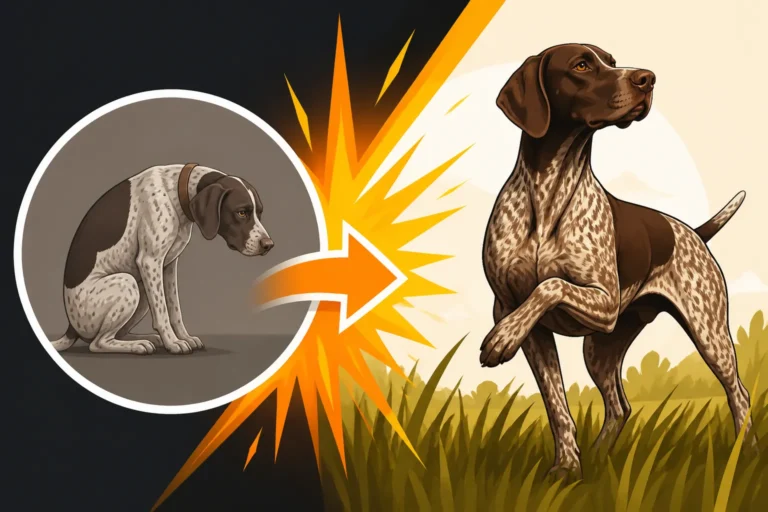
Learning to "read" your GSP's body language on the track is crucial for effective teamwork. Your dog will tell you a lot if you pay attention. When they are confidently on the blood trail, their head will be down, nose actively working the ground, tail often held steady or with a focused, low wag. They might be pulling steadily on the line, moving with purpose.
If they lose the track, their demeanor will change. Their head might come up, they might start casting (swinging their head back and forth, trying to relocate the scent), or they might look back at you. This is where your patience comes in. Let them work it out for a moment. If they can't relocate, you can gently guide them back to the last known point of scent, or in a real scenario, widen the search pattern with them. Trust their nose; they are much better at this than you are. Don't be a helicopter handler, but be ready to provide quiet encouragement or a subtle re-direction if they truly seem lost.
Overcoming Common Blood Tracking Challenges
Even with a naturally gifted German Shorthaired Pointer, you’ll encounter bumps in the road. Knowing how to troubleshoot these common issues can save you a lot of frustration.
Losing the Scent and Regaining Confidence
It's inevitable: your GSP will lose the track at some point, whether in training or a real situation. This can happen for many reasons – a sudden change in wind, crossing a creek, or the animal stopping to bleed out and then moving on. When your dog loses the track, the worst thing you can do is get frustrated or punish them. This will only associate tracking with negative feelings.
Instead, when you see them lift their head and start casting, let them work the area. Give them a little more line to expand their search. If they still can’t find it, walk them back to the last place you know they were confidently on the scent. Re-start them there. If they are consistently struggling, simplify the tracks again in your training – shorter, fresher, straighter. Build their confidence back up. Sometimes, taking a break and coming back to it with a fresh attitude (for both of you!) can make all the difference. Remember, this is a learning process for both handler and dog.
Environmental Factors: Wind, Rain, and Terrain
Environmental conditions play a huge role in scent work. A strong crosswind can blow the scent off the direct trail, making your GSP work a wider area downwind. Rain can wash away or dilute a blood trail, especially a light one, making it harder to follow. Hot, dry conditions can cause scent to dissipate quickly.
You can't control the weather, but you can train in varying conditions. Practice on windy days, after a light rain (if you can still lay a visible trail), and in different temperatures. This helps your GSP learn to adapt. When facing these conditions in a real track, understand that your dog might work slower, swing wider, or take longer to decipher the scent. This is not a failure; it’s an adjustment. Also, be mindful of your dog's comfort. On extremely hot days, The Temperature a German Shorthaired Pointer Should Not Hunt In applies to tracking too – you don't want them to overheat.
Handler Mistakes and Developing Trust
Let's be honest, we handlers are often the weakest link! Common mistakes include pulling on the leash too much, talking constantly, rushing the dog, or even unknowingly contaminating the track with our own scent. The biggest challenge for many handlers is learning to trust their GSP's nose. It's hard to believe they can find something we can't see, but they absolutely can.
During training, try to keep your hands quiet on the line. Let the line go slack enough for your dog to work, but not so much that you lose control. Keep your verbal cues minimal and consistent. Observe, don't interfere unless absolutely necessary. What a GPS Tracking Collar Costs a Shorthair Owner can be a valuable tool, not just for knowing where your dog is in thick cover, but also for reviewing their tracking patterns later to see if you were inadvertently guiding them incorrectly. Developing this trust takes time, but when you see your GSP lock onto a faint trail and confidently lead you to a downed animal, you'll know it was worth every ounce of effort.
The Rewarding Experience of a Trained Blood Tracker
Training a German Shorthaired Pointer for blood tracking is more than just a hunting skill; it's a profound experience that deepens your bond and provides immense satisfaction.
Ethical Recovery and Conservation
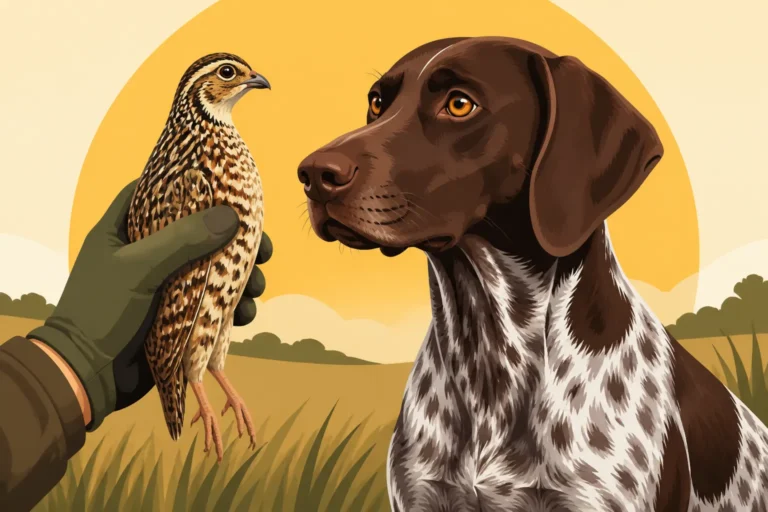
The most significant reward of a well-trained blood tracker is the ethical recovery of game. No hunter wants to lose an animal, especially one that was wounded. Your GSP, with its incredible nose and drive, becomes an invaluable partner in ensuring that every animal taken is accounted for. This isn't just about personal success; it's about responsible hunting and conservation. Knowing you've done everything in your power to recover an animal brings a sense of peace and respect for the game that few other aspects of hunting can. It also showcases the true versatility and purpose of the German Shorthaired Pointer breed, fulfilling the very role they were bred for generations ago.
Deepening the Bond and Understanding
Working side-by-side with your GSP on a track, trusting their instincts, and celebrating together when the animal is found, creates an incredibly deep and unique bond. You learn to read their subtle cues, anticipate their movements, and appreciate their innate abilities in a way you never could during a casual walk or even a bird hunt. The quiet focus and determination they display during a track are awe-inspiring. This shared purpose fosters a level of teamwork and mutual respect that enriches your relationship immeasurably. You'll see your GSP not just as a pet, but as a highly skilled partner, connected to you through shared effort and success. The Structure a German Shorthaired Pointer Needs Daily is not just about physical exercise, but also about mental engagement and meaningful work that strengthens this bond.
Expanding Your German Shorthaired Pointer's Capabilities
Beyond just hunting and tracking, engaging your GSP in this kind of scent work taps into their deepest instincts and provides incredible mental stimulation. This isn't just a physical workout; it's a complex puzzle for their minds, keeping them sharp and engaged. Even if you only hunt occasionally, teaching your GSP to blood track offers an amazing outlet for their energy and intelligence. It’s a challenging, rewarding discipline that allows them to perform a true "job," which most GSPs thrive on. It opens up a whole new world of understanding for both of you, proving once again that your German Shorthaired Pointer is truly a magnificent, multi-talented companion.
Disclaimer
This article is for general informational purposes only and does not constitute professional advice. Laws, prices and regulations vary by location and change over time. Consult a qualified professional for guidance on your specific situation.