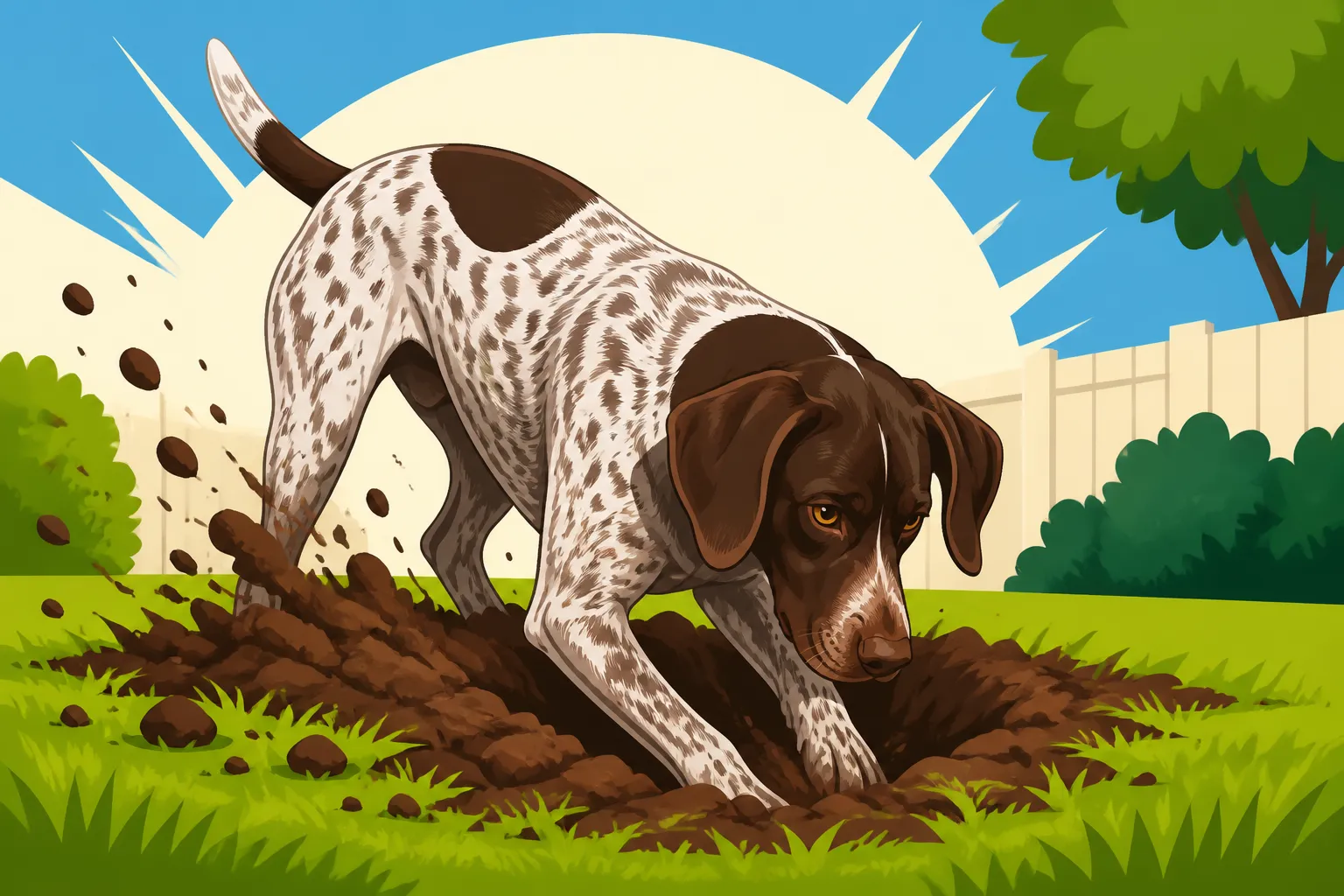
A German Shorthaired Pointer That Digs the Yard Out
There’s nothing quite like walking out into your yard, only to find it looking like a moonscape, craters and all, thanks to your beloved German Shorthaired Pointer. It’s frustrating, bewildering, and often leaves you wondering, "Why on earth do they do that?" This comprehensive guide is here to unravel the mystery behind your Shorthair's digging habits, exploring the root causes and offering practical, empathetic solutions to help you reclaim your lawn and understand your dog better.
Understanding Why Your German Shorthaired Pointer Digs
German Shorthaired Pointers are incredible dogs, known for their boundless energy, keen intelligence, and unwavering loyalty. But those very traits, when not properly channeled, can lead to behaviors that drive us up the wall – and often, right into the holes in our backyard. Digging isn't just a random act of defiance; it's almost always rooted in a dog's natural instincts or an unmet need.
Instinctual Roots of Digging Behavior
Let's face it, GSPs were bred to be versatile hunters. Their ancestors spent centuries tracking, pointing, and retrieving game, often in varied terrain. That strong prey drive and desire to investigate means their noses are constantly working, leading them to follow scents that we can't even perceive. What seems like an empty patch of grass to us might smell like a bustling rodent highway to your GSP. They're not intentionally ruining your landscaping; they're simply being dogs, acting on deeply ingrained instincts to hunt, unearth, or explore.
Think about it: a faint scent of a vole or mole burrowing just beneath the surface can ignite that hunting fire in your Shorthair. To them, digging is a perfectly logical step in pursuing potential prey. They are wired to investigate with their paws, and the satisfaction of potentially finding something, even if they rarely catch anything, is a powerful motivator. This instinct is often most pronounced in younger dogs or those with a very strong working lineage.
Energy Outlet and Boredom Busting
If you own a German Shorthaired Pointer, you already know they aren't content to be couch potatoes. These dogs are athletes, built for endurance and speed. They need a significant amount of physical exercise and mental stimulation every single day to truly thrive. Without enough structured activity, that incredible GSP energy has to go somewhere. And often, that "somewhen" becomes digging.
Imagine being stuck in a small room all day with nothing to do. You'd probably find creative, even destructive, ways to pass the time. Your GSP feels something similar when under-exercised or bored. Digging provides a powerful sensory and physical outlet. It burns energy, engages their minds as they strategize where to dig, and gives them a sense of purpose. A GSP that isn't getting enough daily runs, walks, or structured playtime, or isn't challenged with Mental Work That Tires a Shorthair Out, might see your yard as their personal excavation site simply because it’s the most exciting thing on offer. The sheer physical exertion of digging can be exhausting, providing the very "job" they crave.
Comfort and Temperature Regulation
Sometimes, your Shorthair isn't looking for prey or a thrill; they're simply looking for comfort. Their short, sleek coats, while perfect for shedding burrs and water, offer limited insulation against extreme temperatures. On a sweltering summer day, digging a shallow pit in the dirt exposes cooler earth beneath the surface, creating a makeshift, natural air conditioner. They're trying to escape the heat, plain and simple.
Conversely, in colder weather, a GSP might dig a sheltered hollow to curl up in, seeking refuge from wind or rain. This denning behavior is primal, a throw-back to their wild ancestors who sought safety and warmth in natural shelters. If your dog spends a lot of time outside and doesn't have adequate shade, shelter, or a cozy outdoor bed, they might resort to digging their own. Observing when and where your dog digs can offer clues: is it always in the sunniest spot on a hot day, or tucked against the house when it's breezy? These patterns can tell you a lot about their motivation.
Common Digging Scenarios and Their Triggers
Digging isn't always a one-size-fits-all problem. The context matters, and understanding why your GSP is digging can help you address the specific trigger. From ambitious escape artists to those burying their treasures, each scenario requires a slightly different approach.
The Escape Artist GSP
German Shorthaired Pointers are notoriously athletic and intelligent, and if they decide there's something more interesting on the other side of your fence, they'll often try to find a way to get there. Digging under the fence is a classic GSP escape strategy. They're not necessarily trying to run away from you, but rather to explore, chase a scent, or find a perceived adventure beyond their current boundaries. This is especially common if they see other dogs, squirrels, or people passing by.
The motivation here is often a combination of strong prey drive, high energy, and perhaps a touch of boredom or even anxiety. If your GSP is routinely making a break for it, it's a clear sign that their current environment isn't meeting their needs for mental and physical engagement, or that their containment isn't secure enough. A young, exuberant GSP, in particular, may find the challenge of breaching the fence an exciting game. It's not just about the escape itself, but the journey to freedom and whatever scents or sights lie beyond. This is why Fencing That Holds a German Shorthaired Pointer is so crucial.
The Hunter-Gatherer and Treasure Burier
That prized chew bone you just gave them, or that squeaky toy they adore? Many German Shorthaired Pointers will carry it outside and meticulously bury it, sometimes in multiple locations, like they're preparing for a post-apocalyptic snack shortage. This behavior is deeply rooted in their ancestral need to hoard resources. In the wild, burying food kept it safe from scavengers and preserved it for later consumption.
For your GSP, burying isn't just about food. They might bury favorite toys, sticks, or anything else they deem valuable. It's a way of "saving" their treasures, exercising control over their possessions, and engaging in a natural, satisfying behavior. The act of digging and burying itself can be a fulfilling activity, separate from what's actually being buried. If you find your dog consistently burying items, it’s a good indicator of this primal instinct at play. While mostly harmless, it can certainly contribute to the lunar landscape of your garden!
The Attention-Seeking Excavator
Sometimes, a dog learns that a certain behavior, even a negative one like digging, consistently gets them what they want: your attention. Even if that attention is you running out, yelling, and trying to stop them, it's still interaction. For a dog that might feel overlooked or isn't getting enough dedicated one-on-one time, digging can become a highly effective, albeit annoying, communication strategy.
Think about it: if your GSP digs, and you immediately drop what you're doing to intervene, they've successfully redirected your focus onto them. They've learned that digging equals interaction, even if it's negative interaction. This often happens if a dog is left alone in the yard for long stretches without human engagement, or if they're not getting enough quality playtime and training sessions. This isn't malicious; it's simply a dog learning how to get a rise out of their human, and they'll repeat what works. What an Under Exercised Shorthair Does to a House often involves this kind of attention-seeking destruction.
Effective Strategies to Manage and Prevent Digging
Once you've zeroed in on the likely reasons why your German Shorthaired Pointer is digging, you can start implementing strategies to manage and prevent it. Remember, these intelligent, energetic dogs need constructive outlets for their natural behaviors, not just punishment for their missteps.
Boosting Exercise and Mental Stimulation
This is often the number one solution for an over-active, digging GSP. These dogs need to run, to chase, to explore, and to use their brains. Simply letting them out into the yard isn't enough. They need structured exercise that truly tires them out, both physically and mentally. Aim for at least The Two Hours a Day a German Shorthaired Pointer Needs of vigorous activity.
This could mean a long, brisk walk or jog, a session of fetch in a large, secure area, or even agility training. Incorporate mental challenges too: puzzle feeders, scent work games (hiding treats for them to find), or obedience training sessions. A tired GSP is a happy GSP, and far less likely to turn your flowerbeds into an archaeological dig site. Consider rotating toys, so they always have something novel and interesting to engage with. If they're using their energy and intelligence on appropriate tasks, they won't have the spare capacity for destructive digging.
Creating Designated Digging Zones
If your GSP has an undeniable urge to dig, why not give them an acceptable place to do it? A designated digging pit or sandbox can be a fantastic outlet. Choose an area of your yard that you don't mind getting messy, perhaps in a corner. Fill it with sand or loose soil, and then bury some exciting toys, chew bones, or even tasty treats for them to discover.
Introduce your GSP to this new digging zone enthusiastically. Encourage them to dig there, praising them profusely when they do. Whenever you catch them digging elsewhere, gently redirect them to their designated spot. Over time, they'll learn that this specific area is their place to dig, satisfying that primal urge without destroying your prize-winning petunias. Regular "treasure hunts" in the digging pit can keep it fresh and exciting, reinforcing its use.
Environmental Deterrents and Management
Sometimes, you need to make certain areas less appealing for digging. This involves a bit of clever management and sometimes, a little DIY.
- Physical Barriers: For persistent fence-line diggers, burying chicken wire or concrete pavers along the bottom of the fence can create an unpleasant barrier. Ensure the wire edges are bent down and away from your dog to prevent injury. Laying down large, flat rocks or heavy landscaping timbers can also deter digging in specific spots.
- Unpleasant Scents (Naturally): Dogs have sensitive noses, and some scents are simply unappealing. Sprinkling citrus peels (lemons, oranges), coffee grounds, or diluted vinegar around plants or garden beds might make them less attractive digging spots. Always ensure anything you use is safe for dogs if ingested.
- Covering Exposed Soil: If your GSP is digging in freshly tilled garden beds, cover the soil with heavy mulch, decorative rocks, or even prickly pine cones to make it less accessible and less fun to dig in.
- Supervision and Redirection: This is perhaps the most fundamental management tool. Don't leave your GSP unsupervised in the yard for extended periods, especially if they have a known digging habit. When they're outside, be present and ready to intervene. If you see them starting to dig in an inappropriate spot, use a consistent verbal interrupter ("uh-oh!") and immediately redirect them to an approved activity or their digging pit. Praise them heavily for engaging with the appropriate alternative. This proactive approach prevents the digging behavior from becoming ingrained.
Training and Behavioral Modification Techniques
Managing a digging German Shorthaired Pointer isn't just about deterrence; it's about teaching them what to do instead. Consistent training and understanding their behavior are key to long-term success.
Reinforcing Alternative Behaviors
The core of behavioral modification is to teach your dog that choosing an appropriate activity is far more rewarding than digging up your lawn. This means actively engaging them in other ways and heavily praising those choices. If your GSP starts to show interest in digging, immediately interrupt them with a cheerful sound or command, then redirect them to an appropriate toy, a game of fetch, or a short training session.
For example, if you see your Shorthair sniffing intently at a potential digging spot, call their name, and when they look at you, toss a favorite ball. When they retrieve the ball, give them enthusiastic praise. You want to make the alternative activity far more exciting and rewarding than the potential digging adventure. This also builds their recall and attention, which are invaluable for a breed that loves to explore. For quality training guides and support, resources like BAXTER & Bella offer online programs that focus on positive reinforcement and building a strong relationship with your dog.
Addressing Separation Anxiety and Stress-Related Digging
Sometimes, digging isn't about boredom or instinct; it's a symptom of deeper emotional distress, such as separation anxiety. A GSP who feels stressed or anxious when left alone might resort to destructive behaviors, including excessive digging, as a coping mechanism. This digging is often frantic, accompanied by other signs like excessive barking, chewing on fences or doors, pacing, or house-soiling. If you suspect your GSP is experiencing A Shorthair That Panics Alone in the House, digging is merely one manifestation.
Addressing separation anxiety requires a multi-faceted approach. It often involves counter-conditioning (associating your departure with positive things, like special long-lasting treats), desensitization (gradually increasing the time you leave them alone), and sometimes, consulting with a professional dog trainer or veterinary behaviorist. Never punish a dog for anxiety-driven digging, as it will only increase their stress. Instead, focus on building their confidence and comfort when alone. Ensure they have appropriate Crating a Shorthair That Has Energy to Burn if they are crate trained and find it a safe den.
Consistency and Patience in Training
German Shorthaired Pointers are smart, but like all dogs, they thrive on consistency. It's not enough to intervene sometimes; you need to be vigilant and consistent with your rules and redirection every single time. If you let them dig one day but not the next, you're only confusing them and making the behavior harder to extinguish.
Patience is equally vital. Changing an ingrained behavior takes time, especially with a highly motivated breed like the GSP. There will be setbacks, and you'll likely discover new holes. Don't get discouraged! Celebrate the small victories, like when they choose their digging pit over your rose bush. Every consistent redirection, every positive reinforcement for appropriate behavior, moves you closer to your goal. Remember, your GSP wants to please you, but they also have strong natural drives. Your job is to guide those drives into acceptable channels. Understanding The Age a German Shorthaired Pointer Finally Settles can also provide perspective on how long consistent effort may be required.
Tools and Resources for Digging German Shorthaired Pointers
Successfully managing a digging GSP often involves more than just training; it also means providing them with the right tools and leveraging available resources. There's a whole world of clever products and helpful communities out there designed to support you and your energetic companion.
Engaging Toys and Chews
One of the simplest yet most effective ways to redirect a digging GSP is to provide them with high-value alternatives. These aren't just any toys; they need to be durable, mentally stimulating, and incredibly appealing to your dog.
- Tough Chews: German Shorthaired Pointers are strong chewers. Invest in high-quality, durable chew toys that can stand up to their powerful jaws. Look for materials like natural rubber or tougher synthetics. Offering these when they're unsupervised can keep their mouths and minds busy, preventing them from turning to the ground for entertainment. Many excellent options can be found on platforms like Amazon, offering a wide variety from puzzle toys to indestructible dental chews.
- Puzzle Feeders and Dispensing Toys: These are fantastic for mental stimulation. Puzzle Feeders and Scent Games for a Shorthair can keep your dog occupied for significant periods as they work to extract kibble or treats. The act of problem-solving is incredibly satisfying for an intelligent GSP and can be a great way to burn mental energy without requiring a single paw in the dirt.
- Interactive Fetch Toys: Toys designed for high-energy play, like durable balls, frisbees, or retrieving dummies, can be invaluable. Regular, intense fetch sessions are a great way to channel that natural prey drive and athletic ability, leaving less energy for destructive digging.
Online Training Programs and Community Support
You don't have to tackle this alone! There are numerous resources available that can offer guidance, strategies, and a sense of community.
- Online Training Platforms: Services like BAXTER & Bella provide comprehensive online dog training programs that cover a wide range of behavioral challenges, including digging. These programs often include video tutorials, live Q&A sessions, and personalized support, allowing you to learn at your own pace from the comfort of your home. They focus on positive reinforcement, which is crucial for building a strong bond with your GSP and encouraging desired behaviors.
- Breed-Specific Forums and Groups: Joining online forums or local clubs dedicated to German Shorthaired Pointers can connect you with other owners who understand the unique quirks and challenges of the breed. You can share experiences, ask for advice, and discover tips and tricks that have worked for others dealing with digging or other GSP-specific behaviors. This sense of community can be incredibly validating and educational.
- Professional Trainers and Behaviorists: For persistent or anxiety-driven digging, don't hesitate to consult a certified professional dog trainer or a veterinary behaviorist. They can conduct an in-depth assessment of your GSP's behavior, identify underlying causes, and develop a tailored training plan to address the issue effectively. Sometimes, an objective expert eye is exactly what's needed.
Practical Gear for Prevention
Beyond toys and training, certain practical items can help manage and prevent digging.
- Secure Fencing Solutions: As mentioned, for escape artists, reinforcing your fence is paramount. This might involve burying chicken wire or adding a 'L' footed fence extension along the bottom to deter digging under. Ensure all fence posts are secure and there are no easy weak spots.
- Dog-Proof Garden Beds: Consider raised garden beds or sturdy fencing around precious planting areas that your GSP might target. These physical barriers can be surprisingly effective at protecting your landscaping.
- Heavy Duty Crates and Kennels: If your GSP is digging out of boredom or anxiety when left unsupervised, a well-sized, sturdy crate or outdoor kennel can provide a safe, contained space. Ensure the crate is used for positive experiences and isn't seen as punishment. For outdoor kennels, make sure the flooring is secure (e.g., concrete or a heavy-duty mat) to prevent digging out from underneath. Crating a Shorthair That Has Energy to Burn is a good option when you cannot actively supervise.
Finding your German Shorthaired Pointer turning your garden into a lunar landscape can certainly test your patience, but remember, their digging is almost always a sign of an unmet need or a strong instinct. By understanding the 'why' behind their excavation efforts—whether it's for hunting, comfort, energy release, or even attention—you're already halfway to finding a solution. With a combination of increased exercise and mental stimulation, designated digging zones, smart environmental management, and consistent positive reinforcement, you can guide your clever GSP toward more appropriate outlets for their boundless energy and instincts. It takes patience, consistency, and a deep understanding of what makes these magnificent dogs tick, but the reward of a happy, well-adjusted companion and an intact yard is well worth the effort.
Disclaimer
This article is for general informational purposes only and does not constitute professional advice. Laws, prices and regulations vary by location and change over time. Consult a qualified professional for guidance on your specific situation.