Teaching a Shorthair to Enter Water Willingly
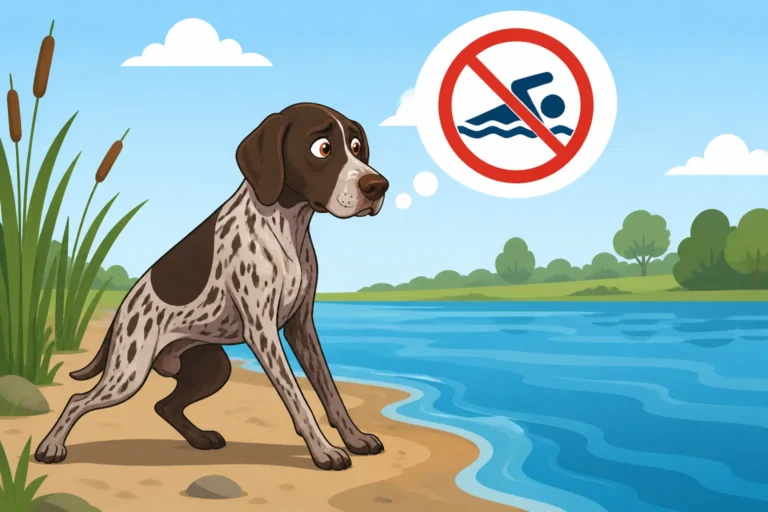
It’s a common scenario: you have a German Shorthaired Pointer, a breed renowned for its natural athleticism and love for the outdoors, yet when you get to the water's edge, your dog acts like it’s made of acid. This guide is here to walk you through gentle, positive, and effective strategies to help your GSP overcome any hesitation and eagerly embrace the water, turning reluctant paw-dippers into enthusiastic swimmers and retrievers.
Understanding Your Shorthair's Relationship with Water
German Shorthaired Pointers were bred for versatility, and that absolutely includes water work. They have a natural inclination to retrieve from water, thanks to their lineage and purpose as all-around hunting dogs. Yet, despite this inherent drive, it's not uncommon for a GSP to show hesitation or even outright fear when first introduced to water, or if they've had a less-than-positive initial experience. You might think, "But they're GSPs! They're supposed to love water!" And while that's generally true, every dog is an individual.
Factors like the temperature of the water, the depth, unfamiliar sounds, or even the texture of the bottom can all play a role in a dog's reluctance. A puppy might have been startled by a wave, or an older dog might associate water with a cold, uncomfortable plunge rather than a fun activity. It's crucial to remember that forcing a dog into the water can create a lasting negative association, making it even harder to build confidence later on. Our goal isn't just to get them in the water, but to make them willing to go in, associating it with positive experiences and a sense of joy.
Imagine the first time you tried something new that seemed a bit intimidating. Maybe it was swimming in a cold lake, or navigating a tricky hiking trail. You probably appreciated a gentle push, some encouragement, and the ability to go at your own pace, rather than being shoved headfirst into the deep end. Your GSP deserves the same patience and understanding. Their short, sleek coat, while somewhat water-resistant, doesn't offer the same thermal protection as a dense double coat, so cold water can be a genuine deterrent. Introducing a Shorthair to Cold Water Safely is a consideration from the very beginning.
Gentle Introduction: Making Water a Positive Experience
The key to fostering a love for water in your German Shorthaired Pointer is a gradual, positive, and pressure-free introduction. Think of it as building a relationship, not just teaching a trick. This process needs to start small, with high-value rewards and plenty of encouragement.
Starting with Shallow Water and Play
Begin in a location with very shallow, calm water. A kiddie pool in your backyard, a gentle creek with a sandy bottom, or the very edge of a lake where the water barely covers their paws are ideal spots. Avoid areas with strong currents, steep drop-offs, or lots of slippery rocks. The less intimidating the environment, the better.
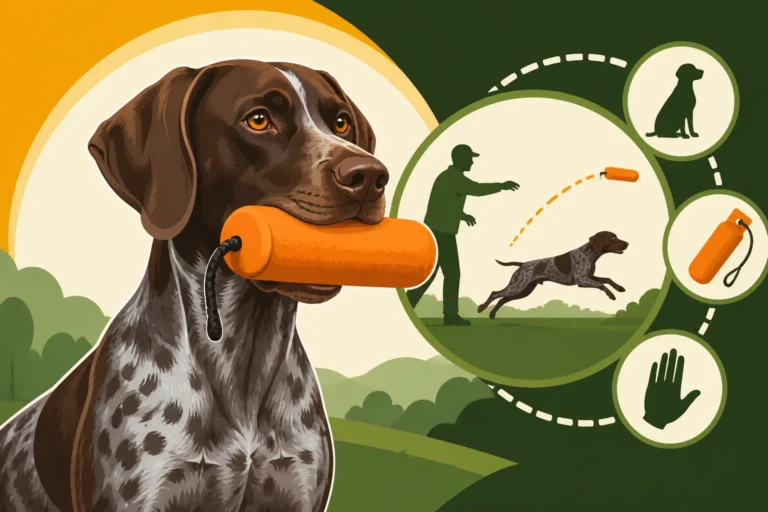
Bring out their absolute favorite, buoyant toys. A brightly colored bumper or a floating fetch toy works wonders. Toss it just a few feet into the water, where they can easily walk to retrieve it without having to swim. When they make a move towards the toy, even a small step, shower them with praise and perhaps a high-value treat. Celebrate every tiny success. If they just wade in and sniff, that’s a win! You can find a fantastic selection of durable, floating toys on Amazon that can make these early sessions really engaging. Some trainers suggest starting with a "wing on a string" type of toy on land, then moving to water's edge, to really ignite that prey drive.
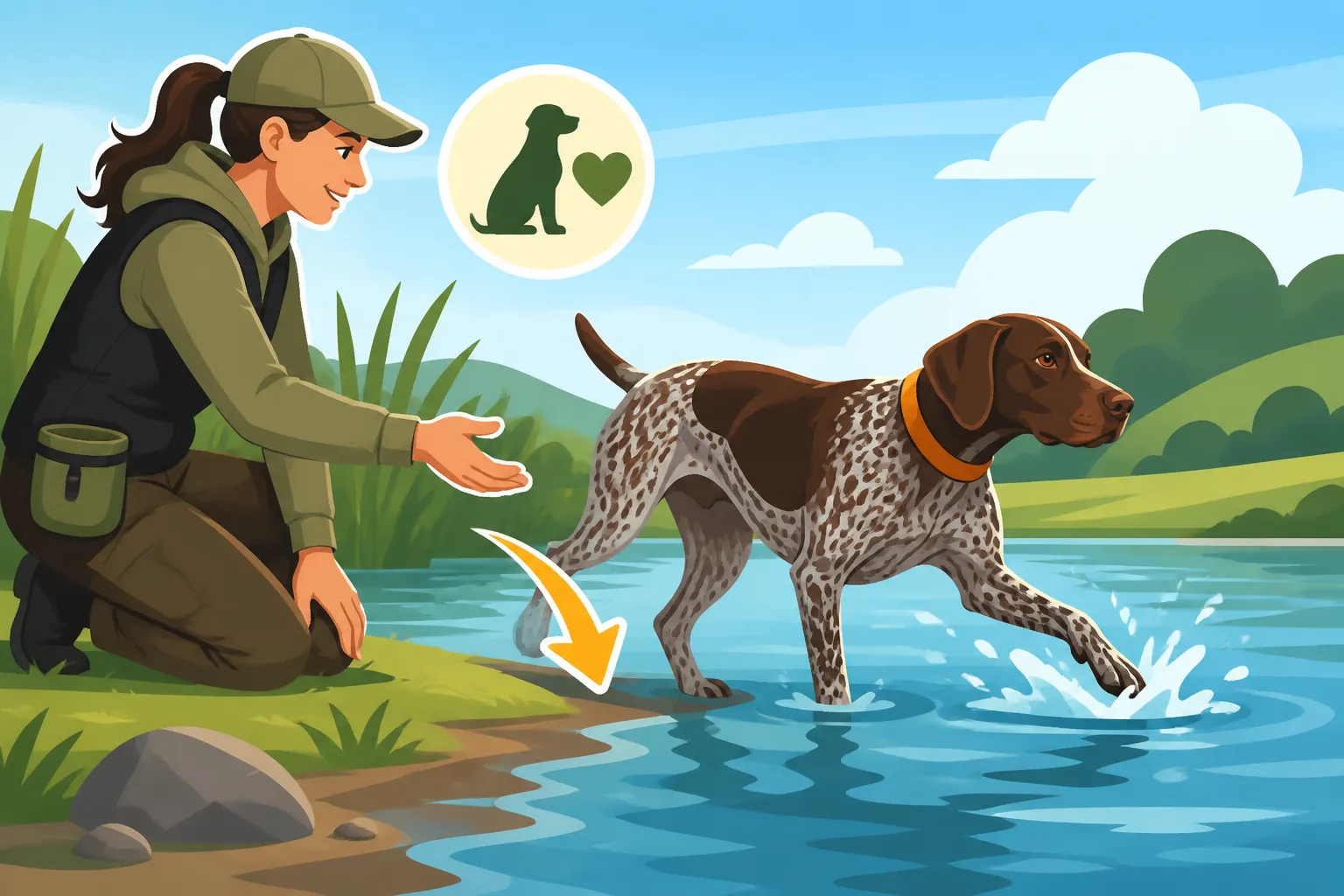
Another effective technique is for you, the owner, to get into the shallow water yourself. Play with the toy, splash gently, and show your dog how much fun you're having. Many Shorthairs have a strong desire to be with their people, and seeing you happily engaged in the water can be a powerful motivator. If they come in to join you, even just to stand next to you, reward them generously. This isn't about formal retrieves yet; it's purely about positive association. The goal is simply for them to put paws in and feel good about it.
Consider using a long line during these early sessions, especially if your GSP is easily distracted or prone to wandering. This allows you to maintain a gentle connection without making them feel trapped, and gives you a way to guide them back if they get too focused on something else or decide to bolt. Remember, patience is paramount. Some dogs will take to it instantly, while others may need several sessions before they feel comfortable just wading.
The Power of Positive Reinforcement
Every GSP thrives on positive reinforcement, and water work is no exception. Treats, enthusiastic praise, and exciting games are your best tools. If your dog has a favorite high-value treat, save it specifically for water introductions.
One excellent resource for building a strong foundation in positive reinforcement and tackling new skills is BAXTER & Bella. Their online puppy school and training programs emphasize positive, fear-free methods that can be easily adapted to a variety of situations, including water introductions. They often highlight how to break down complex behaviors into small, achievable steps, which is exactly what you need here.
When your Shorthair takes a step into the water, even if it's just one paw, mark that behavior with a cheerful "Yes!" or a click, and immediately offer a treat and praise. Repeat this process, gradually increasing the expectation. Maybe next time, it's two paws, then wading up to their belly, and eventually a full swim. The key is to never push past their comfort level. If they show any signs of stress – ears back, tail tucked, trying to escape – back off immediately and end the session on a positive note, even if it means just a quick treat for standing near the water.
Some dogs respond wonderfully to other dogs. If you have a friend with a confident, water-loving GSP, a controlled playdate in a shallow, safe water environment can be incredibly beneficial. Your dog might learn by example, seeing another canine happily splashing and retrieving. Just ensure both dogs are well-socialized and the session remains positive for everyone involved. For specific ideas on how to conduct retrieve training, you might find some great tips in Water Retrieves With a German Shorthaired Pointer.
Building Confidence and Desire
Once your German Shorthaired Pointer is comfortable wading and retrieving in shallow water, you can start to gradually increase the depth and duration of their water excursions. This phase is all about building confidence and transforming their comfort into genuine enthusiasm.
Progressing to Deeper Water and Swimming
As your GSP gains confidence in shallow areas, slowly move to slightly deeper sections where they'll eventually need to paddle. Continue to use their favorite floating toys, tossing them a little further out, encouraging them to take a few swimming strokes. Again, you can get in the water with them if that helps. Many GSPs will happily follow their human into deeper water once they trust the environment.
Be mindful of the water temperature, especially if you're asking your Shorthair to do more extensive swimming. Cold water can quickly chill a dog with a short coat, impacting their stamina and enthusiasm. The Water Temperature a Shorthair Should Not Enter is a critical piece of knowledge for any GSP owner. If the water is chilly, keep sessions short or consider a dog-specific neoprene vest, which can also help with buoyancy and make them feel more secure. You can find various sizes and styles of vests on Amazon.
Introduce retrieving dummies or decoys that are slightly heavier than lightweight toys. This helps them get used to carrying something with a bit more heft while swimming. Praise them enthusiastically for every successful retrieve, making it clear that going into the water and bringing things back is a highly rewarding activity. Remember, this is still about making it their idea, not a command they are forced to obey.
Consistency is vital. Regular, short, positive water sessions are much more effective than infrequent, long, or stressful ones. Aim for a few times a week if possible, even if it's just a quick dip and a couple of retrieves. The more positive experiences they accumulate, the more ingrained their love for water will become. This active engagement can also contribute to their overall fitness and mental well-being, as discussed in Using Water Work to Wear a Shorthair Out.
Advanced Motivation and Encouragement
Once your Shorthair is swimming confidently, you can start to incorporate more advanced motivators. Use training scenarios that tap into their natural hunting instincts. For example, if they enjoy retrieving bumpers, "hide" them just out of sight around a bend in the water's edge, encouraging them to use their nose and curiosity to find them.
If your GSP is still a bit hesitant about full-on swimming, consider using a high-energy game of fetch leading up to the water. Get them really revved up on land, then toss the toy into the water, hoping their momentum and excitement carry them in. This can often bypass initial hesitation.
Continue to leverage positive reinforcement techniques, perhaps revisiting advanced modules from resources like BAXTER & Bella that focus on drive building and shaping behavior. Their methods are designed to build a dog's confidence and willingness to perform, which is invaluable when dealing with a task like water entry. Never chastise or scold your GSP for not wanting to enter the water. Instead, redirect their energy and re-engage them with something they enjoy, then try again later with a smaller step.
For some Shorthairs, competition or simply the challenge of a new retrieve can be a strong motivator. If your dog enjoys puzzle toys, try a floating puzzle toy on Amazon that dispenses treats once retrieved, adding an extra layer of reward and mental engagement. Remember that a dog that seems to refuse to swim may have underlying issues. A German Shorthaired Pointer That Will Not Swim is a great resource if you're hitting a wall.
Common Roadblocks and Solutions
Even with the best intentions and methods, you might encounter some bumps along the way. Addressing these specific challenges with patience and understanding will help solidify your Shorthair's positive relationship with water.
Addressing Fear or Disinterest
If your Shorthair shows a genuine fear of water – shaking, trying to bolt, cowering – you need to go back to basics, even if they previously seemed comfortable. Something might have spooked them. Start again with the shallowest water possible, focusing purely on calm presence and tiny successes. Sometimes, a change of scenery helps; a new, very calm pond might feel safer than a large, open lake.
For dogs that seem simply disinterested, it's often a matter of finding the right motivator. Is it a specific toy? A particular treat? You jumping in with them? Experiment with different stimuli. Some GSPs are more motivated by a challenge, others by play. Make it a game, not a chore. If they're retrieving well on land, try taking that game to the very edge of the water, then a few inches in, slowly bridging the gap between land and water.
Consider also that the environment itself might be contributing to their apprehension. Is the water dirty? Does it have a strange smell? Are there a lot of loud noises or other distractions? Pay attention to subtle cues from your dog about what might be making them uncomfortable. If you suspect water quality is an issue, definitely steer clear. For instance, Blue Green Algae and a Swimming Shorthair can pose serious health risks.
Managing Environmental Challenges
Cold water is a significant factor for German Shorthaired Pointers, whose thin coats offer limited insulation. If you're training in cooler temperatures, limit water exposure time and ensure you have a warm towel or even a dog jacket ready for immediately after. Hypothermia is a real risk. A neoprene vest can certainly help, but it's not a substitute for common sense about cold exposure.
Currents, even gentle ones, can be disorienting and frightening for a dog, especially one new to swimming. Always choose still, calm water for training, such as a pond or a sheltered cove. Avoid rivers or lakes with strong undertows until your dog is a very strong and confident swimmer, and even then, exercise extreme caution.
The bottom of the water can also be a deterrent. Mucky, slimy, or rocky bottoms can feel strange or unsafe underfoot. Opt for sandy or smooth-bottomed areas whenever possible. If your GSP is particularly sensitive to their feet, consider dog boots for wading in rocky areas, though most Shorthairs will eventually toughen up their pads. You can find various boot options on Amazon, but they may take some getting used to.
Finally, remember that the "cold water tail" is a real concern for GSPs. Cold Water Tail in a German Shorthaired Pointer can be painful and is a reason to always be mindful of water temperature and duration of swims. If your dog is showing signs of a limp or reluctance to use their tail after swimming, a vet visit is in order.
| Method | Description | Best For | Key Considerations |
|---|---|---|---|
| Shallow Play | Using toys and owner presence in water ankle-deep or less. | Initial introduction, fearful dogs. | Calm, clear water; high-value toys; owner participation. |
| Treat Trailing | Luring with high-value treats tossed just a bit further into the water each time. | Food-motivated dogs, building incremental steps. | Waterproof treats; patience; gradual increase in depth. |
| Buddy System | Introducing with a confident, water-loving dog friend. | Social dogs, learning by example. | Ensure the "buddy" is truly good-natured and gentle; controlled environment. |
| Target Training | Teaching the dog to touch a floating target, then rewarding for water entry. | Dogs who understand targeting, structured learners. | Requires prior target training; clear communication. |
| Retrieval Drive | Tossing highly desirable floating toys or bumpers a short distance into the water. | Dogs with strong retrieve drive. | Toy must be irresistible; consistent praise for retrieval. |
| Gradual Deepening | Slowly moving from kiddie pool to pond edge, then slightly deeper parts of the pond/lake. | All dogs, after initial comfort. | Focus on calm progression; never force; observe body language. |
Disclaimer
This article is for general informational purposes only and does not constitute professional advice. Laws, prices and regulations vary by location and change over time. Consult a qualified professional for guidance on your specific situation.