Introducing a German Shorthaired Pointer to Birds
Bringing a German Shorthaired Pointer into your life often comes with dreams of seeing them work birds, of that intense, unwavering point, and the proud retrieve. But let's be honest, getting from a bouncy, goofy puppy to a polished bird dog can feel like a daunting journey, full of questions and worries about doing it "right." You want to harness that incredible natural instinct without ruining it, and that's exactly what we're going to explore in this comprehensive guide: how to carefully, thoughtfully, and effectively introduce your German Shorthaired Pointer to birds, setting them up for a lifetime of successful and joyful hunting.
Understanding the German Shorthaired Pointer's Natural Instincts
German Shorthaired Pointers weren't just bred to hunt; they were meticulously designed over generations to be the ultimate versatile bird dog. It’s ingrained in their very DNA, a symphony of scenting, pointing, and retrieving that makes them truly remarkable partners in the field. Understanding this deep-seated drive is the first step in introducing them to birds, because you're not teaching them how to hunt as much as you're refining the instincts they already possess.
The Inherited Drive to Hunt
When you look at a young German Shorthaired Pointer, you're looking at centuries of selective breeding aimed at creating a dog that can do it all – find upland birds, retrieve waterfowl, track game, and even dispatch vermin if needed. This means that from the moment they're born, many Shorthairs carry an innate blueprint for bird work. They often have an incredibly keen nose, a natural desire to range and search, and that characteristic "pointing" instinct where they freeze solid upon catching scent. It's not something you implant; it's something you awaken and then gently shape. Think of it less as programming a computer and more like tuning a finely crafted instrument. You're not adding notes; you're just making sure each note is played perfectly in tune. This inherent drive is why many GSPs take to bird work so naturally, often surprising new owners with their intensity and focus once they get a whiff of a pheasant or quail.
However, "inherited" doesn't mean "perfect." While the drive is there, it still needs direction, encouragement, and careful exposure. A puppy might naturally point a butterfly, but holding that point steady on a live rooster while a shotgun goes off is a whole different ballgame. Our job as owners and trainers is to provide the experiences that allow these instincts to blossom into reliable, confident behaviors without extinguishing that fiery passion that makes them so special. It's about building on a strong foundation, not bulldozing it and starting from scratch.
Early Signs of Bird Interest
Even before formal bird introductions, you can often see glimpses of your German Shorthaired Pointer's potential. Watch your puppy during walks in grassy fields or even in your backyard. Do they get intensely focused on rustling leaves or darting insects? Do they "freeze" mid-stride, nose twitching, before pouncing? This isn't just playful puppy behavior; it's often an early manifestation of their pointing instinct. They might stalk a bird in the yard, lower their head, and creep forward, or hold a momentary, stiff posture when a pigeon flies overhead.
Sometimes, this bird interest can even manifest as an intense prey drive towards small animals like squirrels or rabbits. While you'll manage this in a hunting context (we want birds, not bunnies!), the underlying intensity and focus are valuable. Not every GSP puppy will show these strong early signs, and that's perfectly okay. Some are later bloomers, and their instincts will awaken with the right exposure. The key is to observe and appreciate these natural inclinations, as they give you clues about your dog's inherent abilities and enthusiasm for the tasks they were bred to do. These early observations can guide your training approach, telling you which instincts are strong and which might need a little more nurturing. The Age a Shorthair Puppy First Points can give you more insight into when these behaviors typically start showing.
The Importance of a Strong Foundation
Before you even think about feathers, you need a solid foundation of obedience and trust. This isn't just about making your dog manageable; it's about building a language between you, establishing communication, and ensuring their safety and your control when those powerful instincts kick in. Basic commands like "sit," "stay," "come," and a reliable recall are non-negotiable. Imagine your GSP locked on a point, a bird flushes, and they bolt into traffic because their recall isn't solid. That's a nightmare scenario.
Beyond commands, a strong foundation also involves proper socialization and exposure to various environments, sounds, and people. A well-adjusted, confident dog is far more likely to handle the intensity of bird work, including gunshots and new cover, without becoming overwhelmed or gun-shy. This is where programs like BAXTER & Bella can be incredibly helpful, providing structured guidance for raising a confident, well-behaved puppy that's ready for advanced training. Investing time in these foundational skills before adding the excitement of birds will pay dividends for years to come, making the entire bird introduction process smoother, safer, and ultimately more enjoyable for both of you.
Age and Readiness: When to Start Bird Introductions
One of the most common questions new German Shorthaired Pointer owners ask is, "When can I start introducing my puppy to birds?" It's a natural eagerness, but rushing this critical phase can do more harm than good. Timing is everything, and understanding the stages of your Shorthair's development will guide you in creating positive, impactful first experiences.
Puppyhood: Building Blocks, Not Birds
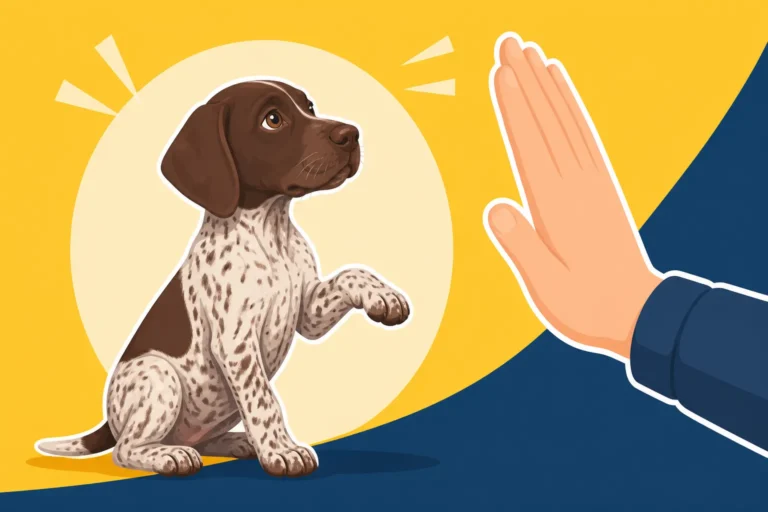
During puppyhood, typically from 8 weeks to around 6 months, your focus should primarily be on socialization, basic obedience, and building confidence. This isn't the time for intense bird work. While you might occasionally toss a pheasant wing to gauge interest, the goal isn't to develop a point or retrieve at this stage. Instead, think of it as laying the groundwork. Introduce them to different textures, sounds, and places. Let them explore safely, building their physical coordination and mental resilience.
Over-pressuring a young puppy with birds can create negative associations. They might become overwhelmed by the scent, the fluttering of a bird, or the pressure to perform. This can lead to a dog that either loses interest entirely or develops fear-based behaviors down the line. Instead, focus on short, fun play sessions, introduce them to different people and friendly dogs, and make sure their early experiences with you are overwhelmingly positive and trust-building. Remember, a GSP's enthusiasm is a fragile thing in its youth; you want to nurture it, not squash it. You can explore Whether Running a Shorthair Puppy Damages Its Joints to ensure you're also managing physical activity appropriately during this crucial growth phase.
The Ideal Age for First Encounters
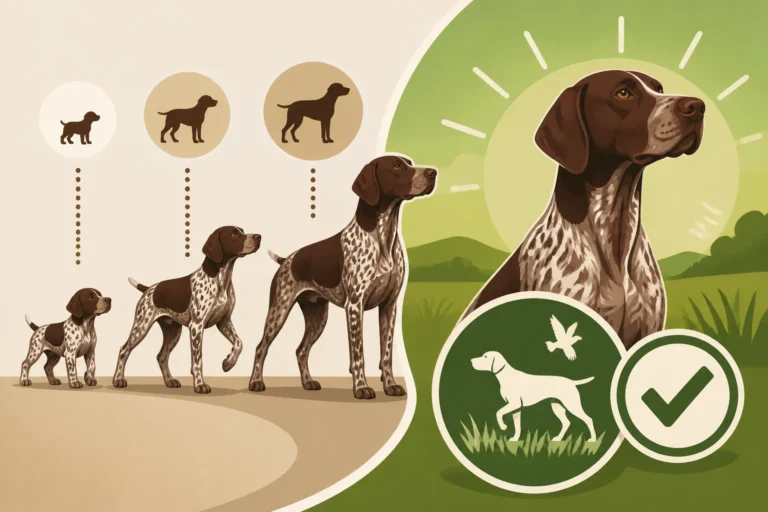
While there's no single "magic" age, most German Shorthaired Pointers are ready for their first structured bird introductions between 6 to 12 months. By this age, they've usually gone through their major fear periods, their permanent teeth are in, and they have a better grasp of basic obedience. They're also physically more capable and mentally more mature to handle the excitement and demands of bird work. This is when their innate drives often really start to kick in and become more consistent.
At this stage, you're not looking for perfection; you're looking for genuine interest and excitement. The goal is to ignite their natural prey drive and pointing instinct in a controlled, positive manner. Each dog is an individual, so observe your Shorthair. Do they seem confident and eager to explore? Are they easily distracted, or can they focus for short periods? Their individual readiness will dictate the pace. Some may be ready closer to 6 months, while others might need closer to a year. Patience is a virtue here, and it will be rewarded with a more enthusiastic and capable bird dog in the long run.
Recognizing Your Shorthair's Maturity
Knowing when your GSP is truly ready means understanding canine development. Think about these markers:
- Confidence: Do they approach new situations with curiosity rather than apprehension? A nervous dog won't perform well under pressure.
- Focus: Can they maintain attention on a task for a few minutes, even with distractions? Bird work demands focus.
- Physical Coordination: Are they agile, able to run and change direction without tripping? Good physical health is paramount.
- Bond with You: Do they look to you for guidance? A strong handler-dog bond is crucial for effective communication in the field.
If your Shorthair is still easily overwhelmed, overly distracted, or struggles with basic commands in stimulating environments, it's probably best to pump the brakes on formal bird introductions. Instead, double down on foundational training. Work on recall in increasingly distracting environments, build confidence through fun agility exercises, or simply spend more time exploring new, safe places together. The more solid their general disposition and training, the better equipped they'll be to embrace the intense excitement that birds bring. Rushing is a common mistake that can lead to a dog that lacks confidence or develops behavioral issues when faced with the pressure of actual hunting scenarios. Whether a Shorthair Can Earn a Canine Good Citizen Title is a great benchmark for assessing foundational readiness.
The First Encounters: Setting Up for Success
The very first time your German Shorthaired Pointer encounters a bird can profoundly impact their future enthusiasm and performance. It's not about making them perfect; it's about making it memorable, positive, and reinforcing those natural instincts. Think low pressure, high reward.
Choosing the Right Birds and Environment
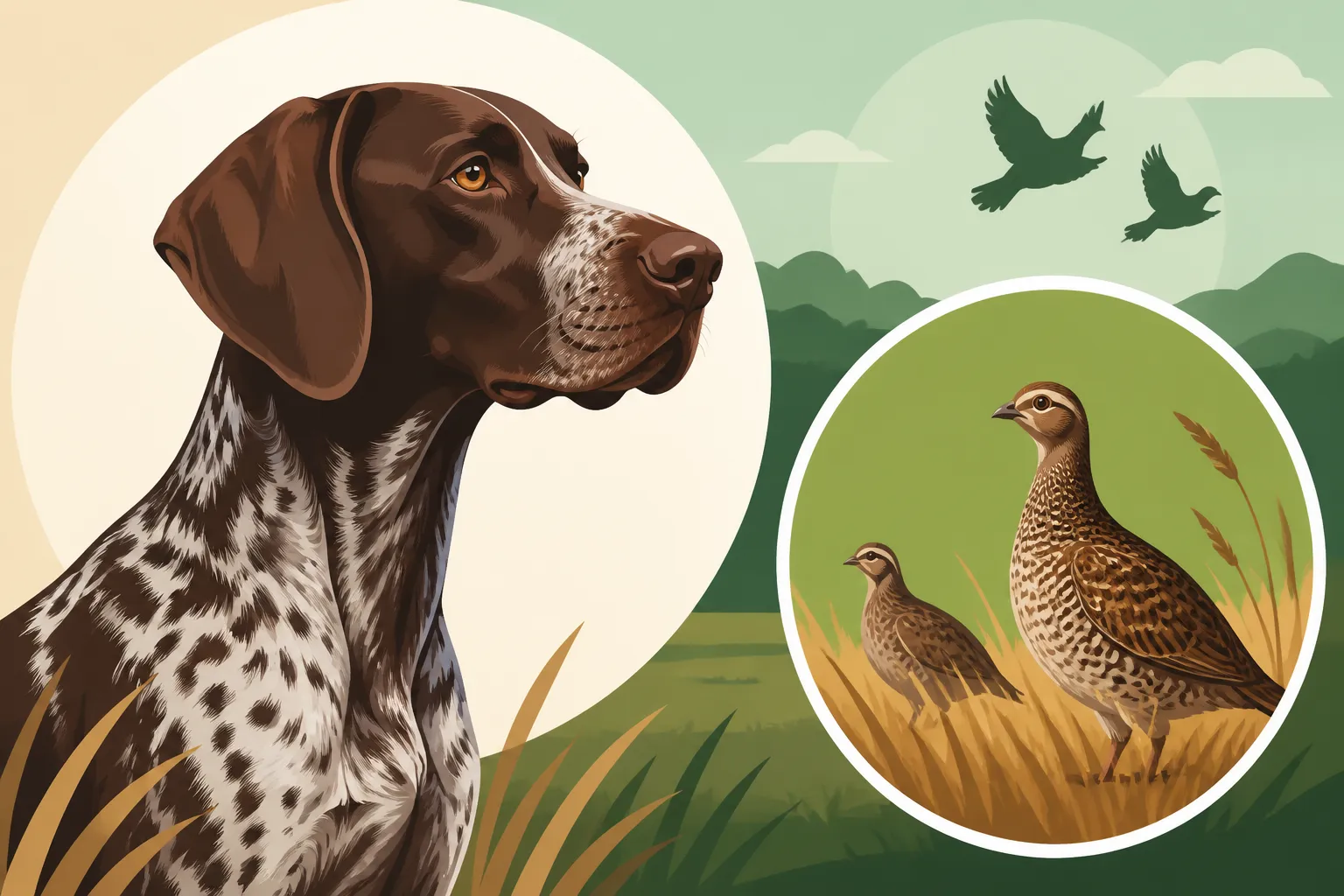
For initial introductions, the type of bird matters. You want something that will stimulate their instincts without overwhelming or scaring them. Pigeons or young quail are often ideal. They are usually strong fliers but not so large or aggressive that they intimidate a young dog. Pigeons have a strong scent and will flush well, providing that exciting "action" your Shorthair is looking for. Avoid using wild birds for initial introductions, as their unpredictable behavior and flight patterns can be too much for an inexperienced dog.
The environment is just as crucial. A quiet, open field with relatively short cover is perfect. You don't want thick brush where the dog can get tangled, lost, or where the bird can disappear too quickly. The goal is a controlled setting where you can observe your dog's reaction, manage the interaction, and ensure success. A bird pen or a training area where you can release a bird or use a remote launcher works wonderfully. Remember, every element should be carefully chosen to facilitate a positive, instinct-igniting experience.
The Controlled Introduction with a Wing on a String
Before live birds, a wing on a string is an invaluable tool. You can find these at most sporting goods stores or online on platforms like Amazon. It's essentially a bird wing (often pheasant or quail) attached to a string on a pole, allowing you to mimic bird movement without the unpredictability of a live bird. The goal here is to introduce the scent and sight of a bird in a playful, no-pressure manner.
Start in a quiet area. Drag the wing on the ground, letting your puppy chase and mouth it. Don't worry about perfect retrieves yet. As they get more excited, you can "flush" the wing, letting it fly a short distance. Watch for that natural point – the freeze, the stiff tail, the intense focus. If they mouth it too hard, that's fine for now; you can teach a softer mouth later. This exercise builds desire, introduces the concept of scent and movement, and is a fantastic way to connect their play drive with their hunting instincts. It's a stepping stone, preparing them for the real thing. Wing on a String for a Shorthair Puppy elaborates on this vital first step.
Avoiding Overwhelm and Negative Associations
The biggest mistake you can make at this stage is pushing too hard or creating a negative experience. If your Shorthair seems hesitant, scared, or uninterested, stop. End the session on a positive note, even if it's just by praising them for looking at the wing. You never want them to associate birds with fear, frustration, or punishment.
Keep sessions short, typically no more than 5-10 minutes, especially for puppies. Their attention spans are limited, and you want them to leave each session wanting more, not feeling burnt out. Avoid loud noises, scolding, or any kind of harsh correction during these initial bird introductions. The focus should be purely on building excitement and confidence. If a bird flaps aggressively, or if the dog gets tangled in cover, it can create a lasting negative memory. Our goal is to make birds the most exciting, rewarding thing in their world, fostering that unbridled passion that German Shorthaired Pointers are famous for. Remember, patience and positive reinforcement are your best friends here.
Moving to Live Birds: The Next Steps
Once your German Shorthaired Pointer shows consistent interest and excitement with a wing on a string, it's time to introduce them to the real deal: live birds. This is where the magic truly begins, but it still requires careful planning and execution.
Starting with Pen-Raised Birds
For the very first encounters with live birds, pen-raised birds are your best bet. Quail are fantastic because they're small, have a good scent, and tend to hold well in cover, allowing your GSP to find and point them effectively. Pheasants are also good, especially younger ones, as they provide more scent and a stronger flush. These birds are typically slower to fly off than wild birds and are often used to being handled, reducing the stress on both the bird and your dog.
The key is control. You want to place the bird in light cover where your dog can easily scent it. Use a bird bag or a release box to ensure the bird stays put until you're ready for the flush. Lead your dog into the wind, letting their nose do the work. Watch their body language intently. When they hit that scent cone and freeze into a point, it's an incredible moment. Let them hold it for a moment, offer quiet praise, then flush the bird. The goal is to reinforce that natural pointing instinct. Using Pigeons to Start a Shorthair provides more specific guidance on this.
Using Launchers and Bird Releasers
As your German Shorthaired Pointer progresses, remote-controlled bird launchers and manual bird releasers become invaluable tools. These devices allow you to control exactly when a bird flushes, which is critical for developing a steady point and introducing gun conditioning.
Imagine this: your Shorthair is on a beautiful, staunch point. You can walk in front, get into position, and then, with the press of a button, the bird flushes precisely when you want it to. This eliminates the frantic scramble of trying to manually flush a bird while also managing your dog. It teaches them to hold their point until the handler dictates the action. For gun introduction, a launcher allows you to place a small .22 blank pistol or cap gun (purchased from places like Amazon) at a distance from the launcher, conditioning your dog to the sound of the shot as the bird flushes. This creates a positive association: bird flies, loud noise happens, and it’s all part of the game. This systematic approach is crucial for preventing gun shyness and reinforcing positive behavior.
Building Confidence and Desire
Every session with live birds should aim to build your Shorthair's confidence and deepen their desire to hunt. This means celebrating every successful point, every enthusiastic retrieve, and even their keen searching. Keep sessions short, positive, and end on a high note. Don't be afraid to praise them lavishly and offer a favorite treat or a quick game of fetch after a good session.
Vary the cover and locations as they gain experience, but always keep safety paramount. You want them to associate birds with excitement and achievement, not frustration or pressure. If they make a mistake, gently guide them back to the right behavior. For instance, if they bump a bird, don't scold. Instead, take them back, reset, and try again in a more controlled manner. The passion that drives a German Shorthaired Pointer is their greatest asset; protect and nurture it fiercely. The First Live Bird for a German Shorthaired Pointer offers more ideas on this transition.
Developing the Point and Steadying to Flush
The classic German Shorthaired Pointer point is a thing of beauty: intense, unmoving, and full of anticipation. Developing and then "steadying" this point is a hallmark of a well-trained bird dog and requires specific, patient training.
Encouraging the Natural Point
Many German Shorthaired Pointers will naturally point. It's in their genetics. Your job isn't to teach them how to point, but to encourage them to hold that point steadily and confidently until you arrive. For young dogs, it's okay if they creep a little or break point to chase. The initial goal is simply to get them to recognize bird scent and respond by freezing.
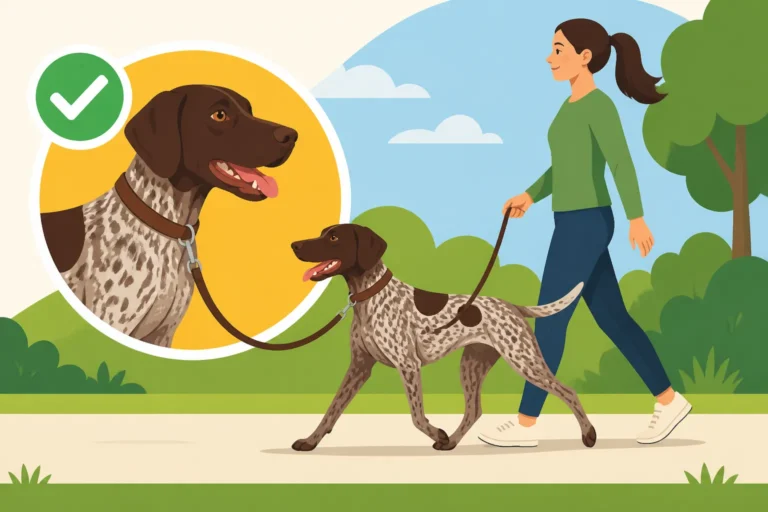
Use a check cord – a long line attached to their collar – during these early live bird sessions. This gives you gentle control without being heavy-handed. When your dog points, walk up to them, praise them softly, and gently hold the check cord to keep them still. Let them hold the point for a few seconds, then flush the bird. The association should be: point leads to bird. Over time, they'll learn that holding that point is what makes the magic happen. You're building a routine, a partnership where they find the bird, and you complete the hunt. Whether a Shorthair Points Naturally Without Training discusses the innate aspect of this behavior.
Introducing "Whoa" in a Birdy Context
"Whoa" is perhaps the most critical command for a versatile bird dog. It means "stop everything and stand absolutely still, no matter what." While you should introduce "whoa" in a non-birdy context first (like on a whoa post or barrel in the yard), the real test is applying it around birds. When your GSP is confidently pointing, and you've been using the check cord to keep them steady, you can start adding the verbal "whoa" command.
As you approach your pointing dog, say "whoa" calmly but firmly. Gently apply pressure on the check cord if they try to move. Reward them for holding still. This teaches them that "whoa" applies even when their instincts are screaming "chase!" It's challenging, as it asks them to override centuries of breeding, but it's essential for safety and control in the field, allowing you to walk in and flush the bird or send them for a retrieve. Consistency is key here. Common Mistakes That Ruin Whoa on a Shorthair can help you navigate this training.
Steadying to Wing and Shot
Steadying to wing and shot means your German Shorthaired Pointer holds their point even when the bird flushes (wing) and the gun goes off (shot). This is the pinnacle of pointing dog training and takes time, patience, and repetition. It’s also where many owners get nervous about gun-shyness.
Start gun introductions very gradually and at a distance. Don't just show up at the range and start blasting. Begin with a .22 blank pistol fired far away (100+ yards) from your dog while they are focused on something positive, like eating or playing, not during their first bird flush. Gradually decrease the distance over many sessions, always ensuring the dog remains calm and happy. Then, and only then, introduce the sound of the gun with a flushing bird, still at a significant distance. The positive association should be: bird flushes, shot happens, and it's all part of the exciting game, often followed by a retrieve. The bird launcher mentioned earlier is excellent for this. Building a Shorthair's Gun Tolerance From a Distance offers vital steps for this critical stage. Never rush this, as one bad experience can create a lifetime of gun-shyness.
Retrieving and Delivering to Hand
A German Shorthaired Pointer isn't just a pointer; they're also a retriever, designed to bring downed game back to you. While many have a natural retrieve, refining it into a reliable, consistent "to-hand" delivery requires specific training.
Nurturing the Natural Retrieve
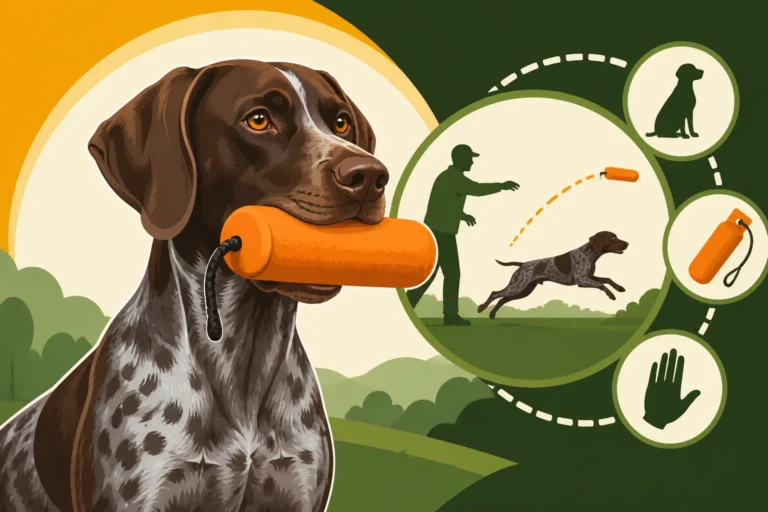
Some Shorthairs are born with a strong desire to retrieve everything, while others need more encouragement. For puppies and young dogs, start by making retrieving a fun game. Toss a bumper or a training dummy and encourage them to bring it back. Don't worry about perfect delivery yet; just celebrate every time they bring it in your general direction. Use lots of praise and enthusiasm.
Avoid making retrieving a chore or putting too much pressure on them. If they drop the bumper a few feet away, walk to it, pick it up, and repeat. Never chase your dog to get the item back, as this teaches them to run away with it. Instead, encourage them to come to you by backing away and praising them. Building this natural enthusiasm for retrieving is the first step. Once they love the game, you can start shaping the behavior.
Gentle Mouth and Delivery
Once your GSP is consistently retrieving, you'll want to focus on a gentle mouth and a "to-hand" delivery. A hard mouth can damage game, and a dog that drops birds 10 feet away is less than ideal. For a gentle mouth, ensure your training dummies aren't too hard or heavy for a young dog. If they start mouthing too hard on the dummy, a soft "easy" or "gentle" command can be paired with gentle correction if needed, but often, positive reinforcement for a soft retrieve is more effective.
For "to-hand" delivery, use a consistent command like "give" or "deliver." When your dog comes back with the dummy, encourage them to sit directly in front of you. Gently take the dummy from their mouth while saying your command and praising them. If they try to drop it or pull away, hold onto the dummy firmly but gently until they release it on command. This teaches them that the retrieve isn't complete until the bird is in your hand. This is a progressive step from just bringing the item back to actually handing it over.
When to Consider Force Fetch
Force fetch, despite its intimidating name, is a formalized training method designed to ensure a completely reliable retrieve and a soft mouth, even under challenging conditions. It teaches the dog that they must pick up an object and must deliver it to hand, even if they're tired, distracted, or the object is cold and muddy. It’s not about pain; it’s about gentle, consistent pressure and release.
Force fetch is typically introduced after the dog has a solid understanding of basic obedience and has shown a natural retrieve. It's an advanced technique, and many owners choose to work with a professional trainer for this. For casual hunters or pet owners, it might not be strictly necessary, but for those who hunt frequently or compete, it's invaluable. It builds unwavering reliability. Force Fetch Explained for a Shorthair Owner details this method. Be warned: this isn't something to dabble with without proper guidance, as improper application can certainly damage a dog's retrieve.
Common Pitfalls and How to Avoid Them
Even with the best intentions, bird training can hit snags. German Shorthaired Pointers are intelligent, sensitive, and driven, and understanding common mistakes can save you a lot of heartache and retraining down the line.
Bumping Birds and Chasing
One of the most frustrating behaviors for a pointing dog owner is when their Shorthair bumps birds (flushes them prematurely) or chases after the flush instead of holding steady. This often stems from a lack of "whoa" training in a birdy context, or simply overwhelming a young dog with too much excitement too soon.
To fix bumping, go back to basics. Work extensively on "whoa" on a whoa post or barrel until it's rock solid. Then, reintroduce birds in a highly controlled environment, using a long check cord and plenty of "whoa" reinforcement. Let the dog point, walk up, say "whoa," and keep them still before you flush the bird. Repeat this many times, gradually increasing distractions. For chasing, the same principles apply. The check cord is your best friend. Every time they try to chase, a gentle but firm pop on the check cord with a "whoa!" or "leave it!" command will remind them that the chase is off-limits. Consistency is absolutely crucial here; if you let them chase "just this once," you're undoing weeks of training.
Gun Shyness and How to Prevent It
Gun shyness is a heartbreaking and often difficult-to-fix problem where a dog becomes terrified of gunshots. It's almost always caused by improper gun introduction. As mentioned earlier, prevention is key. Never, ever surprise a dog with a loud gunshot, especially during their first bird encounters.
Start with very low-caliber noise (a cap gun or even just clapping hands loudly) far away while the dog is distracted with something positive, like eating their meal or playing fetch. Gradually, over many, many sessions, reduce the distance and increase the volume, always watching for any signs of fear (tail tucked, cowering, trying to escape). The sound of the gun should always be associated with something good or neutral, never with fear or pain. Only introduce the gun during a bird flush when you are confident your dog is completely comfortable with the sound at closer ranges. If you notice even slight apprehension, back up to an earlier, less intense stage. It’s a marathon, not a sprint. Signs a German Shorthaired Pointer Has Gone Gun Shy offers a deeper dive into recognizing these issues.
Over-Training and Burnout
German Shorthaired Pointers are enthusiastic, and it's easy to get carried away with training, especially when they're doing well. However, over-training can lead to burnout, boredom, and a loss of that precious desire. A dog that's constantly drilled will eventually become dull and less passionate about their work.
Keep training sessions short, especially for young dogs. Five to fifteen minutes of focused work is far more effective than an hour of repetitive drills. Always end on a positive note, even if you have to lower your expectations for that session. If your dog seems tired, distracted, or just "not into it," call it a day and try again later. Mix up your training locations and types of birds to keep things fresh and exciting. Remember to incorporate plenty of free play and "just being a dog" time. A well-rested, mentally stimulated, and happy Shorthair will always be a better student and a more enthusiastic hunter than one that's constantly pushed past their limits. You want to nurture a lifelong love of the game, not just create a robot.
Progression to the Field
Once your German Shorthaired Pointer has a solid grasp of pointing, retrieving, and is steady to wing and shot in controlled environments, it's time to transition them to real-world hunting scenarios. This is where all your hard work comes together, and they truly become a field partner.
Gradual Exposure to Wild Birds
The transition from pen-raised birds to wild birds should be gradual. Wild birds are more unpredictable, fly faster, and often hold in different types of cover. Start in areas where wild bird populations are known to be healthy but not overwhelming. Early season hunts, when birds might be less wary, can be a good starting point.
Initially, focus on low-pressure hunts. Perhaps just one or two birds, allowing your dog to experience the thrill of finding and working a wild bird without the chaos of a full hunting party. Let them make mistakes; it’s part of the learning process. You're there to support and guide, not to correct every nuance. As they gain experience and confidence, you can introduce them to more challenging cover, larger fields, and eventually, other hunting companions. Each successful wild bird encounter builds their experience and solidifies their understanding of what the game is all about.
Handling Different Cover Types
The field isn't a uniform place. You'll encounter everything from open grasslands to dense cattails, thorny brush, and thick woods. A well-rounded German Shorthaired Pointer needs to be comfortable and effective in all of them. Start training in lighter cover and gradually introduce thicker, more challenging terrain.
This progression might involve simply walking your dog through different types of cover during off-season hikes, allowing them to get used to the feel and resistance. When you introduce birds in these areas, make sure the bird is placed strategically so your dog can still get a good scent and work through the cover successfully. This builds confidence in their ability to navigate and find birds regardless of the environment. Ensure their pads are conditioned and consider protective vests or boots (available on Amazon) for very rough terrain. Vests and Boots for a Hunting German Shorthaired Pointer offers practical advice here.
The Joy of a Finished Bird Dog
Watching your German Shorthaired Pointer confidently cast across a field, lock onto a scent, go on a staunch point, and then execute a flawless retrieve is one of the most rewarding experiences a bird hunter can have. This "finished" dog isn't perfect – no dog is – but they are a reliable, enthusiastic, and knowledgeable partner. They understand their role, communicate with you, and find immense joy in their work.
This level of partnership takes years of consistent training, patience, and mutual respect. It means being attuned to your dog's signals, trusting their instincts, and celebrating every small victory along the way. A finished German Shorthaired Pointer is more than just a hunting tool; they are a loyal friend, a dedicated athlete, and a testament to the incredible bond between humans and their canine companions. The journey to get there is rich with learning, laughter, and the shared pursuit of something ancient and deeply satisfying. Enjoy every minute of it, because the sight of your Shorthair doing what they were born to do is truly unparalleled.
| Training Stage | Typical Age Range | Primary Focus | Key Tools/Methods | Common Pitfalls to Avoid |
|---|---|---|---|---|
| Puppy Foundations | 8 weeks – 6 months | Socialization, basic obedience, confidence | Play, positive reinforcement, BAXTER & Bella curriculum | Overwhelm, pushing too hard, negative associations |
| Wing & Scent Intro | 6 – 9 months | Ignite desire, introduce bird scent/sight | Wing on a string, light play, quiet environment | Forcing, making it a chore |
| Live Bird Intro | 7 – 12 months | Pointing instinct, positive bird association | Pen-raised quail/pigeons, check cord, light cover | Overwhelm, bumping birds, letting chase |
| "Whoa" & Steadiness | 10 months – 2 years | Holding point, steady to flush | Whoa post/barrel, check cord, bird launchers | Inconsistency, rushing, scolding |
| Gun Introduction | 10 months – 2 years | Positive association with gunshots | Cap gun/blank pistol (distant first), food/play rewards | Surprising with loud shot, too close too soon |
| Retrieve Refinement | 1 year + | Reliable to-hand delivery, soft mouth | Bumpers/dummies, consistent commands, force fetch (optional/pro) | Chasing dog, harsh mouth, lack of follow-through |
| Field Progression | 18 months + | Adapting to wild birds, varied cover, hunting | Gradual exposure, real hunting scenarios, continued practice | Rushing, overwhelming, not trusting dog's instincts |
Disclaimer
This article is for general informational purposes only and does not constitute professional advice. Laws, prices and regulations vary by location and change over time. Consult a qualified professional for guidance on your specific situation.