Introducing the Gun Without Ruining a Shorthair
One of the biggest anxieties for any German Shorthaired Pointer owner, especially those who dream of seeing their sleek companion gracefully point birds in the field, is the fear of creating a gun-shy dog. It's a heartbreaking scenario – a dog bred for the hunt, rendered useless by a sound meant to signal success. This guide is here to walk you through a thoughtful, patient approach to introducing your GSP to gunfire, ensuring they associate the bang not with fear, but with the thrill of the chase and the reward of a retrieve.
Understanding the German Shorthaired Pointer's Sensitivity to Noise
It’s easy to assume that because German Shorthaired Pointers are purpose-bred hunting dogs, they’re inherently immune to loud noises. But that’s a dangerous assumption that has ruined many a promising career in the field. Every dog is an individual, and while their breed might lend them a certain predisposition to boldness, it doesn't automatically grant them bulletproof nerves when it comes to sudden, sharp sounds.
The Instinctive Nature of a Shorthair and Loud Sounds
Yes, your GSP has generations of hunting instinct coursing through their veins. They’re wired to find, point, and retrieve. This strong prey drive can actually be your greatest asset during gun introduction because it provides a powerful, positive distraction. However, that instinct doesn't mean they won't react negatively to a loud bang. Imagine yourself completely focused on a task, and suddenly a cannon fires next to your ear. Even with the strongest drive, a natural startle response is almost guaranteed. A GSP might instinctively be bold, but a bad experience can quickly teach them to associate that startling sound with something terrifying, overriding their natural courage.
Think about a young puppy, perhaps just eight or ten weeks old, curled up in their new home. A sudden dropped pan in the kitchen, a car backfiring outside, or a loud clap of thunder might make them jump, tuck their tail, or even whimper. These are completely normal reactions to unexpected noise. The key is how we react and how we help them interpret these sounds. If every loud noise is met with panic or discomfort, they learn that loud sounds are dangerous. If they're introduced gradually and positively, they learn that even startling sounds can be followed by good things. It's not about making them fearless, but about teaching them resilience and positive associations.
Why Gun Shyness is Such a Persistent Problem
Gun shyness is truly one of the most frustrating and often career-ending issues for a hunting dog. Once a dog develops this deep-seated fear, it’s incredibly difficult, though not impossible, to fully reverse. The reason it’s so persistent is because fear, especially a primal fear response like that to a loud, sudden noise, is a powerful learning experience. When a dog experiences extreme fear, their brain essentially stamps that memory with a giant, neon "DANGER!" sign. This isn't a rational fear they can think their way out of; it's an instinctive, emotional reaction.
Many owners are left heartbroken when their otherwise stellar hunting companion, a dog with impeccable manners and a nose for birds, collapses at the sound of a shotgun. This fear doesn't just impact their ability to hunt; it can spill over into other aspects of their lives. A gun-shy GSP might become generally anxious, terrified of fireworks, thunderstorms, slamming doors, or even distant construction noise. Their world shrinks, and their quality of life diminishes. The frustration for an owner comes from knowing their dog should be out in the field, enjoying what they were bred to do, but they are held back by this debilitating phobia. It's a stark reminder that even with the best genetics, proper, patient introduction to the environment is paramount.
Laying the Groundwork: Early Sound Desensitization
Before you even think about a cap pistol, you need to build a solid foundation of positive experiences with everyday sounds. This isn't just about gunfire; it's about teaching your GSP puppy that the world is generally a safe and exciting place, even when it's a bit noisy. Starting early and being consistent will pay dividends down the line, building a more resilient and confident dog ready for anything.
Starting with Everyday Noises and Positive Associations
The journey to a gun-steady GSP begins not with a bang, but with a gentle rustle. Introduce your puppy to a wide variety of household sounds from day one. Think about the mundane noises of daily life: the blender whirring, the vacuum cleaner roaring in another room, the clatter of pots and pans, the washing machine cycle, children playing loudly, or even just dropping a book on the floor. The key is to introduce these sounds at a low volume and at a distance, always pairing them with something incredibly positive for your puppy.
For example, when the vacuum cleaner is running in the next room, toss your puppy a high-value treat, or engage in a quick, enthusiastic game of fetch. If a car backfires outside, don't rush to comfort them with "It's okay, poor baby!" which can inadvertently reinforce their fear. Instead, act normally, and then immediately initiate a fun activity or give them a favorite chew toy. The goal is for your GSP to learn that a sudden noise predicts something good, or at the very least, nothing bad. Gradually, you can increase the volume of these sounds or decrease the distance, always observing your puppy's reaction and ensuring they remain relaxed and happy. This foundational work is crucial; it builds a positive association with sound in general, making the eventual introduction to gunshots much smoother.
The Role of Socialization in Building Confidence
Beyond specific sound desensitization, comprehensive socialization is absolutely non-negotiable for building a confident, well-adjusted German Shorthaired Pointer. A dog that has been exposed to a wide array of sights, sounds, smells, people, and other friendly dogs in a positive and controlled manner is far less likely to be startled or fearful by new stimuli, including the sound of a gun. Think of it like building a strong immune system for their brain; the more positive experiences they have, the better equipped they are to handle novel or potentially alarming situations.
Enroll your GSP puppy in well-run puppy classes where they can interact with other puppies and people under supervision. Take them to different pet-friendly stores, parks, and even just for car rides around town. Introduce them to children, adults, and people of different appearances (hats, glasses, uniforms). The more varied and positive their early experiences, the more adaptable they will become. Programs like BAXTER & Bella offer online resources that can guide you through comprehensive puppy socialization and training from the comfort of your home, ensuring you cover all your bases in a structured way. A dog that feels secure in its environment and trusts its human companions is a dog that's much less likely to react negatively when the time comes to introduce more specific, potentially startling sounds. This isn't just about hunting; it's about creating a stable, happy companion for life.
The First Steps to Gun Introduction: Distance and Soft Sounds
When it's finally time to introduce what you hope will become the sound of success in the field, remember that subtlety and distance are your absolute best friends. This isn't a moment for bravado or testing limits; it's a delicate dance designed to gently layer positive associations onto a potentially startling noise. Rushing this stage is the quickest way to end a hunting career before it even begins.
Choosing the Right "First Gun" and Distance
Forget about the 12-gauge shotgun for now. Your first "gun" should be something far less intimidating, and it needs to be fired at an extreme distance from your dog. Many experienced trainers start with a cap pistol, a starter pistol loaded with very light blanks, or even just two pieces of wood clapped together. The idea is to create a pop rather than a bang. The sound should be minimal, almost an afterthought in the environment.
The distance is equally, if not more, critical. We're talking hundreds of yards – at least 100 to 200 yards, and often more for the very first introduction. Envision this scenario: you're out in a large, open field, perhaps a quiet park or private land. Your GSP is deeply engrossed in a highly rewarding activity, like a vigorous game of retrieve with their favorite bumper, or maybe they're happily eating their meal from a puzzle feeder. They should be focused, enjoying themselves, and completely unaware of any impending noise. A friend, positioned far, far away, then fires a single, very quiet cap pistol shot. Your dog might barely register it, or they might just twitch an ear. The crucial part is that they don't react with fear. They continue their positive activity, completely unfazed. This low-impact, high-reward approach is how you begin to build that vital positive association. Starting a Shorthair's Gun Introduction With a Cap Pistol is a great resource if you want to dive deeper into this specific approach.
Pairing Sound with Positive Activities
The entire philosophy behind safe gun introduction revolves around classical conditioning: pairing a potentially negative stimulus (the gunshot) with a consistently positive one (something your dog loves). At this early stage, when the sound is distant and soft, you need to maximize the positive element. The activity your dog is engaged in should be so inherently rewarding that the sound of the distant pop becomes just background noise to their joy.
For many German Shorthaired Pointers, this means retrieving. Their natural drive to chase and bring back a bumper or a training dummy is incredibly powerful. As your GSP is running out for a retrieve, or just as they mouth the bumper to bring it back, a single, distant cap gun shot is fired. They continue their retrieve, bring it to hand, and receive praise and maybe another throw. The shot essentially becomes part of the "game." You can also pair it with mealtime. While your dog is happily crunching away at their favorite kibble, a very distant, soft sound occurs. They barely notice, because, hey, food! Perform only a few repetitions per session – maybe three to five distant shots at most – and then end on a high note. Always ensure your dog remains relaxed, focused on their activity, and shows no signs of stress or alarm. Remember, we are trying to build positive experiences, not just tolerance.
Gradual Progression: Increasing Volume and Proximity
Once your German Shorthaired Pointer is consistently comfortable with distant, soft sounds, you can begin the slow, deliberate process of bringing the sound closer and making it louder. This stage requires immense patience and an acute awareness of your dog's body language. Never rush, and always be prepared to take a step back if you observe any signs of discomfort.
Slowly Closing the Distance and Increasing Intensity
This is where the "gradual" part of gradual progression really comes into play. You don't jump from a cap pistol at 200 yards to a 12-gauge at 50 yards overnight. This process should unfold over weeks, and more often, months. Each step involves a slight increase in volume or a small reduction in distance, always while your GSP is engaged in a highly positive activity. Perhaps you move from 200 yards to 175, then to 150. Or you switch from a cap pistol to a .22 blank pistol at the same 200-yard distance.
Observe your dog critically. Are their ears relaxed? Is their tail wagging loosely? Are they still enthusiastically retrieving or eating? If there’s any hesitation, a flinch, a glance towards the sound, or a slight dip in their enthusiasm, you’ve gone too far, too fast. Immediately increase the distance or decrease the volume for the next session. This isn't a race; it's about building bulletproof confidence, one tiny step at a time. Eventually, you’ll progress to .209 primers, then light shotgun loads (like target loads), and finally standard hunting loads, each step introduced at a comfortable distance before gradually moving closer. Always ensure your dog remains happy and engaged. How Far From a Shorthair to Fire the First Shot can offer more precise guidelines on appropriate distances for various sound levels. The goal is that the shot remains secondary to the exciting activity.
Introducing the Gun in a Hunting-Like Scenario
Once your GSP is comfortably ignoring closer, louder shots while retrieving, it's time to integrate the gun introduction into actual bird work. This is the moment where their deep-seated hunting instincts really come into play. The sheer excitement of scenting, finding, and pointing a bird can be an incredibly powerful positive reinforcement, often overriding any minor startle response to a distant shot.
Start with controlled scenarios. Use planted birds, like pigeons or quail, in an open field. Let your GSP get fully engaged in finding and pointing the bird. They should be locked on, vibrating with intensity, completely focused on the scent cone. While they are on a rock-solid point, and before the bird flushes, have your partner fire a distant shotgun blast (using light loads, still at a safe and comfortable distance that you've already established your dog tolerates). The key is that the shot happens during their peak hunting excitement. When the bird flushes and the shot occurs, their primary association should be with the bird itself, and the subsequent opportunity to retrieve, rather than the sound of the gun. Over time, as they become more comfortable, you can gradually decrease the distance of the shot, always ensuring the dog remains steady and focused on the bird. This method helps them connect the gunshot directly with the rewarding act of hunting, cementing that positive mental link. The First Live Bird for a German Shorthaired Pointer is an excellent companion piece to this stage of training.
Recognizing and Addressing Setbacks
Even with the most careful and patient approach, sometimes a German Shorthaired Pointer might show signs of fear or develop gun shyness. It's crucial to recognize these signals early and know how to respond appropriately. Ignoring them or pushing through can have devastating, long-term consequences.
Signs Your Shorthair is Becoming Gun Shy
Observing your dog's body language is paramount during gun introduction. A subtle change can be a huge indicator that you need to slow down or even step back. Here are some clear signs that your GSP might be developing gun shyness:
- Cowering or Crouching: Immediately after a shot, they drop low, hunch their back, or try to make themselves small.
- Bolting or Fleeing: They try to run away from the sound, perhaps back to the truck, their kennel, or even just in a random direction.
- Shaking or Trembling: Even if they don't flee, internal signs of fear like shivering or trembling are red flags.
- Refusal to Retrieve or Engage: If they suddenly lose interest in the bird or bumper, or refuse to go out for a retrieve after a shot, it’s a big problem.
- Tail Tucked: A tail clamped tightly between the legs is a classic sign of fear.
- Hyper-vigilance: They might scan the environment nervously after a shot, looking for the source of the noise with wide, fearful eyes, rather than focusing on the task at hand.
- Whimpering or Vocalizing: Any distressed sounds immediately following a shot.
- Panting or Drooling Excessively: These can be physical manifestations of stress.
- Freezing: Some dogs might just freeze in place, unable to move or respond, which is a fear response.
Even a slight flinch, a pause in action, or a momentary loss of focus should be noted. These are your dog's ways of telling you they are uncomfortable. Signs a German Shorthaired Pointer Has Gone Gun Shy provides a more detailed look at these indicators. Pay attention to these subtle cues; they are your early warning system.
What to Do if Your Dog Shows Fear
If you see any of the signs listed above, even subtle ones, stop immediately. Do not fire another shot. Do not try to reassure your dog with petting or baby talk, as this can inadvertently reward and reinforce the fearful behavior ("Oh, I'm scared, and my human is giving me attention, so being scared must be good"). Instead, remain calm and matter-of-fact. If your dog is trying to escape, let them. Remove them from the situation entirely.
Your next step is to retreat to a point where your dog was previously comfortable. This might mean going back to a cap pistol at 300 yards, or even completely stopping gun introduction for a while and focusing on general confidence building. Reintroduce the extremely distant, soft sounds, always paired with overwhelmingly positive experiences like their absolute favorite treat or game. The goal is to rebuild that positive association from a safe distance. Do not force your dog to endure the sound. Forcing a fearful dog will only deepen the trauma and make the shyness worse.
If the gun shyness is severe or persistent, it's wise to seek the guidance of a professional gun dog trainer who specializes in addressing this specific issue. They can provide tailored strategies and help you slowly recondition your GSP in a safe and effective manner. Fixing a Gun Shy German Shorthaired Pointer offers more in-depth advice on rehabilitation. This is not a time for guesswork; getting professional help can salvage your dog's hunting career and improve their overall well-being.
Common Mistakes and Best Practices
Introducing a German Shorthaired Pointer to gunfire is a test of patience and understanding. It's an area where good intentions can easily go awry if you're not careful. Knowing the pitfalls to avoid and adhering to fundamental best practices will significantly increase your chances of success and ensure you nurture a confident, steady hunting partner.
Avoiding the Pitfalls of Rushing and Overexposure
One of the most common and damaging mistakes owners make is rushing the process. There's a natural eagerness to get your GSP into the field, to see them point and retrieve with confidence. However, pushing too fast, too soon, or with too much intensity can instantly undo weeks or months of careful work. Firing a loud shotgun blast too close to a puppy, or a dog that hasn't had sufficient positive exposure, is a recipe for disaster. That single negative experience can create a lifelong fear.
Another pitfall is overexposure. While consistency is good, bombarding a dog with constant gunfire, even if initially distant, can lead to desensitization in a negative way, where they just shut down or become anxious. Keep sessions short and sweet, always ending on a high, positive note. Don't be tempted to "test" your dog by suddenly upping the ante. Trust the gradual process. A common, misguided approach is trying to "tough out" a dog's fear, believing they'll eventually get over it if you just keep exposing them. This rarely works and almost always exacerbates the problem, turning a mild flinch into full-blown panic. A dog cannot be shamed or forced out of fear. Understanding this is paramount.
Consistency, Patience, and Positive Reinforcement
These three principles are the bedrock of successful gun introduction for any German Shorthaired Pointer. Consistency means regular, predictable sessions, even if they are short. Don't do one session and then wait two months. Build a routine. For example, a few distant cap gun pops during a daily retrieve session, a few times a week. This regular, low-pressure exposure reinforces the positive association over time.
Patience is your most important virtue. Every dog is an individual. Some GSPs will breeze through the process, barely noticing the sounds. Others, even with impeccable breeding, might need extra time at each stage. There's no fixed timeline. Your dog sets the pace. If they need an extra week at 100 yards with a .22 blank, give it to them. Rushing will only lead to setbacks, which take far longer to fix than the extra time you might have saved.
Positive reinforcement means making the experience overwhelmingly positive. The shot should always be associated with something fantastic: high-value treats (like those you might find on Amazon), their absolute favorite toy, an exciting game, or the ultimate reward – a retrieve of a bird. The moment the sound occurs, something good should immediately follow or be actively happening. Never punish or scold your dog for showing apprehension. Focus on building desire and confidence. For general training and confidence building, sometimes a well-structured online program, such as those offered by BAXTER & Bella, can provide a framework that supports this positive reinforcement philosophy even before gun introduction begins. Remember, you're not just training a gun dog; you're building a bond of trust and mutual enjoyment.
Advanced Considerations for the Hunting Shorthair
Once your German Shorthaired Pointer is reliably gun-steady in controlled training environments, the work isn't entirely over. The transition to real hunting scenarios and the longevity of their gun steadiness require ongoing attention and thoughtful preparation. The world isn't a controlled training field, and you want your GSP to remain confident no matter the circumstances.
Maintaining Gun Steadiness Through a Dog's Career
Becoming gun-steady isn't a one-and-done achievement; it's something that needs to be maintained and reinforced throughout your GSP's hunting career. Just like a professional athlete needs to stay in shape, a gun dog needs regular, positive exposure to gunfire to keep their confidence high. Don't let long periods pass without hearing a shot, especially in the off-season. Even a few distant shots during a summer training retrieve session can keep the association fresh and positive.
Environmental factors can also play a significant role. What sounds fine on a calm day in an open field might be amplified or sound different in a dense cover or on a windy day. Be mindful of how sound travels and bounces. If you plan to hunt different types of terrain or use various firearms (e.g., a 20-gauge for grouse, a 12-gauge for pheasants, or even a rifle if you blood-track deer), introduce these sounds gradually and positively, just as you did with the initial gun introduction. Each new sound or environment might require a step back in proximity or intensity to ensure your dog remains comfortable. This consistent, varied reinforcement ensures that gunshots remain a signal for excitement, not fear.
Training for Multiple Hunters and Different Shot Sounds
The real hunting world often involves more than just you and your dog. You might be hunting with friends, which means shots coming from different directions, potentially from different types of firearms, and often at unexpected moments. Preparing your GSP for this reality is crucial. Start by having a training partner fire shots from various angles and distances while your dog is engaged in bird work. This helps them generalize the sound and understand that it doesn't always come from directly behind or beside you.
Vary the locations of your training sessions. A dog that is only steady in one specific field might falter in a new environment. Exposure to different covers, open fields, and even water situations (if you hunt waterfowl) will build a more resilient and adaptable gun dog. Furthermore, exposing your GSP to the sound of different gauges of shotguns, even if just from a distance, can prevent them from developing a specific fear for one type of sound. Always ensure that any new introduction is done gradually, prioritizing your dog's comfort and confidence above all else. This methodical approach ensures your GSP remains a happy, effective hunting companion, regardless of the scenario in the field.
| Practice | Good Approach | Bad Approach |
|---|---|---|
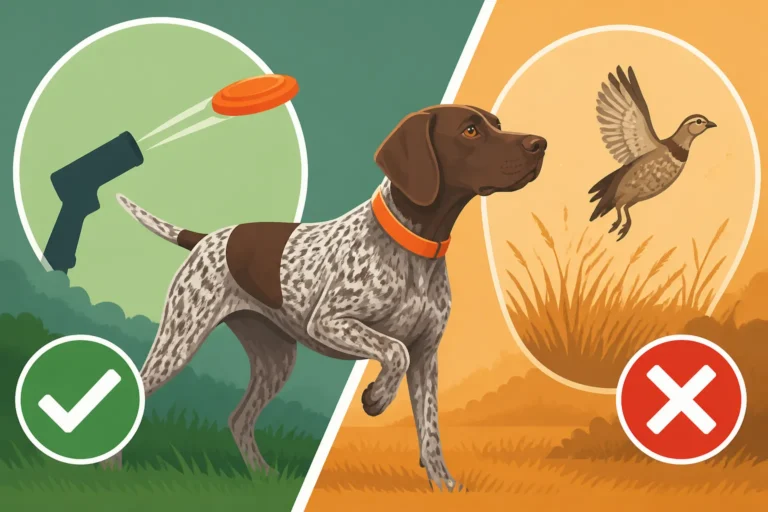
| First Exposure | Start with cap pistols or .22 blanks at 100-200+ yards. Pair with high-value activities (e.g., retrieving, eating). | Use a 12-gauge shotgun close up (e.g., 20-30 yards) right away. Fire shots when the dog is idle, startled, or nervous. |
| Pacing | Gradual increase in volume and decrease in distance over weeks/months. Dog's comfort dictates pace. | Rush the process, expecting immediate acceptance. Move quickly from soft sounds to loud shots. |
| Dog's Mental State | Dog is actively engaged, happy, focused on a positive task (e.g., a vigorous retrieve, focused on a bird, eating). | Dog is bored, anxious, unsure, or forced into a situation where it's not enjoying itself. |
| Reaction to Fear | Stop immediately, retreat to a comfortable distance/volume. Re-establish positive associations. Seek professional help if needed. | Scold the dog, try to "tough it out," force the dog closer, or ignore signs of fear. |
| Reinforcement | Consistently pair shots with high-value rewards (treats, praise, successful retrieve). End sessions on a positive note. | Fire shots randomly without positive association. Punish the dog for reacting to the sound. |
| Training Environment | Vary locations, introduce different gun sounds and hunting scenarios gradually over time. | Only train in one location with one type of gun. Fail to generalize the training. |
Disclaimer
This article is for general informational purposes only and does not constitute professional advice. Laws, prices and regulations vary by location and change over time. Consult a qualified professional for guidance on your specific situation.