Why a Shorthair Has Webbed Feet
It’s a peculiar thing, isn’t it, to look down at your German Shorthaired Pointer’s paws and notice those distinct flaps of skin between their toes? Many GSP owners, especially those new to the breed, often wonder about this unique anatomical feature. It's not just a quirk; those webbed feet are a testament to centuries of selective breeding, designed to make your Shorthair the incredible, versatile hunting companion they are today. This guide will dive deep into why German Shorthaired Pointers have webbed feet, exploring their evolutionary origins, the mechanics behind their function, and how this special adaptation benefits both the working and companion GSP.
The Evolutionary Advantage of Webbed Feet in Pointers
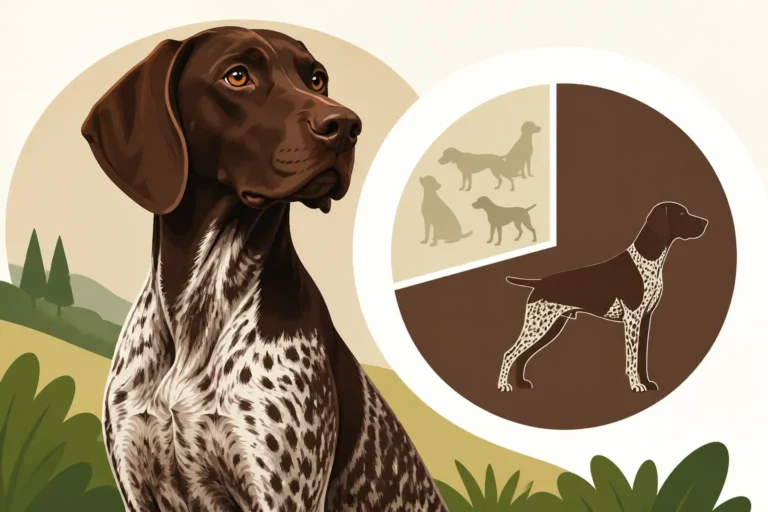
When you look at a German Shorthaired Pointer, you see an athlete, a dog built for speed and endurance across diverse terrains. But part of their incredible versatility lies in a feature that often goes unnoticed until they hit the water: their webbed feet. This isn't just a random genetic throw; it's a finely honed evolutionary advantage, purposefully developed over generations to perfect their role as a truly all-around gun dog. Understanding this feature means looking back at the specific needs of the hunters who created this magnificent breed.
Tracing the Shorthair's Aquatic Heritage
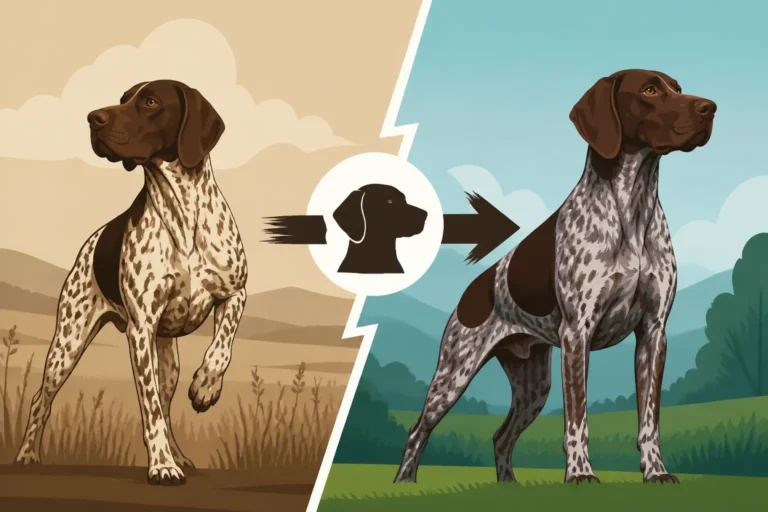
The German Shorthaired Pointer, as its name suggests, was forged in the hunting traditions of Germany, a country with diverse landscapes including vast plains, dense forests, and countless lakes, rivers, and marshes. Early German hunters weren't just looking for a dog to point upland birds; they needed a companion that could track wounded game through thickets, retrieve downed birds from heavy cover, and, crucially, plunge into icy water to fetch waterfowl. This comprehensive demand led breeders to select for traits that facilitated work in all these environments. The webbed foot was a natural fit for this multi-faceted role, distinguishing them from breeds bred solely for dry land work, like many pure upland pointers, which tend to have tighter, more cat-like feet. The history of the breed is deeply tied to these varied hunting requirements, highlighting why a feature like webbed feet became so essential. If you delve into The German Kennels the Shorthair Was Built In, you'll quickly see the emphasis on versatility from the very beginning.
Imagine a scene: a hunter has just brought down a duck that falls into a marshy pond. A dog with tightly-knit, non-webbed feet would struggle, expending vast amounts of energy to push through the water. But a German Shorthaired Pointer, with those natural paddles, can cut through the water with remarkable efficiency. This ability wasn't just a bonus; it was a necessity for a dog expected to handle a full day of mixed bag hunting, moving seamlessly from land to water and back again without becoming quickly exhausted. This design ethos is what makes the Shorthair the quintessential versatile dog, a concept further explored in What Versatile Actually Means for a Shorthair. Their webbed feet are just one piece of the puzzle, but a critical one that speaks volumes about their heritage and intended purpose.
Beyond Just Swimming: Grip and Stability
While the most obvious benefit of webbed feet is enhanced swimming, their utility extends far beyond the water's edge. Those additional flaps of skin between the toes provide a larger surface area, which translates into superior grip and stability on a variety of challenging terrains. Think about navigating a slippery, muddy riverbank after a retrieve, or crossing wet, rocky ground. A dog with webbed feet can spread its toes wider, creating more contact with the ground and distributing its weight more effectively, much like a snowshoe spreads weight on snow. This reduces the chance of slipping, ensuring the dog remains agile and confident, even in precarious situations.
Consider also running through uneven, dense cover or across icy patches during a late-season hunt. The increased surface area and flexibility of webbed feet help the GSP maintain traction, preventing costly falls or injuries. This ability to grip and stabilize is invaluable for a dog that needs to maintain its speed and balance while quartering fields or bursting through thickets. It's a subtle but significant advantage that contributes to their overall athletic prowess and their ability to work long hours without faltering. The combination of webbed feet with The Water Resistant Coat a Shorthair Carries truly makes them an all-weather, all-terrain hunting machine.
The Structure of a German Shorthaired Pointer's Foot
To truly appreciate the functionality of a German Shorthaired Pointer's webbed feet, it helps to understand the anatomy behind it. It's not just a casual bit of extra skin; it's a deliberate, well-engineered structure that provides distinct advantages. The GSP's foot is a marvel of natural design, perfectly adapted for the tasks it was bred to perform, showcasing the thoughtful development by early breeders.
Anatomy of the Webbing
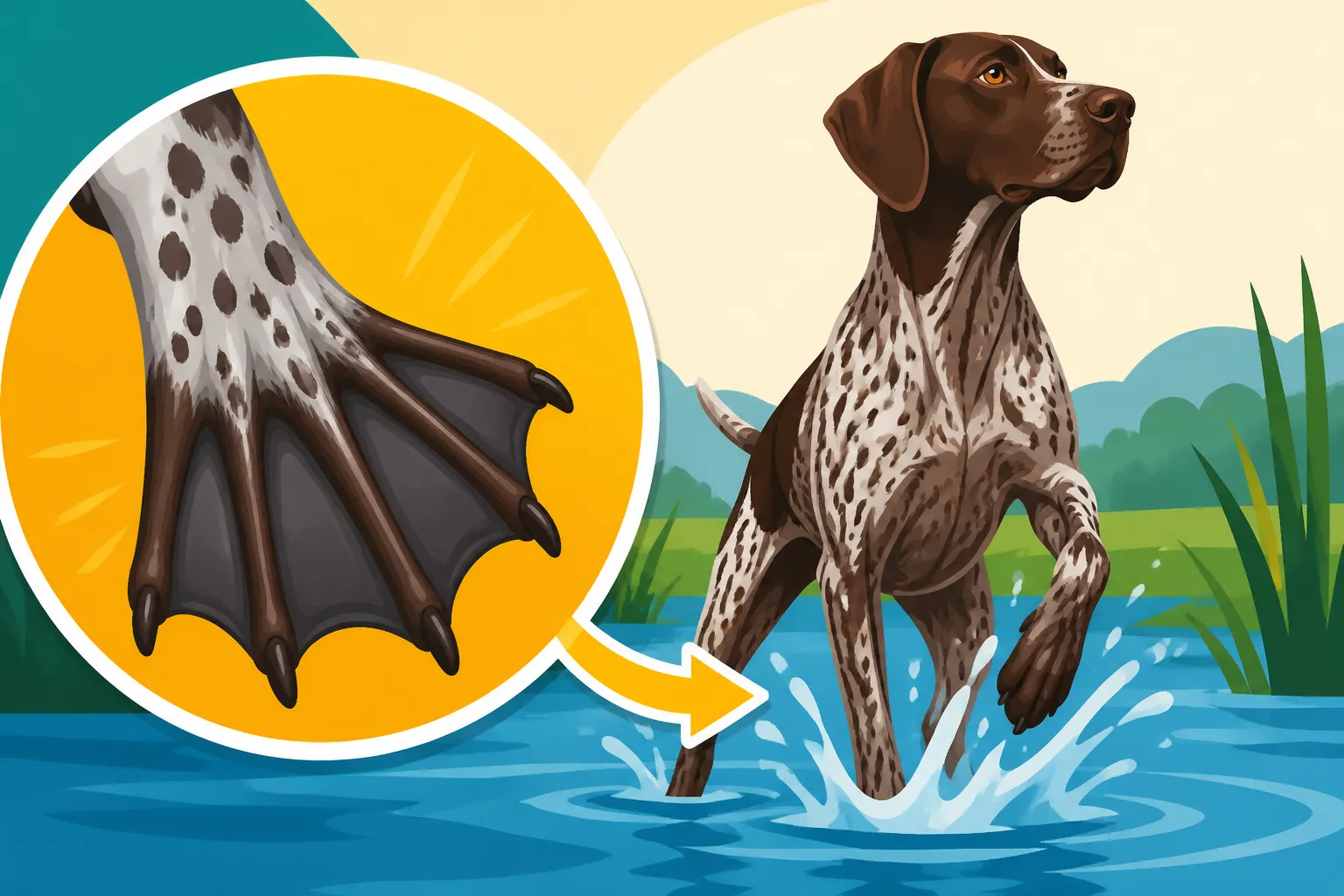
The webbing on a German Shorthaired Pointer's foot isn't like a duck's foot, which is entirely fused. Instead, it's a strong, flexible membrane of skin and connective tissue that extends between the toes, typically reaching about two-thirds to three-quarters of the way down from the base of the toes. This semi-webbed structure is key to its versatility. It allows the toes to spread wide in water, maximizing the pushing surface for efficient swimming, yet still allows for individual toe movement and flexibility on land. When the dog is walking or running on solid ground, the webbing retracts somewhat, causing minimal interference with their stride.
This ingenious design provides the best of both worlds. A fully webbed foot might impede running on dry land, making it awkward or slower, while a non-webbed foot simply isn't efficient in water. The GSP's semi-webbed foot strikes the perfect balance. It’s a testament to how precisely the breed was refined for its role, requiring a foot that could be a powerful paddle one moment and a nimble running foot the next. The skin itself is often tough and resilient, mirroring the hardiness of the rest of the GSP, ready to withstand various environmental challenges they encounter in the field.
How the Foot Acts Like a Paddle
When a German Shorthaired Pointer enters the water, those seemingly innocuous flaps of skin transform into highly effective paddles. As the dog pushes its paw backward through the water, the toes spread, and the webbing stretches taut, increasing the surface area of the foot dramatically. This expanded surface area creates greater resistance against the water, propelling the dog forward with more force and efficiency than a non-webbed foot could achieve. It's pure physics in action: more surface area means more water displaced per stroke.
Imagine trying to swim with your fingers splayed wide versus cupped tightly; the webbed foot offers that splayed, cupped advantage naturally. This efficiency means the GSP can swim faster, for longer distances, and with less fatigue. For a hunting dog expected to retrieve multiple downed birds from cold, flowing water, this conservation of energy is critical. It allows them to maintain their focus and drive, ensuring a successful retrieve even when faced with challenging currents or long swims. The webbed foot is not merely an aid; it's a fundamental part of their hydrodynamic design, enabling them to excel as powerful water dogs.
The Practical Benefits for the Hunting German Shorthaired Pointer
The German Shorthaired Pointer was specifically bred to be a do-it-all hunting dog. Their webbed feet are a perfect example of form following function, providing tangible advantages that directly contribute to their effectiveness in the field. These aren't just aesthetic traits; they are practical tools vital for success in diverse hunting scenarios, solidifying the breed's reputation as a truly versatile performer.
Effortless Water Retrieves
For any hunter targeting waterfowl, a dog that can retrieve from water efficiently is non-negotiable. The GSP's webbed feet make water retrieves look almost effortless. Picture a cold November morning, a duck shot down over a reedy marsh. The water might be frigid, the current strong, and the retrieve long. A GSP, propelled by those powerful, webbed paddles, can cut through the water swiftly and confidently. This isn't just about speed; it's about endurance. The increased efficiency means they expend less energy with each stroke, allowing them to make multiple retrieves without succumbing to fatigue or hypothermia as quickly as a less-adapted breed might.
This capability is especially important when game falls into deep, open water, or across wide rivers. The webbed feet allow the dog to maintain a steady course and strong pace, ensuring the bird is retrieved quickly and brought back to hand. Without this natural advantage, a dog might hesitate or struggle, risking the loss of game or unnecessary strain on the animal. The ability to perform quick, efficient water retrieves cements the German Shorthaired Pointer’s position as a top-tier waterfowl retriever, complementing their upland hunting skills beautifully. Keeping them in peak condition for these tasks involves careful management, including practices like Drying a Shorthair's Ears After Every Swim to prevent issues.
Navigating Challenging Terrain
Beyond the water, those webbed feet offer a surprising advantage on various land-based terrains that would challenge other breeds. Think about hunting in marshy areas, where the ground is a mix of mud, shallow water, and tangled vegetation. The larger surface area of the webbed paw helps distribute the dog's weight, preventing them from sinking too deeply into soft mud or getting bogged down. It's like having natural, built-in mudshoes. This allows them to move more quickly and freely, maintaining their tireless search for game.
Similarly, in snowy conditions, especially light, powdery snow, webbed feet can act somewhat like natural snowshoes. While they won't float on deep drifts, they certainly provide better traction and prevent snow from packing uncomfortably between the toes as easily as in breeds with tighter feet. This helps prevent discomfort and potential injury, allowing the GSP to hunt longer in wintery conditions. When you think about the varied environments a hunting Shorthair encounters, from dry stubble fields to rocky hillsides, and then to icy ponds or muddy riverbanks, it becomes clear that their foot structure is a key component of their overall resilience and adaptability. After a long day in such conditions, it’s crucial to be Checking a German Shorthaired Pointer Over After a Hunt to make sure those hardworking feet are still sound.
Care and Consideration for Webbed Feet
While webbed feet are a fantastic evolutionary advantage for German Shorthaired Pointers, they also come with their own set of care considerations. The very design that makes them so effective in varied terrain can also make them susceptible to certain issues if not properly maintained. As a responsible GSP owner, understanding these needs is just as important as appreciating their function.
Keeping Those Paws Healthy
The skin and fur between the toes, while providing the webbing, can also trap debris, moisture, and even parasites. After a long day in the field, especially in tall grass, marshes, or muddy areas, it's absolutely vital to thoroughly inspect your Shorthair's paws. Grass awns, burrs, and seeds can easily lodge themselves in the webbing, causing irritation, pain, or even serious infections if they migrate deeper into the paw. In winter, ice balls can form between the toes, leading to discomfort and potential frostbite. Foxtails and Grass Awns in a Hunting Shorthair can be a major headache, and the webbed structure gives them more places to hide.
Regular checks, especially after outdoor excursions, are your first line of defense. Gently spread the toes and feel for any foreign objects, cuts, or signs of irritation. Some owners also find that keeping the hair between the pads trimmed can reduce the amount of debris caught and aid in drying. Furthermore, depending on the terrain and weather, protective measures like paw balms or dog boots can be invaluable. Products like these, readily available from retailers like Chewy, can provide a protective barrier against harsh surfaces, chemical irritants, or extreme temperatures. Remember, a GSP's performance depends heavily on the health of their feet, so proactive care is non-negotiable. If you're tackling rough ground, consider Boots for a Shorthair on Rock and Stubble to give those specialized feet an extra layer of protection.
Drying a German Shorthaired Pointer's Feet
One of the most common issues associated with webbed feet, especially for water-loving GSPs, is the risk of skin irritation or fungal infections if the paws aren't thoroughly dried after getting wet. The webbing naturally holds moisture, creating a warm, damp environment that is perfect for bacteria and fungi to thrive. This is particularly true after swims in ponds, lakes, or rivers, where water might contain various microorganisms.
After any water activity, or even just a long walk in wet grass or rain, take the time to meticulously dry your Shorthair's paws. Use a towel to gently absorb all moisture from between each toe and around the pads. You might even consider using a low-heat blow dryer on a cool setting for extra thoroughness, being careful not to burn the skin. Pay close attention to any redness, swelling, or unusual odor, which could signal the beginning of an infection. Proper drying, combined with regular inspection, is key to preventing uncomfortable and potentially persistent paw problems, ensuring your GSP's unique feet remain healthy and ready for their next adventure. Rinsing a German Shorthaired Pointer After Pond Water isn't just about cleanliness; it's about preventing infections too.
Breed Standards and the Importance of Function
The webbed feet of a German Shorthaired Pointer aren't explicitly called out in great detail within breed standards, but their function is deeply embedded in the spirit of what the standard describes. Every aspect of the GSP's conformation, from their powerful gait to their coat, is geared towards their role as a versatile hunting dog. The foot structure is no exception; it’s an integral part of their overall functional soundness, a silent testament to the breed's purposeful development.
What the Standard Says (Implicitly)
While you might not read a section titled "Webbed Feet Requirements" in the official German Shorthaired Pointer breed standard, the expectation of a functional, versatile hunting dog implicitly mandates such an adaptation. The standard emphasizes qualities like a powerful, agile build, sound movement, and a "firm, short, thick, and compact" foot with "hard pads." These descriptions, when considered in the context of a dog bred to work both land and water, inherently point to a foot structure that can handle all elements. A loose, splayed foot would not be considered "compact" or "firm" and would hinder agility. Conversely, a foot too tight and cat-like would fail in water.
The webbed foot is a natural outcome of breeding for a dog that can point birds in a stubble field, track a pheasant through heavy cover, and retrieve a duck from a cold pond without missing a beat. The GSP's foot must be capable of providing strong propulsion in water while also offering stability and durability on varied terrain. Therefore, while not always explicitly named, the presence and functionality of webbed feet are a crucial, if understated, component of the breed's overall physical integrity and adherence to its working purpose. It’s about the whole package, and those feet are essential to that package.
The German Shorthaired Pointer Against Its German Cousins
To further appreciate the GSP's webbed feet, it's useful to compare them to other versatile German breeds. Breeds like the German Wirehaired Pointer, Small Munsterlander, and even the Pudelpointer were also developed to be all-around hunting dogs, and many share similar adaptations. The German Wirehaired Pointer, for instance, also boasts strong, well-padded feet, often with noticeable webbing, designed for navigating challenging terrain and water. This commonality underscores the shared philosophy of German breeders: to create truly versatile dogs capable of handling any task thrown their way in the field. This idea of comparing breeds is explored further in The German Shorthaired Pointer Against Its German Cousins.
However, there can be subtle differences in the degree of webbing or foot structure, reflecting slight variations in their primary focus or the specific regional demands they were bred for. The GSP's smooth, short coat and highly developed webbing often hint at a particular emphasis on water work and speed, alongside their exceptional pointing abilities. Examining these distinctions helps highlight how each breed, while sharing a common heritage of versatility, was fine-tuned for slightly different nuances in their working role, with the GSP's webbed feet being a hallmark of its aquatic prowess.
Beyond Hunting: Everyday Advantages
While the German Shorthaired Pointer's webbed feet are undoubtedly a product of their hunting lineage, their benefits aren't exclusive to the field. Even for GSPs who live primarily as beloved family companions, this unique anatomical feature provides advantages that enhance their everyday lives and contribute to their spirited, active personalities. These dogs are built for movement and adventure, and their feet are ready for whatever comes their way.
Playing in Puddles and Ponds
For many German Shorthaired Pointers, a trip to the local park with a pond or a romp through a stream during a hike is pure bliss. Their webbed feet transform these recreational dips into joyous, energetic events. Instead of flailing or struggling, GSPs glide through the water with an innate grace and power. This makes swimming not just a functional activity, but a source of immense enjoyment and an excellent form of exercise. Whether it's chasing a thrown stick into a lake or just splashing around on a hot day, their webbed feet allow them to indulge their natural love for water fully.
This effortless aquatic ability also opens up a world of possibilities for exercise and mental stimulation. Water retrieves, even with simple toys, can be a fantastic way to burn off some of that legendary GSP energy, especially during hot weather when strenuous land exercise might be unsafe. It's a joy to watch them power through the water, their tails wagging, embodying the very spirit of a dog built for action. Of course, even with their natural swimming prowess, supervision around water is always paramount. They may be excellent swimmers, but safety first!
A Testament to Purposeful Breeding
Ultimately, the webbed feet of a German Shorthaired Pointer serve as a powerful testament to the foresight and dedication of the breeders who developed the breed. They weren't just creating a pretty dog; they were engineering a highly functional, athletic partner, capable of performing a wide array of demanding tasks in diverse environments. Every physical attribute, including the often-overlooked webbing between their toes, was selected for a specific purpose: to enhance their ability to point, track, and retrieve.
This purposeful breeding has resulted in a dog that is not only a tireless hunter but also a robust and adaptable companion in any active household. The webbed feet are a subtle but profound reminder of the GSP's heritage – a dog truly built to thrive wherever its human companions take it, be it across a field, up a mountain, or into the cool waters of a summer lake. It’s a breed designed for adventure, and those feet are the perfect tool for the job.
Table: Webbed Feet vs. Non-Webbed Feet in Dogs
To further illustrate the benefits, here’s a comparison of how webbed feet enhance a German Shorthaired Pointer's capabilities compared to a dog with typical, non-webbed feet.
| Feature | German Shorthaired Pointer (Webbed Feet) | Non-Webbed Dog (e.g., Terrier) | Benefits for GSP |
|---|---|---|---|
| Swimming Efficiency | Toes spread wide, webbing acts as a paddle, creating powerful propulsion. | Toes remain relatively close, less surface area for pushing water. | Faster, more powerful, and less tiring swimming for retrieves and recreation. |
| Traction on Soft Ground | Larger surface area distributes weight, preventing sinking in mud/snow. | Smaller contact area, feet sink more easily, reducing mobility. | Better grip and stability on marshy, muddy, or snowy terrain. |
| Stability on Uneven Surfaces | Toes spread, offering a wider base and better grip on slippery rocks/banks. | Less ability to conform to irregular surfaces, higher slip risk. | Enhanced balance and reduced risk of injury when navigating challenging ground. |
| Recovery from Water | Efficient propulsion helps quickly exit water and gain footing on banks. | May struggle more to exit steep or slippery banks after swimming. | Quicker, more confident transitions from water to land. |
| Debris Trapping (Care) | Can trap burrs, grass awns, or ice balls in the webbing if not inspected. | Less prone to trapping fine debris between toes, though still possible. | Requires diligent paw inspection and care after field work. |
Disclaimer
This article is for general informational purposes only and does not constitute professional advice. Laws, prices and regulations vary by location and change over time. Consult a qualified professional for guidance on your specific situation.