Whether the Shorthair Has Changed Since 1930
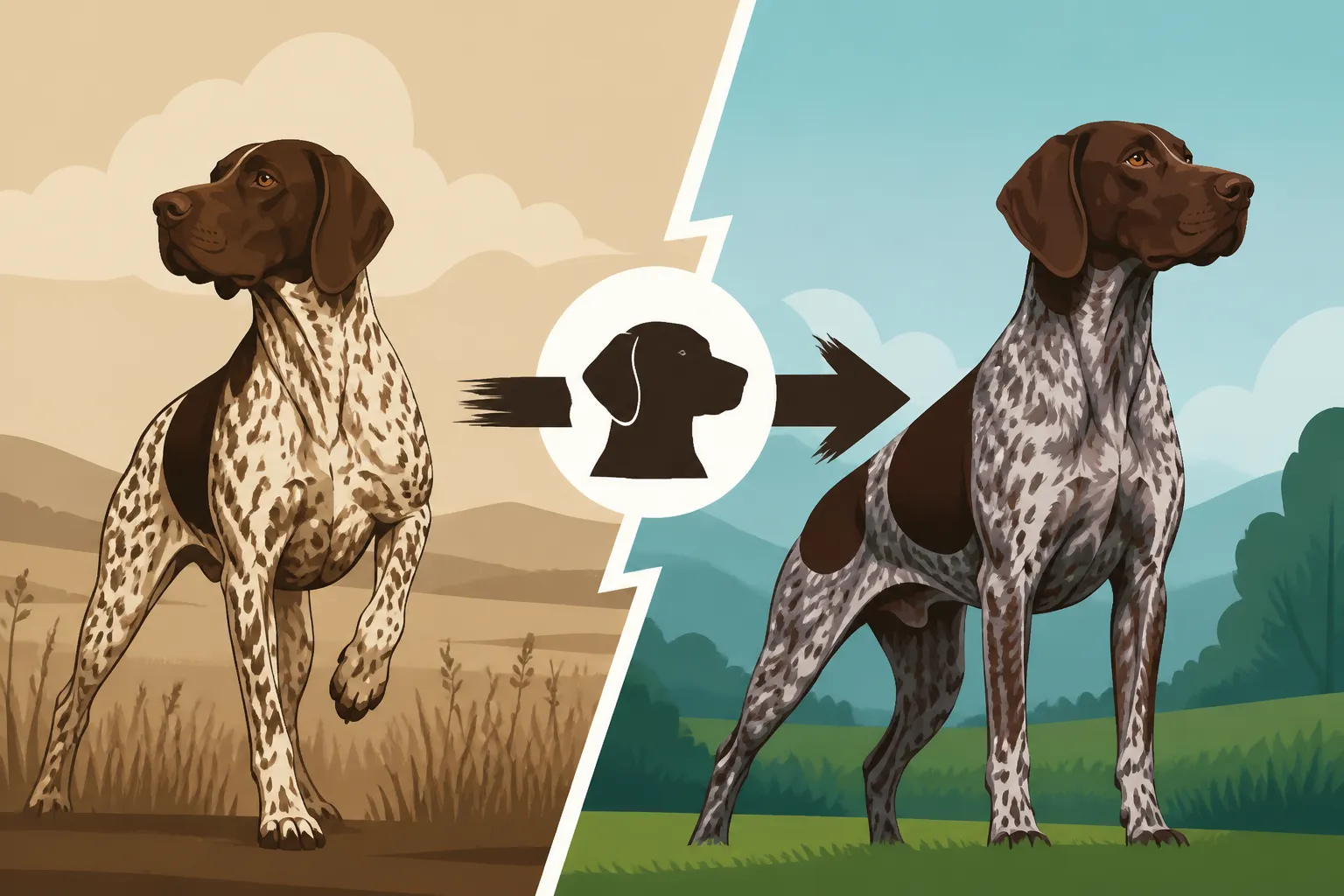
A German Shorthaired Pointer today can look familiar beside a photograph from the early twentieth century, yet the breed’s role, popularity, and breeding priorities have shifted. This guide explains what has changed since 1930, what has stayed remarkably consistent, and why field-bred and show-bred Shorthairs may look or work differently without being separate breeds.
What 1930 Means in the Shorthair’s History
The breed was already established before its American milestone
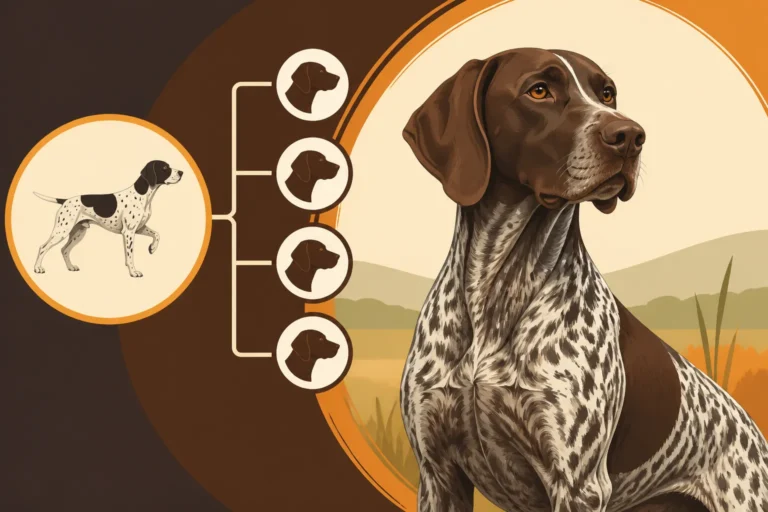
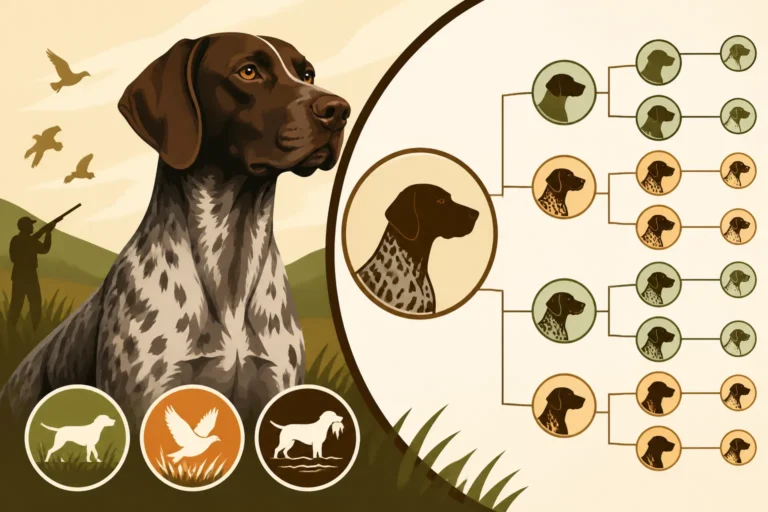
The year 1930 is an important marker in the German Shorthaired Pointer’s American story: it entered the American Kennel Club stud book that year. But the breed did not suddenly come into existence then. Its development had taken place in Germany, where hunters sought a versatile dog able to locate and point game, retrieve on land and water, and track wounded animals.
That original purpose shaped the kind of dog breeders valued. A Shorthair needed a useful nose, stamina, a weather-resistant coat, and the ability to work with a handler across varied terrain. The goal was not simply to produce a handsome pointer for the ring or a fast dog for one narrow task. Versatility was central to the breed’s identity, a history explored further in What Versatile Actually Means for a Shorthair.
As the breed became established in the United States, it entered a different sporting culture. American hunters, field competitors, show exhibitors, and family owners did not always prioritize the same traits. That variety of interests is one reason today’s Shorthairs can differ in build, drive, and style while sharing a common breed history.
The 1930s were a starting point, not a freeze-frame
A breed’s registration milestone does not mean its appearance and everyday life remain unchanged afterward. Breeders continue making decisions about which dogs to mate, and those choices reflect what they value: working ability, temperament, conformation, health, or a combination of traits.
The settings in which dogs are used have also changed. A Shorthair once expected to spend much of its life working alongside a hunter may now live primarily as a household companion, even if it still has strong instincts to range, point, and retrieve. Modern owners may take their dogs hiking, running, swimming, or to organized training events rather than hunting regularly.
This does not mean that the breed has become a different animal. It means that the same basic set of inherited abilities is being expressed in a wider range of homes and activities. To understand those differences, it helps to consider how breeders and owners have shaped the dog’s work and appearance over time.
What Has Changed in the Breed
Breeding priorities have become more varied
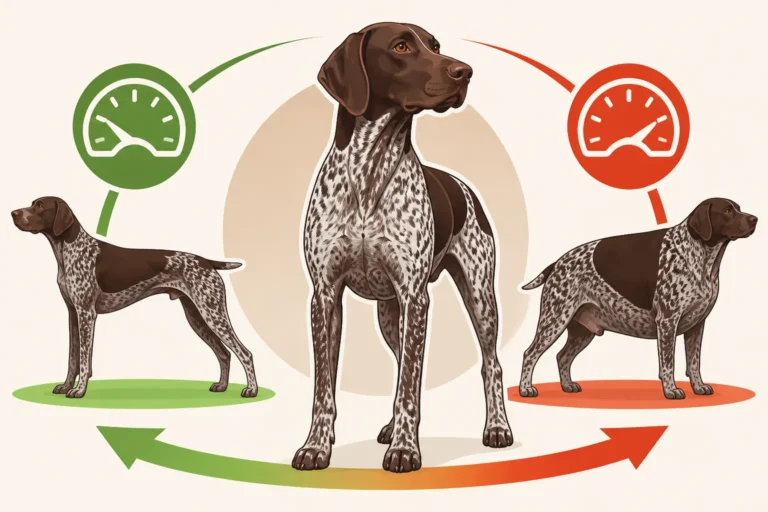
The clearest change is not a single dramatic transformation in the Shorthair’s body. It is the widening range of breeding priorities. Some breeders concentrate on hunting performance and field ability. Others place greater emphasis on conformation and success in the show ring. Many try to preserve both, though the balance varies from kennel to kennel.
That difference can show up in a dog’s proportions, pace, range, intensity, and working style. A field-bred Shorthair may be selected for sustained effort and an energetic search in open country. A show-bred dog may be selected more closely for how its structure and movement fit the breed standard. Those are tendencies, not guarantees: individual dogs vary, and pedigree and upbringing both matter.
The split between field and show lines is best understood as a difference in emphasis within the breed, not proof that one kind is the “real” Shorthair. For more on how those priorities developed, see The Split Between Field and Show Shorthairs and How Shorthair Field Lines and Show Lines Diverged.
The modern Shorthair has more possible jobs and homes
The breed’s core abilities remain useful, but modern owners put them to work in more ways. A Shorthair might hunt birds, compete in field events, train for retrieving, or join its owner on long runs. Another may be a family dog whose exercise comes from walks, training, scent games, and swimming.
Those alternatives can suit the breed, but they do not erase its needs. A dog bred to cover ground and respond to scent may struggle if its days consist mainly of a quick walk and hours alone. Owners sometimes mistake restlessness, counter-surfing, or destructive behavior for a dog being “bad,” when the underlying problem may be too little exercise, structure, or mental engagement. The Household a German Shorthaired Pointer Actually Fits explores the kind of daily life that may work well for this energetic breed.
The Shorthair’s popularity as a companion has also made breed education more important. A person who chooses a dog for its athletic look may be surprised by the time and training needed to live comfortably with a high-energy sporting dog. The breed’s modern visibility does not make it a low-maintenance pet, and a large yard by itself does not replace interaction or purposeful activity.
| Area | What broadly continues | What may differ among modern Shorthairs |
|---|---|---|
| Hunting instincts | Interest in scent, searching, pointing, and retrieving | Strength of drive, range, and style of work |
| Build | Athletic, capable sporting-dog structure | Proportions and movement emphasized by breeding goals |
| Activity needs | Regular physical and mental engagement | Individual stamina, intensity, and preferred activities |
| Household role | Strong relationship with people | Whether the dog hunts, competes, or lives mainly as a companion |
| Training | Benefits from clear, consistent handling | The experience and methods needed for a particular dog |
What Has Stayed Consistent Since 1930
Versatility remains central to the breed
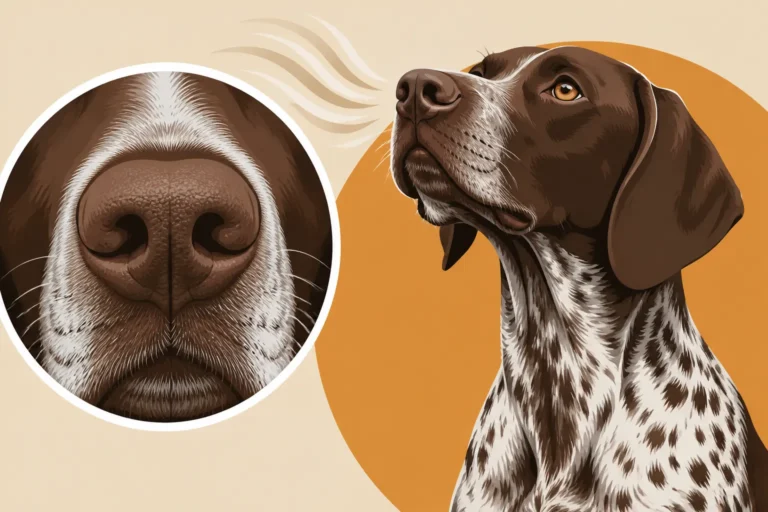
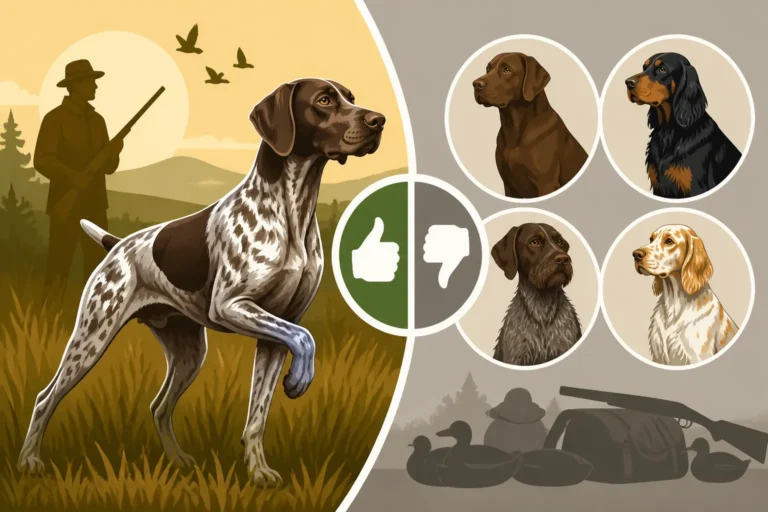
The German Shorthaired Pointer was developed as a versatile hunting dog, and that purpose is still reflected in its abilities. Many Shorthairs can use their noses to locate game, point, retrieve, and work around water. The exact expression varies, but the breed’s combination of athleticism, scenting ability, and eagerness to work remains a defining feature.
That range of ability is part of the appeal, but it can also create unrealistic expectations. A dog may show a natural interest in birds without being steady, reliable, or ready for every kind of hunting. Instinct can provide a starting point; training and experience help shape how the dog uses it. Pointing, Retrieving and Tracking in One Shorthair explains the different parts of that versatile working role.
The same principle applies to companion homes. A Shorthair does not need to hunt to be a cherished family dog, but its inherited energy and instincts do not simply disappear because it lives in town. Owners can offer suitable outlets through structured exercise, training, retrieving games, and nose work. They should also make safety decisions with the dog’s athleticism and prey interest in mind.
The characteristic look still reflects a working dog
A modern Shorthair’s outline is meant to suggest an athletic dog capable of sustained work, not a breed redesigned for one narrow job. Its short coat, balanced frame, and sporting-dog build remain recognizable features. The breed standard provides a shared reference for judging type, though dogs may differ in appearance and still have the same breed identity.
Photographs can make comparisons across decades difficult. Older images may use different poses, lenses, or presentation styles, while dogs shown in modern settings may be groomed and handled for a particular event. A dog appearing taller or heavier in one photograph is not enough evidence to conclude that the whole breed has changed. A more useful comparison considers documented pedigrees, standards, and the range of dogs being bred and worked.
The breed standard is one piece of the picture, not a guarantee of hunting ability or temperament. A dog that fits the standard still needs suitable health, training, and care. For a closer look at the physical traits the standard describes, see The Size and Build the Shorthair Standard Asks For.
How to Judge Claims That the Breed Has Changed
Compare dogs by purpose, not appearance alone
When someone says today’s Shorthairs are bigger, faster, calmer, or more intense than dogs from the past, ask what dogs they are comparing. Are they looking at field competitors, show-ring winners, household pets, or a small set of photographs? Each group may represent a different slice of the breed.
A practical comparison should look at several things together:
- Breeding background: What do the parents and close relatives do, and what traits were they selected for?
- Working ability: Does the dog demonstrate the kind of search, point, retrieve, or stamina expected for its intended role?
- Structure and movement: Does the dog appear sound and capable of the activity it is asked to perform?
- Temperament and lifestyle: Can the dog settle and function in the home when its exercise and training needs are met?
- Health information: What health testing and veterinary history are available for the individual dog and its relatives?
This approach is more useful than treating a single photo or anecdote as proof of a breed-wide shift. It also helps a prospective owner choose a dog whose likely traits fit their plans. A person hoping to hunt regularly may ask different questions from someone seeking an active companion for hiking and training.
Look for continuity as well as difference
The most balanced answer is that the Shorthair has changed in emphasis and in the range of roles it fills, but its defining foundation remains recognizable. Breeding communities may prioritize different traits, and individual dogs can vary substantially. At the same time, the breed still carries the athleticism, working instincts, and versatility that made it useful as a gun dog.
That distinction matters when choosing a puppy or adult dog. Rather than asking only whether the breed has changed since 1930, ask what kind of Shorthair a particular breeder is producing and how that dog’s needs match your household. A useful conversation covers activity level, hunting or sport expectations, temperament, health testing, and what support the breeder offers after the dog goes home. How to Read a Shorthair Pedigree for Hunting Ability and The Parent Club That Sets Shorthair Health Rules offer related ways to assess breeding background and breed guidance.
For families considering the breed, it is also worth being honest about the daily commitment. A Shorthair may thrive as a companion in the right home, but good intentions alone do not tire out an athletic dog. Before choosing one, think through your schedule, training plans, exercise options, and ability to manage a dog that may notice every bird, scent, and open stretch of ground. Whether a German Shorthaired Pointer Needs to Hunt to Be Happy can help frame that decision.
Disclaimer
This article is for general informational purposes only and does not constitute professional advice. Laws, prices and regulations vary by location and change over time. Consult a qualified professional for guidance on your specific situation.